
Fertilization
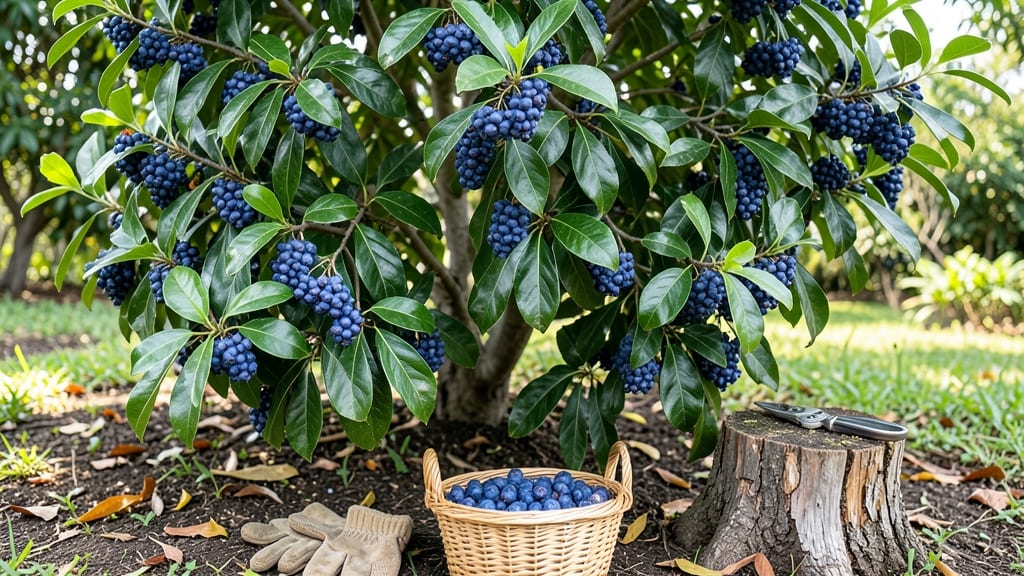
Jack berry fruit refers to the edible berries from the Syzygium genus (like Java plum or rose apple), but some varieties—such as those from Solanum species—can be toxic. Always verify the plant source before consumption, as misidentification risks poisoning.
When you're dealing with jack berry fruit, the key is knowing which plants belong to the safe Syzygium family versus dangerous look-alikes like deadly nightshade. 🌿 These tropical berries can range from delicious to deadly, depending on their botanical origins.
For example, Java plum (Syzygium cumini) is a popular edible variety, while its cousin from the Solanum genus contains toxic alkaloids that can cause severe illness. Always cross-reference with a reliable plant database or consult an expert before trying any wild-harvested berries.
If you're growing jack berry plants at home, focus on certified non-toxic varieties and maintain strict cultivation controls. These berries thrive in warm climates with well-draining soil and need full sun exposure.
Harvest when the fruit is fully ripe but still firm—overripe berries can develop a bitter taste. Remember to keep toxic plants like nightshade varieties out of your garden to avoid accidental cross-pollination.
💡 In This Article
- Identifying Edible vs Toxic Jack Berry Fruit Varieties
- Growing and Harvesting Safe Jack Berry Plants
Identifying edible vs toxic jack berry fruit varieties
The confusion around jack berry fruit stems from its diverse botanical family. Edible varieties belong to the Syzygium genus, like Java plum (Syzygium cumini) or rose apple (Syzygium malaccense), which produce small, round berries with sweet-tart flavors.
These berries typically grow in clusters on evergreen trees, reaching 1-3 inches in diameter. Their skin ranges from deep purple to yellow, and the flesh is juicy with a texture similar to a mix between a plum and a cherry.
Toxic look-alikes often come from the Solanum genus, such as deadly nightshade (Solanum nigrum) or bittersweet nightshade (Solanum dulcamara). These berries are usually glossy black or red when ripe and contain solanine—a compound that causes nausea, vomiting, or even neurological symptoms if ingested.
One key visual difference is the leaf shape: Syzygium leaves are smooth-edged and elliptical, while Solanum leaves often have serrated edges and a slightly hairy texture.
Regional risks add complexity. In Southeast Asia, where Syzygium species thrive, local markets sell these berries fresh or dried. However, in North America or Europe, wild Solanum species may grow nearby, posing accidental poisoning risks.
Always cross-check with a plant database like the USDA Plants Database or consult a local botanist before consuming any unfamiliar berries. 🌿
Another critical marker is the plant's growth habit. Edible Syzygium trees grow as tall as 30-40 feet with glossy, dark green leaves, while toxic nightshade plants are usually smaller shrubs (1-5 feet) with thinner stems.
The berries' arrangement also differs: Syzygium berries grow in dense clusters, while Solanum berries often dangle singly or in loose pairs.
Taste testing is risky—some toxic berries (like bittersweet nightshade) have a sweet coating over a bitter interior. Instead, rely on botanical identification: examine leaf structure, stem texture, and root system. If you're foraging, bring a sample to a local nursery or university extension office for verification.
Even edible varieties can cause digestive upset if consumed in excess, so moderation is key.
For gardeners, consider planting certified Syzygium varieties from reputable nurseries. These trees are hardy in USDA zones 10-11 and require minimal maintenance once established. Always label your plants clearly to avoid confusion with ornamental (and potentially toxic) look-alikes in your landscape.