
Vegetables
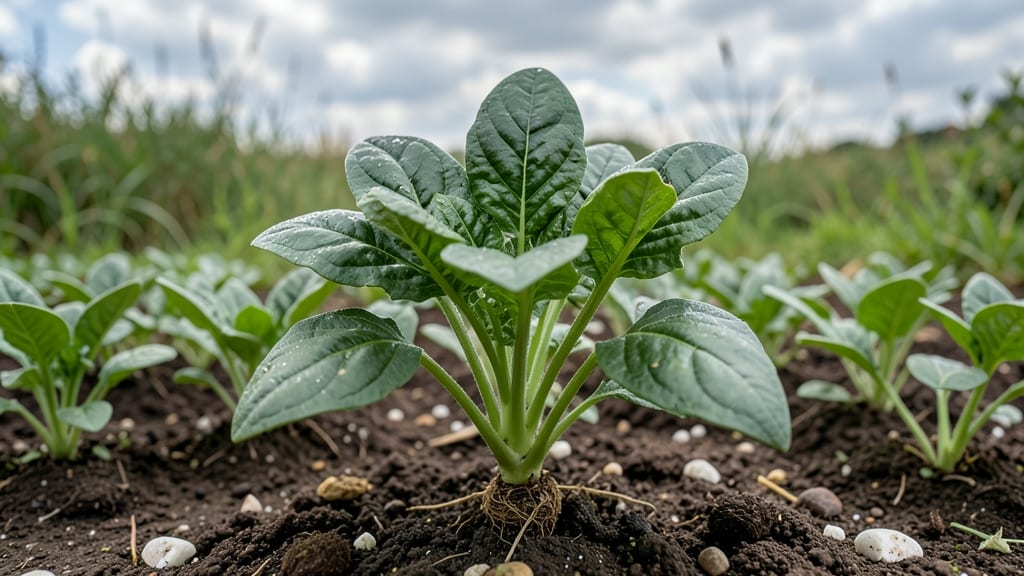
Spinach is a vegetable botanically, but it’s classified as a leafy green in cooking because it comes from the plant’s leaves rather than its fruit or seeds. Its classification depends on whether you focus on botany or culinary use.
Botanists classify spinach as a vegetable because it develops from the plant's flowering structure, not its seeds or fruit. 🌱 This distinction matters because fruits are defined by their role in seed dispersal, while vegetables are all other edible plant parts.
In your kitchen, though, spinach behaves like other leafy greens—it wilted when cooked, absorbs flavors beautifully, and pairs perfectly with garlic, lemon, or olive oil.
What's fascinating is how this classification plays out in recipes. Chefs treat spinach as a vegetable because it functions like one—adding texture and nutrients to dishes without the sweetness of fruits.
Whether you're blending it into smoothies or sautéing it for pasta, spinach's versatility comes from its leafy structure, not its botanical category.
💡 In This Article
- Botanical Classification: Why Spinach Is a Vegetable
- Culinary Uses of Spinach: Cooking as a Leafy Green
Botanical classification: why spinach is a vegetable
Spinach belongs to the Chenopodium family and is classified as a vegetable because botanists define vegetables as any edible part of a plant that isn't a fruit.
The key difference lies in how plants reproduce: fruits develop from the flower's ovary and contain seeds, while vegetables are all other edible components. Spinach's leaves grow from its stem, not from a flower's ovary, so it never produces fruit. 🌱
The confusion often arises because fruits are typically sweet and juicy, while vegetables can be savory or bitter—spinach's earthy flavor fits the vegetable profile. Botanically, even cucumbers and tomatoes are fruits because they develop from flowers, but we use them as vegetables in cooking.
Spinach's leaf structure is more similar to other vegetables like lettuce or cabbage, which also come from leaves rather than fruit.
Here's the science: Spinach plants produce flowers that develop into seeds, but the leaves themselves are the edible part we harvest. These leaves contain high levels of chlorophyll (the green pigment) and nutrients like iron and vitamin K, making them a powerhouse vegetable.
The plant's reproductive focus is on seed production, not fruit development, which is why botanists categorize it as a vegetable. 💚
What's interesting is how this classification impacts nutrition. Vegetables like spinach are typically low in natural sugars and high in fiber, minerals, and vitamins—qualities that align with their leafy structure.
Fruits, by contrast, often contain more sugars and are designed to attract animals for seed dispersal. Spinach's nutrient profile perfectly matches its botanical classification as a vegetable.
This distinction matters in gardening too. Spinach grows best in cool weather (ideal temperatures between 50-75°F) and prefers well-draining soil. Its growth habit—producing leaves rather than fruit—means it's harvested before it can flower, ensuring you get tender, nutrient-rich greens.
This is why gardeners treat spinach like other leafy vegetables, not fruiting plants like tomatoes or peppers.
So while spinach might look like a leafy green, its botanical roots (pun intended) are firmly in the vegetable category. The key takeaway? Classification depends on the plant's reproductive structures, not just how we use it in the kitchen. 🌿