
Diseases
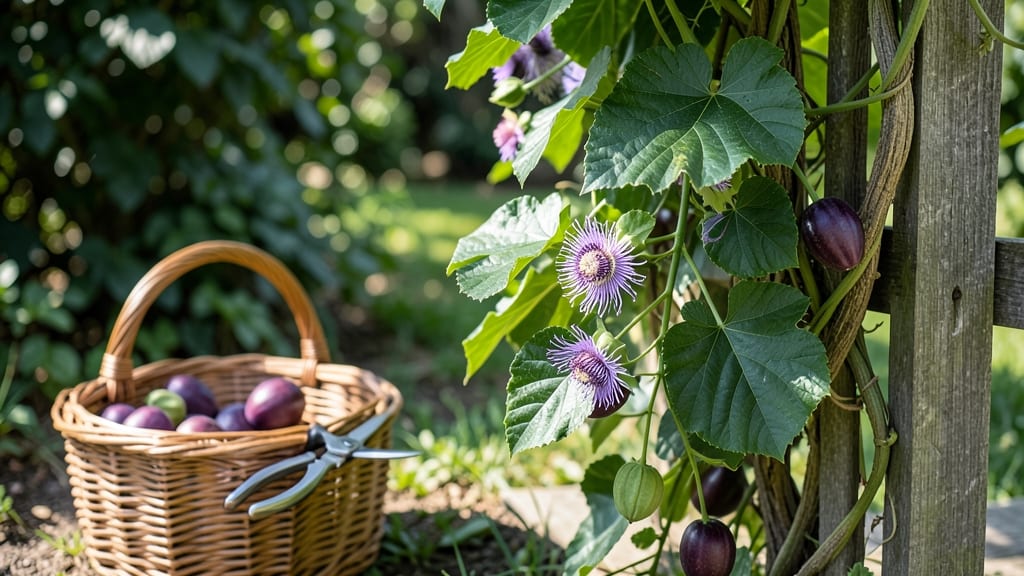
Passion fruit is in season primarily during late spring through early autumn, with peak harvests varying by region—Florida and California produce year-round, while tropical zones like Hawaii and Puerto Rico offer harvests year-long but with seasonal peaks in summer and fall. Check local farmers' markets for fresh availability.
Knowing when passion fruit reaches peak ripeness depends on where you live. 🌿 In temperate zones like Florida and California, you'll find them year-round, but the best flavor comes during summer months when vines produce the most abundant fruit.
Tropical regions like Hawaii and Puerto Rico deliver consistent harvests, though summer and fall bring the juiciest, sweetest varieties. I always recommend buying from local growers during these peak windows—the difference in taste is noticeable!
For home gardeners, timing matters too. Passion fruit vines thrive in warm climates but need consistent moisture. 💧 If you're growing your own, harvest when the fruit's skin turns a deep golden-yellow (for yellow varieties) or purple-black (for purple ones), and it gives slightly when gently squeezed.
Unripe fruit won't develop that signature tangy-sweet flavor, so patience pays off!
💡 In This Article
- Passion Fruit Season by U.S. Growing Regions
- How to Tell When Passion Fruit Is Ripe and Ready
Passion fruit season by U.s. growing regions
Passion fruit thrives in warm climates, and its seasonal availability depends heavily on regional growing conditions. In Florida, the primary U.S. producer, vines flourish year-round due to the state's subtropical climate, with peak harvests typically occurring from May through October.
The warm, humid summers provide ideal conditions for fruit development, while cooler winters slow production but don't halt it entirely. 🌞 California, particularly in coastal areas like Ventura and Santa Barbara, also enjoys year-round production, though harvests peak between June and September when temperatures hover around 75-85°F and rainfall is minimal.
Tropical regions like Hawaii and Puerto Rico offer passion fruit year-round, but summer and fall bring the most abundant harvests. In Hawaii, the Kona and Hilo regions see peak production from June to November, thanks to consistent temperatures between 70-85°F and steady rainfall during the growing season.
Puerto Rico's harvest peaks from July to October, with the Lajas Valley producing the highest yields due to its fertile volcanic soil and microclimate. These tropical zones benefit from longer daylight hours in summer, which accelerate fruit ripening.
What most people don't realize is how climate factors like temperature and rainfall directly impact flavor. Passion fruit grown in drier, warmer conditions tends to be sweeter and more aromatic, while fruit from cooler or wetter periods may develop a sharper, more tart profile.
For example, Florida's summer fruit is often sweeter than winter harvests because the vines receive more sunlight and less stress from humidity. 🌦️ This is why local farmers' markets in these regions become flooded with passion fruit during peak season—suppliers know the quality will be at its best.
If you're shopping for passion fruit outside these peak windows, you might find imported varieties, but their flavor and texture often pale in comparison. Imported fruit is typically harvested early to survive shipping, resulting in a less vibrant color and milder taste.
To get the most flavorful passion fruit, aim to purchase during your region's peak season or grow your own in a suitable climate. Home gardeners can extend the harvest by planting vines in containers and bringing them indoors during cooler months, though this requires careful monitoring of light and humidity.
One key indicator of peak season is the sheer abundance in grocery stores and markets. During summer months, you'll see passion fruit prominently displayed in produce sections, often at lower prices due to high supply.
In Florida, for instance, June and July are when you'll find the largest, most uniform fruit, while California's harvest peaks slightly later in August and September. Tropical regions like Hawaii and Puerto Rico maintain consistent availability, but prices dip during their summer harvests due to oversupply.
This abundance isn't just about quantity—it's a sign that the fruit has had optimal growing conditions to develop its signature balance of sweetness and tang.
For those in colder climates, understanding these regional patterns helps plan ahead. If you can't access fresh passion fruit year-round, consider preserving the summer harvest by making passion fruit pulp, jam, or even fermented drinks.
The acidity in passion fruit makes it a great candidate for long-term storage, whether frozen or canned. This way, you can still enjoy the tropical flavor even when it's out of season locally. 💫