
How To
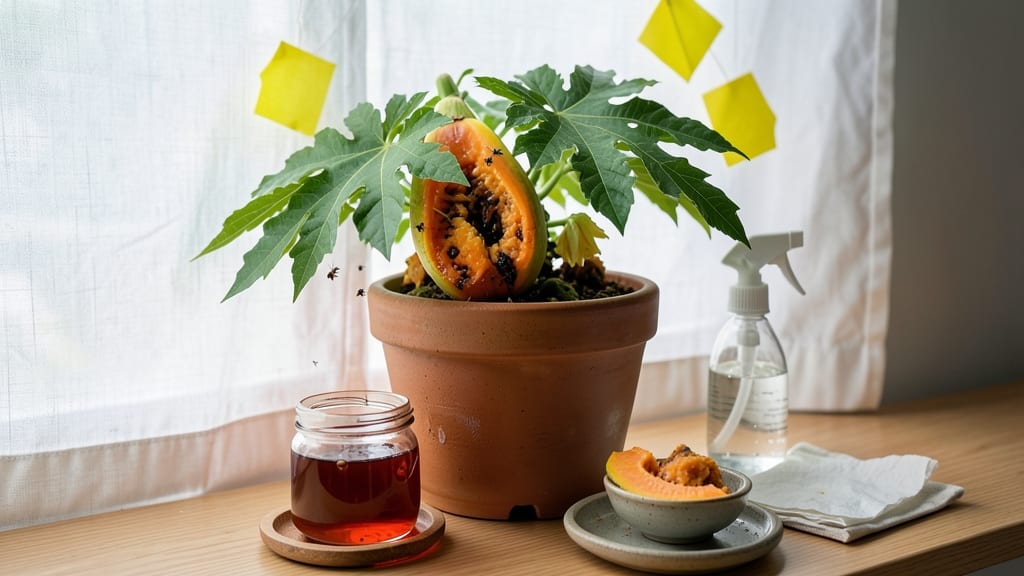
Fruit flies swarming your houseplants mean it's time for a 24-hour cleanup. 🌱 I've battled these tiny pests in my own collection, and the right traps and sprays can eliminate them faster than you'd think.
These flies don't just annoy—they lay eggs in damp soil, turning your peacefully green plants into a breeding ground. The key is acting fast: overripe fruit, rotting leaves, or even overwatered soil attract them like a buffet.
Most people reach for chemical sprays first, but those can harm your plants and leave toxic residues. Instead, we'll use simple, plant-safe methods that work in a day—no fancy equipment needed. You'll see the flies disappear within hours using a combination of traps, natural sprays, and soil adjustments.
The best part? These methods prevent future outbreaks by addressing the root cause—moisture and decay—that draws them in the first place. Works for any indoor plant collection, from ferns to fiddle-leaf figs. Let's get those flies gone for good!
Root Causes of Fruit Fly Infestations
Fruit flies—those tiny, buzzing pests—don’t just appear out of nowhere. They’re drawn to your houseplants (and kitchen scraps) for one reason: food, shelter, and breeding grounds. Understanding why they’re invading helps you stop them before they multiply. Here’s a breakdown of the most common triggers, backed by science.
Fruit flies (scientifically known as Drosophila melanogaster) are attracted to fermenting organic material, which emits ethanol and acids—their favorite snacks. Houseplants with:
- Overripe fruit (e.g., bananas, figs, or berries left on the plant)
- Decaying leaves or stems (especially in tropical plants like peace lilies or monstera)
- Sugary sap or nectar (from honeydew-producing pests like aphids or scale insects)
When plant tissue breaks down, it releases volatile organic compounds (VOCs) that act like a dinner bell. A single rotting leaf can attract dozens of flies within hours.
Fruit flies thrive in damp environments because moisture:
- Slows decomposition, creating a fermentation hotspot in soil
- Encourages fungal growth, which flies feed on
- Provides a breeding medium—female flies lay eggs in moist organic matter
Common culprits:
- Overwatered plants (especially those in saucers without drainage)
- Freshly repotted soil with uncomposted organic material (e.g., bark chunks or coconut coir)
- Plants with root rot or waterlogged roots
- Adult flies fly in through open windows or doors, drawn to the scent of fermenting plant matter.
- Eggs or larvae can be transferred via contaminated soil, water, or tools (like shears or gloves).
- Outdoor plants near windows can act as a bridge, letting flies migrate inside.
- Heated indoor spaces (especially bathrooms or kitchens) create ideal breeding conditions.
- Humidifiers or misting plants provide the moisture they crave.
- Grouped houseplants (like a jungle corner) trap heat and humidity, making it a fly magnet.
Pro tip: 💡 If your plant’s soil smells sour or sweet, it’s a red flag—flies are already on their way.
Fruit flies don’t discriminate—they’ll hitchhike from your compost bin, garbage can, or even a forgotten apple core to your houseplants. Here’s how it happens:
Once inside, they seek out the most nutrient-rich spots—often your prized houseplants.
Fruit flies are tropical creatures—they love temperatures between 70–80°F (21–27°C) and humidity above 60%. Your home’s indoor climate might be an accidental fly spa:
Fun fact: 🔥 Fruit flies can develop from egg to adult in just 7–10 days in these conditions—meaning an infestation can explode overnight.
Now that you know why these pests are crashing your plant party, you’re ready to tackle them head-on. The next step? Science-backed traps and sprays that disrupt their lifecycle fast.
Quick Fixes for Fruit Fly Fiascos
Fruit flies in your houseplants aren’t just annoying—they can spread to your kitchen and ruin your groceries. The good news? You can tackle them fast with targeted solutions.
Below, we’ll match the most common causes of your infestation with the best fixes, plus proactive steps to keep them from coming back.
If your fruit flies are drawn to decaying leaves, stems, or fallen fruit near your plants, act fast to remove their buffet.
🔥 Step 1: Remove the Attraction
- Inspect your plants for soft, mushy leaves, moldy soil, or fallen fruit (even tiny bits).
- Use sterilized scissors or gloves to trim away damaged foliage and discard it in a sealed trash bag (not the compost!).
- If soil is damp and smelly, sprinkle a thin layer of cinnamon or diatomaceous earth on top—it repels flies and absorbs moisture.
🍳 Step 2: Deep-Clean the Pot & Surroundings
- Wipe down leaves, pots, and saucers with a 50/50 vinegar-water solution (vinegar’s acidity disrupts their scent trails).
- For stubborn grime, mix 1 tsp dish soap + 1 cup water in a spray bottle and lightly mist the soil surface (avoid oversaturating).
💡 Pro Tip: Place a small bowl of apple cider vinegar + a drop of dish soap near the plant. Flies will drown in it within hours—no sticky traps needed!
Moisture-loving fruit flies thrive in soggy soil. If your plants are drowning in water (or you’ve been overwatering), reset the environment.
👨🍳 Step 1: Let the Soil Dry Out
- Stop watering for 3–5 days to allow excess moisture to evaporate.
- If possible, move the plant to a drier spot (like a sunny windowsill away from humidity sources).
- For severely waterlogged pots, gently remove the plant, rinse the roots under lukewarm water, and repot in fresh, well-draining soil (add perlite or sand if needed).
🥘 Step 2: Introduce Natural Deterrents
- Crushed bay leaves (place 2–3 near the pot—they release oils that repel flies).
- Citrus peels (dry and scatter around the base; flies hate the scent).
- A shallow dish of water + a few drops of te tree oil (flies avoid it, and it evaporates safely).
✨ Prevention Hack: Use a terracotta pot—it breathes better than plastic, reducing moisture retention.
If your plant’s soil is actively fermenting (smells like alcohol or rot), fruit flies will swarm it like a brewery. This often happens with peat-based soils or organic matter breaking down too fast.
🔪 Step 1: Quarantine the Plant
- Move the infected plant outside or to a garage (far from other houseplants) for 24–48 hours while you treat it.
- Do not water during this time to halt fermentation.
⏰ Step 2: Revive the Soil
- Mix 1 part fresh potting soil with 1 part perlite or vermiculite to improve aeration.
- Add a handful of activated charcoal (sold at garden stores) to neutralize odors and absorb toxins.
- Water lightly with a hydrogen peroxide solution (1 tbsp 3% H₂O₂ per cup of water) to kill larvae and disinfect.
🎯 Long-Term Fix: Switch to a soilless mix (like cactus/succulent blend) if your plant tolerates it—it resists fermentation better.
Fruit flies sneak in through screen gaps, open windows, or drafty doors. If your home lacks airflow, they’ll linger longer.
🌡️ Step 1: Block Entry Points
- Install fine-mesh screens on windows and doors (or use window screens with tiny holes if flies are escaping).
- Caulk gaps around baseboards, vents, and pipes where flies might crawl in.
- Keep doors closed when possible, especially near kitchen or plant areas.
💪 Step 2: Improve Airflow
- Use a small fan near plant areas to create a gentle breeze—flies dislike moving air.
- Open windows for 10–15 minutes daily (but only if screens are intact) to let stale air escape.
- Place an essential oil diffuser with peppermint, eucalyptus, or lemongrass oil—flies avoid these scents.
🔥 Emergency Trap: Hang a red wine trap (fill a jar with red wine + plastic wrap over the top; poke small holes) near entryways—flies are drawn in and drown.
Once you’ve evicted the flies, break their cycle with these habits:
- Inspect new plants for eggs or larvae before bringing them indoors (quarantine for a week if possible).
- Wipe down leaves weekly with a neem oil spray (1 tsp neem oil + 1 tsp mild soap + 1 quart water)—it’s a natural fly repellent.
- Store fruit in the fridge (even ripe bananas or tomatoes) to remove their scent lure.
- Empty trash cans regularly and rinse bins with vinegar to eliminate residual odors.
Final Reminder: Consistency is key—fruit flies reproduce every 3–4 days, so check your plants daily for signs of recurrence. With these fixes, your green sanctuary will stay fly-free in no time**! 🌿✨
Frequently asked questions
Why do fruit flies keep coming back even after I've treated my plants?
Fruit flies have a short lifecycle—they can reproduce every 3-4 days if conditions are right. Even if you eliminate adults, eggs or larvae may still be hiding in damp soil or decaying plant matter. Check for hidden sources like overripe fruit, rotting leaves, or overly moist soil, and repeat treatments every 2-3 days until the environment is fully dry and clean.
Is it safe to use vinegar traps near my houseplants?
Yes, but place them away from direct contact with leaves. Apple cider vinegar traps are completely plant-safe and won't harm foliage. For extra protection, add a drop of dish soap to break the surface tension—flies will drown instantly, and the soap won't affect your plants. Just keep the trap at least 6 inches from plant surfaces.
Can I use store-bought fruit fly traps around my houseplants?
Most commercial traps (like the red wine or apple cider vinegar varieties) are safe, but check the label for chemical ingredients. Sticky traps with non-toxic glue can work, but place them out of reach of pets and children. Avoid traps with pyrethrin or other pesticides—these can harm your plants. For extra safety, make your own DIY traps with vinegar and soap.
How do I know if my plant has fruit fly larvae in the soil?
Look for these signs: white or black specks in the soil, a sour or fermented smell, or tiny maggot-like worms when you gently sift through the top layer. If you suspect larvae, treat with a hydrogen peroxide solution (1 tbsp 3% H₂O₂ per cup of water) or repot in fresh, dry soil mixed with activated charcoal to kill hidden pests.
Will fruit flies harm my houseplants?
Directly, no—but they can indicate bigger problems. Their presence often means your plant has rotting leaves, overwatering, or fungal issues, which can stress or even kill plants over time. Address the flies as a warning sign to improve your plant's care routine. The sooner you fix moisture issues, the healthier your plants will stay.