
Planting
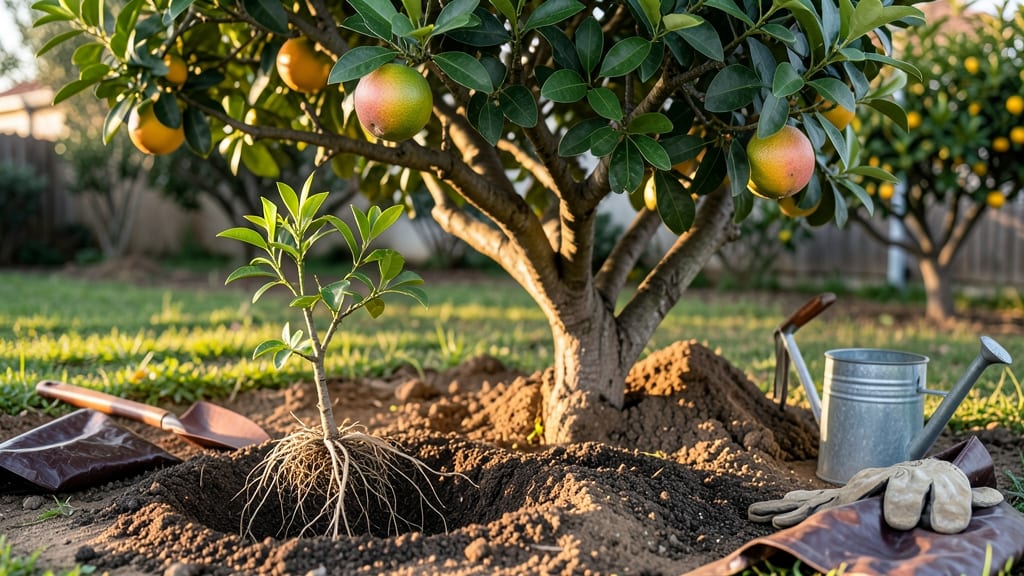
Planting a grapefruit tree starts with the right location—sunlight and warmth are non-negotiable. 🌞 I learned the hard way when my first tree struggled in partial shade, yellowing leaves and all. The secret lies in mimicking its native tropical climate: full sun, well-draining soil, and protection from frost.
You'll need a sapling from a nursery (not a seed—those take years to fruit) and a hole twice as wide as its root ball. Amend the soil with compost for that rich, slightly acidic environment grapefruits crave.
The first year is all about establishing roots, not fruit—think of it as laying the foundation for years of harvests. By summer's end, you'll see new growth signaling success. Prune only to shape, never to harvest—those first fruits are tiny anyway. The real reward?
A tree that thrives for decades, its glossy leaves and fragrant blossoms announcing spring every year. Whether you're in a frost-free zone or container-growing indoors, this method adapts. Just remember: patience is key—your first full-sized grapefruit won't appear until year three or four. Worth the wait!
📚 In This Guide
- What you need
- Instructions
- Tips and common mistakes
- Wrapping up and next steps
What you need
- ● Grapefruit tree: A healthy, dwarf or semi-dwarf variety (e.g., 'Ruby Red' or 'Orlando') from a reputable nursery. Choose a 3-5 gallon container-grown tree for easier transplanting.
- ● Planting hole: Twice as wide and deep as the root ball of your tree.
- ● Well-draining soil: A mix of topsoil, compost, and sand (or pre-mixed citrus soil if available). Aim for 50% native soil, 30% compost, and 20% sand.
- ● Balanced fertilizer: A 10-10-10 or 6-6-6 NPK fertilizer (1-2 pounds per tree). Avoid high-nitrogen fertilizers initially.
- ● Mulch: 2-4 inches of organic mulch (e.g., wood chips or straw) to retain moisture and regulate soil temperature.
- ● Watering can or hose: With a gentle spray nozzle for post-planting hydration.
- ● Pruning shears: Sterilized, sharp pair for trimming any damaged roots or branches.
- ○ Support stake (optional but helpful): A 4-6 foot wooden or metal stake if your tree is tall or top-heavy.
- ● Tie-down kit: Soft fabric strips or rubber ties to secure the tree to the stake.
- ● Citrus-specific fertilizer: Like Citrus-Tone or Espoma Citrus-Tone for long-term health.
- ● Soil pH tester: To ensure your soil is slightly acidic (pH 6.0-7.0)—ideal for grapefruits.
- ● Drip irrigation system: For consistent moisture, especially in hot climates.
- ● Frost cloth: If you’re in a cooler zone (USDA Zones 9-11), protect young trees from unexpected chills.
- ● Epsom salt: A handful mixed into the planting hole for magnesium boost (great for leaf health!).
Step-by-Step guide for planting a grapefruit tree
Here’s my foolproof method for planting grapefruit trees that thrive year after year.
🌱 Step 1: Choose the Right Location and Prepare the Soil
Grapefruit trees need full sun—at least 6-8 hours daily—so pick a spot with no shade from buildings or other trees. I always test the soil first because grapefruit hates soggy roots. Dig a hole twice as wide as the root ball but no deeper—this prevents water pooling around the roots.
Mix the native soil with 2 parts compost and 1 part sand to improve drainage. Grapefruit trees are sensitive to heavy clay, so this adjustment is critical. Work the amended soil into the hole, creating loose, airy conditions for those tender roots to spread into.
🪴 Step 2: Plant at the Correct Depth and Water Deeply
Place the tree so the root flare (where roots meet the trunk) sits just above soil level—burying it too deep suffocates the roots. Backfill with the amended soil mix, tamping gently to eliminate air pockets. I like to add a handful of slow-release citrus fertilizer to the bottom of the hole before planting for an instant nutrient boost.
Water deeply right after planting—about 1-2 gallons—to settle the soil and eliminate gaps. Let the water soak in completely, then add 2-3 inches of mulch around the base (but not touching the trunk). This keeps roots cool and retains moisture without inviting rot.
☀️ Step 3: Establish a Watering Routine for the First Year
Young grapefruit trees need consistent moisture but hate soggy soil. Water once a week during the first year, giving 3-5 gallons each time. You’ll know it’s right when water drains 6 inches deep—stick your finger in the soil to check. Overwatering is the #1 killer of young citrus trees.
Watch for yellowing leaves—this usually means overwatering or poor drainage. If you see it, cut back on water and let the top 2 inches of soil dry out between waterings. Mature trees handle drought better, but young ones need this steady care to root deeply.
✂️ Step 4: Prune for Shape and Airflow in Early Spring
Prune newly planted trees in late winter or early spring before new growth starts. Remove any dead, crossing, or inward-growing branches first—these compete for energy and invite disease. I always thin the canopy to let light and air reach the center, which prevents fungal issues.
Never remove more than 25% of the foliage in one pruning. Grapefruit trees recover slowly from heavy cuts. After pruning, give the tree another deep watering to help it bounce back. You’ll see fresh, vibrant growth within 4-6 weeks—that’s your sign everything’s on track.
🌿 Step 5: Protect from Frost and Pests Year-Round
Grapefruit trees cannot tolerate frost—if temperatures drop below 28°F, cover the tree with frost cloth or a blanket. I’ve lost trees this way, so I always monitor forecasts and act fast. In warm climates, watch for citrus leaf miners and aphids—spray with neem oil at the first sign of damage.
Fertilize every 3 months with a citrus-specific fertilizer (high in nitrogen early in the season, then balanced). You’ll know it’s working when new leaves emerge bright green and glossy. Avoid over-fertilizing—too much salt in the soil burns roots and stunts growth.
Tips & tricks for planting a thriving grapefruit tree
Here's what nobody tells you about planting grapefruit trees—and how to avoid my early mistakes.
Soil Test First: Before amending your soil in Step 1, grab a basic soil test kit from your garden center. Grapefruit trees thrive in soil with a pH between 6.0 and 7.0. I learned this the hard way after planting in slightly alkaline soil that made my first tree struggle for years. If your test shows pH above 7.5, mix in some peat moss to lower it gradually.
Root Flare Visibility: In Step 2, the root flare should be the most critical visual cue when planting. If you can't see it clearly, gently loosen the roots until you spot that slight swelling where roots meet trunk. I've seen people bury this area completely, which suffocates the tree. A good trick is to mark the flare with a pencil before planting so you remember where it should sit.
Watering Depth Check: After your initial 1-2 gallons of water in Step 2, stick a long screwdriver or metal rod 6 inches deep into the soil. If it comes out dry, you need to water more deeply next time. I use a moisture meter now—it's worth the $15 to avoid over- or under-watering your young tree.
Frost Protection Hack: For Step 5's frost protection, keep a roll of frost cloth and plastic wrap handy year-round. When frost is forecast, drape the cloth over the tree and secure it with clothespins or bricks. Then wrap plastic wrap around the outside of the frost cloth—it creates an extra insulating air pocket. I've saved trees this way when temperatures dropped to 25°F!
Pro Tips for Plant A Grapefruit Tree
- Here's what nobody tells you about planting grapefruit trees—and how to avoid my early mistakes.
- Soil Test First: Before amending your soil in Step 1, grab a basic soil test kit from your garden center.
- Root Flare Visibility: In Step 2, the root flare should be the most critical visual cue when planting.
Frequently asked questions
Got questions about growing your own grapefruit tree? You’re not alone—many gardeners wonder about timing, care, and even troubleshooting. Here are some of the most common questions (and answers!) to help you get started on the right foot.
When is the best time to plant a grapefruit tree?
The ideal time to plant a grapefruit tree is in early spring after the last frost, when soil temperatures are consistently above 60°F (15°C). This gives roots time to establish before summer heat. In warmer climates (USDA Zones 9-11), you can plant in late winter or early fall to avoid extreme heat or cold.
Can I grow a grapefruit tree in a pot instead of the ground?
Grapefruit trees thrive in containers if you choose a large pot (at least 18–24 inches wide) with drainage holes. Use well-draining citrus soil and repot every 2–3 years. Just remember: Potted trees need more frequent watering and may produce smaller fruit than in-ground trees.
How do I protect my grapefruit tree from frost?
Grapefruit trees are tropical and hate cold. If frost is forecasted, cover young trees with a frost cloth or blanket. For mature trees, wrap the trunk with burlap and water the roots to insulate them. Avoid overhead watering before frost—wet leaves freeze faster!
Why aren’t my grapefruit tree leaves turning green?
Yellow or pale leaves often signal nutrient deficiency (like iron or nitrogen) or overwatering. Test your soil and amend with citrus-specific fertilizer. Check for pests (like aphids) and ensure your tree gets 6+ hours of sunlight daily. If leaves are curling, it could be a sign of spider mites—treat with neem oil.
How long does it take for a grapefruit tree to bear fruit?
Patience is key! Dwarf varieties may produce fruit in 3–5 years, while standard trees can take 5–10 years. Ensure your tree gets full sun, regular water (but not soggy soil), and proper fertilization. If it’s not fruiting after 5 years, check for root issues or environmental stress.
Wrapping up and next steps
Planting a grapefruit tree is a rewarding journey that blends patience with the joy of nurturing life. By following these steps—selecting the right variety, preparing the soil, and providing consistent care—you’ll set the stage for a thriving citrus tree that yields sweet, tangy fruit for years to come. 🌱✨
Now that you’re equipped with the knowledge, take the first step—whether it’s sourcing your tree, prepping your garden, or even just sketching out a planting plan. Every expert gardener started with a single seed (or sapling)! Happy planting, and may your grapefruit tree flourish! 🍊💚