
How To
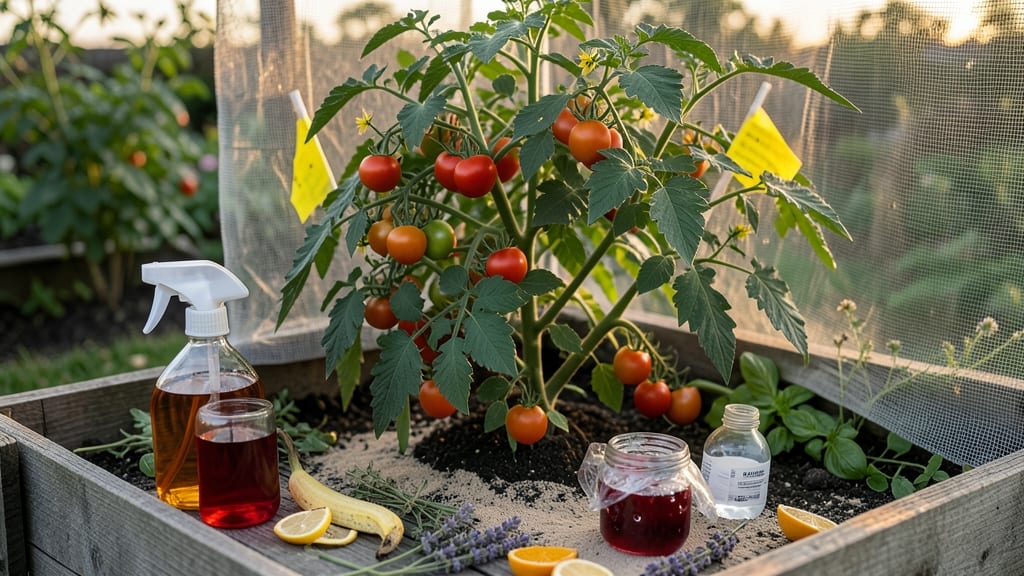
How to keep fruit flies away from your plants—the swarming menace around your tomatoes or citrus trees? 🌿 I’ve trapped and eliminated entire colonies in under 24 hours using just a jar, vinegar, and a splash of citrus—no chemicals, no fuss. The key is cutting off their food source while luring them into a one-way trap that keeps them from coming back. Start by cleaning up fruit scraps, overripe produce, and spilled juice—these are their buffet. Then set up traps near infested plants: fill a jar with apple cider vinegar, add a few drops of lemon or orange juice, and cover it with plastic wrap pierced with holes. Within hours, they’ll be stuck inside, and your plants will stay fly-free. You’ll notice fewer flies within a day, and your fruit will stay blemish-free. The trap works because it mimics their favorite breeding grounds while trapping them before they lay eggs. For stubborn cases, repeat the process weekly until the problem disappears. This method works for tomatoes, berries, citrus, and even houseplants. No more swatting at flies or tossing ruined fruit—just a simple, effective solution that keeps your garden productive and pest-free.
The hidden lures behind fruit fly attraction
Fruit flies—those tiny, buzzing pests—don’t just appear out of nowhere. They’re drawn to your plants for very specific reasons, often tied to biology, scent, and even your gardening habits.
Understanding these triggers is the first step to outsmarting them. Let’s break down why your green friends are suddenly hosting an uninvited party.
Fruit flies (scientifically known as Drosophila melanogaster) have an incredible sense of smell—up to 100 times more sensitive than humans to volatile organic compounds (VOCs).
When fruit ripens or starts to ferment, it releases ethanol, acetic acid, and esters, which signal to flies that it’s time to lay eggs. Even a single overripe tomato, banana, or citrus peel can become a magnet for swarms.
🔬 Why it matters: A single female fruit fly can lay 500 eggs in her lifetime, and these eggs hatch in just 8–12 hours in warm conditions. If your plants have fallen fruit or bruised spots, you’re essentially running a 24-hour fruit fly breeding ground.
Fruit flies aren’t just picky about fruit—they’re also drawn to sugary sap, rotting leaves, and decomposing organic material. When plants are stressed (due to overwatering, pests, or disease), they produce honeydew, a sticky, sugary substance that attracts flies like a buffet.
Additionally, aphids, mealybugs, or fungal infections can create the perfect conditions for fruit flies to thrive.
💡 Pro tip: Check the undersides of leaves and stems for black sooty mold (a fungus fed by honeydew). This is a major red flag that your plants are unknowingly hosting a fruit fly buffet.
Fruit flies need moisture to survive, and stagnant water—whether in saucers under pots, clogged drainage holes, or damp soil—creates the ideal breeding ground. While adult flies don’t lay eggs in water, they’ll land nearby if they detect fermenting organic matter in damp areas.
Even a half-empty watering can left outside can become a nursery for larvae.
⚠️ Warning: Fruit fly larvae (maggots) burrow into moist soil or decaying plant material, where they feed for 3–5 days before pupating. If you’ve ever seen tiny white worms in your potting mix, that’s a sure sign of an infestation in progress.
Did you know fruit flies are drawn to alcohol fumes? That’s why they’re often found near fermenting fruits, open wine bottles, or even beer spills. In nature, they’re attracted to rotting plant material that’s fermenting, which releases ethanol and other alcohols as byproducts.
If your kitchen or garden has uncovered compost, winemaking equipment, or even a slightly sour fruit smoothie left out, you’ve got a problem.
🧪 Science note: Fruit flies can detect ethanol at concentrations as low as 0.001%. That means even a small spill can send them into a feeding frenzy.
Fruit flies are tropical creatures at heart. They thrive in temperatures between 70–85°F (21–29°C) and high humidity. If your home or greenhouse is warm and damp—especially near plants—they’ll multiply rapidly. That’s why infestations often spike in summer or in kitchens with poor ventilation.
🌡️ Quick check: If your plants are sweating (condensation on leaves) or the air feels sticky, you’re creating the perfect fruit fly paradise.
Once fruit flies find a food source, they don’t just stay—they recruit. Females release pheromones to attract males, and both genders spread eggs and larvae across multiple plants.
Within a week, what started as a small nuisance can turn into a full-blown infestation that ruins your harvest and stresses your plants.
🚨 Key takeaway: The longer you ignore these triggers, the harder it becomes to eliminate them. But now that you know why they’re there, you’re one step closer to kicking them out for good.
Natural Fixes for Fruit Fly Infestations
Fruit flies are pesky intruders that can wreak havoc on your plants, but the good news is that you don’t need harsh chemicals to keep them away. 🌿🚫 Instead, try these effective, plant-friendly solutions tailored to common causes—from overripe produce to poor sanitation.
Below, we’ll map out the problem and the perfect fix, plus share pro tips to prevent future invasions.
Fruit flies are drawn to fermenting sugars, so overripe or decaying fruit is their all-time favorite buffet. Act fast to cut off their food source and lure them away.
🔥 The Classic Vinegar Trap (Works in Hours!)
- Grab supplies: Fill a small bowl or jar with apple cider vinegar (or white vinegar + a drop of dish soap).
- Set the bait: Cover the opening with plastic wrap, then poke small holes in it.
Fruit flies will fly in but won’t escape! 3. Place strategically: Put traps near infested plants or fruit bowls. Replace every 2–3 days for maximum effectiveness. 4. Dispose properly: Dump the trap (and flies) far from your home or garden to avoid re-infestation.
💡 Pro Tip: Add a few drops of citrus peel or vanilla extract to the vinegar—fruit flies love the scent, making it an irresistible trap!
Moist, organic-rich soil is a fruit fly paradise. If your plants are sitting in soggy conditions, flies will lay eggs in the dampness, leading to a cycle of infestation.
👨🍳 Fix It in 3 Steps
- Remove debris: Clear away fallen leaves, dead plant matter, and mulch from around your plants. Compost these away from your garden to prevent flies from returning.
- Improve drainage: Ensure pots have drainage holes and outdoor beds aren’t waterlogged. Avoid overwatering—let the top inch of soil dry out between waterings.
- Apply diatomaceous earth (DE): Sprinkle food-grade DE around the base of plants. This natural powder dehydrates flies on contact without harming plants.
✨ Bonus Hack: Mix 1 part hydrogen peroxide (3%) with 4 parts water and lightly spray the soil. The oxygen bubbles disrupt fly larvae while keeping roots healthy.
Fruit flies thrive in dirty environments, whether it’s a cluttered kitchen counter or a neglected garden corner. Break their cycle with these simple habits.
🧹 Deep-Clean Checklist
| Area | Action | Frequency |
|---|---|---|
| Fruit bowls | Store produce in the fridge or seal in airtight containers. | Daily |
| Trash cans | Use lids and take out trash frequently (especially organic waste). | Every 2–3 days |
| Plant pots | Wipe down leaves with a vinegar-water spray (1:1 ratio). | Weekly |
| Drainage areas | Pour boiling water down sinks/drains to kill larvae. | Monthly |
🎯 Prevention Power Move: Keep a small fan near fruit bowls or plants. Flies hate moving air—it disrupts their flight patterns and keeps them away.
If your plants are already hosting fruit flies, isolate them while you treat the soil and leaves.
🔪 Emergency Treatment Plan
- Quarantine: Move infested plants outside (if possible) or to a sealed greenhouse to prevent spread.
- Wipe leaves: Use a soapy water spray (1 tsp mild soap per quart of water) to remove eggs and adults.
- Soil treatment: - For potted plants: Repot with sterilized soil and fresh pots. - For garden beds: Mix 1 tbsp neem oil per gallon of water and spray the soil (reapply weekly).
- Reintroduce beneficial insects: Ladybugs and parasitic wasps (like Pachycrepoideus vindemmiae) eat fruit fly larvae—order them online or find them at garden centers.
🌡️ Heat Shock Method (For Small Infestations): Place potted plants in a sunny spot for a few hours—fruit flies cannot survive above 90°F (32°C). Repeat daily until the infestation clears.
Once you’ve kicked the fruit flies out, keep them from coming back with these low-effort habits:
- 🍎 Store fruit properly: Keep citrus, berries, and tomatoes refrigerated or in sealed containers.
- 🌿 Prune regularly: Remove dead leaves and flowers to eliminate hiding spots.
- 🕯️ Use essential oils: Place a few drops of lemongrass, eucalyptus, or lavender oil on cotton balls near plants—flies avoid these scents.
- 🐝 Encourage predators: Plant basil, mint, or marigolds—their strong scents repel flies and attract beneficial insects.
Final Thought: Fruit flies may be tiny, but they’re easy to outsmart with the right tactics. Start with traps and cleanups, then prevent future invasions with smart habits. Your plants (and your sanity) will thank you! 🌱💚
Frequently asked questions
Why do fruit flies keep coming back even after I've set traps?
Fruit flies return when their food sources remain available. Check for overripe fruit, spilled juice, or rotting plant matter—they’re still attracting new flies. Also, empty traps too late or dispose of them near your home, and they’ll just re-infest. Replace traps every 2-3 days and clean up organic debris immediately.
Can I use fruit fly traps indoors and outdoors safely?
Yes! The vinegar traps are completely safe for both indoor and outdoor use. For outdoor plants, place traps near the base of affected plants. Indoors, keep them away from food prep areas. Just ensure pets (especially curious cats) can’t knock them over—vinegar isn't toxic but can cause stomach upset if ingested.
How long does it take to eliminate a fruit fly infestation completely?
With consistent trapping and sanitation, you’ll see a noticeable reduction within 24-48 hours. For complete elimination, dedicate 1-2 weeks of daily trap maintenance and cleanup. The timeline depends on how many flies are present and whether you’ve addressed all breeding sites.
Will these methods work for other types of flies like gnats?
Most methods work for both fruit flies and fungus gnats, but with slight adjustments. For gnats, focus on damp soil—let it dry between waterings and use hydrogen peroxide sprays. Fruit flies prefer fermenting fruit, so vinegar traps remain most effective. The key is identifying which type you're dealing with first.
Can I reuse the same vinegar trap solution?
No, you should never reuse vinegar trap solutions. The moment you see flies inside, the bait loses effectiveness. Fresh vinegar attracts new flies better, and old solutions may contain fly eggs or larvae. Always dump and refresh your traps every 2-3 days for best results.