
Plants
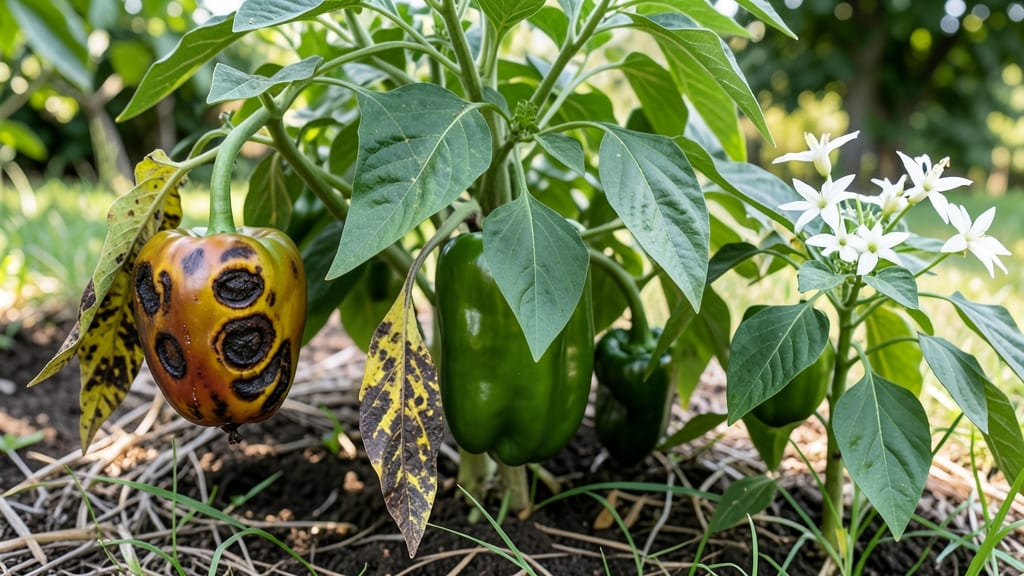
Anthracnose fruit rot of pepper plants turns your peppers into spotted, mushy messes before they ripen. 🌶️ I’ve seen this ugly fungus ruin entire harvests—and the good news is, you can stop it in its tracks with three simple steps that actually work, not just vague advice.
The problem starts with wet leaves and poor airflow, but most gardeners miss the early signs: tiny dark spots that spread like ink in water. Once you recognize those classic symptoms—raised, sunken lesions on fruit or stems—you’ve got a window to act before the fungus takes over.
By the end of this, you’ll have a foolproof plan to save existing peppers and protect next year’s crop. No complicated chemistry—just smart spacing, cleanup, and a few targeted treatments that don’t require a degree in plant pathology.
Here’s where it gets interesting: the same tricks work for tomatoes too, and I’ll show you how to spot the difference between anthracnose and other rot diseases that look suspiciously similar.
The Hidden Triggers Behind Pepper Rot
Anthracnose fruit rot isn’t just a random strike—it’s the result of a perfect storm of conditions that favor the Colletotrichum fungus. Understanding these triggers is your first line of defense. Below, we break down the key factors that turn your healthy pepper plants into a fungal buffet.
The Colletotrichum fungus thrives when temperatures hover between 77°F and 86°F (25°C–30°C) and humidity stays high—think of it as the fungus’s ideal tropical vacation. Here’s why:
- Moisture on leaves and fruit: Rain, dew, or overhead irrigation creates a film of water, giving fungal spores a highway to invade wounds or natural openings (like stomata) in pepper skin.
- Slow drying time: Tightly packed pepper leaves or dense canopies trap humidity, preventing surfaces from drying quickly—a critical step in stopping spore germination.
- Stress from heat: While the fungus loves warmth, extreme heat (above 95°F/35°C) can stress plants, weakening their defenses and making them more susceptible to infection.
Actionable tip: Monitor your local weather forecasts and adjust watering schedules to avoid evening sessions. If rain is forecasted, consider preventative fungicides (like copper-based sprays) 24–48 hours ahead.
The fungus doesn’t just attack healthy peppers—it exploits weaknesses. Common stress factors include:
| Type of Stress | How It Helps the Fungus |
|---|---|
| Physical damage | Hail, wind, or even rough handling during harvest creates entry points for spores. Example: A bruised pepper is 5x more likely to rot. |
| Nutrient deficiencies | Low calcium or potassium weakens cell walls, making fruit more vulnerable. Symptom: Blossom-end rot or stunted growth. |
| Overwatering or poor drainage | Root stress from soggy soil reduces the plant’s ability to fight off pathogens. Red flag: Yellowing leaves or wilting despite moist soil. |
| Pests (like aphids or thrips) | Insect damage breaks the skin, and their honeydew (sugary residue) feeds secondary fungi, including Colletotrichum. |
Pro tip: 💡 Use row covers during storms to protect fruit, and apply kaolin clay to create a protective barrier against pests and physical damage.
Fungal spores can lurk in the soil for years, waiting for the right conditions to activate. Here’s how contamination happens:
- Old crop residue: Infected pepper debris left in the soil releases spores during the next growing season. Example: Tilling in diseased plants without sterilizing the soil.
- Reused tools: Pruners, trellises, or stakes contaminated with spores can transfer the fungus to healthy plants. Stat: 30% of garden tool-related spread happens this way.
- Compost from infected plants: Unless compost reaches 140°F (60°C) for 3+ days, spores survive and reinfect new plants.
Critical step: ✨ Before planting, solarize the soil (cover with clear plastic for 4–6 weeks in hot weather) or use fumigation (for severe cases). Disinfect tools with 70% isopropyl alcohol or a 10% bleach solution.
Pepper plants with less than 18 inches (45 cm) of spacing create a microclimate where air doesn’t circulate, trapping moisture and spores. Here’s the breakdown:
- Reduced airflow: Stagnant air keeps humidity near 100%, perfect for spore germination.
- Shaded fruit: Peppers in the lower canopy dry slower, staying wet longer—ideal for fungal growth.
- Splashback during watering: Overhead irrigation splashes spores from soil onto leaves and fruit.
Fix it fast: 🌡️ Thin plants to 24–36 inches apart and use drip irrigation to keep foliage dry. If space is limited, prune lower leaves to improve airflow.
Anthracnose doesn’t just disappear after harvest—it persists. Here’s how:
- Dormant spores: The fungus can survive in mummified fruit on the plant or in the soil for up to 3 years.
- Alternate hosts: Weeds like black nightshade or other solanaceous plants (tomatoes, eggplants) can harbor the fungus and reinfect peppers.
- Seed transmission: While rare, spores can cling to seeds, starting new infections in the next planting.
Break the cycle: 🎯 Remove all infected plant material (burn or bag it), rotate crops (avoid planting peppers in the same spot for 3+ years), and test soil for fungal load before replanting.
How to Treat and Prevent Pepper Rot
Now that you understand the causes behind anthracnose fruit rot, let’s tackle the problem head-on with practical, step-by-step solutions. Whether you’re dealing with an active outbreak or want to prevent future infections, these strategies will help you protect your pepper plants and keep your harvest healthy.
The first line of defense is containment. Anthracnose spreads quickly, so act fast to stop it in its tracks.
- 🔪 Prune infected leaves and fruit immediately – Use clean, sharp pruners to avoid spreading spores to healthy parts of the plant. - 🗑️ Dispose of infected material properly – Don’t compost diseased plant debris.
Instead, seal it in a plastic bag and throw it in the trash (or burn it if possible). - 🌿 Isolate affected plants – If only a few plants are infected, move them away from healthy ones to prevent cross-contamination.
Pro Tip: 💡 Work during dry conditions to minimize spore dispersal. Avoid pruning when leaves are wet, as spores can splash onto nearby plants.
Anthracnose thrives in humid, stagnant conditions, so optimizing your garden’s environment is key.
- 🌬️ Space plants properly – Overcrowding traps moisture.
Follow recommended spacing for your pepper variety (usually 18–24 inches apart). - 🌿 Thin out foliage – Remove excess leaves to allow sunlight and air to circulate around the plant. - 💧 Water at the base, not overhead – Use drip irrigation or soaker hoses to keep leaves dry.
Water in the early morning so foliage has time to dry before evening. - 🌡️ Avoid mulching too close to stems – Keep mulch 2–3 inches away from the base of plants to prevent moisture buildup.
Pro Tip: ✨ Use a fan in greenhouses or shaded areas to improve airflow and reduce humidity.
If your plants are already infected, fungicides can help control the spread. Choose copper-based or organic fungicides for best results.
- 🍄 Preventative sprays – Apply copper fungicide (like copper sulfate or copper hydroxide) every 7–10 days during wet seasons.
- 🌿 Organic options – Try neem oil (mix 1 tbsp per quart of water with a drop of soap) or baking soda spray (1 tbsp baking soda + 1 tsp oil + 1 gallon water).
- 🔄 Rotate treatments – If using chemical fungicides, alternate between different active ingredients to prevent resistance.
Pro Tip: 🌡️ Spray in the evening when temperatures are cooler to reduce stress on plants.
Healthy plants fight disease better! Boost your peppers’ natural defenses with these preventative care tips.
- 💪 Fertilize properly – Use a balanced fertilizer (10-10-10 or 5-5-5) to avoid nitrogen overload, which weakens plants.
- 🍅 Choose resistant varieties – Some pepper types (like ‘Carmen’ or ‘Aristotle’) are bred for disease resistance.
- 🌱 Practice crop rotation – Avoid planting peppers (or other nightshades) in the same spot year after year.
- 🌿 Solarize soil (for severe cases) – In hot climates, cover infected soil with clear plastic for 4–6 weeks to kill fungal spores.
Pro Tip: 🎯 Test your soil to ensure proper pH (peppers prefer 6.0–6.8). Extreme pH levels weaken plants and make them more susceptible to disease.
To keep anthracnose from returning next season, follow this year-round prevention plan:
| Season | Action | Why It Works |
|---|---|---|
| Fall/Winter | Clean up all plant debris | Removes overwintering spores |
| Spring | Sterilize tools & containers | Prevents cross-contamination |
| Growing Season | Monitor humidity & airflow | Reduces ideal fungal conditions |
| Harvest Time | Inspect fruit for early signs | Catches problems before they spread |
By combining removal, environmental control, fungicides, and plant care, you can stop anthracnose in its tracks and protect your pepper harvest. Stay proactive, and your plants will thank you with healthy, rot-free fruit! 🌶️💚
Frequently asked questions
What do early signs of anthracnose look like on pepper plants?
Start with tiny, dark brown or black spots—often sunken—that appear on fruit, stems, or leaves. These spots may have a slightly raised edge and can spread rapidly, especially in wet conditions. Check the undersides of leaves first, as spores often gather there before spreading.
Can I still harvest peppers with anthracnose?
Yes, but only if the spots are small and haven't spread. Remove any infected fruit immediately and use it right away (don't store). For severe cases, destroy the fruit to prevent further spread—it's better than risking contamination of your entire crop.
How often should I apply fungicide for prevention?
Apply copper-based or organic fungicides every 7–10 days during rainy seasons or when humidity is high. For organic options like neem oil, reapply every 5–7 days—consistency is key to preventing spore germination. Always follow label instructions for dosage.
Will anthracnose affect my next year's pepper crop?
Yes, if you don't clean up properly. The fungus can survive in infected plant debris for up to 3 years. Remove all plant material, sterilize tools, and rotate crops—avoid planting peppers in the same spot for at least 3 years. Solarizing soil can also help eliminate dormant spores.
Can I use the same fungicide treatment for tomatoes too?
Yes, anthracnose affects both peppers and tomatoes, and the same copper-based or organic fungicides work for both. However, rotate treatments to prevent resistance. Just be sure to follow the specific spacing and care guidelines for each plant type to reduce disease risk.