
How To
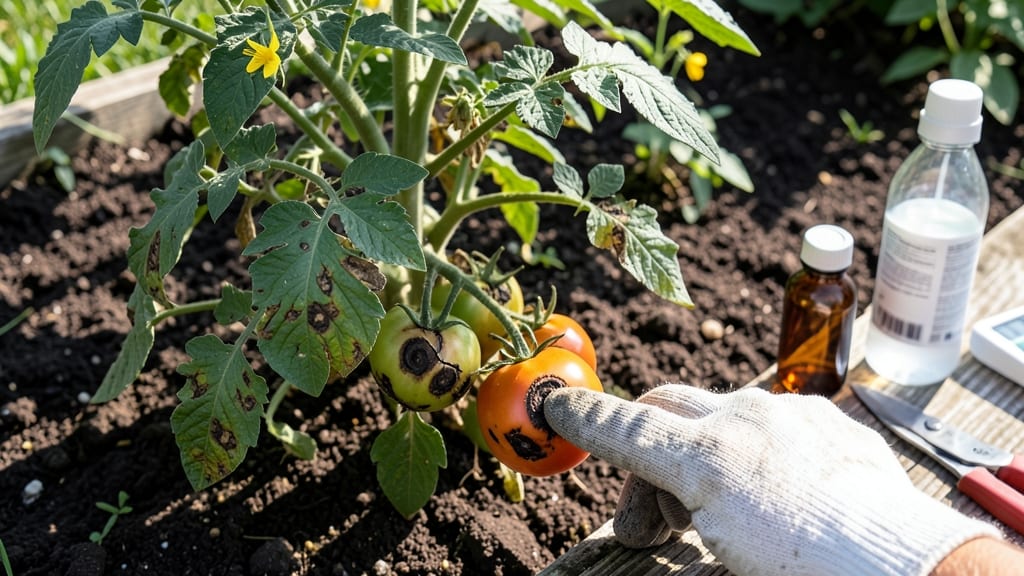
Anthracnose fruit rot turns your tomatoes into shriveled, blackened messes faster than you can say "harvest." 🌱 I’ve seen this fungus wipe out entire plants in weeks—until I learned the fast fixes that actually work.
The good news? You can stop it in its tracks and even salvage some fruit if you act quickly.
This isn’t just about spraying something random—it’s about understanding the fungus’s weak spots. Wet leaves, warm nights, and crowded plants create the perfect storm.
My garden went from 50% rot to near-perfect tomatoes in one season by making just three key changes: spacing plants wider, watering at the base, and adding a copper fungicide spray at the first sign of trouble.
You’ll start seeing results within 7-10 days of treatment: new growth stays clean, existing fruit firms up, and the black spots stop spreading. The best part? These methods work for heirlooms, cherry tomatoes, and even those $30 hybrid plants you’re afraid to kill.
Whether you’re dealing with a single blighted tomato or a full-blown outbreak, the solution is simpler than you think. Let’s get those plants back to producing beautiful, rot-free fruit in no time.
Root Causes Of Tomato Rot
Anthracnose fruit rot in tomatoes isn’t just a random bad luck scenario—it’s a perfect storm of environmental and biological factors working together. Understanding these causes is the first step to stopping the rot before it ruins your harvest.
Let’s break down the real reasons this fungal menace thrives—and how to disrupt its game plan.
Fungi like Colletotrichum (the culprit behind anthracnose) are water-loving opportunists. When tomatoes are exposed to prolonged moisture—whether from rain, overhead irrigation, or high humidity—the fungal spores germinate and infect through wounds, cracks, or even healthy skin.
- Why it happens: Moisture softens the tomato’s cuticle, making it easier for spores to penetrate. Humidity above 75% creates the ideal breeding ground for fungal growth.
- Key triggers:
- Frequent rain or drizzle during tomato ripening (especially in late summer).
- Overhead watering (splashing soil onto fruit).
- Poor air circulation in dense plantings or greenhouses.
- Actionable insight: Anthracnose loves wet tomatoes. If you’ve ever seen dark, sunken lesions after a rainy spell, that’s your fungus making its move.
Tomatoes aren’t built for rough handling—and neither are their defenses against anthracnose. Even minor injuries (like hail, bird pecks, or rough harvesting) create entry points for Colletotrichum spores already lurking in the environment.
- Why it happens: Damaged cells release sugars and nutrients, which signal the fungus to feast. The fungus then forms appressoria (tiny suction-cup-like structures) to breach the tomato’s skin.
- Common damage sources:
- Mechanical harm (e.g., vibrating harvesters, overpacking in crates).
- Insect bites (e.g., fruit flies, hornworms).
- Sun scald or sunscald cracks (which weaken the skin).
- Pro tip: 💡 Handle tomatoes with care—especially ripe ones. Even a small nick can turn into a full-blown infection if spores are present.
Anthracnose doesn’t strike randomly—it waits for the perfect moment. The fungus often latently infects green tomatoes (without visible symptoms) and only activates when the fruit starts ripening (thanks to ethylene gas and softening tissues).
- Why it happens:
- Warm, humid conditions (70–85°F) speed up fungal growth post-infection.
- Ethylene production during ripening triggers quiescent spores to wake up and colonize.
- Slow ripening (e.g., cool nights) can delay symptom appearance but doesn’t prevent infection.
- Critical window: Anthracnose loves ripe or nearly ripe tomatoes. If spores infect a green tomato, they’ll lie dormant until redness kicks in—then _BAM_, rot.
- Actionable fix: 🌡️ Monitor temperature and humidity during ripening. Avoid storing tomatoes in unventilated, warm spaces (like closed crates in greenhouses).
Fungal spores are everywhere—especially in soil, old plant matter, and even seedling trays. If your garden is a spore buffet, your tomatoes are at high risk.
- Why it happens:
- Infected plant debris (e.g., fallen leaves, rotting fruit) releases spores year-round.
- Poor soil drainage or compacted soil traps moisture, giving spores a permanent home.
- Reusing containers or tools without sterilization spreads spores to new plants.
- Hidden hotspots:
- Compost piles with tomato scraps.
- Weeds harboring fungal spores.
- Old mulch or straw contaminated from previous crops.
- Prevention tip: ✨ Rotate crops and sterilize tools/soil between plantings. If anthracnose was bad last year, don’t plant tomatoes or peppers in the same spot for at least 3 years.
Stressed tomatoes are fungus magnets. When plants struggle—due to nutrient deficiencies, disease, or poor growing conditions—their natural resistance weakens, making them easy targets.
- Why it happens:
- Nitrogen deficiency reduces cell wall strength, making fruit more susceptible to infection.
- Other diseases (e.g., early blight, powdery mildew) open doors for anthracnose.
- Drought stress or overwatering disrupts nutrient uptake, leaving tomatoes vulnerable.
- Red flags:
- Yellowing leaves (nitrogen deficiency).
- Stunted growth or wilting.
- Previous fungal infections on stems or leaves.
- Boost defenses: 💪 Feed tomatoes regularly with balanced fertilizer (high in potassium) and ensure consistent moisture (not soggy soil). Healthy plants = stronger disease resistance.
How to Fix Fungal Tomato Damage
Fungal infections like anthracnose fruit rot can feel like a nightmare for gardeners, but the good news? You can reverse the damage and prevent future outbreaks with the right steps. Below, we break down targeted fixes based on the root causes—so you can act fast and protect your tomato harvest.
If you spot dark, sunken lesions or mushy rot on tomatoes, don’t hesitate—remove and destroy the affected fruit (and leaves/stems if infected).
Why? - Fungal spores spread through water, wind, and tools. - Composting infected plants can reintroduce the fungus—burn or trash them instead. - Prune healthy tissue ½ inch below visible damage to prevent further spread.
Pro Tip: 💡 Wear gloves and sanitize pruners with 70% isopropyl alcohol between cuts to avoid cross-contamination.
Anthracnose thrives in wet conditions, so control moisture like a pro:
- Water at the base (not overhead) to keep foliage dry.
- Use drip irrigation or soaker hoses—avoid sprinklers after 10 AM.
- Space plants 18–24 inches apart for better airflow (fungus hates circulation!).
- Mulch with straw or wood chips (2–3 inches deep) to reduce soil splashing onto fruit.
Pro Tip: ⏰ Water early in the day (before 9 AM) so foliage dries by evening—nighttime moisture is a fungus party invitation.
If prevention isn’t enough, act fast with these effective treatments:
| Method | How to Use | Best For |
|---|---|---|
| Copper Fungicide | Spray weekly (mix 1 tbsp copper sulfate per gallon of water). | Organic gardens, early infection |
| Neem Oil | Mix 1 tbsp neem oil + 1 tsp mild soap per quart of water. Spray every 7–10 days. | Prevention & mild cases |
| Potassium Bicarbonate | Dissolve 1 tbsp baking soda + 1 tsp oil + 1 gallon water. Spray every 2 weeks. | Eco-friendly, non-toxic |
| Synthetic Fungicides | Chlorothalonil (Bravo) or Propiconazole—follow label rates. | Severe outbreaks (last resort) |
Pro Tip: 🌡️ Apply fungicides when temps are below 90°F—heat reduces their effectiveness.
A strong tomato plant fights off fungi better. Feed it right!
- Balanced fertilizer (10-10-10) at planting, then switch to low-nitrogen (5-10-10) when flowers appear.
- Side-dress with compost mid-season for steady nutrients.
- Avoid over-fertilizing with nitrogen—it encourages weak, lush growth (fungus’ favorite snack).
Pro Tip: ✨ Interplant with marigolds or basil—they repel pests that weaken tomato plants.
- Choose resistant varieties like ‘Mountain Merit’, ‘Celebrity’, or ‘Defiant PhR’ (bred to fight anthracnose).
- Rotate crops—don’t plant tomatoes in the same spot yearly (fungus lingers in soil).
- Raise beds or use containers if your garden has poor drainage.
- Harvest early—pick tomatoes before they ripen on the vine if fungus is spreading.
If 50%+ of your crop is rotting, take drastic but effective action: 1. Stop watering immediately for 3–5 days to dry out the plant.
- Spray with a mix of: - 1 tbsp hydrogen peroxide (3%) + 1 quart water (disinfects). - OR 1 tbsp baking soda + 1 tsp dish soap + 1 gallon water (fungicidal).
- Cover plants with row fabric (like Agribon) for 2–3 days to block spores while they dry.
- Monitor daily—if new lesions appear, repeat fungicide treatment.
Pro Tip: 🎯 Sacrifice the worst plants if saving them risks the whole garden—sometimes cutting losses is the fastest fix.
✅ Start with clean soil—add compost + mycorrhizal fungi to boost immunity. ✅ Sterilize tools between uses (bleach or alcohol). ✅ Avoid overhead watering (use drip systems). ✅ Pick tomatoes frequently—don’t let them overripe on the vine. ✅ Rotate crops—wait 3 years before replanting tomatoes in the same spot.
By acting fast and adjusting your care routine, you can save your tomatoes and keep anthracnose from returning. Healthy plants + smart habits = no more rotten harvests! 🍅💪
Frequently asked questions
How can I tell if my tomatoes have anthracnose fruit rot vs. blight?
Anthracnose shows as dark, sunken lesions that often have concentric rings (like bullseyes) and ooze pinkish spores when wet. Early blight, by contrast, creates brown spots with yellow halos on leaves and target-shaped lesions on stems. Check the fruit first—if it's mushy and black with no leaf symptoms, it's likely anthracnose.
Is it safe to eat tomatoes with anthracnose?
Only eat the healthy portions of tomatoes with small, superficial lesions. Cut out all blackened, sunken areas and at least ½ inch of surrounding tissue. Ripe fruit with deep rot should be discarded—fungal toxins can develop in damaged areas. For severe cases, compost the whole tomato (but not in your garden—use municipal composting instead).
Will my tomato plants recover if I treat anthracnose early?
Yes! With immediate action (removing infected fruit, improving airflow, and applying fungicide), new growth will stay clean within 7-10 days. However, existing infected fruit won't recover—focus on saving future tomatoes. Healthy plants can bounce back fully if you stop watering overhead and prune crowded foliage to improve drying.
Can I use household items like vinegar to treat anthracnose?
Neat white vinegar is too harsh, but a diluted solution (1 tbsp apple cider vinegar + 1 tsp baking soda + 1 gallon water) can help as a preventive spray—not a cure. For active infections, use copper fungicide or neem oil instead. The key is reducing moisture first—vinegar alone won't stop established fungal growth. Test on a few leaves first to avoid burning plants.
How long does anthracnose fungus survive in my garden?
Fungal spores can remain dormant in soil for 2-3 years, especially in organic matter. That's why crop rotation is critical—avoid planting tomatoes or peppers in the same spot for at least 3 years. Sterilize tools between uses and remove all infected plant debris. Even "clean" soil can harbor spores, so start fresh with new planting beds if anthracnose was severe.