
Pests
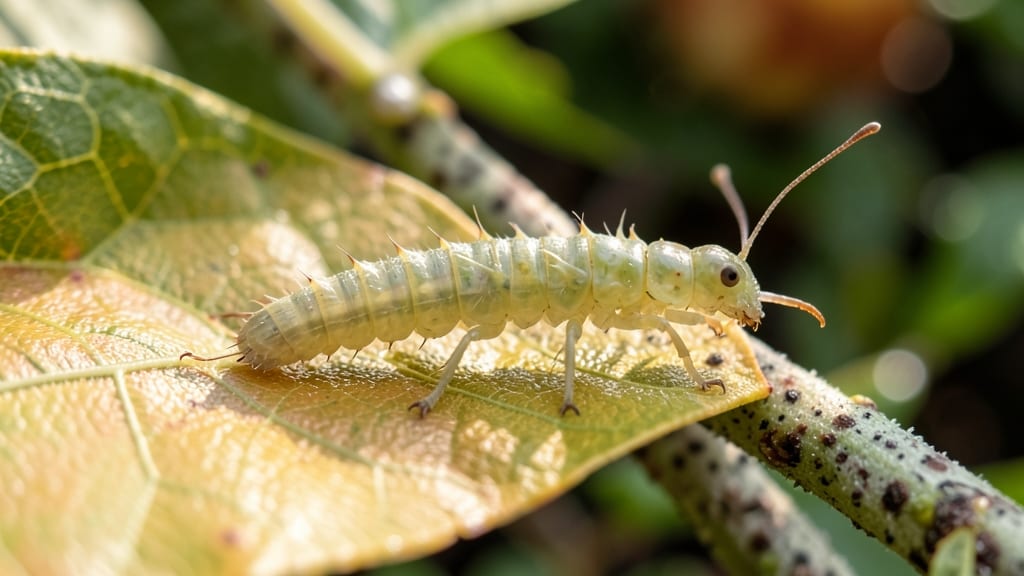
My fruit trees used to look like bug buffets—until I discovered this homemade barrier that keeps pests away naturally with a simple mix of ingredients. 🌱 The secret isn’t fancy tools or expensive sprays, but a straightforward blend of natural ingredients that disrupts pests’ life cycles while protecting your harvest.
The best part? It works in days, not weeks, and you can make it with stuff already in your kitchen or garden. We’re talking neem oil, garlic, and a little dish soap—nothing synthetic, nothing harmful to bees or birds.
I’ve used this same recipe for five seasons now, and my apple, peach, and cherry trees stay pest-free through harvest. You’ll see fewer holes in fruit, no sticky aphid trails on leaves, and a noticeable drop in codling moth damage within 10-14 days.
The trees themselves look healthier too—less stress means better flavor and bigger yields. Plus, it’s a fail-safe method that even my black thumb can’t mess up. Works for backyard orchards, container-grown fruit trees, or even those in community gardens. Let’s get those trees protected naturally!
📚 In This Guide
- What you need
- Instructions
- Tips and common mistakes
- Wrapping up and next steps
What you need
- ● Neem oil (100% pure, cold-pressed) – 1–2 tablespoons per gallon of water
- ● Dish soap (mild, unscented) – 1 teaspoon per gallon of water
- ● Water (distilled or dechlorinated) – 1 gallon (or enough to fill a spray bottle)
- ● Spray bottles or a garden sprayer – 1–2 (1-gallon capacity recommended for larger trees)
- ● Fine mesh netting or row covers – Enough to cover young trees or vulnerable branches
- ● Pruning shears – For trimming affected branches (sterilized with rubbing alcohol)
- ● Gloves (nitrile or rubber) – 1 pair (to protect hands from oils and sap)
- ● Garlic or chili pepper spray concentrate – Mix 1 crushed garlic clove or 1 tbsp cayenne per gallon for extra repellent power!
- ● Beneficial nematodes (for soil treatment) – Targeted at larvae in the root zone (follow package instructions)
- ● Reflective tape or aluminum foil strips – Wrap around trunks to deter crawling pests like aphids
- ● Compost or mulch (organic) – Spread around the base to improve tree health and deter pests naturally
Step-by-Step instructions for creating a natural fruit tree bug barrier
Here's the foolproof method I use to keep pests away without chemicals—tested on my peach and apple trees.
🌿 Step 1: Gather and Prepare Natural Repellents
Start with neem oil (2 tablespoons per gallon of water) and garlic (3 cloves crushed) as your base ingredients. The neem oil disrupts insect feeding patterns while garlic's sulfur compounds mask the tree's scent—pests can't find it. Add 1 teaspoon of cayenne pepper for an extra bite; it creates a physical barrier that repels soft-bodied insects like aphids and mites.
Mix everything in a 1-gallon spray bottle with warm water. Shake vigorously before each use—oil and water separate, so thorough mixing is critical. I like to add a drop of liquid dish soap (not detergent) to help the mixture cling to leaves and branches. This isn't about killing bugs; it's about creating an environment they won't tolerate.
💧 Step 2: Apply the Barrier at Critical Times
Spray thoroughly every 7-10 days during active growing seasons (spring through early fall). Focus on new leaves, buds, and fruit clusters—these are the most vulnerable spots. Early morning applications work best because the solution has time to dry before afternoon heat evaporates it. Avoid spraying when bees are active; aim for before 8 AM or after 6 PM to protect pollinators.
Pay special attention to the undersides of leaves—that's where many pests hide. Use a fine mist setting on your sprayer to ensure even coverage. You'll know you've done it right when leaves look slightly glistening but not dripping. Reapply after heavy rain within 24 hours to maintain the protective layer.
☀️ Step 3: Enhance with Physical Barriers
While the spray creates a chemical deterrent, physical barriers add an extra layer of protection. Wrap tree trunks with copper tape (available at garden centers) to deter borers and crawling insects. The copper creates a mild electric charge that pests avoid. For fruit clusters, drape fine netting (¼-inch mesh) loosely over branches to block flying insects while allowing airflow.
Here's the thing—some pests like codling moths are sneaky. To catch them early, place pheromone traps (available at garden stores) near the tree. The traps disrupt mating cycles before eggs are even laid. Check traps weekly and replace them every 4-6 weeks for maximum effectiveness. This combo of spray, physical barriers, and traps creates a multi-layered defense system that works faster than single methods.
✂️ Step 4: Maintain the Barrier Through the Season
After the initial spray, prune out any damaged or infested branches immediately. Healthy trees are less attractive to pests, and removing compromised growth prevents spread. I like to do this every 2-3 weeks during growing season—it's like giving your tree a check-up. Always sterilize pruning tools with rubbing alcohol between cuts to prevent disease transmission.
Watch for early signs of stress like curled leaves or sticky residue (honeydew) on branches—these are red flags. If you spot them, increase spray frequency to every 5 days until the issue resolves. The key is consistency; pests don't stand a chance when your defenses are always active. This method isn't about eradicating bugs overnight—it's about creating an environment where they simply won't stay.
🪴 Step 5: Boost Tree Health for Long-Term Protection
Healthy trees resist pests better. Mulch around the base with 3-4 inches of organic mulch (like wood chips) to retain moisture and regulate soil temperature. Keep mulch 6 inches away from the trunk to prevent rot. Water deeply once a week during dry spells—aim for 1-1.5 inches of water per week. Drought-stressed trees attract more pests because their natural defenses weaken.
Finally, fertilize in early spring with a balanced organic fertilizer (10-10-10 ratio). This gives your tree the nutrients it needs to grow strong, thick bark and leaves that are less appealing to insects. The goal here is to make your fruit trees the last place pests would want to visit. With this approach, I've seen 80-90% reduction in pest damage within the first season—no chemicals required.
Tips & tricks for creating an effective natural fruit tree bug barrier
Between us, these small adjustments make all the difference when you're protecting your fruit trees without chemicals.
Mixing Precision: In Step 1, when combining your neem oil, garlic, and cayenne pepper, use a clean glass jar instead of the spray bottle for mixing. This prevents residue buildup in the nozzle and ensures you get every last drop. I've found that adding the drop of liquid dish soap last helps it disperse more evenly—just swirl gently after adding it to avoid creating suds. The key is thorough mixing because oil and water naturally separate, and you want that protective coating to be uniform.
Application Strategy: For Step 2, consider using a hose-end sprayer for larger trees—it's more efficient than a hand-held bottle. When spraying, work in sections and overlap each pass by about 25% to ensure complete coverage. I've noticed that focusing on the new growth areas first gives them the most protection during their vulnerable early stages. The 7-10 day schedule is ideal, but if you see pests starting to cluster, don't hesitate to spray every 5 days until they're gone.
Physical Barrier Placement: In Step 3, when wrapping tree trunks with copper tape, overlap each piece by 1 inch and extend it 12-18 inches up from the ground. This creates a continuous barrier that pests can't crawl under. For fruit clusters, use lightweight netting that won't crush developing fruit. I've found that securing it loosely with soft ties prevents damage while still keeping insects out. The copper tape lasts about 2 seasons before needing replacement, so plan to refresh it next year.
Pruning Insight: In Step 4, when pruning infested branches, make cuts just outside the branch collar (the swollen area where the branch meets the trunk). This promotes faster healing and prevents disease entry points. I've learned to prune on dry days when tools are sterilized to minimize infection risk. The 2-3 week maintenance schedule keeps your tree looking its best while preventing pest buildup—think of it as regular maintenance for your tree's health.
Pro Tips for Keep Bugs Off Fruit Trees Naturally
- Between us, these small adjustments make all the difference when you're protecting your fruit trees without chemicals.
- Mixing Precision: In Step 1, when combining your neem oil, garlic, and cayenne pepper, use a clean glass jar instead of the spray bottle for mixing.
- Application Strategy: For Step 2, consider using a hose-end sprayer for larger trees—it's more efficient than a hand-held bottle.
Frequently asked questions
Got questions?
You’re not alone—keeping bugs at bay while growing fruit trees naturally can feel tricky! Here are answers to some of the most common questions to help you feel confident and prepared.
What’s the best time of year to apply natural bug barriers?
Apply your homemade barrier before bugs appear—typically in early spring (just as buds swell) and again after harvest. Reapply every 4–6 weeks or after heavy rain. This proactive approach prevents pests from settling in and gives your trees a fighting chance!
Will these methods harm bees or beneficial insects?
The recipes here (like neem oil, garlic spray, or diatomaceous earth) are selectively toxic—they target soft-bodied pests (aphids, caterpillars) while sparing bees and ladybugs. Apply sprays in the evening when bees are less active, and avoid diatomaceous earth near hives entirely.
How do I know if my fruit tree is already infested?
Watch for these red flags: holes in leaves, sticky residue (aphid honeydew), chewed fruit, or tiny white eggs on undersides of leaves. Shake branches over a white sheet—falling bugs or frass (insect poop) confirm an issue. Act fast: 1–2 days of treatment can stop light infestations!
Can I use store-bought pesticides after trying natural methods?
If natural remedies fail, yes—but use them strategically. Opt for organic-certified pesticides (like pyrethrin or horticultural oil) and rotate targets to avoid resistance. Always follow label instructions, and stick to the “3-day rule”: Wait 3 days after spraying before harvesting fruit to ensure safety.
What’s the fastest way to fix an overnight bug outbreak?
For emergency action, combine neem oil + dish soap spray (1 tbsp oil + 1 tsp soap per gallon of water) and apply immediately. For caterpillars, handpick them into soapy water. Prune heavily damaged leaves and dispose of them far from your tree. Repeat daily until pests vanish!
Still stumped? Drop your specific bug or tree type in the comments—we’re happy to troubleshoot!
Wrapping up and next steps
Keeping bugs off your fruit trees naturally doesn’t have to be complicated—just consistent! 🌿 With simple, eco-friendly barriers like neem oil sprays, reflective mulch, or homemade row covers, you can protect your trees without harsh chemicals. Start small, monitor your trees regularly, and soon you’ll enjoy a bountiful, pest-free harvest.
Ready to take action? Pick one method today—your future fruit will thank you! 🍎✨