
Propagation
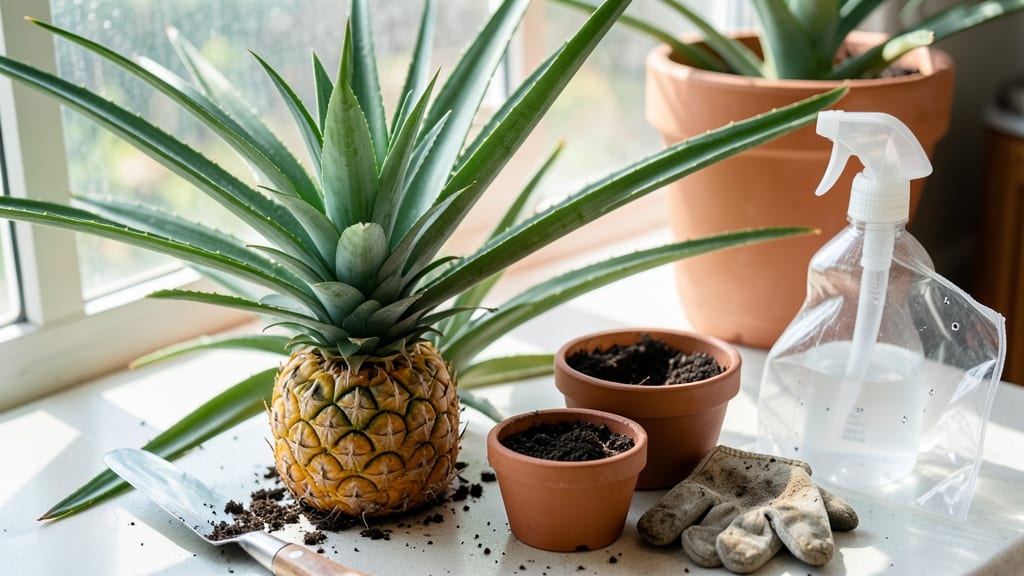
That pineapple crown sitting in your fruit bowl could grow into a tropical plant with bright green leaves and—years down the line—maybe even fruit. 🌱 I’ve turned grocery store scraps into thriving pineapple plants, and the process is simpler than you’d think, though it does require patience (and a warm spot).
The secret starts with the crown: trim it carefully, let it dry, then root it in water or soil. Within weeks, you’ll see roots forming, but don’t rush to transplant—wait until those roots are 2-3 inches long before moving to soil.
Most people skip this step and end up with rot, but taking your time makes all the difference. By summer, your little pineapple will be a foot tall, its leaves reaching for the sun. It’ll need bright light, occasional watering, and a little fertilizer—nothing fancy.
The real magic happens years later, when you might just get a flower spike (and, if you’re lucky, fruit). It’s a long game, but the journey is half the fun.
Even if it never fruits, the plant itself is a striking conversation piece—plus, you’ll always have fresh pineapple to propagate again. Here’s how to get started without killing it in the first try.
📚 In This Guide
- What you need
- Instructions
- Tips and common mistakes
- Wrapping up and next steps
What you need
- ● 1 ripe pineapple – Choose a healthy, organic one with a thick, green crown (the leafy top). Avoid store-bought pineapples treated with anti-sprouting agents.
- ● Sharp kitchen knife or pruning shears – For cleanly removing the crown.
- ● Clean water – Enough to submerge the crown base (about 1–2 inches of water in a container).
- ● Small container or glass – Wide enough to hold the crown upright (e.g., a mason jar or shallow dish).
- ○ Rooting hormone (optional but recommended) – Speeds up root growth (e.g., Rooting Gel or Hydrogen Peroxide (3%) for a DIY alternative).
- ● Well-draining potting mix – A blend of cactus/succulent soil (or regular potting soil mixed with perlite/vermiculite for aeration).
- ● Small pot (4–6 inches in diameter) – With drainage holes to prevent root rot.
- ● Spray bottle – For misting leaves and maintaining humidity.
- ○ Plastic bag or humidity dome – To create a mini greenhouse effect (optional but helpful for tropical climates).
- ● Warmth – Pineapples thrive in 70–85°F (21–29°C) temperatures. Avoid drafts or cold windowsills.
- ● Bright, indirect light – Place near a sunny window or under grow lights (12+ hours of light/day).
- ● Humidity – Aim for 50–70% humidity (use a humidifier or mist regularly in dry climates).
- ● Wear gloves when handling pineapple crowns—they can be prickly!
- ● Sanitize tools with rubbing alcohol to prevent bacterial contamination.
- ● If using hydrogen peroxide, dilute it to 3% concentration (food-grade only).
Step-by-step instructions for growing pineapple from fruit
Here's how I've grown healthy pineapple plants from store-bought fruit every time.
🌱 Step 1: Select and Prepare the Pineapple Crown
Choose a ripe pineapple with a green, leafy crown still attached. The fresher the fruit, the better your chances. Cut off the crown about 1 inch below the base where it meets the fruit, using a clean, sharp knife. You'll want 2-3 inches of leafy growth—this gives your cutting enough energy to root.
Remove any brown or damaged leaves from the base. This prevents rot and ensures clean contact with your rooting medium. Let the crown dry in a warm, shaded spot for 2-3 days until the cut surface calluses over. This step is critical—it prevents rot when you plant the crown.
💧 Step 2: Root the Crown in Water or Soil
For water rooting, place the dried crown in a glass of room-temperature water, ensuring only the base (not the leaves) touches the water. Change the water every 2-3 days to prevent bacterial growth. Roots should appear in 4-6 weeks, but be patient—some take longer. Keep the glass in bright, indirect light.
For soil rooting (faster and more reliable), fill a small pot with well-draining cactus/succulent mix. Make a small hole in the center, place the crown in so that only the base touches the soil, and gently press around it. Water lightly until moisture seeps out the bottom. This method keeps the leaves dry and reduces rot risk.
☀️ Step 3: Encourage Growth and Transplant
Once roots reach 1-2 inches long (for water-rooted) or the crown shows new leaf growth (for soil-rooted), it's ready to transplant. Choose a 6-inch pot with drainage holes and fill it with the same cactus/succulent mix. Gently remove the crown from its current home and plant it 1 inch deep, firming soil around the base.
Place the pot in bright, indirect light for the first week to help it adjust. After that, move it to full sun (6+ hours daily). Water only when the top 1 inch of soil feels dry—pineapples hate soggy roots. You'll see new leaves emerge within 2-3 months, signaling healthy growth.
⏰ Step 4: Maintain and Care for Your Pineapple Plant
Feed your pineapple with a balanced liquid fertilizer (10-10-10) every 2-3 months during spring and summer. Reduce watering in fall and winter—pineapples are drought-tolerant and prefer slightly dry conditions. If your plant grows leggy (stretching toward light), it needs more sun or a smaller pot.
After 18-24 months, your pineapple will produce a flower spike. If you want fruit, leave it on the plant. If you're happy with foliage, you can trim it back. The plant will eventually produce a new crown, which you can propagate again—this is how I've kept my pineapple family going for years.
Tips & tricks for growing pineapple from fruit
Between us, growing your own pineapple from a store-bought crown is one of those rewarding projects that feels like magic. Here's what I've learned after watching my first crown turn into a thriving plant.
Selection Matters: The ripeness of your pineapple makes all the difference. Look for fruit with a vibrant green crown that's still tightly attached—no wilted or brown leaves. The fresher the fruit, the healthier your cutting. I've tried this with pineapples that sat too long in stores, and the crowns just wouldn't take root. That 2-3 inch leafy growth isn't just decoration—it's the energy source your cutting needs to survive the rooting process.
Don't Skip the Drying: That 2-3 day drying period in Step 1 is non-negotiable. I learned this the hard way after my first crown rotted within days of planting. The callusing process creates a protective barrier that prevents rot when you eventually plant. Place your crown in a warm, shaded spot—direct sunlight can scorch the leaves while they're vulnerable. Think of it like letting a paper cut heal before exposing it to water.
Rooting Environment Secrets: For water rooting, I've found that using a clear glass lets you track progress easily—you'll see those first tiny roots appear like little white hairs. The key is keeping only the base submerged; if leaves get wet, they'll rot. For soil rooting, I like using small terracotta pots because they wick away moisture better than plastic. And here's a pro tip: if you're using water rooting, add a few drops of hydrogen peroxide to the water every time you change it—it helps prevent bacterial growth.
Transplanting Transition: When it's time to transplant, handle your crown gently—those new roots are delicate. I like to give the soil a light squeeze around the base to ensure good contact. After transplanting, place the pot in bright indirect light for that first week. This helps the plant adjust without getting sunburned. And remember, pineapples are tropical plants—they love warmth and humidity, so if your home is dry, consider placing the pot on a tray of pebbles with water underneath for added moisture.
Pro Tips for Grow Pineapple From Fruit
- Between us, growing your own pineapple from a store-bought crown is one of those rewarding projects that feels like m...
- Selection Matters: The ripeness of your pineapple makes all the difference. Look for fruit with a vibrant green crown...
- Don't Skip the Drying: That 2-3 day drying period in Step 1 is non-negotiable. I learned this the hard way after my f...
Frequently asked questions
Got questions about growing pineapple from a fruit crown? You’re not alone! Here are some of the most common queries—and their answers—to help you succeed like a pro.
How long does it take for a pineapple crown to grow into a plant?
A pineapple crown typically takes 3–6 months to root and establish itself in soil. Once rooted, it can take 1–2 years to produce a mature pineapple fruit, depending on climate, care, and variety. Patience is key—think of it as a long-term tropical reward!
Can I grow a pineapple indoors? What’s the best setup?
Yes, but it’s tricky! Pineapples thrive in warm, humid conditions (ideal temp: 65–85°F). Use a bright, south-facing window or grow lights, and keep humidity high with a pebble tray or humidifier. A terracotta pot with drainage holes works best. If indoors, expect slower growth—outdoor tropical climates are ideal.
What if my pineapple crown turns yellow or mushy?
Yellowing or mushiness usually signals rot (often from overwatering or poor drainage). Let the soil dry slightly between waterings and ensure the crown isn’t sitting in water. If the base is soft, trim away the bad tissue and replant the healthy part. Prevention tip: Use a well-draining mix (like cactus soil) and a pot with holes!
Can I use a store-bought pineapple crown, or does it need to be organic?
Store-bought crowns work fine! Just rinse off any residue (like wax or pesticides) before planting. Organic isn’t required, but if you’re concerned, opt for a crown from a trusted local grower or a fruit with minimal processing. The key is a healthy, fresh crown with green leaves—no browning or sliminess!
What’s the best time of year to plant a pineapple crown?
Plant your crown when temperatures are consistently warm (above 60°F). In most regions, spring or early summer is ideal. Avoid cold snaps—pineapples hate frost! If you’re in a cooler climate, start indoors and transplant after the last frost date.
What can I do if my pineapple plant isn’t flowering?
Pineapples need stress signals to flower, like ethylene gas (from ripe apples nearby) or temperature shifts. Try placing a ripe apple near the plant for a few days or move it to a slightly cooler spot (55–60°F) at night. Patience helps—some varieties take years to flower!
Wrapping up and next steps
Growing pineapple from fruit is a rewarding journey that turns a simple grocery store purchase into a thriving tropical plant! With just a few supplies—patience and a sunny spot—you can propagate a leafy crown into a sweet, edible pineapple.
Remember, consistency is key: keep your plant happy with the right light, water, and care, and soon you’ll be harvesting your own homegrown fruit.
Ready to take the next step? Share your progress with fellow plant lovers or experiment with other tropical fruits like papaya or guava! 🌱✨