
Size
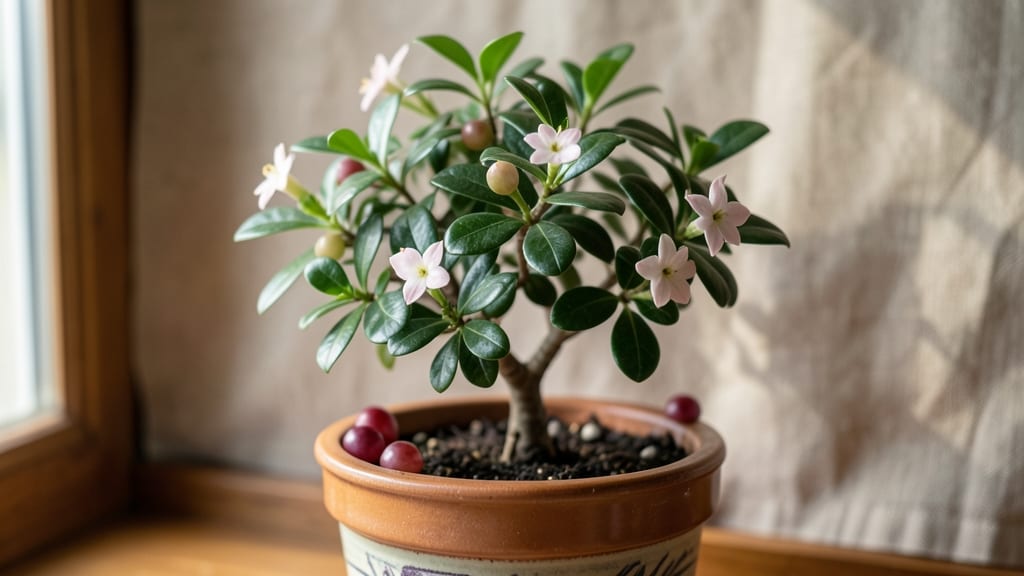
Growing miracle fruit turns your kitchen into a taste-altering experiment. 🌱 This tropical vine (Synsepalum dulcificum) makes sour foods taste sweet—but it’s not easy to grow. I’ve battled humidity struggles, slow germination, and finicky vines, but the payoff of harvesting your own berries is worth it.
You’ll need a warm spot (70-80°F), bright indirect light, and moist, well-draining soil. Start with seeds or cuttings, but be patient—germination can take 4-8 weeks. A humidity tray helps mimic its tropical home, and a trellis keeps the vine from sprawling everywhere.
By month 6, you’ll see small red berries forming. They’re not edible fresh—you’ll need to dry them first—but the experience of growing something this unique is half the fun. The berries last years if stored properly, so one plant gives you endless taste-testing opportunities.
Cold snaps are the biggest threat, so keep it indoors or in a greenhouse. Pests are rare, but watch for spider mites if the air gets too dry. With the right care, you’ll have a vine that turns lemons into candy and opens doors to wild flavor experiments.
📚 In This Guide
- What you need
- Instructions
- Tips and common mistakes
- Wrapping up and next steps
What you need
- ● Miracle fruit seeds: 3-5 seeds (fresh or dried, but ideally from a reputable source). Pro tip: 💡 Soak seeds in warm water for 24 hours to speed up germination!
- ● Growing containers: 4-6 inch diameter pots (with drainage holes) or a seed tray with individual cells. Use biodegradable pots if transplanting directly into soil.
- ● Well-draining potting mix: A blend of 60% peat moss, 20% perlite, and 20% coconut coir. Miracle fruit hates soggy roots!
- ● Humidity dome or plastic wrap: To maintain moisture during germination.
- ● Spray bottle: For gentle watering.
- ● Grow lights or sunny windowsill: Bright, indirect light (6-8 hours daily). South-facing windows or LED grow lights work best.
- ● Fertilizer: Balanced liquid fertilizer (10-10-10 or 20-20-20), diluted to half-strength.
- ● Trellis or support: A small stake or bamboo pole (for vines to climb as they grow).
- ● Seedling heat mat: Keeps soil warm (75-85°F) for faster germination.
- ● Humidifier or pebble tray: Boosts humidity for tropical conditions.
- ● pH testing kit: Ideal soil pH for miracle fruit: 5.5-6.5.
- ● Pruning shears: For shaping vines as they mature.
- ● Compost or worm castings: Adds nutrients to the soil for long-term growth.
Step-by-step instructions for growing miracle fruit
Here’s how to cultivate this fascinating vine from seed to fruiting plant.
🌱 Step 1: Start Seeds Indoors in Warmth
Miracle fruit thrives in heat, so begin seeds indoors 8-10 weeks before your last frost. Fill small pots with a well-draining potting mix (I use a blend of 50% peat moss, 30% perlite, and 20% coconut coir). Plant 1-2 seeds per pot just below the soil surface—no deeper than ¼ inch—since they need light to germinate.
Cover the pots with clear plastic wrap to retain moisture and warmth, then place them in a spot where temperatures stay above 70°F. A seedling heat mat set to 75-80°F speeds up germination, which typically takes 14-21 days. Keep the soil consistently moist but never soggy—you’ll know it’s right when the top inch feels damp to the touch.
☀️ Step 2: Provide Bright, Indirect Light
Once seedlings emerge, remove the plastic wrap and move them to a bright, indirect light spot. A south-facing window works, but supplement with a grow light if natural light is weak—miracle fruit needs 12+ hours of light daily to avoid leggy growth. Position the light 4-6 inches above the seedlings and raise it as they grow.
Watch for thin, pale stems or leaves stretching toward the light—this means they’re not getting enough intensity. Strong seedlings will have deep green leaves and compact spacing between nodes. Rotate pots quarter-turn weekly to ensure even growth.
🪴 Step 3: Transplant Outdoors After Warmth
Wait until nighttime temperatures stay above 60°F before moving seedlings outdoors. Choose a location with partial shade (morning sun and afternoon shade work best). Dig a hole twice as wide as the root ball but no deeper—miracle fruit prefers to sit slightly above ground level to prevent rot.
Gently remove the seedling from its pot, loosen the roots if they’re circling, and place it in the hole. Backfill with soil, firm lightly, and water deeply. Mulch with 1-2 inches of organic mulch (like shredded bark) to retain moisture and regulate soil temperature. Avoid fertilizing for the first 4-6 weeks—new plants need time to adjust.
💧 Step 4: Water and Feed for Healthy Growth
Water the vine 1-2 times weekly, keeping the soil evenly moist but not waterlogged. Miracle fruit is drought-tolerant once established, but young plants need consistent moisture. Stick your finger 1 inch into the soil—if it feels dry, it’s time to water. Avoid wetting the leaves to prevent fungal issues.
After 8-10 weeks, start feeding with a balanced, water-soluble fertilizer (10-10-10 or 20-20-20) diluted to half strength. Apply every 4-6 weeks during the growing season. You’ll know it’s working when new leaves appear vibrant green and the vine grows 4-6 inches per month. Prune leggy growth to encourage bushier, fruit-bearing branches.
⏰ Step 5: Support and Harvest the Fruit
Miracle fruit vines can grow 6-10 feet tall, so install a trellis or sturdy stake early to support the weight. Train the vine by gently tying it to the support with soft plant ties as it grows. The fruit appears 6-12 months after planting, starting as small green berries that turn red or orange when ripe.
Harvest the fruit by twisting gently or snipping with clean scissors—don’t pull, as this can damage the vine. Ripe berries have a slightly waxy texture and a sweet, tangy aroma. Store them in the fridge for up to 2 weeks or dry them for later use. The flavor-altering effect lasts 1-2 hours after consumption, so enjoy them fresh!
Tips & tricks for growing miracle fruit successfully
Growing miracle fruit from seed to fruiting plant takes patience, but these practical tips will help you avoid common pitfalls and maximize your success.
Seed Starting Strategy: The 8-10 week indoor head start is crucial—miracle fruit seeds need consistent warmth above 70°F to germinate. I've found using a seedling heat mat set to 75-80°F speeds up germination from 14-21 days to about 10-14 days. Place a small thermometer near the pots to monitor temperatures precisely. If your home stays below 70°F, consider using a heated propagator or moving pots to a warmer location like near a sunny window with a space heater (just keep it safe from drafts).
Lighting Setup: That 12+ hours of daily light requirement isn't just about duration—it's about intensity. While a south-facing window works, I've seen seedlings stretch dramatically when natural light isn't strong enough. Invest in a basic LED grow light on a timer for consistent results. Position it just 4-6 inches above seedlings and raise it weekly as they grow. Watch for leaves turning pale or stems elongating—this is your cue to increase light intensity or duration.
Transplant Timing: The 60°F nighttime temperature threshold is non-negotiable for outdoor transplanting. I've learned this the hard way—planting too early when nights dip below 55°F can shock the delicate seedlings. Use a minimum-maximum thermometer to track nighttime temperatures for at least 5 consecutive nights before transplanting. If you're in a cooler climate, consider using a cloche or row cover for the first week after transplanting to provide extra warmth.
Fertilizer Application: Starting fertilizer at 8-10 weeks after transplanting gives the vine time to establish roots before pushing new growth. When you do begin, that half-strength application is key—miracle fruit is sensitive to salt buildup from concentrated fertilizers. I mix my 10-10-10 fertilizer with water first, then add more water to reach half the recommended strength. Always water thoroughly before and after fertilizing to prevent root burn. The vibrant green leaves you're aiming for should appear within 2-3 weeks of proper feeding.
Pro Tips for Grow Miracle Fruit
- Growing miracle fruit from seed to fruiting plant takes patience, but these practical tips will help you avoid common pitfalls and maximize your success.
- Seed Starting Strategy: The 8-10 week indoor head start is crucial—miracle fruit seeds need consistent warmth above 70°F to germinate.
- Lighting Setup: That 12+ hours of daily light requirement isn't just about duration—it's about intensity.
Frequently asked questions
How long does it take for miracle fruit to bear fruit?
Miracle fruit plants typically take 12–18 months to produce ripe berries after germination, though some varieties may fruit sooner (around 6–9 months) with optimal care. Patience is key—ensure your vine gets bright, indirect light and consistent moisture to speed up fruiting.
Can I grow miracle fruit indoors?
Yes! Miracle fruit thrives indoors near a south-facing window or under grow lights (12+ hours/day). Use a well-draining pot (10"+ diameter) and maintain 70–80°F temperatures. Avoid drafts—these tropical vines hate cold spots.
How do I know when miracle fruit is ripe and ready to eat?
Ripe miracle berries turn deep red or orange and feel slightly soft when gently squeezed. They’re not sweet like regular fruit—their magic happens when crushed! Use them within 24 hours of picking for the strongest flavor effect. Pro tip: Taste one first to confirm potency!
Why are my miracle fruit leaves turning yellow or dropping?
Yellowing leaves (chlorosis) usually mean overwatering or poor drainage. Let the top inch of soil dry out between waterings, and ensure your pot has drainage holes. Drooping leaves? Check for underwatering or low humidity—mist leaves or use a pebble tray to boost moisture.
Are there alternatives if miracle fruit doesn’t grow well in my climate?
If your zone is too cold (below Zone 10), try growing miracle fruit as a houseplant year-round or propagate cuttings in spring. For outdoor growers, synsepalum dulcificum ‘Miracleberry’ is the most cold-hardy variety. Alternatively, experiment with natural flavor boosters like starfruit or blackcurrant (though effects vary!).
Wrapping up and next steps
Growing miracle fruit is a rewarding journey that unlocks a world of flavor transformation—right in your backyard! With patience, the right conditions, and a little care, you can cultivate this fascinating vine in just six months. Remember, consistency is key, whether you’re nurturing seeds, managing humidity, or troubleshooting pests.
Now that you’re armed with knowledge, why not take the next step? Share your progress with fellow plant enthusiasts, experiment with flavors, or even gift a cutting to a friend. Your flavor-altering adventure is just beginning—happy growing! 🌱✨