
Pests
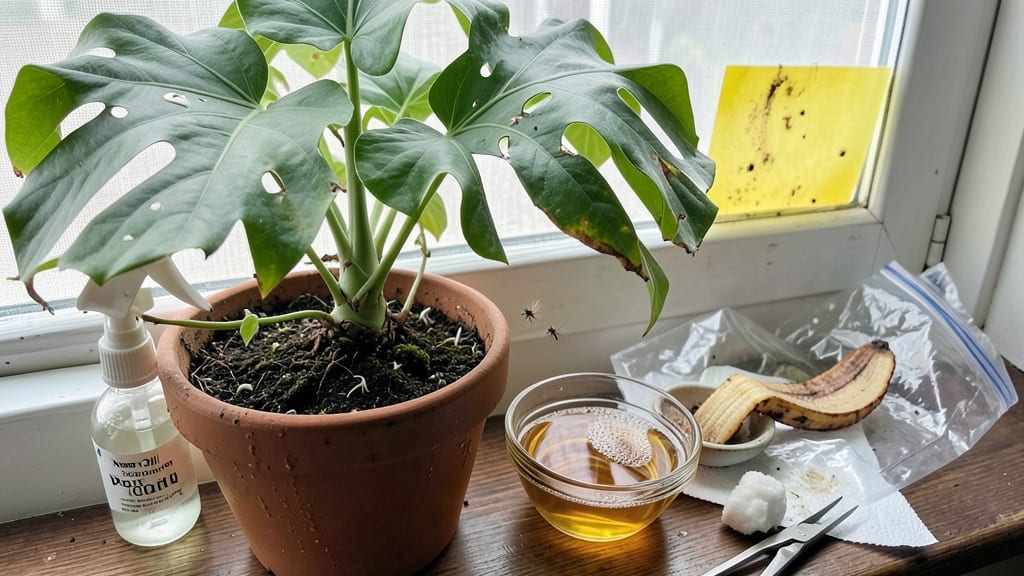
Fruit flies swarming your houseplants? 🌿 I’ve battled these tiny invaders more times than I’d like to admit, and I’ve finally cracked the code on how to kick them out for good—without harsh chemicals.
The key is a mix of traps, cleanliness, and a few smart plant-care tweaks that keep them from coming back.
Most people don’t realize fruit flies thrive on overripe plant debris, soggy soil, and decaying matter—so the first step is a deep clean. Wipe down leaves, remove dead foliage, and let the top inch of soil dry out completely.
Then, set up simple traps with apple cider vinegar (they’re drawn to the smell) and watch them disappear within days.
Once the flies are gone, you’ll notice your plants looking fresher and healthier—no more tiny black dots buzzing around your peace lilies or ferns. The best part? These methods work for any houseplant, from tropicals to succulents, and keep your space pest-free long-term.
Here’s the thing—prevention is easier than cleanup. A little routine maintenance (like checking soil moisture and keeping surfaces tidy) saves you from future battles. Trust me, your plants—and your sanity—will thank you.
Why it happens
Fruit flies—those tiny, buzzing nuisances—don’t just appear out of nowhere. They’re drawn to your house plants (and kitchen counters) for very specific reasons, often tied to organic decay, moisture, or even your own habits.
Understanding these triggers is the first step to stopping their infestation before it starts. Let’s break down the science behind why these pests invade your green sanctuary.
Fruit flies (Drosophila melanogaster) have an extraordinary sense of smell—up to 1 mile away—and they’re hardwired to seek out fermenting sugars.
When fruit (especially citrus, berries, or tropical varieties) softens or rots near your plants, it releases ethanol and organic acids, which act like a dinner bell. Even a single overripe banana or a forgotten slice of watermelon can trigger a swarm within 24 hours.
Why it’s worse with plants: Houseplants often sit near fruit bowls or countertops where scraps accumulate. The humidity from soil and leaves creates the perfect microclimate for flies to breed—moisture + sugar = a fly buffet.
Fruit flies aren’t just attracted to food—they breed in moisture. Overwatered soil becomes a breeding ground because it creates anaerobic conditions (low oxygen), where bacteria and fungi thrive. These microbes produce acetic acid and other organic compounds that fruit flies crave for laying eggs.
Here’s the kicker: 1 teaspoon of damp soil can hold 50–100 fly eggs. If your plant’s pot lacks drainage or you’re watering on a schedule (rather than checking soil moisture), you’re essentially running a fly nursery.
- 🌱 Signs of a moist breeding site: Fungal gnats (tiny black flies) or a sour, yeasty smell near the soil surface.
- ⚠️ Pro tip: Stick your finger 1 inch into the soil—if it’s damp, wait to water. Use pots with drainage holes and a cache pot (a tray under the pot) to catch excess water.
Fruit flies aren’t picky—they’ll also feast on decaying plant matter, including black spots on leaves, moldy mulch, or even the sticky residue from honeydew (sap excreted by aphids or mealybugs). These organic films contain simple sugars and proteins that flies metabolize.
Why this happens: High humidity (from showering plants or poor ventilation) accelerates fungal growth. Once mold takes hold, it releases volatile organic compounds (VOCs), which signal to flies: “Free food here!”
| Plant Issue | Fly Attraction Factor |
|---|---|
| Yellowing leaves | Cell breakdown releases sugars |
| Mushy stems | Fermentation produces ethanol |
| Sticky leaf surfaces | Honeydew = instant fly magnet |
Fruit flies are exceptional hitchhikers. They can ride on wind currents, clothing, or even grocery bags to infiltrate your home. If you’ve recently brought in new plants, compost, or outdoor decorations, you might’ve unknowingly smuggled in adult flies or larvae.
Outdoor hotspots:
- 🍍 Overripe fruit on trees or garbage cans
- 🌿 Compost piles (especially if they’re too wet)
- 🚮 Dumpsters or outdoor trash bins
Actionable fix: Quarantine new plants for 3–5 days in a separate room or under a mesh tent. Inspect leaves and soil for tiny white eggs or larvae (they look like tiny white rice grains).
Sometimes, the problem isn’t your plants—it’s you. Unintentional habits like these create fly-friendly zones:
- 🍹 Leaving sugary drinks or spills near plants (even soda rings on tables can trap residual sugar).
- 🧺 Not cleaning up pet food or fallen petals (yes, even wilted flowers emit sugars as they decompose).
- 🧼 Using scented candles or air fresheners with fruit/floral notes—flies are drawn to fermented scents, not just fresh ones.
- 🛒 Storing produce in open bowls near plant areas (even sealed containers can leak ethanol over time).
💡 Quick audit: Walk around your plant area and ask: “Would this smell appealing to a fly?” If yes, it’s time for a cleanup.
Practical Ways to Banish Fruit Flies
Fruit flies are a nuisance, but with the right approach, you can eliminate them from your house plants—and keep them from coming back. Below are targeted solutions based on the most common causes, from quick fixes to long-term prevention.
These methods are natural, effective, and easy to implement without harsh chemicals.
If fruit flies are swarming near overripe produce, they’re likely attracted to fermenting sugars and yeast. Act fast to remove their food source and disrupt their life cycle.
🔥 Step 1: Remove the Attraction
- Toss or compost any overripe, moldy, or fermenting fruit, veggies, or produce (especially citrus, berries, and melons).
- Check hidden spots: Look under plants, in drawers, and behind appliances where fruit might be forgotten.
🍳 Step 2: Clean Surfaces Thoroughly
- Wipe down counters, cutting boards, and trash cans with hot, soapy water to remove residual sugars and yeast.
- Sanitize drains with a mix of baking soda and vinegar (pour ½ cup baking soda down the drain, then 1 cup vinegar, and let it fizz for 10 minutes before rinsing with hot water).
👨🍳 Step 3: Use a Natural Trap
- Apple cider vinegar trap:
- Fill a small bowl with apple cider vinegar and a few drops of dish soap.
- Cover with plastic wrap, poke small holes, and place near the infestation.
- The flies will enter but won’t escape—dispose of them daily.
- 💡 Pro Tip: Add a red food coloring drop to the vinegar—flies are drawn to red!
Moisture-loving fruit flies (like fungus gnats) thrive in soggy soil. If your plants are consistently damp, you’re creating a breeding ground.
🔪 Step 1: Adjust Watering Habits
- Let the top inch of soil dry out before watering again.
- Use pots with drainage holes—if they don’t have them, repot your plants.
- Avoid saucers full of water—empty them after watering.
🌡️ Step 2: Treat the Soil
- Diatomaceous earth (DE): Sprinkle food-grade DE lightly on the soil surface.
It’s a natural insecticide that dehydrates flies. - Hydrogen peroxide (3%): Mix 1 part hydrogen peroxide with 4 parts water, water your plants with it, and let it sit for 10 minutes before rinsing.
This kills larvae without harming plants. - 💡 Pro Tip: Cinnamon is a natural fungicide—sprinkle a little on the soil to deter fungus gnats.
✨ Step 3: Introduce Beneficial Nematodes
- Buy nematodes (like Steinernema feltiae) online or at garden centers. They’re microscopic worms that kill fungus gnat larvae naturally.
- Follow package instructions—usually involves mixing them with water and applying to soil.
If you’re using mulch, compost, or dead leaves near your plants, fruit flies may be nesting in the organic debris.
🔥 Step 1: Remove Decaying Material
- Rake up dead leaves, fallen fruit, or rotting mulch around your plants.
- Avoid piling compost near houseplants—keep it in a sealed bin away from indoor spaces.
🍳 Step 2: Replace with Fly-Repellent Mulch
- Use cedar chips or pine bark mulch—their natural oils repel insects.
- Crushed eggshells around plant bases can also deter flies.
👨🍳 Step 3: Seal Entry Points
- If flies are coming from outdoor plants, check for gaps in screens or open windows.
- Install fine mesh screens over vents or doors leading outside.
Once you’ve eliminated the infestation, stop them from returning with these long-term strategies:
| Prevention Method | How to Do It |
|---|---|
| Regular inspections | Check plants and produce weekly for signs of rot or moisture. |
| Store fruit properly | Keep fruits in the fridge (not on counters) and use airtight containers. |
| Use essential oils | Place a few drops of peppermint, eucalyptus, or lemongrass oil on cotton balls near plants. Flies hate these scents! |
| Keep kitchen clean | Wipe spills immediately, take out trash daily, and avoid leaving dirty dishes. |
| Natural fly-repelling plants | Grow basil, lavender, or mint near houseplants—their scents deter flies. |
🎯 Final Reminder: Consistency is key! Fruit flies reproduce fast, so act quickly and stay vigilant to keep your plants—and home—fly-free.
Frequently asked questions
Why do fruit flies keep coming back even after I use traps?
Fruit flies return when their food sources (like overripe fruit or damp soil) remain available. Check for hidden rotten spots, empty saucers under pots, and store produce in sealed containers. Adult flies can also hitchhike in on grocery bags or new plants—quarantine incoming plants for 3-5 days to prevent reinfestation.
Will diatomaceous earth harm my plants?
Food-grade diatomaceous earth is safe for plants when used correctly. Just apply a light dusting on soil (avoid leaves) and reapply after watering. It works by dehydrating insects, not by chemical means. For extra protection, mix it with cinnamon powder—both are natural fungicides that deter flies and gnats.
Can I use vinegar traps near my plants without damaging them?
Yes! Apple cider vinegar traps are completely plant-safe. Place them at least 6 inches away from foliage to prevent accidental leaf burn from vinegar splashes. For extra effectiveness, add a drop of red food coloring—flies are naturally drawn to red hues. Empty and refresh the trap every 2-3 days to maintain its lure.
How long does it take to see results with these methods?
With consistent action, you’ll see a noticeable reduction in 24-48 hours. For severe infestations, combine traps with soil treatments (like hydrogen peroxide) and environmental changes (better drainage). Most people eliminate visible flies within 3-5 days, but prevention (weekly inspections, proper storage) is key to long-term success.
Are there any plants that naturally repel fruit flies?
Grow basil, lavender, mint, or rosemary near your houseplants—their strong scents mask the odors that attract flies. Place pots of these herbs on windowsills or near problem areas. Bonus: They add fresh fragrance to your space while keeping pests away naturally.