
Flowers
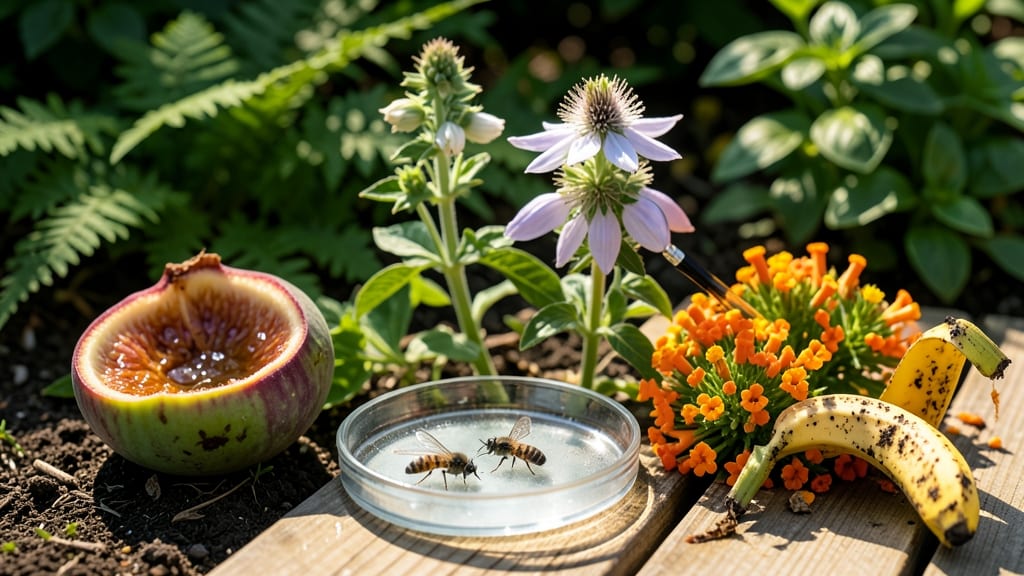
Fruit flies are strongly attracted to flowers, especially those with overripe or fermenting scents like roses, lilacs, and hydrangeas, as these aromas mimic rotting fruit and yeasty compounds that trigger their feeding and breeding instincts. Avoid heavily scented blooms to reduce infestations.
Fruit flies have an incredible sense of smell, and they're drawn to flowers because the volatile organic compounds (VOCs) in blooms often resemble the fermenting fruit and yeasty scents they crave. 🌸 These insects evolved to seek out decaying organic matter for food and breeding sites, so flowers emitting similar aromas—like those with overripe or sugary fragrances—act as powerful lures.
The stronger the scent, the more irresistible it becomes, which is why heavily perfumed blooms can turn your garden into a fruit fly magnet.
This attraction isn't just random—it's a biological survival strategy. The same compounds that make certain flowers smell delicious to us also signal to fruit flies that they've found a potential food source or breeding ground.
For example, roses and hydrangeas release VOCs that mimic the smells of rotting fruit, while other blooms produce yeast-like aromas that accelerate their reproduction cycles. Understanding this connection helps explain why these pests swarm around your favorite flowers.
💡 In This Article
- Why Fruit Flies Love Flower Scents
- Best Flowers to Repel Fruit Flies in Gardens
Why fruit flies love flower scents
Fruit flies—scientifically known as Drosophila melanogaster—have evolved an extraordinary ability to detect volatile organic compounds (VOCs) in concentrations as low as 0.1 parts per billion.
These tiny insects rely on their sense of smell to locate food and breeding sites, and certain flowers produce VOCs that mimic the exact chemical signatures of fermenting fruit or yeasty environments they crave.
For example, roses emit ethyl acetate and linalool, compounds that smell sweet to humans but trigger feeding instincts in fruit flies because they resemble the odors of overripe fruit. 🌹 The same goes for hydrangeas, which release benzyl acetate, a chemical that smells like jasmine but also mimics the scent of decaying organic matter.
The attraction goes deeper than just scent—specific flower compounds accelerate fruit flies' reproduction cycles. When female fruit flies detect yeast-like aromas (like those from certain lilacs or honeysuckles), they're triggered to lay eggs in moist, organic-rich environments.
This is why heavily scented blooms can become breeding hotspots: the VOCs don't just lure them in—they signal "ideal conditions" for reproduction. Studies show fruit flies can detect these compounds from up to 10 feet away, making even a single heavily perfumed flower a powerful attractant in a garden.
What most people don't realize is that fruit flies also respond to visual cues paired with scent. Brightly colored flowers—especially those with yellow, white, or purple hues—stand out against green foliage and draw them in for closer inspection.
This dual sensory approach explains why some gardeners notice fruit flies swarming around specific blooms even when other flowers nearby remain pest-free. The combination of strong aroma and vibrant color creates an irresistible signal for these insects. 🌿
Temperature and humidity play crucial roles too. Fruit flies are most active in warm, humid conditions (ideal for yeast fermentation), and flowers that thrive in these environments—like night-blooming jasmine or evening primrose—often become magnets for infestations.
The warmer the air, the more VOCs a flower releases, intensifying the lure. This is why fruit flies are often worse problems during summer months when both temperatures and flower fragrances peak.
Interestingly, not all flowers are equally attractive. While roses and hydrangeas are notorious for drawing fruit flies, others like lavender or marigolds produce VOCs that actually repel them.
The key difference lies in the chemical composition: attractive flowers emit compounds resembling decay, while repellent flowers release monoterpenes (like linalool in lavender) that disrupt fruit flies' sensory receptors. This biological contrast explains why strategic flower placement can dramatically reduce infestations in gardens.
Understanding this connection helps explain why fruit flies often cluster around overwatered or damaged flowers, too. When petals bruise or stems rot, they release additional VOCs that amplify the lure.
This is why pruning dead blooms and maintaining healthy plants isn't just about aesthetics—it's a critical step in breaking the cycle of attraction that turns your garden into a fruit fly buffet. 🌸