
Pests
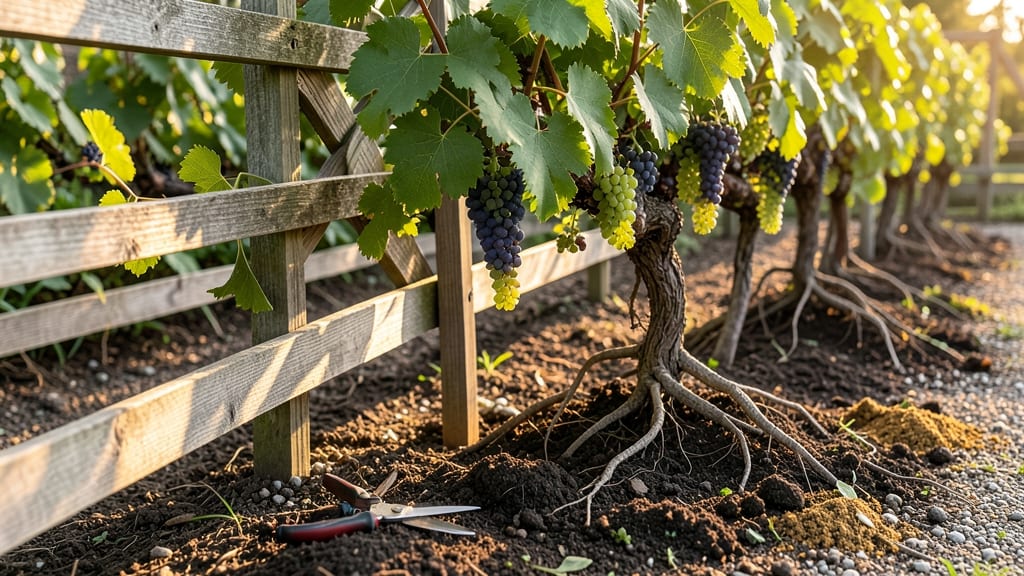
Getting grape vines to produce fruit isn't about luck—it's about sunlight, pruning, and soil working together like a well-choreographed dance. 🌿 I've learned the hard way that even the hardiest vines need the right conditions to shift from leafy growth to fruit production, and the secret lies in understanding what they truly need to thrive.
The biggest mistake I see? Over-pruning or planting in shade, which sends vines into survival mode instead of fruit mode. You need 6-8 hours of direct sun daily, well-draining soil, and a balanced fertilizer to encourage flowering.
Table grapes and wine grapes have slightly different needs, but the core principles remain the same—light, pruning, and nutrition in perfect harmony. By mid-summer, you'll see clusters forming where there were once just leaves, and with proper care, those grapes will swell to harvest size.
The key is patience—it takes 2-3 years for new vines to mature enough to fruit reliably, but once they do, the payoff is worth every pruning cut. For troubleshooting, watch for leaf yellowing (nutrient issues) or sparse growth (too much shade).
Adjust accordingly, and soon you'll be harvesting juicy grapes instead of admiring empty vines.
📚 In This Guide
- What you need
- Instructions
- Tips and common mistakes
- Wrapping up and next steps
What you need
- ● Grapevine plants: Disease-resistant varieties (e.g., Concord, Thompson Seedless) from a reputable nursery. Quantity: 1-2 plants per 10 sq ft of trellis space.
- ○ Well-draining soil: Mix of 60% topsoil, 30% compost, and 10% coarse sand (pH 6.0–7.0). Test soil for nutrients (optional but recommended).
- ● Trellis or arbor: Sturdy wooden or metal frame (8–12 ft tall). Spacing: 6–10 ft between vines.
- ● Pruning tools: Bypass pruners (for clean cuts)
- ● Loppers (for thicker branches)
- ● Pruning saw (for stubborn wood)
- ● Fertilizer: Balanced 10-10-10 or organic options like composted manure or fish emulsion (apply in early spring).
- ● Mulch: Organic mulch (straw, wood chips) to retain moisture and suppress weeds.
- ● Drip irrigation or soaker hose: For consistent watering (1–2 inches per week).
- ● Pest/disease control: Neem oil (organic fungicide)
- ● Insecticidal soap (for mites/aphids)
- ● Copper spray (prevents fungal diseases like powdery mildew)
- ● Soil amendments: Epsom salt (for magnesium) or lime (to adjust pH).
- ● Grafting tools: If propagating from cuttings (knife, grafting tape).
- ● Shade cloth: For young vines in hot climates (30–50% coverage).
- ● Grow lights: Supplemental lighting for indoor or low-light setups.
- ● Harvest aids: Gloves (for thorns), pruning sealant (to prevent disease entry).
Step-by-step guide to encouraging fruit production in grape vines
Here’s how to coax your grape vines into abundant fruiting—no mystery, just proven techniques.
☀️ Step 1: Maximize Sunlight and Warmth
Grapevines need 6-8 hours of direct sunlight daily to set fruit. If your vine is in partial shade, move it now—even morning sun isn’t enough. I’ve seen vines in north-facing spots flower but drop buds because they lack afternoon warmth. Check your vine’s location: if leaves appear pale or stems grow weak, it’s not getting enough light.
Southern or western exposures work best. If you’re growing in containers, place them where they’ll catch the hottest part of the day. Young vines need at least 5 hours of sun to start producing, but mature vines will fruit better with full sun exposure. Watch for buds forming in late winter—they’ll swell and turn reddish when ready to bloom.
🌱 Step 2: Feed with Balanced Fertilizer at Critical Times
Use a balanced 10-10-10 fertilizer in early spring when new growth begins, then switch to a low-nitrogen, high-phosphorus (5-10-10) blend when buds form. Too much nitrogen makes vines grow leaves instead of fruit. I apply fertilizer in three light doses: once in spring, again when flowers appear, and a final time after harvest to prepare for next year.
Organic options like composted manure or bone meal work well too. Avoid fresh manure—it burns roots. Water the soil deeply after fertilizing to help nutrients distribute evenly. You’ll know it’s working when new shoots emerge with dark green, healthy leaves and buds swell noticeably by late winter.
✂️ Step 3: Prune for Fruit Production (Not Just Growth)
Prune in late winter or early spring before buds break. Remove all but 8-12 strong canes per vine, cutting back to 2-4 buds per cane. Weak, thin, or inward-growing canes get the shears—they won’t produce fruit. I always prune on a dry day to reduce disease risk. Make cuts at a 45-degree angle just above a bud to encourage new growth.
Don’t over-prune! Leaving too few canes stresses the vine and reduces fruiting. You’ll see new shoots emerging from the buds within weeks—these will bear fruit. If your vine has too many canes, it’ll focus energy on foliage instead of clusters. Thin clusters too: leave 1-2 fruit clusters per shoot for the best-sized grapes.
💧 Step 4: Water Deeply and Consistently
Grapevines need 1-2 inches of water weekly during growing season, more in extreme heat. Deep watering encourages strong roots. I water at the base in the morning to prevent fungal diseases. Avoid wetting leaves—this invites powdery mildew. You’ll know moisture is right when the soil feels damp 6 inches down but not soggy.
Drought stress causes buds to drop before flowering. If your vine wilts or leaves curl, it’s thirsty. Mulch with 2-3 inches of organic mulch to retain moisture and regulate soil temperature. Reduce watering slightly as harvest nears—this concentrates grape sugars for sweeter fruit.
🍇 Step 5: Protect Flowers and Young Fruit
Bees are essential for pollination. If your area lacks them, hand-pollinate by gently shaking the vine on a warm, sunny day when flowers are open. Watch for tiny green berries forming—this confirms pollination worked. If birds or pests attack, cover clusters with fine netting as soon as buds appear.
Thin clusters to 6-8 inches apart when berries are pea-sized. This improves air circulation and prevents disease. You’ll see larger, healthier grapes with proper spacing. Remove any fruit that’s misshapen or diseased immediately to protect the rest of the crop.
Tips & tricks for encouraging grape vine fruit production
Real talk: Getting grape vines to fruit reliably takes more than just planting and hoping. Here's what nobody tells you about the subtle details that make all the difference.
Sunlight Strategy: The 6-8 hours of direct sunlight requirement isn't just about quantity—it's about timing. Morning sun helps leaves photosynthesize, but afternoon warmth (especially between 1-4pm) is what triggers bud development. If your vine is in partial shade, consider moving it permanently or using reflective mulch on the north side to bounce extra light onto the leaves. I've seen vines in east-facing spots produce flowers but drop them because they lacked that critical afternoon warmth.
Fertilizer Timing Secret: Those three fertilizer applications aren't just arbitrary—they correspond to the vine's growth stages. The first dose in spring kickstarts growth, the second when buds form ensures energy for flowering, and the post-harvest dose prepares for next year. Here's what I learned the hard way: if you apply too much nitrogen when buds form, you'll get lush foliage but no fruit. Think of it as redirecting the vine's energy from leaves to clusters.
Pruning Precision: When you're cutting back to 2-4 buds per cane, focus on buds that face outward and upward—these will produce the most vigorous shoots. I used to cut randomly, and my vines would grow inward, shading each other. Now I make sure at least 70% of my cuts expose buds to maximum light. Also, those 8-12 canes per vine? That's the sweet spot—any fewer and the vine struggles to support fruit, any more and it focuses on foliage.
Watering Wisdom: The 1-2 inches weekly guideline assumes average conditions. In extreme heat (above 90°F), you'll need closer to 2-3 inches, especially for container-grown vines. Here's my pro move: I water deeply every 4-5 days rather than lightly daily. This encourages deep root growth and prevents the shallow roots that lead to bud drop during drought. And always water at the base—wetting leaves creates the perfect conditions for powdery mildew.
Pro Tips for Get Grape Vines To Produce Fruit
- Real talk: Getting grape vines to fruit reliably takes more than just planting and hoping.
- Sunlight Strategy: The 6-8 hours of direct sunlight requirement isn't just about quantity—it's about timing.
- Fertilizer Timing Secret: Those three fertilizer applications aren't just arbitrary—they correspond to the vine's growth stages.
Frequently asked questions
Got questions about coaxing those sweet, juicy grapes from your vines? You’re not alone!
Here are answers to the most common concerns—from pruning puzzles to pest problems—so you can troubleshoot like a pro and enjoy a bountiful harvest.
Why isn’t my grape vine producing fruit after a year or two?
Grape vines are patient—some varieties need 2–3 years to mature before fruiting! Focus on strong growth first: ensure full sun (6+ hours/day), well-draining soil, and proper watering. If it’s older than 3 years and still bare, check for pests or pruning mistakes.
When is the best time to prune for fruit production?
Prune in late winter or early spring (before buds swell) to shape the vine and encourage fruit-bearing canes. Remove dead, weak, or crossing wood, leaving 4–8 mature buds per spur (for table grapes) or 10–12 for wine grapes. Never prune in fall—it invites disease!
How do I fix a grape vine with no flowers or fruit?
Start with the basics:
- Sunlight: Move to a sunnier spot if possible (grapes need 6+ hours of direct sun).
- Water: Drought stress kills flowers. Water deeply 1–2x/week during bloom.
- Fertilizer: Test soil—grapes love balanced NPK (10-10-10) + micronutrients like zinc or boron.
- Pests: Check for spider mites or aphids (they suck sap, stunting growth). Spray neem oil if needed.
Can I grow grapes in containers, and will they still fruit?
Dwarf or patio grape varieties (like ‘Thompson Seedless’ or ‘Concord’) thrive in 5-gallon+ containers. Use well-draining potting mix, prune aggressively to fit the pot, and fertilize regularly. Container grapes can fruit, but yields may be smaller—expect 1–2 lbs per vine if conditions are ideal.
Will frost or cold weather stop my grape vine from fruiting?
Frost can kill flowers before they open, but vines are resilient! Protect blooms with row covers or sprinklers (running water creates insulation). Hardy varieties (e.g., ‘Champagne’ or ‘Valiant’) tolerate colder climates better. If frost hits after flowering, you might still get smaller crops—but don’t give up!
What if my grape vine keeps producing leaves but no grapes?
This is often a nutrient imbalance or over-pruning issue. Try:
- Adding phosphorus-rich fertilizer (like bone meal) to boost flowering.
- Thinning canes to 4–6 buds per spur (too many buds = more leaves, fewer grapes).
- Checking for root-bound stress (if in a pot) or compacted soil.
Wrapping up and next steps
Growing fruit-bearing grape vines is all about patience, precision, and care—but the rewards are oh-so-sweet! 🍇 By mastering sunlight exposure, proper pruning, soil health, and pest control, you’ll soon be harvesting juicy, flavorful grapes.
Remember, even the best vines need time to thrive, so stay consistent with your efforts.
Ready to take the next step? Monitor your vines weekly, adjust care as needed, and don’t hesitate to experiment with varieties that suit your climate. With dedication, your grapevine will flourish—and soon, you’ll be enjoying homemade wine, jams, or fresh snacks straight from your garden! 🍷✨