
How To
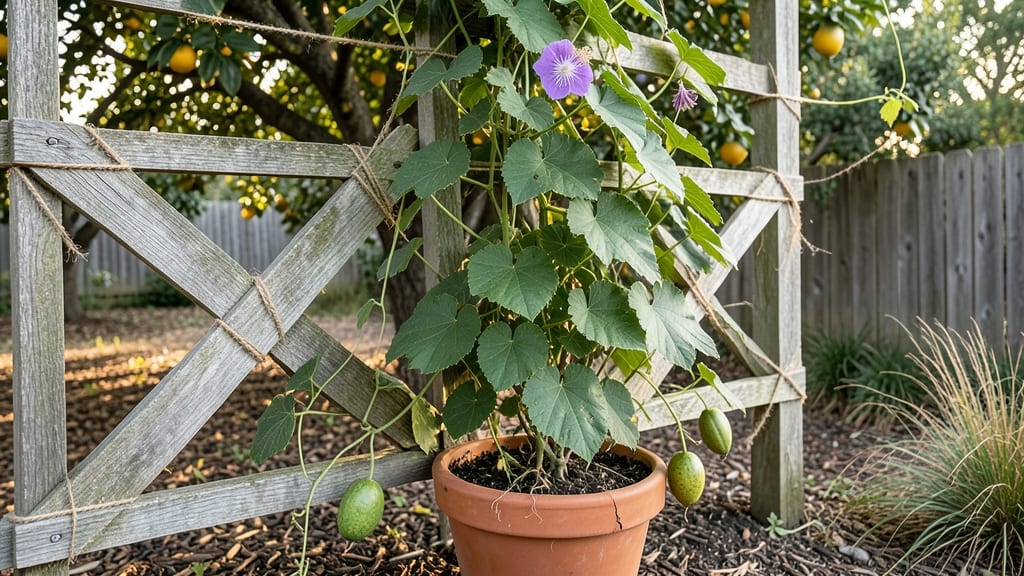
Your passion fruit vine needs the sturdy support to handle its rapid growth and heavy fruit—without it, the vines sprawl, fruit rots, and you’ll spend hours wrestling with tangled stems. ✨ I learned this the hard way when my first vine collapsed under a 10-pound harvest, sending fruit rolling into the mulch.
The right support transforms a messy vine into a neat, productive climbing machine that’s easy to harvest from.
Start with a strong wooden trellis or metal cage (at least 8 feet tall) that won’t bend under weight. Passion fruit vines grow 15–25 feet in a season, so anchor the structure deep—3 feet into the ground—or use heavy-duty stakes for extra stability.
The key is spacing: 3–4 feet between supports for mature vines to climb without crowding. Avoid flimsy plastic trellises—they’ll snap when fruit swells.
Once installed, train the main stem along the trellis and prune side shoots to encourage vertical growth (this prevents disease and makes harvesting easier). By summer, you’ll see glossy new leaves and the first tendrils curling around the structure.
The payoff? Cleaner fruit, fewer pests hiding in tangled vines, and harvests you can reach without bending over.
Pro tip: Add soft ties (like old t-shirts or rubber bands) to guide vines—never wire, which can damage stems. And here’s the secret: rotate the vine every few months so it grows evenly.
Skimp on support, and you’ll end up with a vine that looks like a tangled mess. Do it right, and you’ll have a showstopper that produces for years.
📚 In This Guide
- What you need
- Instructions
- Tips and common mistakes
- Wrapping up and next steps
What you need
- ● Trellis or Support Structure: 1–2 wooden posts (4x4 inches, 8 feet tall) (or metal T-posts for durability)
- ● OR pre-made trellis kit (6–8 feet tall, 3–4 feet wide) (DIY-friendly options available)
- ● OR strong wire mesh (1-inch grid, 6x8 feet) for a budget-friendly lattice
- ● Fasteners & Hardware: Galvanized zip ties (20–30 pieces) or staple gun + staples
- ● Heavy-duty twist ties or garden wire (18-gauge) for securing vines
- ● Wooden screws (2–2.5 inches, deck screws for outdoor use)
- ● Extras for Stability: Concrete post anchors or gravel (5 lbs) (to weigh down wooden posts)
- ○ Bamboo stakes (3–4 pieces) (optional for extra vine guidance)
- ● Sunny spot with 6+ hours of sunlight daily (passion fruit vines are hungry for light!)
- ● Well-draining soil (amend with compost if needed—passion vines love nutrients)
- ● Healthy, established vine (or young plants ready for training)
- ○ Optional: Pruning shears (for shaping vines later) and a measuring tape
Step-by-Step guide to building passion fruit vine support
Here's how I build a trellis that handles the weight of passion fruit vines and their heavy harvests.
🪴 Step 1: Choose and Prepare the Trellis Structure
Passion fruit vines need a strong, durable support system that can handle 20+ pounds of fruit per vine at maturity. I use wooden T-posts (8 feet tall) driven into the ground at 6-foot intervals for stability. For smaller spaces, metal or PVC trellis frames work well—just ensure they're at least 6 feet tall and 3 feet wide to accommodate the vine's sprawling growth.
Dig holes 12 inches deep for each post and set them in concrete or compacted soil to prevent leaning. If using a frame, anchor it securely to the ground with heavy-duty stakes or weights. The goal is a structure that won't wobble when laden with fruit—think of it as a small-scale vineyard scaffold.
☀️ Step 2: Install Horizontal Crossbars for Vine Guidance
Attach 2-3 horizontal crossbars (2x4 lumber or sturdy metal rods) at heights of 2 feet, 4 feet, and 6 feet to create tiers for the vine to climb. Space the crossbars 18-24 inches apart to allow the vine to wrap naturally without crowding. I use galvanized screws or heavy-duty brackets to secure them—rust is the last thing you want near fruit-bearing plants.
Leave 6-8 inches of space between the crossbars and the posts to prevent bark abrasion as the vine thickens. This also makes it easier to prune and harvest without damaging the structure. If your trellis is freestanding, add diagonal braces for extra stability—passion fruit vines grow 15-20 feet in a season, and their weight can stress even sturdy frames.
🌿 Step 3: Train the Vine to Climb and Prune for Strength
Once your vine reaches the trellis, tie the main stem loosely to the lowest crossbar using soft plant ties or old fabric strips—never wire or anything that can cut into the bark. As the vine grows, guide it upward in a spiral pattern, securing it every 12-18 inches to encourage even distribution of weight. This prevents the vine from snapping under the load of fruit.
Prune aggressively in early spring to remove weak or crossing branches, focusing on 3-5 strong main stems. This ensures the vine puts energy into fruit production rather than excessive foliage. You'll know you're on the right track when the vine fills the trellis evenly by mid-summer—no bare spots, no overcrowded clusters.
✂️ Step 4: Maintain and Reinforce as the Vine Grows
Check the trellis monthly for signs of stress—sagging crossbars, loose ties, or leaning posts mean it's time to reinforce. Add extra supports or adjust ties before the vine reaches full maturity, when fruit weight peaks. I also rotate the vine gently every few weeks to prevent it from growing unevenly toward the light.
Harvest fruit before it fully ripens on the vine (when it turns from green to yellow with some red streaks) to avoid overloading the trellis. Overripe fruit not only stresses the structure but also attracts pests—pick regularly to keep the vine balanced. By late fall, you can cut back the vine by half to prepare for the next season, but leave 3-4 strong canes to regrow from the base.
Tips & tricks for sturdy passion fruit vine support
A few strategic adjustments can transform your trellis from a flimsy afterthought into a robust vineyard scaffold that actually supports those 20-pound fruit clusters. Here's what I've learned the hard way—
Material Selection: For wooden T-posts, pressure-treated lumber lasts longer than untreated wood, especially in wet climates. If using metal or PVC frames, opt for galvanized steel or UV-resistant PVC—they won't degrade under tropical sun or monsoon conditions. I've seen untreated wood rot within a season when exposed to constant moisture. The extra $10 per post is worth it for that second harvest.
Anchoring Strategy: When setting posts in concrete, add 2-3 rebar stakes at 45-degree angles from each post before pouring. This creates a tripod effect that prevents leaning when the vine loads up with fruit. For freestanding frames, bury the base 6-8 inches deeper than specified and use earth anchors instead of just stakes—think of it like securing a ship's mast in a storm.
Crossbar Placement: The 2-foot, 4-foot, and 6-foot heights in Step 2 create perfect tiers, but here's the secret: space your crossbars 16-18 inches apart horizontally rather than the full 18-24 inches. This gives the vine more purchase points for climbing without overcrowding. I've seen vines struggle when they have to stretch too far between supports—like trying to climb a ladder with missing rungs.
Pruning Insight: When you prune to 3-5 main stems in early spring, focus on keeping those stems at least 1/4-inch thick—thinner stems will snap under fruit weight. Look for stems with visible buds along their length rather than just at the tips. These lateral buds will produce your fruit clusters, so you're essentially building a stronger framework for your harvest. Think of it like reinforcing the beams in a house before adding weight.
Pro Tips for Passion Fruit Vine Support
- A few strategic adjustments can transform your trellis from a flimsy afterthought into a robust vineyard scaffold that actually supports those 20-pound fruit clusters.
- Material Selection: For wooden T-posts, pressure-treated lumber lasts longer than untreated wood, especially in wet climates.
- Anchoring Strategy: When setting posts in concrete, add 2-3 rebar stakes at 45-degree angles from each post before pouring.
Frequently asked questions
Got questions about keeping your passion fruit vines happy and productive? Here are some of the most common ones—and their answers—to help you grow with confidence!
What’s the best height for a passion fruit vine support?
A sturdy trellis or fence should be at least 8–10 feet tall to give vines room to climb and produce heavy fruit. Passion fruit vines can grow up to 20 feet in ideal conditions, but a well-supported 8-foot structure prevents sagging and makes harvesting easier. Pro tip: Add crossbars every 3–4 feet for extra stability!
Can I use a DIY trellis instead of buying one?
DIY trellises
made from PVC pipes, wooden posts, or even repurposed metal cages work great. Just ensure the materials are galvanized or treated wood (to resist rot) and can handle the vine’s weight. A simple A-frame or obelisk design is budget-friendly and effective!
How long does it take for passion fruit vines to need support?
Vines start climbing within 2–3 months of planting, but you can install support early (even at planting time) to encourage upward growth. Without support, vines sprawl, leading to fewer flowers and fruit. Bonus: Prune side shoots to focus energy on the main stem for faster, stronger growth!
What should I do if my vine isn’t climbing the support?
If your vine hesitates, gently tie it to the trellis with soft plant ties or twine every few inches. Check for pests (like spider mites) or nutrient deficiencies (yellow leaves = more nitrogen). Ensure the vine gets 6+ hours of sunlight daily—shady spots slow growth. Quick fix: Trim overgrown leaves to redirect energy upward!
Are there alternatives to traditional trellises for small spaces?
Yes! For tight spaces, try:
- Wall-mounted trellises (for balconies or patios)
- Vertical planters with built-in supports
- Arbors or pergolas (for multi-purpose growing)
- Cattle panels (bent into a half-circle for a budget-friendly option)
Wrapping up and next steps
Growing a thriving passion fruit vine is all about giving it the right support—whether it’s a sturdy trellis, a well-placed fence, or a creative DIY structure. With the right setup, you’ll enjoy a bountiful harvest while keeping your vine healthy and easy to manage. 🌱
Now that you’re armed with the best passion fruit vine support tips, it’s time to roll up your sleeves and build your ideal trellis. Start small, test your design, and don’t hesitate to get creative—your future harvest will thank you! Happy growing! 🍈✨