
Trees
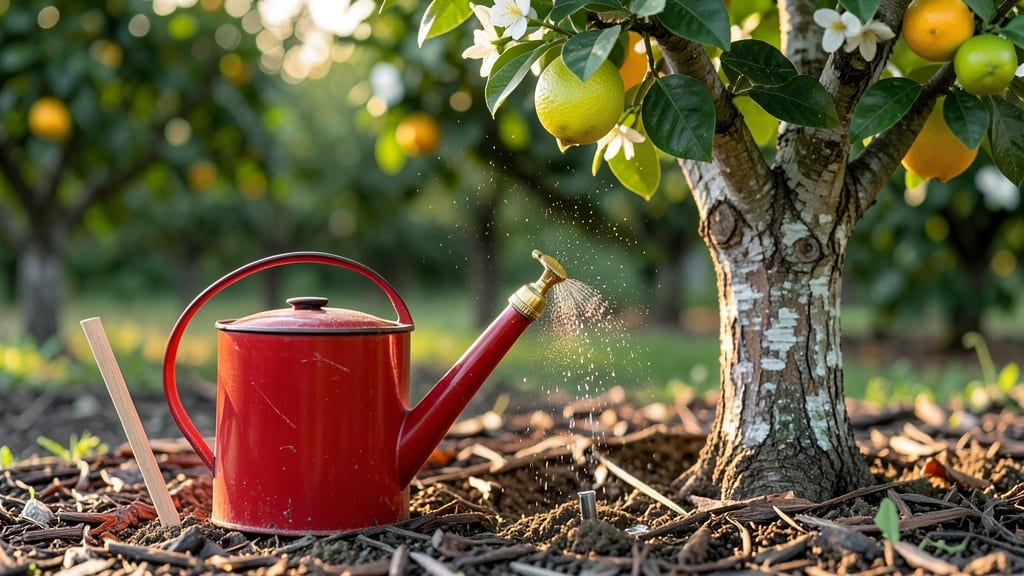
Watering fruit trees the right way—how often should fruit trees be watered—isn’t about sticking to a rigid schedule but understanding their thirsty roots and seasonal needs.
Struggling to keep your 🍎 thriving? Overwatering or underwatering can mean the difference between a bountiful harvest and a struggling orchard—yet most gardeners get it wrong. The secret lies in understanding how soil depth, seasonal changes, and tree age dictate your watering schedule.
Young trees need frequent, deep watering to establish roots, while mature ones can handle longer dry spells. In Zone 6a, summer heat demands weekly soaks, but winter dormancy means barely a sip. Here’s how to adjust your watering routine for every stage of growth.
You’ll learn the exact watering frequency by season, how to spot over- or under-watering, and the one trick that saves trees from drought stress—without wasting a drop.
Watering fruit trees by age: critical stages for root development
Understanding how to water fruit trees at different life stages is the key to unlocking their full potential. Young trees need frequent, shallow watering to encourage root spread, while mature trees thrive with deep, infrequent soaks that reach their extensive root systems.
Skipping this critical step can lead to shallow roots, poor fruit production, or even tree death. Let’s break down the exact watering needs for each phase of growth.
For 0-2 year-old saplings, focus on keeping the top 6-12 inches of soil moist at all times. This encourages roots to grow outward rather than downward, which is essential for stability.
Watering too deeply at this stage can drown the delicate root system still developing near the surface. Think of it like nurturing a baby plant—gentle, consistent care builds a strong foundation.
Once your tree reaches 3-5 years old, it’s time to shift to deeper watering. At this stage, roots are extending 12-24 inches below the surface, so aim to saturate soil to this depth.
A good rule of thumb is to water until the soil 6-8 inches down feels damp. This phase is all about balancing growth and root expansion while preparing the tree for future fruit production.
| Tree Age | Watering Depth | Frequency | Soil Check |
|---|---|---|---|
| 0-2 years (Sapling) | 6-12 inches | Every 2-3 days (summer), weekly (spring/fall) | Top 2 inches dry |
| 3-5 years (Established) | 12-24 inches | Every 5-7 days (summer), bi-weekly (spring/fall) | 6-8 inches dry |
| 6+ years (Mature) | 24-36+ inches | Every 10-14 days (summer), monthly (spring/fall) | 12+ inches dry |
When your fruit tree reaches 6+ years old, it’s now a mature powerhouse with roots extending 24-36 inches deep or more, depending on the species. At this stage, focus on deep watering every 10-14 days during the growing season.
The goal is to saturate the entire root zone, which may require 15-20 gallons of water per tree. Mature trees are more drought-tolerant, but consistent deep watering ensures optimal fruit quality and tree health.
One common mistake is assuming that once a tree is mature, it doesn’t need as much water. In reality, drought stress in mature trees can lead to reduced fruit size, poor flavor, and even tree decline.
Always check soil moisture by inserting a soil probe or screwdriver 12 inches deep—if it comes out dry, it’s time to water. For container-grown fruit trees, adjust the schedule to every 3-5 days in summer since pots dry out faster.
Seasonal adjustments are crucial, too. In spring and fall, when growth is slower, reduce watering frequency to every 7-10 days for young trees and bi-weekly for mature trees. During summer’s peak heat, increase frequency to every 5-7 days for established trees and monitor mature trees closely.
Winter watering is minimal—just enough to prevent soil from freezing solid, which can damage roots.
Pro tip: Use a drip irrigation system or soaker hose for young trees to deliver water directly to the root zone. This method reduces evaporation and ensures water penetrates deeply.
For mature trees, consider mulching with wood chips or straw to retain moisture and regulate soil temperature. Always keep mulch 2-3 inches away from the trunk to prevent rot.
Remember, the goal is to mimic natural rainfall patterns—deep, infrequent soaks that encourage roots to grow deeper and stronger. By tailoring your watering schedule to your tree’s age and seasonal needs, you’ll set the stage for a healthy, productive orchard for years to come. 🌳💧
Seasonal watering adjustments: when to soak vs. lightly moisten
Your fruit trees don't need the same watering routine year-round. In spring, focus on deep soaks to encourage root expansion as new growth emerges. Summer demands frequent deep watering to support fruit production and prevent stress during peak heat.
Fall shifts to bi-weekly deep watering to prepare roots for dormancy, while winter calls for minimal moisture to avoid rot. Adjusting your approach by season keeps your trees healthy and productive.
Spring is all about establishing strong roots. Young trees need 1-2 inches of water weekly, while mature trees require 15-20 gallons every 7-10 days. Use a soaker hose or drip irrigation to deliver water slowly and deeply, ensuring moisture reaches 12-18 inches down.
Mulch with wood chips to retain moisture and regulate soil temperature. Avoid overhead watering to prevent fungal diseases like apple scab.
Spring (New Growth)
Deep water weekly to 12-18" depth. Focus on root zone with soaker hoses.
Summer (Peak Production)
Deep water every 5-7 days—20+ gallons for mature trees. Check soil moisture daily in droughts.
Fall (Harvest Prep)
Reduce to bi-weekly deep watering. Stop by October to harden roots for winter.
Winter (Dormancy)
Light watering monthly if no snow. Avoid wet soil to prevent rot.
Summer is the most critical time for fruit production. Increase watering to every 5-7 days, delivering 20+ gallons per tree to ensure roots stay hydrated. Monitor soil moisture with your finger—if the top 2 inches are dry, it's time to water.
During heatwaves, check daily and water early in the morning to reduce evaporation. Drought-stressed trees may drop fruit, so prioritize consistent moisture over occasional deep soaks.
As temperatures drop in fall, reduce watering to bi-weekly deep soaks to prepare trees for dormancy. Stop watering entirely by late October to allow roots to harden. Remove any automatic irrigation systems to prevent winter damage.
Apply a 3-4 inch layer of mulch around the base to insulate roots and retain moisture. This is also the time to prune dead branches and remove fallen fruit to reduce disease risk.
Winter watering is minimal—only monthly light watering if there’s no snow cover. Overwatering in winter can lead to root rot and fungal issues. Focus instead on protecting the tree from freezing winds and heavy snow. Wrap the trunk with tree guard if temperatures drop below 20°F.
Avoid disturbing the soil around the base, as frozen ground can damage roots. Use drip irrigation on a low setting if needed, but prioritize natural snowfall for moisture.