
How To
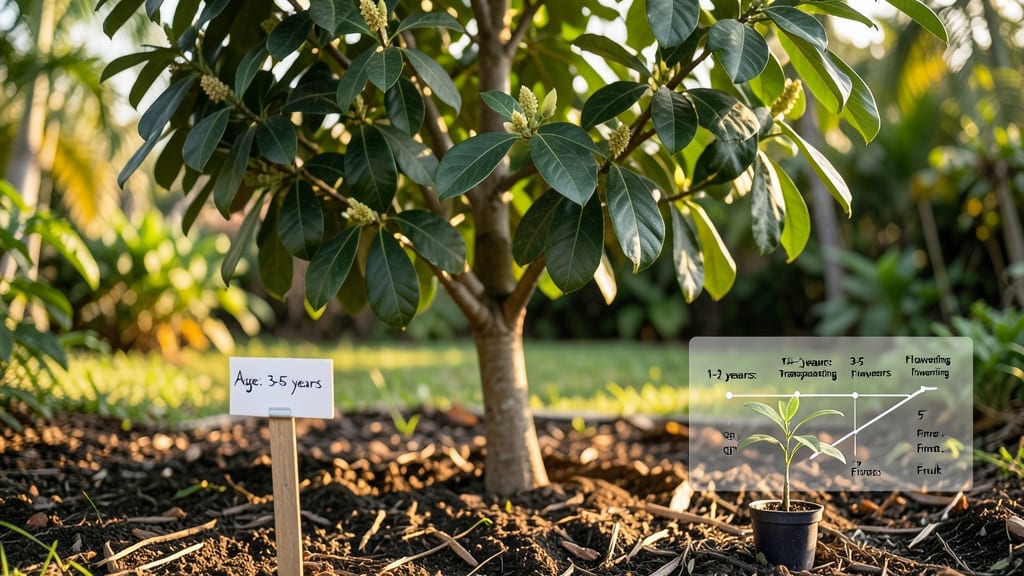
A mango tree to bear fruit takes between 3 and 12 years, depending on your variety and climate—so patience is key, but the wait can be shorter with the right approach.
If you're dreaming of juicy homegrown mangoes but wondering when your tree will finally produce fruit, the answer depends on more than just patience—it hinges on your climate zone, chosen variety, and growing conditions.
Dwarf varieties like "Cogshall" can bear fruit in as little as 3 years, while standard trees like "Keitt" may take 8–12 years in cooler subtropical zones.
The 10–11 USDA zones are the sweet spot for fastest results, but even in warmer areas, proper care can shave years off the timeline.
Below, I’ll break down the exact timeline for your region, share signs your tree is ready to fruit, and reveal the 3 biggest mistakes that delay harvests—so you can enjoy those sweet, tropical flavors sooner.
Mango tree fruit-bearing timeline by climate zone: fastest vs slowest varieties
If you're eager to enjoy homegrown mangoes, the waiting game can feel endless—but it doesn't have to be. The timeframe for mango fruit production varies dramatically based on your climate zone and the variety you choose.
In tropical zones like Florida or Hawaii, some dwarf varieties bear fruit in as little as 3 years, while standard trees in cooler subtropical zones may take 8-12 years to produce their first harvest.
Your USDA hardiness zone plays a critical role. Mangoes thrive in zones 10-11 but can tolerate brief dips to 30°F with protection. In warmer zones, trees enter fruiting stage faster due to longer growing seasons.
Meanwhile, gardeners in zone 9 or cooler must select cold-hardy varieties like 'Cogshall' or 'Julie', which may take 5-7 years to bear fruit.
The fastest-producing varieties are perfect for impatient gardeners. Dwarf varieties like 'Cogshall' or 'Ice Cream' can produce fruit in 3-4 years when grown in ideal conditions. These compact trees (reaching 10-15 feet) are ideal for containers or small yards, making them a practical choice for urban gardeners.
Standard varieties like 'Keitt' or 'Haden' typically take 5-8 years to bear fruit but reward you with larger, more flavorful mangoes. These trees grow 30-100 feet tall, requiring more space and careful pruning to manage their size while encouraging fruiting.
Seasonal timing also matters. Mango trees flower in late winter or early spring, and fruit takes 3-6 months to mature. In tropical zones, you may see two flowering cycles per year, while subtropical zones often experience just one.
This means gardeners in cooler climates should plan for a single annual harvest rather than year-round production.
Now, let's break down the fruit-bearing timelines by climate zone and variety to help you set realistic expectations for your mango tree's first harvest.
As you can see, dwarf varieties in tropical zones are the clear winners for fastest fruit production, while gardeners in cooler climates must exercise patience or invest in greenhouse growing to protect their trees.
The key to accelerating fruiting lies in optimal growing conditions, including well-draining soil, full sun exposure, and consistent watering.
For example, 'Cogshall' mangoes are renowned for their early fruiting and cold tolerance, making them a top pick for gardeners in zones 8-11. If you're in a cooler zone, consider planting your tree near a south-facing wall or using mulch to insulate roots during winter.
This can shave 1-2 years off the fruiting timeline by creating a microclimate that mimics tropical conditions.
Another critical factor is pollination. Mango trees are self-pollinating,
How to accelerate mango fruit production: pro tips for faster harvests
Cutting down the wait time for your mango tree to bear fruit isn’t just luck—it’s science. With the right techniques, you can shave 1-3 years off the typical 3-8 year timeline. The key lies in optimizing soil health, pollination, and growth conditions from day one.
Let’s dive into proven strategies that trigger earlier flowering and fruiting, whether you’re growing dwarf varieties or standard trees.
First, focus on soil enrichment—mango trees thrive in well-draining, slightly acidic soil (pH 5.5-7.5). Amend your soil with compost and a balanced fertilizer (6-6-6 NPK) at planting.
This jumpstarts root development, which directly impacts flowering. For faster results, top-dress with organic matter like aged manure or worm castings every 3-4 months during the growing season.
🔹 Pro Tip: Test your soil’s phosphorus levels—low phosphorus delays flowering. A simple at-home test kit can help you adjust with bone meal or superphosphate.
- 1. Plant in full sun – Ensure 6+ hours of direct sunlight daily to boost photosynthesis and flowering.
- 2. Use dwarf rootstock – Dwarf varieties (e.g., 'Cogshall' or 'Julie') fruit in 2-4 years vs. 5-8 years for standard trees.
- 3. Hand-pollinate flowers – Use a soft brush to transfer pollen between male and female flowers (critical in low-wind areas).
- 4. Prune strategically – Remove water sprouts and dead wood in late winter to redirect energy to fruit production.
- 5. Mulch heavily – Apply 3-4 inches of mulch to retain moisture and regulate soil temperature, reducing stress.
- 6. Monitor humidity – Mangoes need 60-80% humidity; use a mist system or group plants to create microclimates.
Don’t overlook the power of pruning. Strategic pruning in late winter (just before new growth) encourages faster maturation by removing non-fruiting branches and improving air circulation. Aim to keep your tree open and airy—this reduces disease risk and helps flowers receive adequate sunlight, a trigger for fruiting.
For container-grown mangoes, prune more aggressively to maintain size while boosting productivity.
Climate adaptation is another game-changer. If you’re in a cooler subtropical zone (USDA 9-10), protect young trees from late frosts with frost cloth or row covers. In warm temperate zones, provide afternoon shade during summer to prevent heat stress, which can delay flowering.
For container growers, move pots to a sunny patio in winter to extend the growing season.
Finally, pollination is often the missing link. Mango trees rely on bees and wind, but urban gardens may lack natural pollinators. Hand-pollinate flowers with a soft paintbrush in the morning when pollen is fresh. Focus on perfect flowers (those with both male and female parts) to maximize fruit set.
With these tweaks, you could see your first mango harvest in as little as 2 years—or at least cut years off the traditional timeline!