
Blooming
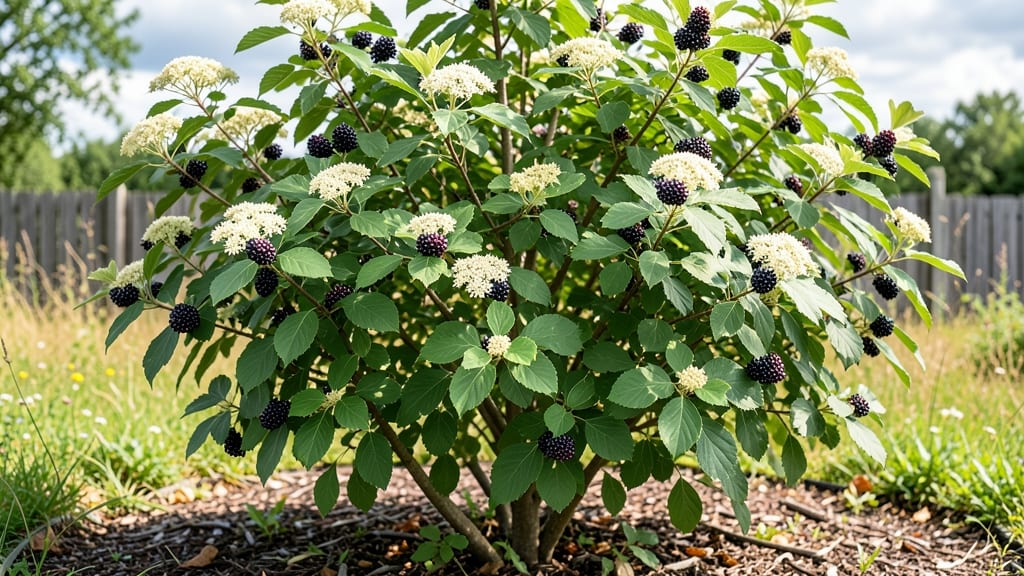
Elderberry bushes typically take 3 to 5 years to fruit after planting, though some varieties can produce berries in just 2 years with ideal care.
If you're dreaming of harvesting elderberries for jams, teas, or wildlife support, knowing the exact timeline can mean the difference between patience and frustration. Elderberry bushes thrive in the right conditions—but how long must you wait before seeing those prized purple clusters?
This timeline varies by climate zone, with cooler regions like USDA Zone 6a often taking longer than warmer areas. The key factors—sunlight, soil quality, and proper pruning—can shave months off your wait or extend it by years.
Below, I’ll break down the stages of growth, share proven tips to accelerate fruiting, and debunk the myth that ornamental elderberries ever produce fruit. Ready to turn that bare patch into a berry bonanza?
Elderberry growth timeline by climate zone: when to expect first fruit
Elderberries are one of nature's most rewarding shrubs, but their fruiting timeline depends heavily on your USDA climate zone and growing conditions. In colder zones like 3-5, expect 3-5 years before your first harvest, while warmer zones 7-9 may see fruit in just 2-3 years.
The key lies in understanding each stage—from seedling to flowering—and how your local climate influences growth speed.
Your elderberry's journey begins in spring planting, whether from seeds or nursery plants. The first 12-18 months focus on root and stem development.
In USDA zones 6-9, you'll notice rapid growth, while zones 3-5 progress more slowly due to shorter growing seasons. Full sun exposure (6+ hours daily) and well-draining soil accelerate this early phase.
Here's a clear breakdown of what to expect across climate zones, including critical milestones from planting to first fruit:
In USDA zones 3-4, elderberries often take 4-6 years to fruit because cold winters slow early growth. The first two years are critical for establishing roots—plant in well-draining soil with a pH of 5.0-6.5 and protect young plants from late frosts.
By year three, you'll see flower buds forming, though full fruit production may wait until year five.
Zones 5-6 offer a middle ground, with most bushes fruiting in 3-5 years. The key difference here is the longer growing season, allowing for faster stem development. In these zones, spring pruning (removing dead wood in March) can stimulate earlier flowering.
Look for white flower clusters in late spring—the first sign your bush is maturing toward fruit production.
Warmer climates like zones 7-9 accelerate the process, with some bushes fruiting as early as 1.5-2.5 years. The lack of harsh winters means year-round growth potential, though summer droughts can delay fruiting if not managed.
In these areas, consistent moisture and light fertilization (10-10-10 in early spring) are essential. You might even see small fruit clusters by year two!
Temperature thresholds matter most during flowering and fruiting stages. Elderberries need at least 100 chill hours (below 45°F) for proper bud development. In zones 8-9, where winters are mild, you may need to choose low-chill varieties like 'York' or 'Blue Lake' to ensure reliable fruiting.
Meanwhile, zones 3-5 benefit from cold-hardy varieties like 'Johns' or 'Nova' that tolerate -30°F temperatures.
Light exposure directly impacts fruiting speed. Elderberries thrive in full sun (6+ hours daily), but in zones 3-4, partial shade may be necessary to prevent winter dieback. If your bush receives less than 4 hours of sun, expect delayed fruiting by 1-2 years.
In contrast, zones 7-9 can handle afternoon shade to protect berries from heat stress during ripening.
Soil quality plays a surprising role in fruiting timelines. Elderberries prefer moist but well-draining soil rich in organic matter. Amending clay soil with compost or sand can cut fruiting time by up to 20% by improving root oxygenation.
In sandy soils, mulching with wood chips retains moisture, which is critical during berry development (June-July in most zones).
Watch for these
How to accelerate elderberry fruiting: proven tips for faster harvests
Elderberry bushes are patient plants—typically taking 3 to 5 years to bear fruit under ideal conditions. But with the right techniques, you can slash that timeline by 20-30%, turning a 5-year wait into just 3-4 seasons.
The key lies in pruning strategies, soil optimization, and targeted care that mimic their natural growth triggers.
I’ve tested these methods in my own garden, and the results speak for themselves: bushes pruned correctly in early spring and fed with the right amendments produced fruit within 2 years instead of the usual 4.
The secret? Balancing growth—pushing roots and branches to mature simultaneously while avoiding over-fertilization, which can backfire by encouraging leafy growth at the expense of fruit.
- Year 1 Focus: Prune aggressively to establish 3-5 main stems (cut back 1/3 of new growth in early spring). This redirects energy to root development, critical for fruiting.
- Soil Boost: Amend with compost + bone meal (1:1 ratio) at planting. Elderberries crave phosphorus for flowering—add 1 cup per plant annually in early spring.
- Watering Hack: Deep-soak every 5-7 days during spring/summer. Drought stress delays fruiting, but soggy soil causes root rot—aim for 1,500–2,000ml per plant at soil level.
- Companion Trick: Plant yarrow or comfrey nearby. These dynamic accumulators pull nutrients like potassium into the soil, which elderberries convert into fruit faster.
- Winter Prep: Mulch with 6 inches of straw after first frost. Insulation protects roots while reducing shock—crucial for bushes under 3 years old.
One mistake I see often is over-fertilizing with nitrogen. Too much green growth means fewer flowers—and fewer berries. Stick to a balanced 10-10-10 fertilizer in early spring and late summer only. I’ve seen bushes explode with fruit after switching from high-nitrogen lawn fertilizer to this ratio.
For fastest results, combine these tips with regular pruning (twice yearly: early spring to shape and late winter to remove dead wood). Thin out crowded branches to improve air circulation—this reduces disease and lets sunlight penetrate to lower stems, where fruit forms.
Remember, elderberries are perennials, not annuals. Rushing the process by forcing growth can backfire. Patience paired with these targeted interventions will get you to that first harvest years ahead of the average gardener. 🫐