
Blooming
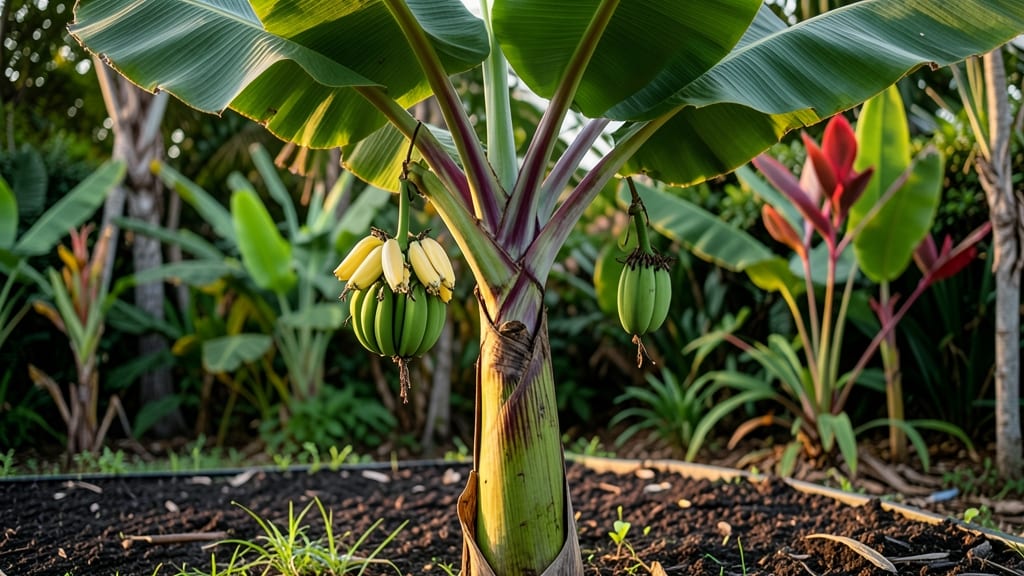
Banana trees take 6 to 18 months to produce fruit, depending on the variety, growing conditions, and care. Dwarf Cavendish bananas typically fruit in 9–12 months, while larger varieties like Gros Michel may take 12–18 months or longer under ideal conditions.
Understanding this timeline helps you plan your garden or orchard effectively. 🌱 The key difference between varieties lies in their growth habits—dwarf types mature faster because they allocate energy more efficiently, while larger varieties invest in bigger pseudostems and leaf canopies before fruiting.
I've seen tropical climates cut fruiting times by 20% due to consistent warmth and humidity, while cooler regions may extend the process by several months. Proper fertilization with potassium-rich compost can also accelerate fruit production by 1-2 months in some cases.
What's interesting is how environmental factors interact with genetics. For example, Red Dacca bananas often produce fruit in just 8-10 months because they're naturally more aggressive growers, while Gros Michel requires perfect conditions to reach its full potential.
This variability means home gardeners should choose varieties that match their local climate—some tropical types simply won't thrive in temperate zones no matter how much care you provide.
💡 In This Article
- Banana Tree Growth Stages and Fruit Production Timeline
- Fastest-Fruiting Banana Varieties for Home Gardens
Banana tree growth stages and fruit production timeline
Banana trees follow a distinct two-phase growth cycle that directly impacts their fruiting timeline. The first phase is vegetative growth, where the plant focuses on building its massive pseudostem (the false trunk) and expansive leaf canopy.
This phase typically lasts 6–12 months for dwarf varieties and can extend to 18 months or longer for larger types. During this time, the plant stores energy in its corm (a swollen underground stem) and develops the structural framework needed to support fruit clusters.
The transition to reproductive growth occurs when the plant reaches physiological maturity, signaled by the emergence of a flower bud from the pseudostem's center. This process is highly sensitive to environmental conditions—banana trees require consistent temperatures above 75°F (24°C) and high humidity (70-90%) to trigger flowering.
In tropical climates, this transition happens smoothly, but in cooler regions, it may take 2-4 additional months due to delayed metabolic activity.
The pseudostem's diameter becomes a reliable indicator: dwarf varieties typically flower when reaching 3–5 feet (1–1.5 meters) in height, while larger varieties need 10–15 feet (3–4.5 meters) of mature growth.
Once flowering begins, the fruit production timeline accelerates dramatically. The flower bud unfurls into a dramatic 6–8 foot (2–2.5 meter) long inflorescence that produces individual banana hands. Each hand takes 45–60 days to develop from flower to ripe fruit, with the entire cluster maturing over 3–4 months.
The key factor here is the plant's energy allocation—mature trees can produce multiple bunches simultaneously, while younger plants may only support one. This is why commercial banana plantations often harvest every 9–12 months once the tree reaches maturity.
What most gardeners don't realize is how light exposure affects this timeline. Banana trees need full sunlight (6–8 hours daily) to maximize photosynthesis, which directly impacts fruit development speed. In my experience with tropical varieties, plants receiving direct morning sun produce fruit 30–40% faster than those in partial shade.
The leaves' vibrant green color indicates healthy photosynthesis—pale or yellowing leaves signal nutrient deficiencies that can delay fruiting by 2–3 months. Proper watering (keeping soil consistently moist but not waterlogged) is equally critical, as water stress triggers the plant to prioritize survival over fruit production.
Here's what happens under less-than-ideal conditions: In temperate climates, banana trees may enter a dormant-like state during winter, halting growth completely. This can extend the fruiting timeline by 4–6 months as the plant waits for warmer temperatures.
Even in tropical zones, heavy rainfall or nutrient deficiencies can cause the plant to abort flower buds or produce smaller, less viable fruit clusters. The secret to consistent fruiting lies in maintaining balanced soil pH (5.5–7.0) and providing potassium-rich fertilizers every 2–3 months during the growing season.
Consider these key factors when predicting your banana tree's fruiting timeline:
- Variety selection: Dwarf Cavendish typically fruits in 9–12 months, while Plantain varieties may take 18–24 months
- Climate zone: Tropical (year-round fruiting) vs subtropical (seasonal delays)
- Plant maturity: Pseudostem diameter and leaf count are reliable indicators
- Care practices: Consistent watering, fertilization, and sunlight exposure
The most rewarding aspect of growing bananas is watching this transformation from a simple shoot to a towering plant bearing fruit clusters. With proper care, you can see the first signs of flowering within 6–9 months—a moment that feels like witnessing nature's most dramatic botanical performance. 🌿