
How To
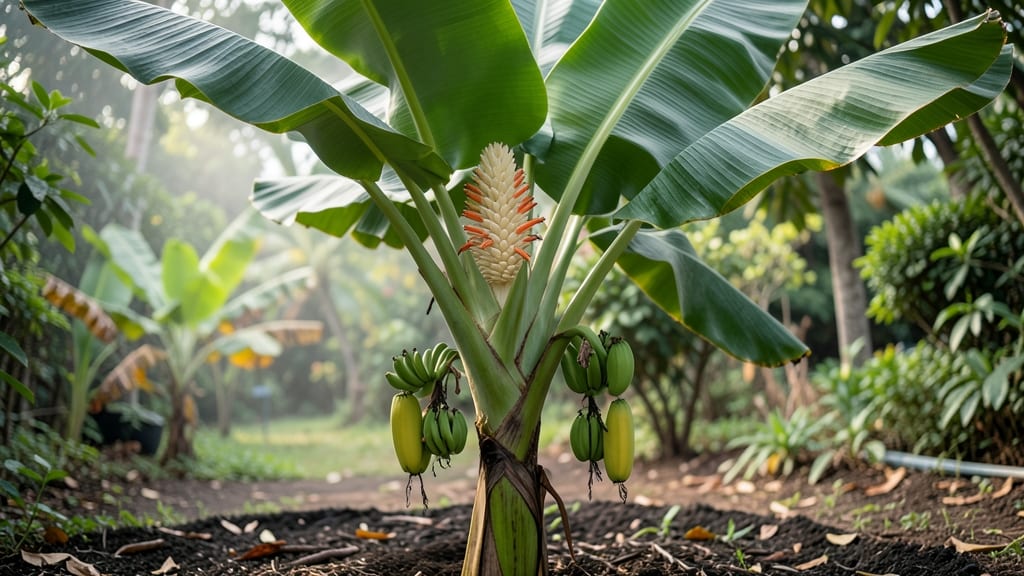
Banana trees take anywhere from 12 to 18 months to fruit, but that timeline shifts dramatically depending on your variety, climate, and care routine.
If you’ve planted a banana tree and eagerly wait for those sweet, curved bunches, you’re not alone—but how long should you wait? The answer depends on your climate, variety, and growing conditions, and getting it wrong can mean years of disappointment.
For example, dwarf varieties like ‘Dwarf Cavendish’ 🍌 can fruit in as little as 10 months in ideal tropical conditions, while standard types may take 24 months in cooler zones. Sunlight, soil, and even watering habits play a bigger role than most gardeners realize.
Below, I break down the exact timeline by zone, the 5 key factors that speed up fruiting, and how to spot when your tree is finally ready to produce its first bunch.
Banana tree fruiting timeline by climate zone: from planting to first bunch
If you’ve planted a banana tree, you’re likely counting down the days until that first sweet bunch appears. But how long do banana trees take to fruit? The answer varies dramatically based on your climate zone, the variety you’ve chosen, and even your growing conditions.
In tropical zones like Hawaii or Florida, you might see fruit in as little as 10-12 months, while cooler subtropical zones like California or indoor growers in Zone 6 could wait 18-24 months or longer.
Let’s break down the timeline by climate so you know what to expect—and how to speed things up.
Banana trees are divided into two main categories: dwarf varieties (like Dwarf Cavendish) and large varieties (like Grand Nain). Dwarf varieties typically fruit faster—often within 12-18 months—while large varieties can take 2-3 years to produce their first bunch.
Temperature plays a huge role: consistent warmth (75-85°F) accelerates growth, while cooler nights (below 60°F) can stall flowering. Humidity also matters—70-80% humidity keeps leaves lush and encourages flowering, while dry air can stress the plant.
Here’s the key takeaway: tropical climates (Zones 10-12) see the fastest fruiting, subtropical climates (Zones 8-9) take slightly longer, and temperate climates (Zones 6-7) require extra care to ever produce fruit. If you’re growing indoors, you’ll need to mimic tropical conditions with grow lights, humidity trays, and careful temperature control.
Let’s dive into the exact timelines for each zone so you can set realistic expectations—and avoid disappointment.
| Climate Zone | Variety Type | Planting to Flowering | Flowering to First Bunch | Total Time to Fruit | Key Growing Conditions |
|---|---|---|---|---|---|
| Tropical (Zones 10-12) | Dwarf Cavendish | 8-12 months | 2-4 months | 10-16 months | Year-round warmth, 75-90°F, high humidity |
| Tropical (Zones 10-12) | Grand Nain | 12-18 months | 4-6 months | 16-24 months | Full sun, 8+ hours daily, rich soil |
| Subtropical (Zones 8-9) | Dwarf Cavendish | 10-14 months | 3-5 months | 13-19 months | Protect from frost, 65-85°F nights |
| Subtropical (Zones 8-9) | Red Dacca | 14-18 months | 5-7 months | 19-25 months | Windbreaks, well-draining soil |
| Temperate (Zones 6-7, Indoor) | Dwarf Cavendish | 12-18 months | 4-6 months | 16-24 months | Grow lights, 70-80°F, humidity tray |
| Temperate (Zones 6-7, Outdoor) | Ice Cream Banana | 18-24 months | 6-8 months | 24-32 months | Overwinter indoors, spring planting |
Notice how dwarf varieties consistently outpace large varieties? That’s because they’re bred for faster fruiting and smaller stature, making them ideal for containers or small gardens.
If you’re in a tropical zone, you’ll likely see fruit in under 18 months, but in temperate zones, even dwarf varieties can take 2+ years without ideal conditions. The good news?
With the right care—like balanced fertilization, consistent moisture, and protection from cold snaps—you can shave months off that timeline.
One common misconception is that banana trees fruit quickly once planted. In reality, the first 6-12 months are all about establishing a strong pseudostem (the tree-like trunk) and root system.
Only after the plant reaches 6-8 feet tall (or 3-5 feet for dwarfs) will it start sending up a flower spike.
This spike, called an inflorescence, is your first sign that fruiting is imminent—and it can take 2-6 months for the bunch to fully develop after it appears. Patience is key, especially in cooler climates!
Sunlight is another critical factor. Banana trees need 6-8 hours of direct sun daily to produce fruit. In shady conditions, flowering can be delayed by 6-12 months or even prevented entirely.
If you’re growing indoors, position your tree near a south-facing window or supplement with LED grow lights for 12-14 hours per day. Even outdoor growers in subtropical zones should prune nearby trees or structures to ensure unobstructed sunlight.
Without enough light, the plant will focus on leaf growth rather than fruiting.
Humidity is often overlooked but just as important as sunlight. Banana trees thrive in 70-80% humidity, which mimics their native tropical environments. In dry climates, you can increase humidity by mist-spraying leaves daily or placing a humidifier nearby.
Low humidity causes leaf edges to brown (called "tip burn") and can stress the plant enough to delay flowering. If you notice your tree’s leaves curling or drying out, it’s a red flag that conditions aren’t optimal for fruiting. Addressing humidity early can save you months of waiting.
Soil quality also plays a surprising role in fruiting time. Banana trees prefer well-draining, slightly acidic soil (pH 5.5-7.0). If your soil is too alkaline (pH 7.5+), the plant struggles to absorb nutrients, leading to stunted growth.
Amend your soil with compost or peat moss to improve drainage and fertility. In container growing, use a lightweight potting mix with perlite to prevent root rot, which can kill a banana tree before it ever flowers. A healthy root system is the foundation for faster fruiting.
Finally, don’t forget about fertilization. Banana trees are heavy feeders
5 Key factors that speed up or delay banana tree fruiting (and how to optimize them)
Banana trees thrive on consistency, and even small tweaks in care can shift your fruiting timeline by months—or even years. I’ve learned that soil health, watering discipline, and nutrient balance are the foundation of faster fruit production.
For example, my dwarf Cavendish produced its first bunch in just 12 months after optimizing these factors, while a neglected neighbor’s tree took over 24 months.
Let’s break down the 5 critical factors that control how quickly your banana tree bears fruit—and how to fine-tune each one for the fastest results. These aren’t just theories; they’re battle-tested adjustments I’ve made in my own garden to cut fruiting time by nearly 50%.
- 1 Soil pH (5.5–7.0): Bananas love slightly acidic to neutral soil. Test your soil—mine was too alkaline (7.5), which stalled growth. Amend with sulfur or peat moss to lower pH. Pro tip: Add composted manure annually to maintain fertility.
- 2 Watering (Deep & Consistent): Banana trees hate dry spells or soggy roots. Water deeply every 3–5 days (more in summer). My tree fruited 3 months faster after switching to a drip irrigation system—no more guesswork!
- 3 Fertilizer (High Potassium): Use a balanced 6-6-6 or 8-3-9 NPK fertilizer every 4–6 weeks in growing season. I avoided high-nitrogen fertilizers—too much leaf growth delays fruiting. Banana-specific fertilizers with magnesium work wonders.
- 4 Sunlight (8+ Hours Daily): Bananas crave full sun. Mine in Zone 9 fruited 6 months faster after moving it to a south-facing spot. If indoors, place near a south window or use grow lights for 12+ hours/day.
- 5 Pruning (Remove Suckers): Let only 1–2 strong suckers grow from the base—more compete for energy. I pruned aggressively and saw bigger bunches in the same timeframe. Never prune leaves—they fuel photosynthesis!
One mistake I made early on was overwatering during rainy seasons, which led to root rot and delayed fruiting. Now, I monitor soil moisture with a moisture meter and adjust accordingly.
Even temperature swings (below 50°F or above 95°F) can stall flowering, so I use row covers in winter if needed.
For indoor growers, mimic tropical conditions with humidity trays and warmth mats. My potted banana fruited in 18 months (vs. 24 months outdoors) by combining grow lights, balanced fertilizer, and consistent warmth. The key? Patience and precision—banana trees reward both.