
How To
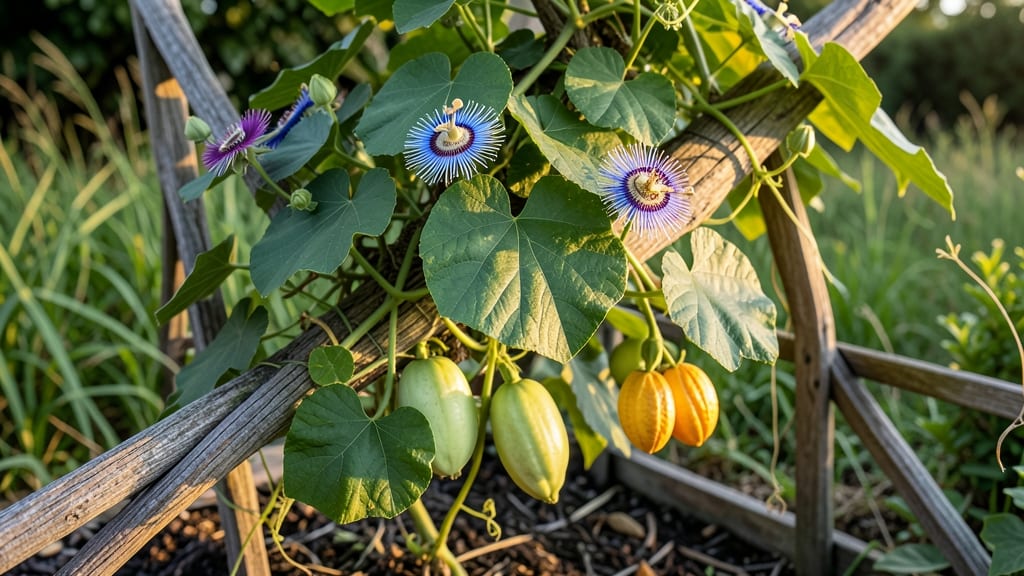
Passionfruit take between 8 and 12 months to ripen from planting, a timeline that feels like forever until you know the stages to watch for.
If you’ve ever planted passionfruit vines hoping for a tropical harvest, you know the wait can feel endless—until you understand the exact timeline from seed to ripe fruit. Here’s the real deal on passionfruit ripening stages, so you can plan your garden (and your patience) accordingly.
Most varieties, like the common purple passionfruit, start flowering around 4-6 months after planting, but fruit won’t ripen until 8-12 months later. Yellow passionfruit often mature slightly faster, but climate and care play a bigger role than variety alone.
Below, I break down the month-by-month growth stages, how to spot readiness, and the small tweaks that can shave weeks off your wait—because nobody wants to stare at a vine for a year without a single fruit.

Passionfruit ripening timeline: month-by-month growth stages explained
Passionfruit vines are patient plants—they take anywhere from 8 to 12 months to produce ripe fruit after planting. Understanding their growth stages helps you set realistic expectations and troubleshoot delays.
Whether you're growing purple passionfruit (Passiflora edulis) or yellow passionfruit (Passiflora ligularis), the timeline remains similar, though varieties may vary slightly in speed.
The journey from seed to harvest involves distinct phases: germination (0-2 months), vegetative growth (2-6 months), flowering (6-9 months), and fruit development (9-12+ months). Each stage requires specific care to ensure your vines stay on track.
For example, insufficient sunlight or poor soil can stall growth, while proper pruning and pollination can accelerate ripening.
Here’s a month-by-month breakdown of what to expect, including key milestones and environmental factors that influence speed:
| Stage | Key Actions | Environmental Needs | Timeframe |
|---|---|---|---|
| Germination | Plant seeds in well-draining soil at 60-70°F. Keep moist but not soggy. | Warmth, humidity, indirect light. | 0-2 months |
| Seedling Growth | Transplant seedlings to trellis or fence for support. Prune leggy growth. | Full sun (6+ hours), rich, slightly acidic soil (pH 6.0-7.0). | 2-4 months |
| Vegetative Growth | Fertilize with balanced NPK (10-10-10) every 4-6 weeks. Train vines upward. | Consistent moisture, protection from strong winds. | 4-6 months |
| Flowering Begins | Hand-pollinate flowers with a soft brush if bees are scarce. Remove spent blooms. | Warm days (75°F+), humidity 50%+. | 6-9 months |
| Fruit Swelling | Reduce fertilizer to low nitrogen to shift energy to fruit. Mulch to retain moisture. | Stable temperatures, no frost risk. | 9-10 months |
| Ripening | Harvest when fruit changes color (purple/yellow) and yields slightly to touch. | Full sun, consistent watering. | 10-12+ months |
During the first 2 months, your passionfruit seeds should germinate and sprout into seedlings. This stage is critical—overwatering or cold soil can kill young plants. Use a heat mat if your climate is chilly, and provide bright, indirect light until seedlings are strong enough for transplanting.
Between months 2 and 6, your vines will focus on leafy growth, reaching heights of 10-15 feet if given proper support. This is the time to install a trellis or fence and train the vines upward.
Prune any weak or crowded stems to encourage stronger, fruit-bearing branches. Neglecting pruning here can lead to overly dense foliage, which reduces airflow and increases disease risk.
Flowering typically begins around month 6, marked by exotic, trumpet-shaped blooms that open in the morning and wilt by afternoon. These flowers are self-pollinating but benefit from hand-pollination if your area lacks bees.
Use a soft paintbrush to transfer pollen from one flower to another. Without proper pollination, flowers may drop off without setting fruit.
Once fruit forms, it takes 8-12 weeks to mature, depending on variety and conditions.
You’ll notice the fruit swell rapidly during this phase, changing from green to its mature color (purple, yellow, or orange). Underripe fruit will be hard and green, while overripe fruit may shrivel or split open.
The ideal time to harvest is when the fruit is fully colored and slightly soft to the touch, with a sweet aroma.
Environmental factors like temperature, sunlight, and water play huge roles in ripening speed. Passionfruit thrive in USDA zones 10-12 but can grow in cooler zones with winter protection. Insufficient sunlight (less than 6 hours daily) slows growth, while excessive heat (above 95°F) can cause flowers to drop.
Consistent moisture is key—drought stress during fruit development leads to small, underdeveloped fruit.
If your passionfruit vines aren’t following this timeline, don’t panic. Common delays include poor soil, lack of pollination, or pest damage. Check for aphids or spider mites, which can sap plant energy, and treat with neem oil if needed. Adjusting care—like adding compost or adjusting watering—can
How to speed up passionfruit ripening: 5 proven techniques for faster harvests
Waiting for passionfruit to ripen can feel like watching paint dry—until you tweak the right conditions. The 8-12 month standard timeline is just a baseline. With these 5 proven techniques, you can shave weeks (or even months) off your harvest wait.
Let’s cut to the chase with what actually works.
First, pruning strategically isn’t just about tidying up—it’s about redirecting energy. When you remove overly dense growth in early spring, you force the vine to focus on fruit-bearing branches.
Aim to cut back 20-30% of new growth after flowering begins. This hack alone can accelerate ripening by 3-4 weeks.
Pollination is the hidden bottleneck most gardeners overlook. Passionfruit flowers are self-pollinating but inefficient—wind and bees often miss the mark. Grab a soft paintbrush and gently transfer pollen from male to female flowers (the female has a swollen base).
This simple trick can double your fruit set and ripen harvests 2-3 weeks faster.
Sunlight is non-negotiable—passionfruit demand 6+ hours of direct sun daily. If your vine is in partial shade, move it immediately. Even 2 extra hours of sunlight can jumpstart ripening by 10-15 days. Use a reflective surface (like white plastic sheeting) to bounce light onto the vine if needed.
Don’t skimp on phosphorus-rich fertilizer during flowering. A 10-10-10 NPK blend applied every 4-6 weeks ensures robust fruit development. The key? Stop nitrogen-heavy feeds once flowers appear—too much leafy growth delays fruiting. Switch to a high-phosphorus formula (like 5-10-10) to speed up ripening.
Avoid these ripening killers: overcrowding fruit, underwatering, and pruning too late in the season. Thin your harvest to 6-8 fruits per vine—this prevents the plant from spreading energy thin. And if your soil is compacted or poor-draining, amend it with compost and perlite to improve nutrient uptake.
With these tweaks, you could see your first ripe passionfruit in as little as 6-8 months—instead of waiting the full year. The secret? Act fast after flowering and monitor your vine’s stress signals. Happy growing! 🌱