
Fertilization
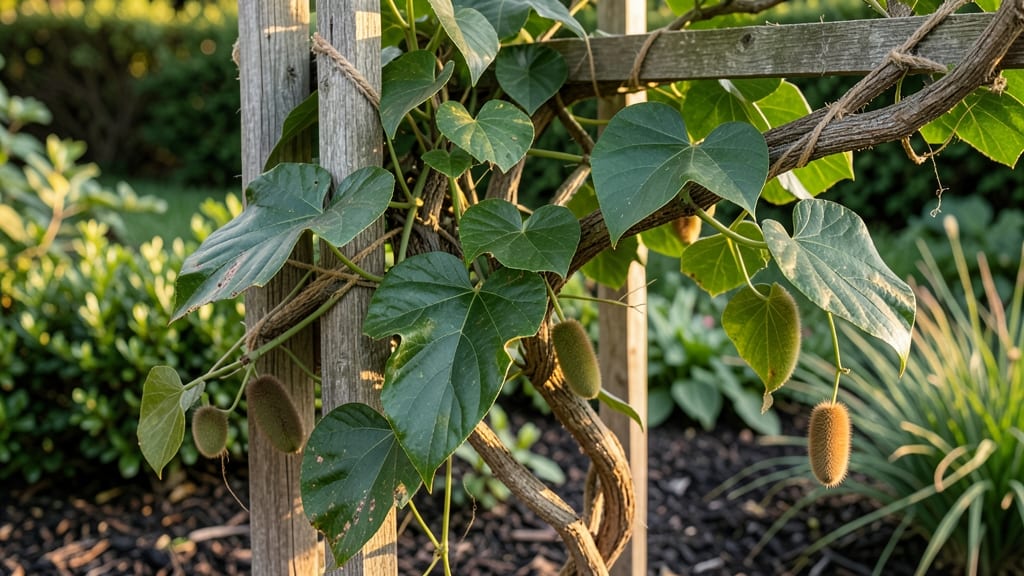
Growing kiwi fruit from vines means transforming your backyard into a tropical oasis—even in temperate climates. 🌿 The secret lies in mimicking New Zealand’s native conditions with the right soil, support structure, and patient care.
My first harvest taught me that kiwi vines aren’t just decorative; they’re high-yielding powerhouses when given the right conditions.
These vigorous climbers need well-draining soil rich in organic matter, a sturdy trellis or arbor for support, and 6-8 hours of sun daily. Hardy kiwi (Actinidia arguta) thrives in cooler zones, while fuzzy kiwi (Actinidia deliciosa) prefers milder climates.
Plant male and female vines for pollination—without both, you’ll have zero fruit despite all your efforts.
By year three, you’ll see foot-long vines laden with vitamin C-packed fruit, their bright green skins ripening to a buttery texture. The key is consistent watering (1-2 inches weekly) and winter protection in colder regions.
Prune annually to encourage airflow and fruit production—my vines now produce 50+ pounds of kiwis each season.
Perfect for adventurous gardeners with space for climbing plants. Whether you’re in Zone 5 or 9, these tips will turn your yard into a kiwi-producing paradise. Let’s get those vines growing!
📚 In This Guide
- What you need
- Instructions
- Tips and common mistakes
- Wrapping up and next steps
What you need
- ● Kiwi Vines: Choose disease-resistant varieties like Hayward (female) or Matua (male). You’ll need at least 1 female vine for every 6-8 male vines for pollination.
- ● Trellis System: A sturdy wooden or metal trellis (10-12 ft tall) with horizontal wires or branches spaced 3-4 ft apart.
- ● Strong twine or zip ties for securing vines (50+ ft per vine).
- ● Soil Amendments: Compost or well-rotted manure (5-10 lbs per planting hole) for nutrient-rich soil.
- ● Balanced fertilizer (10-10-10 or 5-10-10, 1 lb per vine) at planting and during fruiting.
- ● Pruning Tools: Bypass pruners (sharp, clean) for cutting canes.
- ● Loppers (for thicker branches) and hand saw (for large wood).
- ● Irrigation Supplies: Drip irrigation kit or soaker hoses (kiwi vines need 1-2 inches of water weekly).
- ● Mulch (straw or wood chips, 2-3 inches deep) to retain moisture.
- ● Frost Protection: Row covers or frost cloth for young vines (kiwi is not frost-tolerant!).
- ● Pollination Aid: A small paintbrush to hand-pollinate flowers if bees are scarce.
- ● Support Stakes: Temporary stakes for training young vines (until they reach the trellis).
- ● Harvest Bags: Mesh bags to protect fruit from birds or pests.
Step-by-step guide to growing kiwi vines for abundant fruit
Kiwi vines thrive with the right support and care—here's how to coax sweet, fuzzy fruit from your own backyard.
🌱 Step 1: Select and Prepare the Right Vine Variety
Choose a hardy kiwi vine like 'Issai' (self-pollinating) or 'Hayward' (needs a second vine). Kiwi vines are dioecious, meaning male and female flowers grow on separate plants—unless you pick a self-pollinating variety. Order bare-root plants from a reputable nursery in early spring for best results.
Before planting, soak the roots in lukewarm water for 2-3 hours to revive dormant roots. This jumpstarts growth and helps the vine establish faster. Handle roots gently—they bruise easily, which slows root development. Planting a male and female vine ensures proper pollination and fruit set, even if you're not growing a self-pollinating variety.
☀️ Step 2: Plant in a Sunny, Sheltered Location
Kiwi vines need 6-8 hours of direct sunlight daily and a sturdy trellis or fence for support. Choose a site with well-draining soil and a pH between 5.5 and 7.0. Amend heavy clay soil with compost or aged manure to improve drainage and fertility.
Dig a hole twice as wide as the root ball but no deeper. Position the vine so the graft union (swollen area near the base) sits 2-3 inches above soil level. This prevents water from pooling around the graft, which can rot the plant. Backfill with native soil, tamping gently to eliminate air pockets.
🪴 Step 3: Install a Strong Support Structure
Kiwi vines can grow 20-30 feet long in a single season, so install a permanent trellis, arbor, or fence before planting. Use 4x4 posts buried 3 feet deep and spaced 12-15 feet apart for heavy vines. Attach horizontal wires or cables at 6-8 foot intervals to guide the vine's growth.
Train the main stem vertically along the trellis, securing it with soft plant ties every 3-4 feet. Avoid metal ties—they can cut into the bark as the vine thickens. Prune side shoots to 2-3 buds to encourage a strong central leader. This framework ensures the vine grows upward efficiently and supports the weight of fruit.
💧 Step 4: Water and Fertilize for Optimal Growth
Water deeply 2-3 times per week during the first growing season, keeping the soil evenly moist but not soggy. Kiwi vines have shallow roots, so mulch with 3-4 inches of organic mulch (like wood chips) to retain moisture and regulate soil temperature. Avoid piling mulch against the stem to prevent rot.
Fertilize in early spring with a balanced 10-10-10 fertilizer, then switch to a low-nitrogen, high-potassium formula (5-10-10) once flowers appear. This shift promotes fruiting over leafy growth. Test soil annually—kiwi vines are heavy feeders and benefit from compost tea or worm castings for micronutrients.
✂️ Step 5: Prune and Train for Fruit Production
Prune in late winter or early spring before new growth begins. Remove dead, diseased, or crossing branches first, then thin out weak or overcrowded shoots. Leave 4-6 strong canes per vine, cutting back older wood to encourage new, fruiting growth. Kiwi vines fruit on second-year wood, so pruning stimulates next year's crop.
Train new shoots along the trellis wires, tying them loosely to avoid constricting the bark. Harvest fruit in late fall, when the skin turns a dull brown and the flesh softens slightly. Kiwi vines can produce for 20+ years with proper care—patience pays off in bountiful harvests.
Tips & tricks for growing thriving kiwi vines
Here's what I've learned from years of growing kiwi vines—these details make all the difference between a struggling plant and a fruit-bearing powerhouse.
Root Revival: That 2-3 hour root soak in lukewarm water isn't just about hydration—it's about waking up dormant cells. I like to add a splash of seaweed extract (optional) to the water for extra growth hormones. The key is maintaining that lukewarm temperature—too hot and you'll scald the roots, too cold and you won't activate growth.
Sunlight Strategy: While 6-8 hours of sunlight is ideal, kiwi vines can tolerate partial shade if you're in a hot climate. However, I've noticed that vines in partial shade produce smaller fruit. If you must shade, position it to block afternoon sun rather than morning light—this prevents leaf scorch while still allowing enough energy for fruiting.
Support System: Don't skimp on the trellis construction! I've seen vines snap their own supports when loaded with fruit. Use galvanized wire for the horizontal supports—it's stronger than regular wire and won't rust. The 3-4 foot spacing for ties might seem tight, but it prevents the vine from flopping over as it grows. I also recommend installing a second trellis system (optional) for heavy fruiting varieties like Hayward, as the weight can be substantial.
Pruning Precision: When pruning to 4-6 strong canes, look for canes that are at least 1/4 inch thick at the base. Thin out any canes growing toward the center of the vine—they'll compete for sunlight and resources. I've found that keeping the central leader straight up helps maximize sunlight exposure to all canes, which translates to more fruit. The late winter timing is crucial because you want to prune before the vine starts its spring growth surge.
Pro Tips for How Is Kiwi Fruit Grown
- Here's what I've learned from years of growing kiwi vines—these details make all the difference between a struggling plant and a fruit-bearing powerhouse.
- Root Revival: That 2-3 hour root soak in lukewarm water isn't just about hydration—it's about waking up dormant cells.
- Sunlight Strategy: While 6-8 hours of sunlight is ideal, kiwi vines can tolerate partial shade if you're in a hot climate.
Frequently asked questions
Got questions about growing kiwi fruit? You’re not alone! Whether you're a backyard gardener or a curious fruit enthusiast, here are some of the most common questions—and answers—to help you grow your own delicious kiwi vines.
How long does it take for a kiwi plant to bear fruit?
A kiwi vine typically takes 3 to 5 years to produce fruit after planting, depending on the variety and growing conditions. Patience is key—young vines focus on establishing roots and vines before flowering. Pro tip: Choose dwarf or self-pollinating varieties (like ‘Issai’) for faster, smaller-scale harvests!
Can kiwi vines survive in cold climates?
Kiwi vines thrive in USDA Zones 7-9, but some hardy varieties (like ‘Hardy Kiwi’) can tolerate brief dips to 10°F (-12°C). In colder regions, plant vines near a south-facing wall or use mulch and frost cloth to protect roots. Warning: Young vines are more vulnerable—wait until they’re established before winter hits!
Why aren’t my kiwi flowers turning into fruit?
Missing fruit? Common culprits include:
- Lack of pollination: Kiwi vines need cross-pollination (plant male and female vines nearby or hand-pollinate with a brush).
- Improper fertilization: Kiwis need balanced NPK (10-10-10) + micronutrients like magnesium and zinc.
- Temperature stress: Flowers drop if temps dip below 50°F (10°C) during bloom.
- Young vines: First 2–3 years may produce flowers but no fruit.
Can I grow kiwi in containers, or do they need a trellis?
Yes! Kiwi vines love climbing, so a trellis, arbor, or sturdy fence is ideal for outdoor growth. For containers, choose dwarf varieties (like ‘Baby Gold’) and use a 15+ gallon pot with well-draining soil. Key tip: Train vines with soft ties to avoid damaging stems—think of it like teaching a kid to ride a bike (patience + support!).
What’s the difference between fuzzy kiwi and smooth kiwi?
The classic fuzzy kiwi (Actinidia deliciosa) has edible, fuzzy skin and needs a male vine for pollination. Smooth kiwi (Actinidia arguta) has thin, hairless skin and often self-pollinates—plus, it’s sweeter and more cold-hardy! Choose based on your climate and whether you prefer ease or tradition.
How do I protect my kiwi vine from pests and diseases?
Kiwi vines face threats like:
- Vine borers: Remove damaged wood and apply neem oil preventatively.
- Powdery mildew: Space plants for airflow and spray with baking soda solution (1 tbsp per gallon of water).
- Birds/squirrels: Use netting over fruit once it forms.
Wrapping up and next steps
Growing kiwi fruit is a rewarding journey that blends patience, care, and a touch of tropical flair! 🌱 From selecting the right vines to mastering fertilization and pruning, each step plays a crucial role in unlocking those sweet, vibrant fruits.
Whether you're a backyard gardener or a small-scale farmer, the key is consistency—soil health, proper support, and seasonal attention will set you up for success.
Ready to take the next step? Start small—plant a few vines, experiment with techniques, and let nature do the rest. With time, you’ll be harvesting your own homegrown kiwis, brimming with pride (and maybe even a few extra slices for your smoothies!). 🍈✨