
Size
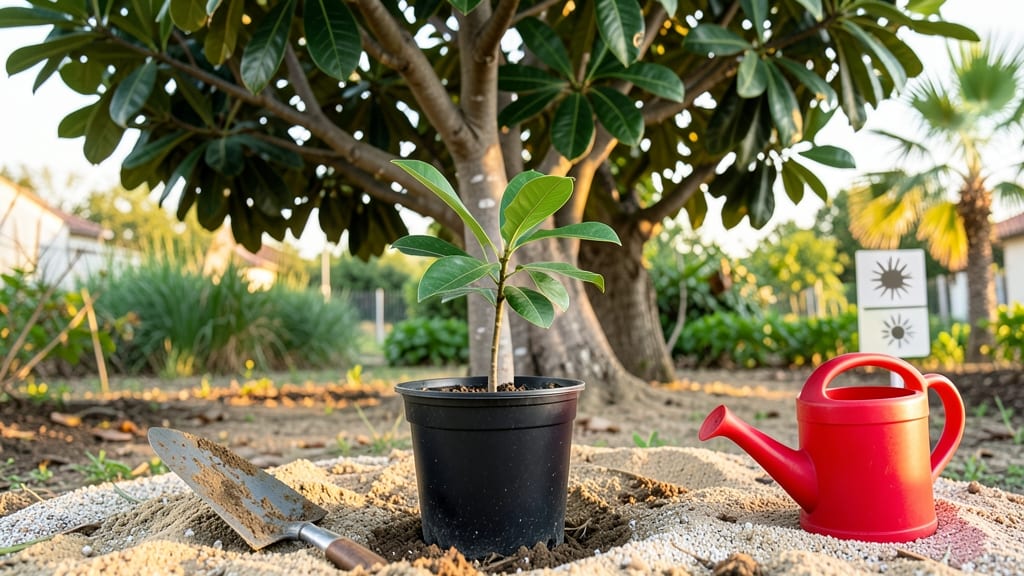
Growing lychee fruit at home means trading patience for the sweetest tropical reward. 🌿 These exotic trees need warm climates and years of care before they bear fruit, but the first harvest makes it all worth it.
I planted mine as a sapling after years of dreaming about fresh lychees—now, I get 50-pound boxes from a single tree every summer.
You’ll need a spot with full sun, well-draining soil, and protection from strong winds—lychees thrive in USDA zones 10-12 but can grow in containers in warmer areas. Start with a young tree (not seeds) from a reputable nursery, and expect 3-5 years before your first fruit.
The key is consistency: water deeply but avoid soggy roots, and fertilize lightly with citrus-specific nutrients during growing season.
Once established, your tree will reward you with glossy pink flowers that turn into those signature translucent fruits. Prune lightly after harvest to shape the tree and remove dead wood, but avoid heavy cuts—lychees fruit on new growth.
The real magic happens when you crack open that first fruit: the sweet, floral flavor tastes nothing like store-bought versions.
Container growing works in warm microclimates—just use a 15-gallon pot or larger and move it indoors when temperatures drop below 40°F. For best results, choose cold-hardy varieties like 'Groff' or 'Mauritius,' and be prepared for the long game.
The wait is the hardest part, but trust me—those first lychees will change how you think about homegrown fruit forever.
📚 In This Guide
- What you need
- Instructions
- Tips and common mistakes
- Wrapping up and next steps
What you need
- ● Lychee Seeds or Saplings: 1-2 healthy seeds (from organic lychees) or 1-2 nursery-grown saplings (3-5 feet tall, grafted for better fruit quality).
- ● Well-Draining Soil: 5-10 bags of a mix of sandy loam (60%), peat moss (20%), and compost (20%). pH should be 5.0–6.5 (test with a soil pH kit).
- ● Pot or Planting Site: For seeds: 1-2 5-gallon pots with drainage holes (or a larger container for multiple seeds).
- ● For saplings: A 10–15 gallon pot or a sunny, sheltered outdoor spot (lychees thrive in USDA Zones 10–12; colder climates need containers for winter).
- ● Fertilizer: Balanced fertilizer (e.g., 10-10-10 NPK) for seedlings.
- ● Citrus/acid-loving plant fertilizer (e.g., 8-3-9 with micronutrients) for mature trees (apply every 2–3 months).
- ● Mulch: 2–3 inches of pine bark or wood chips to retain moisture and regulate soil temperature.
- ● Basic Gardening Tools: Trowel, pruning shears, and gloves.
- ● Watering Can or Hose: With a gentle spray nozzle (lychees hate soggy roots!).
- ● Thermometer: To monitor soil temperature (ideal: 75–85°F for germination).
- ○ Shade Cloth (Optional): 30–50% coverage for young plants in hot climates.
- ○ Humidifier or Mist System (Optional): For indoor seed germination or dry climates.
- ● Climate: Lychees need warmth year-round (no frost!). If you’re in a cooler zone, plan for container growing and indoor overwintering.
- ● Time Commitment: Seedlings take 5–7 years to bear fruit; saplings may fruit in 2–3 years.
- ● Patience: Lychee trees are slow-growing but rewarding—think of them as a long-term investment!
Step-by-step guide to growing lychee fruit at home
Here's how to nurture this exotic tropical treasure in your own yard—even if you don't live in a warm climate.
🌱 Step 1: Select and Prepare Your Lychee Tree
Start with a healthy 2-3 year old lychee tree from a specialty nursery. Young trees adapt better to transplanting than mature specimens. Look for a plant with vibrant green leaves and no signs of pests—lychee trees are sensitive to stress, so choose carefully. I always inspect the roots before purchase; they should be white and firm, not brown or mushy.
If you're growing from seed (which takes 10-15 years to bear fruit), use fresh seeds from a ripe lychee. Soak them in warm water for 24 hours to soften the hard outer shell, then plant ½ inch deep in a well-draining mix. Keep the soil consistently moist until germination, which can take 30-90 days. Real talk: Grafted trees are your best bet for faster fruit production.
☀️ Step 2: Choose the Perfect Location and Soil
Lychee trees thrive in USDA zones 10-12, but with care, you can grow them in containers and overwinter them indoors. Plant in a spot with full sun exposure (6-8 hours daily) and protection from strong winds. The soil must be well-draining, slightly acidic (pH 5.0-6.5), and rich in organic matter.
I mix equal parts garden soil, compost, and coarse sand for optimal drainage. If you're container growing, use a 15-gallon pot with drainage holes. Lychee roots are shallow but extensive—place your tree where it won’t be disturbed. Water deeply after planting to settle the soil around the roots, but avoid waterlogging.
💧 Step 3: Water and Fertilize for Optimal Growth
Water your lychee tree deeply 2-3 times per week during the growing season, allowing the top 2-3 inches of soil to dry out between waterings. Overwatering causes root rot, which is deadly for these tropical trees. In winter, reduce watering to once every 2-3 weeks unless you're growing indoors with supplemental heat.
Fertilize every 4-6 weeks during the growing season with a balanced citrus or tropical fruit fertilizer. I use a 6-6-6 formula diluted to half-strength to avoid burning the roots. Stop fertilizing in late summer to encourage flower bud formation. Watch for new leaf growth—this tells you the plant is thriving and ready for more nutrients.
✂️ Step 4: Prune and Encourage Flowering
Prune your lychee tree in late winter or early spring to remove dead, diseased, or crossing branches. I also thin out crowded growth to improve air circulation, which reduces humidity-related diseases. Use clean, sharp pruning shears to make cuts just above a leaf node or bud. Never remove more than 25% of the canopy in one season.
Lychee trees need a period of cooler temperatures (50-60°F) to trigger flowering. If you're in a warm climate, you may need to artificially reduce temperatures or move the tree to a cooler location for 4-6 weeks in late fall. Once flowers appear, hand-pollinate them with a small paintbrush to ensure fruit set. Here's where it gets fun—watch for tiny green fruits forming in 4-6 weeks.
🍈 Step 5: Harvest and Care for Year-Round Production
Lychee fruit ripens in 120-150 days after flowering, typically in late summer to early fall. Harvest when the fruit is slightly soft to the touch and the skin turns from green to a light pink or yellow. Twist gently to detach the fruit from the stem—don’t pull, or you’ll damage the branch.
After harvesting, store lychees in the refrigerator for up to 2 weeks to extend freshness. To encourage another flush of fruit, continue fertilizing lightly and pruning as needed. If you're container growing, overwinter your tree indoors near a sunny window or under grow lights. With proper care, a mature lychee tree can produce fruit year-round in ideal conditions.
Tips & tricks for growing lychee fruit successfully
Here's what I wish I knew before growing my first lychee tree—these tricks make all the difference when nurturing tropical fruit at home.
Tree Selection Matters: When choosing your 2-3 year old lychee tree, look beyond the leaves—check the bark for smoothness and the branches for flexibility. A healthy tree should bend slightly without snapping. I learned this the hard way after buying a tree with brittle branches that broke during transplanting. Also, ask the nursery about the tree's flowering history—some varieties flower more reliably than others.
Soil Mix Secrets: For container growing, I now use a 60-30-10 ratio of garden soil, compost, and coarse sand instead of equal parts. This extra sand prevents compaction in pots and mimics the well-draining conditions lychees love. Add a handful of perlite to the mix for even better aeration, especially if you're growing in smaller containers. The roots will thank you with faster growth!
Watering Wisdom: The 2-3 inches of dry soil between waterings is crucial, but don't rely solely on your finger. I use a moisture meter in the root zone to check—lychee roots prefer consistent moisture but hate soggy conditions. In winter, I reduce watering to once every 3-4 weeks unless I'm keeping the tree indoors with supplemental heat, where I maintain the 2-3 week schedule. Watch for yellowing leaves—they're often a sign of overwatering.
Flowering Trigger: That 4-6 week cool period is non-negotiable for flowering. If you're in a warm climate, move your tree to a garage with open windows or use a fan to circulate cooler air. I've had success with a simple DIY cooling system—a large fan blowing across the tree for 8 hours daily during the required period. The key is consistent temperatures between 50-60°F without sudden fluctuations.
Pro Tips for Grow Lychee Fruit
- Here's what I wish I knew before growing my first lychee tree—these tricks make all the difference when nurturing tropical fruit at home.
- Tree Selection Matters: When choosing your 2-3 year old lychee tree, look beyond the leaves—check the bark for smoothness and the branches for flexibility.
- Soil Mix Secrets: For container growing, I now use a 60-30-10 ratio of garden soil, compost, and coarse sand instead of equal parts.
Frequently asked questions
Got questions about growing lychee fruit? You’re not alone—this tropical treasure can be tricky! Below, we’ve answered the most common queries to help you navigate the journey from seed to harvest like a pro.
How long does it take for a lychee tree to bear fruit?
A lychee tree typically takes 3 to 5 years to produce its first fruit, depending on growing conditions. Patience is key—young trees focus on root and branch growth before flowering. In ideal climates (warm, humid, and frost-free), some varieties may fruit earlier, but don’t rush it!
Can I grow a lychee tree from a store-bought lychee?
While it’s possible, it’s not ideal. Store-bought lychees are often treated to prevent sprouting, and the resulting tree may take longer to mature. For better success, use fresh, organic seeds or grafted saplings from a nursery. If you’re determined, try soaking the seed in warm water for 24 hours to break dormancy before planting.
What’s the best way to pollinate lychee flowers for fruit?
Lychee trees are self-pollinating, but cross-pollination can boost yields. If you have multiple trees, bees will do the work naturally. For indoor or greenhouse growers, gently shake branches during peak bloom (early morning) to encourage pollen transfer. Avoid over-handling flowers, as they’re delicate!
Why aren’t my lychee flowers turning into fruit?
Several factors can halt fruiting, including:
- Temperature stress: Lychees need consistent warmth (60–100°F). Cold snaps or drafts can drop flowers.
- Nutrient imbalance: Too much nitrogen = lush leaves, no fruit. Use a balanced fertilizer (e.g., 6-6-6) during flowering.
- Watering issues: Overwatering causes root rot; underwatering stresses the tree. Aim for 1–2 inches of water weekly.
- Age or variety: Young trees or non-fruiting varieties (like ornamental types) may need time or grafting.
How do I know when lychees are ripe and ready to pick?
Ripe lychees don’t ripen after picking, so timing is critical! Look for:
- A pinkish hue on the skin (varies by variety; some stay green).
- A slightly soft, wrinkled skin (not mushy).
- A sweet, floral aroma near the stem.
- Easy detachment when gently twisted.
Can I grow lychees indoors or in a container?
Yes, but with limitations. Lychees thrive outdoors in tropical climates, but you can try container growing in:
- A large pot (15+ gallons) with drainage holes.
- A bright, humid spot (e.g., greenhouse, sunroom) with no frost.
- Dwarf varieties like ‘Wai Chee’ or ‘Brewer.’
Wrapping up and next steps
Growing lychee fruit is a rewarding journey that combines patience, care, and a touch of tropical flair! 🌿 With the right climate, soil, and techniques—like proper pruning, pollination, and disease management—you’ll be on your way to harvesting sweet, fragrant lychees in no time.
Whether you’re a seasoned gardener or a beginner, every step brings you closer to that first juicy bite.
Ready to take the next step? Start by planting your lychee sapling (or nurturing a seedling) and keep an eye on its progress. Soon, you’ll be enjoying homegrown lychees that taste even better than store-bought—and you’ll have the bragging rights to prove it! 🍈✨