
Propagation
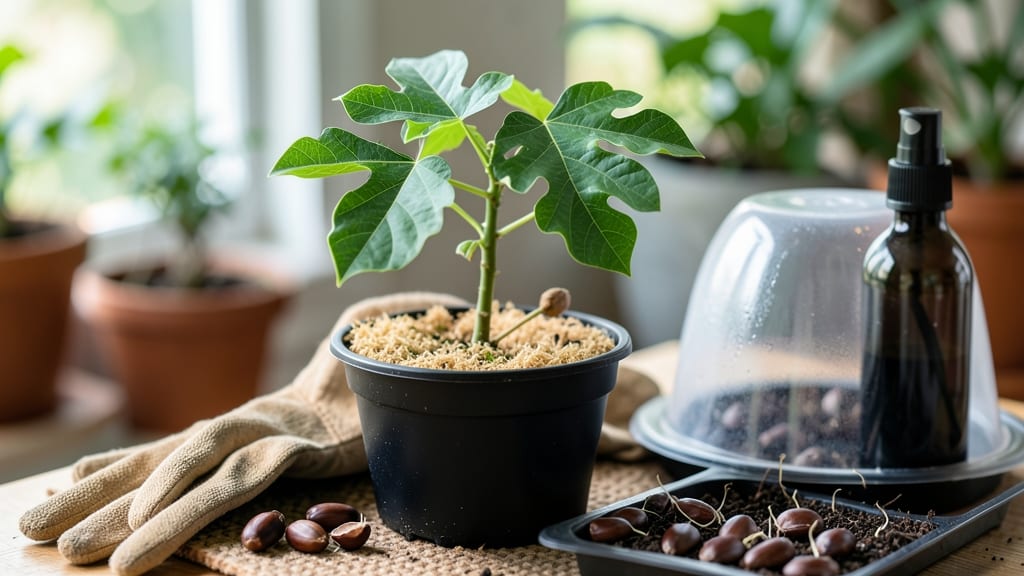
Growing jackfruit from seed turns your kitchen counter into a tropical jungle. 🌿 The first time I cracked open a fresh jackfruit, I knew I had to grow one—even if it meant waiting six months for that first leaf.
Jackfruit seeds sprout surprisingly fast, but the real magic happens when you coax a vine into producing fruit years later.
You’ll need just three things to start: a ripe jackfruit (or seeds from a trusted supplier), a small pot with drainage, and a sunny spot. The seeds germinate in 2-4 weeks if kept warm and moist, but the vine’s growth slows dramatically once it outgrows its container.
That’s where patience—and a sturdy trellis—come into play.
By month six, you’ll have a lush, fast-growing vine with broad leaves that could rival a rainforest. The challenge shifts from germination to sunlight: jackfruit vines crave 6+ hours of direct light daily, making indoor growers rely on grow lights or sunny windowsills.
Outdoor growers in warmer zones get the edge, but even cooler climates can nurture this tropical giant with the right care.
Here’s the plot twist: most homegrown jackfruit won’t fruit for 5-10 years, but the journey is half the fun. You’ll learn how to prune, train, and troubleshoot—skills that’ll make every other plant in your garden seem easy. Ready to start your tropical adventure?
📚 In This Guide
- What you need
- Instructions
- Tips and common mistakes
- Wrapping up and next steps
What you need
- ● Jackfruit seeds (3–5): Fresh seeds from a ripe, organic jackfruit (avoid store-bought seeds treated with fungicides).
- ● Biodegradable seed-starting pots (3–5): 3–4 inch diameter (7–10 cm) with drainage holes.
- ● Well-draining potting mix (1 bag, 5–10 gallons): Mix equal parts coco coir, perlite, and compost (or a tropical plant blend).
- ● Grow lights or sunny windowsill: 6–8 hours of direct light daily (south-facing window or LED grow lights).
- ● Spray bottle (8 oz): For gentle watering during germination.
- ● Humidity dome or plastic wrap: To maintain moisture during early growth.
- ● Fertilizer (balanced, 10-10-10 or organic): Diluted to half-strength for seedlings.
- ● Small hand trowel for transplanting.
- ● Moisture meter to monitor soil dampness.
- ● Pruning shears (for future vine shaping).
- ● Trellis or sturdy stake (6+ feet tall for mature vines).
- ● Fungicide (copper-based or neem oil) to prevent damping-off.
- ● Warm climate or indoor grow setup: Jackfruit thrives in USDA zones 10–11; indoors, maintain 70–90°F (21–32°C).
- ● Patience (6+ months to first fruit!): Germination takes 2–4 weeks; fruiting can take 3–5 years.
- ● Space for a large vine: Mature jackfruit trees can reach 60+ feet (18+ meters) in tropical conditions.
Step-by-step instructions for growing jackfruit from seed
Here's how to transform a jackfruit seed into a thriving tropical vine with minimal fuss.
🌱 Step 1: Select and Prepare the Seed
Choose a fresh, plump jackfruit seed—it should feel heavy for its size and have a smooth, unblemished shell. Rinse it thoroughly under running water to remove any remaining fruit residue, then let it dry completely on a paper towel. I like to soak the seed in lukewarm water for 24 hours to soften the outer husk; this speeds up germination later.
After soaking, gently rub the seed between your palms to loosen the fibrous husk. You'll see the seed inside—it should look firm and white. If the husk resists, use a small knife to carefully score it without piercing the seed itself. This step ensures the seedling can break through cleanly when it's ready to sprout.
🪴 Step 2: Plant the Seed in a Moistened Growing Medium
Fill a 4-inch diameter container with a well-draining mix of 50% potting soil and 50% perlite—this prevents root rot, which is deadly for young jackfruit seedlings. Moisten the mix until it feels like a damp sponge, but not soggy. Press the seed ½ inch deep into the center of the container, then cover lightly with additional mix.
Place the container in a warm spot (75-85°F) where humidity stays high—think bathroom counters or under grow lights. I cover the pot with a clear plastic bag secured with a rubber band to trap moisture. Check daily for condensation; if the bag fogs up, your humidity is perfect. Mist the soil lightly if it feels dry to the touch.
☀️ Step 3: Provide Warmth and Indirect Light
Jackfruit seeds germinate best in warmth, so place your container on a seedling heat mat if possible. Without one, a sunny windowsill works, but avoid direct sunlight—young seedlings burn easily. You'll see the first signs of life in 7-14 days, when a small white root emerges followed by a sprout.
Once the sprout reaches 2 inches tall, remove the plastic bag to prevent fungal growth. Gradually introduce bright, indirect light for 4-6 hours daily, increasing exposure by 1 hour weekly. You'll notice the leaves darken and thicken as they adjust. If the stem stretches toward the light, it's time to move the plant closer or add a grow light.
🌿 Step 4: Transplant and Train the Vine
When the seedling has 4-6 true leaves and reaches 6 inches tall, transplant it into a 1-gallon pot with fresh potting mix. Handle the roots gently—they're delicate and break easily. Water thoroughly after transplanting to settle the soil, then let the top inch dry before watering again.
Jackfruit vines thrive when trellised, so install a 5-foot tall bamboo stake or wire trellis near the pot. Guide the main stem along the support as it grows, tying it loosely with soft twine every 6 inches. Prune any side shoots that form at the base to encourage upward growth. This step is critical—without support, the vine sprawls and produces fewer fruits.
⏰ Step 5: Maintain and Monitor Growth
Keep the soil consistently moist but never waterlogged—jackfruit roots rot quickly in soggy conditions. Fertilize every 4 weeks with a balanced 10-10-10 liquid fertilizer diluted to half strength. You'll see rapid growth in 3-4 months, with leaves reaching 6-8 inches long. Watch for yellowing leaves, which signal overwatering or nutrient deficiency.
By 6 months, your vine should be established and ready for outdoor planting if you live in USDA zones 10-11. If frost threatens, bring it indoors near a sunny window. Patience is key—jackfruit trees take 3-5 years to bear fruit, but the journey is rewarding. I always mark the planting date on the pot to track progress!
Tips & tricks for growing jackfruit from seed
Here's what nobody tells you about growing jackfruit that'll save you time and frustration.
Seed Selection: The secret to success starts with the seed—look for one that's heavy for its size and has a smooth, unblemished shell. I've found that seeds with a slight bulge at one end often have the best germination rates. After selecting, don't skip the 24-hour soak—it's the difference between a seed that cracks open easily and one that fights against its container. The husk should peel away like a sunflower seed after soaking, revealing the firm white seed inside.
Germination Environment: You'll want that 75-85°F range to be consistent, but here's the trick: place your container on top of a refrigerator (not inside) if you don't have a heat mat. The warmth from the coils creates perfect conditions. I've also noticed that germination happens faster when the container sits on a layer of damp paper towels—this maintains humidity without overwatering the soil. Watch for condensation on the plastic bag daily; if it disappears, mist the soil lightly to maintain that tropical humidity.
Light Transition: When your sprout reaches 2 inches and you remove the plastic bag, don't rush the light exposure. I've learned the hard way that sudden bright light causes seedlings to scorch. Start with just 2 hours of indirect light on the first day, then add 1 hour weekly. You'll know you're doing it right when the leaves develop that rich, deep green color and stop looking pale. If your stem starts stretching toward the light (called etiolation), it's time to move the plant closer or add a grow light.
Transplanting Strategy: The 6-inch height mark is your cue to transplant, but here's the pro move: water the seedling thoroughly the day before transplanting. This helps protect the delicate roots during the move. When handling, support the stem with your other hand while gently loosening the soil—never pull by the stem. After transplanting, give the soil a good soak and let it drain completely before watering again. This prevents root rot, which is the #1 killer of young jackfruit vines.
Pro Tips for Growing Jackfruit From Seed
- Here's what nobody tells you about growing jackfruit that'll save you time and frustration.
- Seed Selection: The secret to success starts with the seed—look for one that's heavy for its size and has a smooth, unblemished shell.
- Germination Environment: You'll want that 75-85°F range to be consistent, but here's the trick: place your container on top of a refrigerator (not inside) if you don't have a heat mat.
Frequently asked questions
Got questions about growing jackfruit from seed?
You’re not alone! Here are answers to the most common concerns—from patience to pitfalls—so you can grow your own tropical treasure with confidence.
How long does it take for a jackfruit seed to sprout?
Jackfruit seeds can sprout in 2 to 4 weeks if kept warm (75–85°F) and moist. Some seeds germinate faster with a soaking treatment (24 hours in water) before planting. Patience is key—slow starters may still emerge!
Will a jackfruit tree grown from seed produce fruit?
Yes, but it takes 5 to 7 years (or longer) for seed-grown jackfruit trees to bear fruit. Seedlings may also produce smaller, less flavorful fruit compared to grafted trees. If you’re impatient, consider buying a grafted sapling!
What’s the best temperature for growing jackfruit from seed?
Jackfruit seeds thrive in warmth (70–90°F). If your climate dips below 50°F, grow them indoors near a sunny window or under grow lights. Use a heat mat (75–85°F) to speed up germination in cooler months.
Can I grow jackfruit indoors?
Start seeds indoors in pots (6+ inches deep) and move them outdoors only after frost risk passes. Young plants need bright light—south-facing windows or grow lights work. Just be ready to bring them inside if temps drop below 50°F.
Why is my jackfruit seed rotting?
Overwatering or poor drainage is the #1 culprit. Use a well-draining mix (50% potting soil + 50% perlite/sand) and water only when the top inch is dry. If mold appears, reduce moisture and improve airflow with a fan.
Can I grow jackfruit in a cold climate?
Jackfruit is tropical, but you can grow it in USDA Zones 10–11 outdoors. In colder zones, keep it in containers and overwinter indoors (near a sunny window). Hardiness drops below 30°F—protect young plants with frost cloth!
Wrapping up and next steps
Growing jackfruit from seed is a rewarding journey that brings a taste of the tropics to your garden! 🌱 With patience and care, you can nurture a thriving vine that yields delicious, fragrant fruit in just six months.
Whether you’re a beginner or an experienced gardener, this project is a fun way to connect with nature and enjoy homegrown harvests.
Ready to take the next step? Start by planting those seeds today—your future jackfruit tree (or vine!) is waiting. Share your progress with fellow plant enthusiasts, and don’t forget to experiment with different growing conditions to find what works best for your space. Happy growing! 🌿✨