
Size
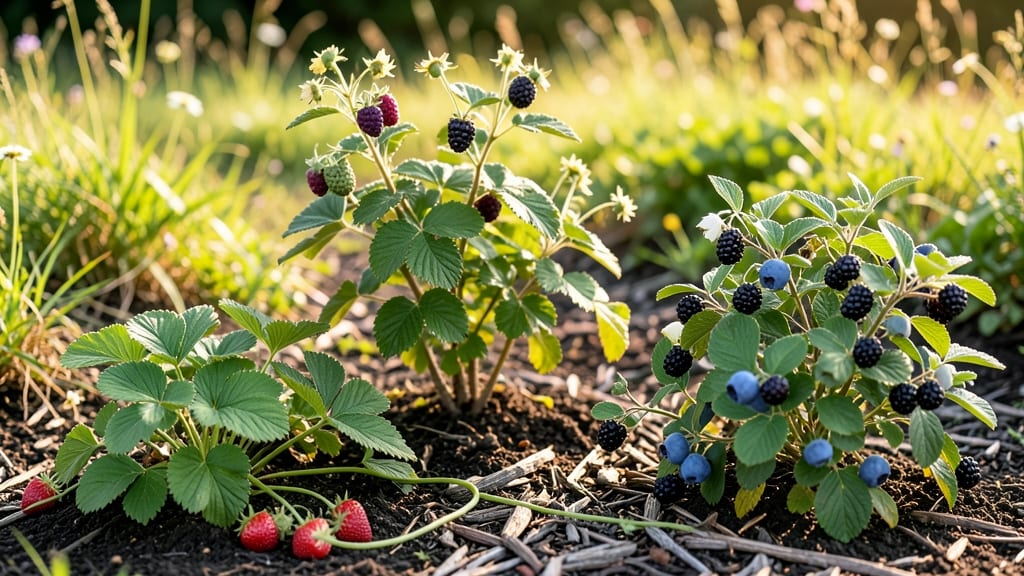
Growing berry fruits in your garden means juicy harvests straight from your backyard. 🌱 I’ve turned my patch into a berry bonanza by focusing on soil, sunlight, and a few clever tricks—like mulching and staggered planting—that keep the fruit coming all season long.
The secret starts with well-draining soil (amend with compost) and 6+ hours of sun daily. Strawberries thrive in containers or rows, while raspberries and blueberries need sturdy support and acidic soil. Water consistently but avoid soggy roots—berry plants hate wet feet.
By summer, you’ll be picking sweet, plump berries that taste better than anything store-bought. The best part? With proper care, some varieties produce for years, giving you a free snack every season. Perfect for small spaces, raised beds, or even hanging baskets. Let’s get those berries growing!
📚 In This Guide
- What you need
- Instructions
- Tips and common mistakes
- Wrapping up and next steps
What you need
- ● Berry plants: 1–5 plants (depending on variety and space). Choose bare-root, potted, or nursery-grown plants—organic and disease-resistant options are ideal!
- ● Soil: Well-draining, acidic soil (pH 4.5–6.0 for blueberries, 5.5–6.5 for others). Mix in compost or peat moss (5–10 gallons per plant).
- ● Fertilizer: Balanced 10-10-10 fertilizer (for most berries) or acid-loving plant food (for blueberries). Follow label instructions—over-fertilizing can harm roots!
- ● Mulch: 2–3 inches of pine straw, wood chips, or straw to retain moisture and suppress weeds.
- ● Watering system: Drip irrigation or a watering can (2–5 gallons capacity) for consistent moisture.
- ● Support structures (if needed): Trellis, stakes, or wire cages for raspberries/blackberries (6–8 feet tall).
- ● Garden gloves (to protect from thorns and soil).
- ● Hand trowel or spade (for planting and soil prep).
- ● Pruning shears (sharp and sterilized to avoid disease).
- ● pH testing kit (to monitor soil acidity).
- ● Measuring tape or ruler (for spacing plants 12–36 inches apart).
- ● Row covers (to protect from pests or frost).
- ● Bird netting (if wildlife loves your berries too much!).
- ● Slow-release fertilizer tablets (for convenience).
- ● Compost tea (for a nutrient boost).
- ● Garden journal (to track growth, pests, and harvest dates!).
Step-by-step guide to cultivating thriving berry fruit plants
Berry plants reward patience with sweet, abundant harvests—here’s how to set them up for success.
🌱 Step 1: Select and Prepare the Planting Site
Berry plants thrive in well-draining soil with a pH of 5.5–6.5—test your soil before planting. Choose a location with at least 6–8 hours of sunlight daily, though some varieties tolerate partial shade. I always amend the soil with 2–3 inches of compost mixed into the top 12 inches to improve fertility and drainage.
If your soil is heavy clay, create raised beds or mounds to prevent waterlogging, which berries hate. Space plants according to their mature size—strawberries need 18–24 inches apart, while blueberries require 4–6 feet between bushes. Mark planting spots with stakes to avoid crowding, which invites disease and reduces fruit production.
💧 Step 2: Plant with Care and Mulch for Protection
Dig holes twice as wide as the root ball but no deeper than the container’s depth. Gently remove the plant from its pot, loosen tangled roots, and place it in the hole so the top of the root ball sits level with the soil surface. Backfill with native soil, pressing lightly to eliminate air pockets.
Water deeply right after planting to settle the soil, then apply a 3-inch layer of organic mulch (like pine straw or shredded leaves) to retain moisture and suppress weeds. Mulch also protects shallow roots from temperature swings—critical for berries, which are sensitive to heat stress. Avoid mulching too close to the stems to prevent rot.
☀️ Step 3: Establish a Watering and Fertilizing Routine
Berry plants need consistent moisture, especially during fruiting. Water deeply 1–2 times per week, aiming for 1–1.5 inches of water per session. You’ll know you’ve watered enough when the soil feels damp 6 inches down—use a moisture meter if unsure. Drip irrigation is ideal because it delivers water directly to the roots without wetting foliage, which reduces fungal risks.
Fertilize early in the season with a balanced, slow-release fertilizer (10-10-10) and again after harvest. For acid-loving berries like blueberries and raspberries, use an acidifying fertilizer or amend the soil with sulfur to maintain the ideal pH of 4.5–5.5. Avoid high-nitrogen fertilizers in fruiting season—they boost leaves at the expense of fruit.
✂️ Step 4: Prune for Health and Productivity
Pruning encourages stronger growth and better fruit production. For strawberries, remove spent flowers after harvest to redirect energy into next year’s crop. For brambles (raspberries/blackberries), prune old canes in late winter and new canes in summer to maintain a balance of fruiting and vegetative growth.
Blueberries benefit from light pruning in late winter to open the center of the plant for airflow. Always use clean, sharp pruners and make cuts at a 45-degree angle just above a bud. Sterilize your tools with rubbing alcohol between cuts to prevent spreading disease. Prune on a dry, overcast day to reduce stress on the plant.
⏰ Step 5: Monitor for Pests and Adjust Seasonally
Watch for aphids, spider mites, or bird damage—common berry plant pests. I use neem oil for early infestations and row covers to deter birds during fruiting. If you notice yellowing leaves, it could signal overwatering or nutrient deficiency. Adjust your care routine accordingly—cut back on water if soil stays soggy, or add iron sulfate if leaves show chlorosis.
In late fall, apply a thick layer of mulch (4–6 inches) to insulate roots from freezing temperatures. For everbearing varieties, protect plants with burlap wraps if your winters drop below 10°F. This simple step can mean the difference between a full spring harvest and a delayed or failed crop.
Tips & tricks for perfect garden berry fruit cultivation
Here's what nobody tells you about keeping your berry plants thriving year after year.
Soil Science: Don't just guess at your soil's pH—test it before planting. I learned this the hard way after planting blueberries in soil that tested at 7.2 (alkaline) instead of the ideal 4.5-5.5. The plants struggled for years. For acid-loving berries, mix in sulfur or peat moss to adjust pH gradually. Spread a thin layer over the planting area and work it into the top 6 inches of soil 2-3 months before planting. This gives you time to test again and make adjustments.
Root Ball Strategy: When planting, resist the urge to bury the root ball too deeply—this is one of the most common mistakes. The top should sit level with the soil surface, not below it. I've seen gardeners bury plants up to 2 inches too deep, which causes rot and poor growth. After planting, press the soil gently around the roots to eliminate air pockets, then water deeply to settle everything. This ensures good root-to-soil contact right from the start.
Watering Wisdom: The key to consistent moisture is timing and technique. Water deeply 1-2 times per week rather than light daily sprinkles. Use a moisture meter to check 6 inches down—this is where roots actively grow. For containers, water until it runs through the drainage holes. I've found that drip irrigation systems save time and prevent fungal issues by keeping foliage dry. Early morning watering gives plants time to dry before evening, reducing disease risks.
Seasonal Protection: Fall mulching is your secret weapon for winter survival. Apply a 4-6 inch layer of organic mulch after the ground freezes but before heavy snowfall. This insulation shield keeps roots from freezing and thawing cycles that cause damage. For everbearing varieties in 10°F or colder climates, wrap plants with burlap and secure with twine. I've seen unprotected plants lose entire canes to winter kill—don't make this mistake!
Pro Tips for Grow A Garden Berry Fruit
- Here's what nobody tells you about keeping your berry plants thriving year after year.
- Soil Science: Don't just guess at your soil's pH—test it before planting.
- Root Ball Strategy: When planting, resist the urge to bury the root ball too deeply—this is one of the most common mistakes.
Frequently asked questions
Got questions about growing your own berry fruit garden?
You’re not alone! Here are answers to the most common queries to help you cultivate a thriving harvest—no matter your experience level.
What’s the easiest berry fruit to grow for beginners?
Start with strawberries or raspberries—they’re hardy, fast-growing, and forgiving for newbies. Strawberries thrive in containers or beds, while raspberries (especially summer-bearing varieties) are low-maintenance once established. Pro tip: Use mulch to retain moisture and suppress weeds!
How long does it take for berry plants to bear fruit?
Timelines vary by type:
- Strawberries: 6–8 weeks after planting (everbearing varieties produce two harvests per year).
- Raspberries/Blackberries: 1–2 years (primocanes bear fruit the first year; floricanes the second).
- Blueberries: 2–3 years (patience pays off—acidic soil is key!).
What’s the best way to protect berries from pests and diseases?
Prevention is your best defense! Use row covers for early-season pests like birds or aphids, and neem oil for fungal issues (e.g., gray mold). Circular pruning (for raspberries) improves airflow, reducing disease. Pro tip: Plant companion plants like thyme or marigolds to deter pests naturally.
Can I grow berries in containers, or do I need a full garden bed?
Strawberries, blueberries, and dwarf raspberries thrive in containers (5+ gallons per plant). Use well-draining soil and acidic fertilizer (for blueberries). Key rules:
- Place containers in full sun (south-facing is ideal).
- Water consistently—containers dry out faster!
- Avoid overcrowding (1 plant per 1–2 gallons of space).
How do I extend my berry harvest season?
Beat short seasons with these hacks:
- Strawberries: Plant June-bearing and everbearing varieties in succession for staggered harvests.
- Raspberries: Choose fall-bearing types for late-season fruit.
- Cold frames or row covers can push harvests 2–4 weeks earlier or later.
- Greenhouse growing (even a small one) lets you harvest year-round in mild climates.
Wrapping up and next steps
Growing your own berry fruit garden is a rewarding journey that brings fresh, delicious flavors straight to your plate while connecting you with nature. 🌱 Whether you’re a beginner or a seasoned gardener, the key lies in patience, preparation, and passion—plus a few year-round hacks to keep your plants thriving.
With the right soil, sunlight, and care, you’ll soon enjoy a bountiful harvest that’s sweeter than store-bought!
Ready to take the next step? Start small—pick one berry variety to plant this season, then expand your garden as your confidence grows. Happy growing, and may your berries be plentiful and juicy! 🍓🍇