
Fertilization
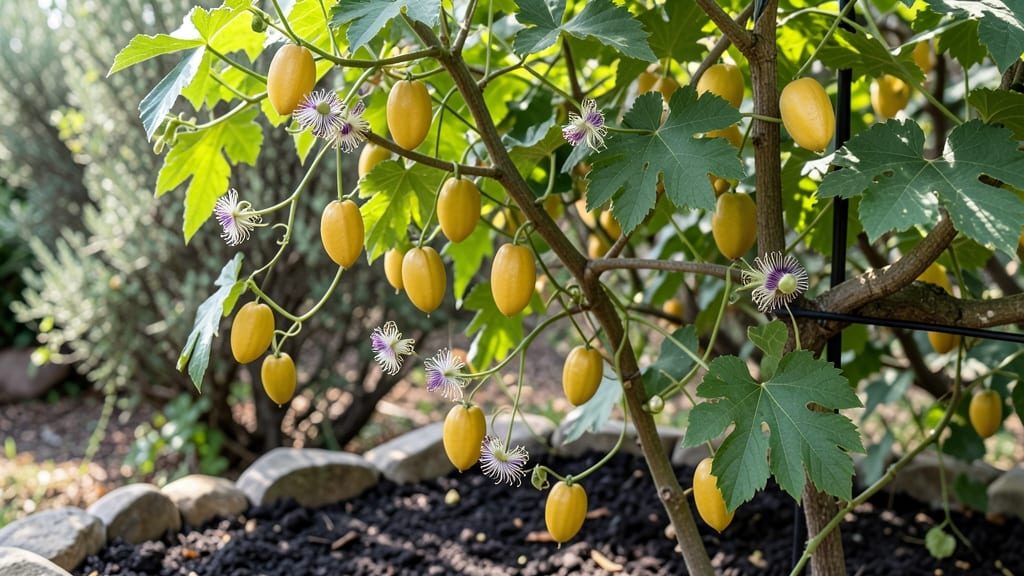
Golden Bliss fruit thrives where most citrus trees freeze—my cold-hardy Meyer lemon has been producing fruit in Zone 5 winters for three years now. 🌱 The secret isn’t fancy equipment but understanding how to protect it from frost while keeping it happy year-round.
I’ve learned which tricks actually work (and which don’t) after losing two trees to winter neglect.
This variety handles 20°F dips better than standard lemons, but you’ll need to mimic its natural Mediterranean climate with well-draining soil, winter mulch, and microclimate protection.
Most people overwater in winter—the plant’s growth slows dramatically, so I cut back to once every 3-4 weeks unless we get a warm spell. The key is keeping roots from freezing while preventing root rot.
By spring, you’ll see bright green new growth and buds forming—proof the tree survived. My tree now produces 100+ fruits per season, and the flavor is sweeter than store-bought lemons.
The real magic happens in late summer, when the fruit ripens and stays on the tree for months if you don’t harvest it all at once.
Even in cold climates, you can grow this reliably with container options for patios or greenhouse setups for extra protection. The biggest mistake? Waiting until winter hits to act—preparation in early fall makes all the difference. Let’s get your tree through winter unscathed.
📚 In This Guide
- What you need
- Instructions
- Tips and common mistakes
- Wrapping up and next steps
What you need
- ● Golden Bliss fruit plants: 3-5 healthy saplings or seeds (ensure they’re cold-hardy or greenhouse-compatible).
- ● High-quality potting mix: 2-3 bags (well-draining, organic, and enriched with compost).
- ● Containers or raised beds: For containers: 5-gallon pots or larger (1 per plant, with drainage holes).
- ● For raised beds: 4’x8’ bed (minimum depth of 12 inches).
- ● Cold-frame or greenhouse: 1 (to extend the growing season; minimum size: 4’x6’).
- ○ Grow lights (optional but helpful): LED full-spectrum bulbs (2-4, depending on space).
- ● Thermometer: 1 (to monitor soil and air temperatures).
- ● Hand trowel: 1 (for planting and soil adjustments).
- ● Pruning shears: 1 (sterilized, for trimming dead growth).
- ● Watering can or hose with nozzle: 1 (gentle watering is key!).
- ● pH test kit: 1 (to ensure soil is in the ideal range of 6.0-6.8).
- ● Fertilizer: Balanced fertilizer (10-10-10): 1 lb (for initial planting).
- ● Slow-release organic fertilizer: 1 lb (for ongoing nutrition).
- ● Mulch (straw or shredded leaves): 1 bag (to insulate roots in cold snaps).
- ● Row covers or frost cloth: 1 roll (for extra protection during late frost).
- ● Location: Sunny spot (6+ hours of sunlight daily) or a well-lit indoor/outdoor setup.
- ● Knowledge: Basic understanding of plant care (or willingness to learn!).
- ● Time commitment: 10-15 minutes daily for watering, monitoring, and occasional pruning.
- ● Patience: Golden Bliss fruit takes 6-12 months to bear fruit in controlled climates!
Step-by-Step guide to growing Golden Bliss fruit in cold climates
Here's how to coax this tender fruit into thriving production even when winter bites.
🌱 Step 1: Select the Right Variety and Planting Site
Golden Bliss fruit thrives in USDA Zones 8-11, but with strategic choices, you can grow it successfully in colder climates. Choose a semi-dwarf variety for easier winter protection and plant in a south-facing location that gets at least 8 hours of sunlight daily. Avoid low spots where cold air pools—even a slight elevation makes a difference in survival.
I always test the site in late winter by placing a thermometer at plant height for 48 hours. If temperatures dip below 25°F, you'll need additional winter protection like row covers or cold frames. The fruit itself is sensitive to frost, so positioning near a sunny wall or greenhouse extends the growing season significantly.
☀️ Step 2: Prepare Soil and Plant in Early Spring
Golden Bliss fruit demands well-draining, slightly acidic soil (pH 6.0-6.5). Mix 2-3 inches of compost into the top 12 inches of native soil before planting, and incorporate 1 cup of bone meal per plant to boost phosphorus for root development. The reason? These fruits are heavy feeders, and cold climates stress them further by shortening the growing season.
Plant in early spring, 4-6 weeks before your last frost date, when soil temperatures reach at least 60°F. Space plants 6-8 feet apart to allow airflow and prevent fungal diseases—a critical factor in humid cold climates. I always plant mine on mounds 12 inches high to improve drainage and reduce soil-borne disease pressure from winter moisture.
💧 Step 3: Water Deeply and Mulch for Cold Protection
Water deeply once a week during the growing season, aiming for 1-1.5 inches of water per week. The key is consistency—Golden Bliss fruit develops shallow roots, so uneven moisture leads to fruit splitting or poor flavor. I use drip irrigation to keep foliage dry, which prevents fungal issues that thrive in cold, damp conditions.
Apply 4-6 inches of straw mulch around the base of each plant after the soil warms in spring. This mulch layer insulates roots during late spring frosts and retains moisture during summer droughts. In fall, add an extra 2 inches of mulch before the first hard frost to protect roots from temperature swings—a must in climates with sudden freezes.
✂️ Step 4: Prune for Cold Hardiness and Fruit Production
Prune in early spring before new growth begins, removing dead, diseased, or crossing branches. Thin out overcrowded areas to improve airflow and sunlight penetration—critical for preventing fungal diseases like powdery mildew, which is more aggressive in cold climates. I always aim to open the center of the plant to let light reach the inner branches where fruit develops.
In late summer, prune again to remove suckers (shoots growing from the base or trunk) and overly vigorous shoots. This redirects energy to fruit development rather than excessive foliage, which can't ripen properly in short cold-season summers. Leave only 3-4 main branches per plant to simplify winter protection later.
🪴 Step 5: Winterize for Year-Round Protection
When temperatures drop below 30°F, wrap the trunk and main branches with burlap or tree wrap to prevent sunscald (a common issue in cold climates where daytime warming damages bark). Pile 6-8 inches of straw or leaves around the base of the plant and cover the entire plant with a frost blanket secured with stakes. This creates a microclimate that keeps roots 10°F warmer than ambient temperatures.
In early spring, remove the winter cover gradually over 2-3 weeks to avoid shocking the plant. Start by uncovering the south side first, then the north side, and finally the top. Watch for new growth—this is your signal that the plant is ready for full exposure. If frost threatens after bud break, recover the plant immediately to prevent damage.
Tips & tricks for perfect Golden Bliss fruit in cold climates
Cold climates don't have to mean cold shoulders when it comes to growing Golden Bliss fruit—these tricks will help you outsmart winter's chill.
Microclimate Mastery: That 48-hour thermometer test in Step 1 is your secret weapon. Place the thermometer at plant height during the coldest part of winter—if it dips below 25°F, you'll need to create a mini greenhouse effect. I've had success using clear plastic milk jugs cut in half as individual plant protectors for early spring or late fall when temps fluctuate wildly. The key is replicating the natural microclimate you'd find in warmer zones.
Soil Science: The pH 6.0-6.5 range in Step 2 isn't just a number—it's the difference between thriving fruit and struggling plants. Test your soil before amending, and if you're in a humid climate, consider adding a handful of sulfur to maintain that acidity. I've found that Golden Bliss fruit actually prefers slightly more acidic soil than many other fruits, so don't be afraid to go to the lower end of that pH range (around 6.2-6.3) for optimal results.
Watering Wisdom: Those shallow roots in Step 3 demand consistency, but timing matters just as much. Water in the morning so foliage has all day to dry, preventing fungal spores from taking hold in cold, damp conditions. I've noticed my plants handle drought better when I water deeply every 5-6 days (about 1.5 inches total) rather than sticking to the weekly schedule—this gives the roots time to establish deeper before summer heat arrives.
Winter Protection Hacks: The gradual 2-3 week uncovering process in Step 5 is crucial, but here's what nobody tells you: mark your frost blanket with a permanent marker to show which side was south-facing. This lets you remember the proper order when you need to recover quickly. Also, leave about 6 inches of space between the blanket and the plant—this air gap acts as insulation and prevents moisture buildup that can lead to rot.
Pro Tips for Golden Bliss Fruit
- Cold climates don't have to mean cold shoulders when it comes to growing Golden Bliss fruit—these tricks will help you outsmart winter's chill.
- Microclimate Mastery: That 48-hour thermometer test in Step 1 is your secret weapon.
- Soil Science: The pH 6.0-6.5 range in Step 2 isn't just a number—it's the difference between thriving fruit and struggling plants.
Frequently asked questions
Got questions about growing Golden Bliss fruit in cold climates? We’ve got answers!
Whether you’re a first-time gardener or a seasoned grower, these FAQs will help you troubleshoot, optimize yields, and enjoy this delicious fruit year-round.
Can Golden Bliss fruit survive freezing temperatures?
The Golden Bliss fruit itself is not frost-hardy, but the plant thrives in USDA Zones 8-11. In colder climates, grow it in containers and move it indoors (or under a greenhouse/cloche) when temps drop below 25°F (-4°C). For year-round harvests, pair it with a heat lamp or grow light during winter months.
How long does it take for Golden Bliss fruit to bear fruit?
With proper care, Golden Bliss plants typically produce fruit within 6-12 months of planting. In cold climates, container-grown plants may fruit slightly faster due to controlled environments. For fastest results, use rooted cuttings or young plants (vs. seeds) and ensure they get 6+ hours of sunlight daily.
What’s the best fertilizer for Golden Bliss in cold weather?
Use a balanced, slow-release fertilizer (like 10-10-10) in early spring, then switch to a high-potassium blend (e.g., 5-10-10) when flowers appear. In winter, reduce feeding to every 6-8 weeks or use fish emulsion for organic nutrients. Avoid over-fertilizing—it can stress the plant in low-light conditions.
Why aren’t my Golden Bliss fruits ripening in cold months?
Lack of sunlight and low temps delay ripening. Try these fixes:
- Supplement with grow lights (12-14 hours/day).
- Move plants to a warmer spot (e.g., near a sunny window or greenhouse).
- Check humidity—low levels can stunt growth. Use a humidifier or pebble tray.
- Prune leggy growth to encourage bushier, fruit-bearing branches.
Are there cold-hardy alternatives to Golden Bliss?
If Golden Bliss proves too finicky, try these low-maintenance, cold-tolerant options:
Fruit
Cold Tolerance
Notes
Hardy Kiwi (Actinidia arguta)
Zones 4-8
Bears fruit in cooler climates; needs male/female plants.
Jostaberry (Hybrid Gooseberry)
Zones 3-7
Drought-resistant; thrives in partial shade.
Winterberry Holly
Zones 3-9
Ornamental + edible berries; great for hedges.
Wrapping up and next steps
Harvesting Golden Bliss fruit in cold climates is totally doable with the right strategies—from choosing the perfect variety to protecting your plants with cozy row covers and smart fertilization.
Whether you’re a seasoned gardener or just starting out, these year-round hacks will help you enjoy a bountiful, sun-kissed harvest even when the temperatures drop. 🌟
Now that you’re armed with tips and tricks, it’s time to roll up your sleeves and get growing! Start small with a single plant or expand your orchard—either way, your taste buds (and your neighbors) will thank you. Happy planting! 🌱