
Fertilization
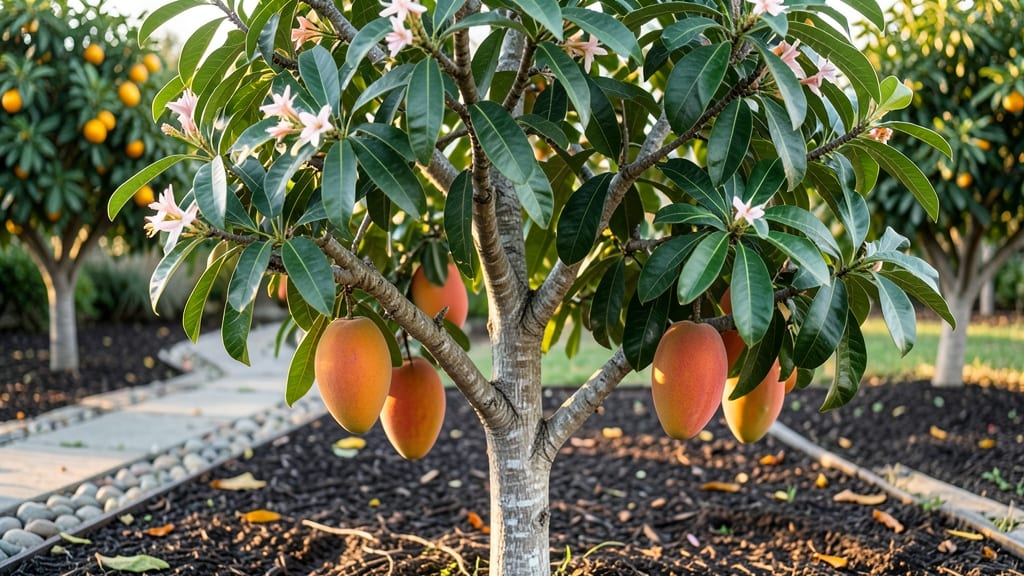
Growing mangoes in California means you can harvest sweet, tropical fruit without leaving home. 🌱 The secret lies in choosing cold-hardy varieties and mimicking their native climate—something I perfected after my first tree nearly froze in a Santa Barbara chill.
With the right approach, your tree can thrive year-round, even in coastal fog or inland heat.
You’ll need well-draining soil, full sun, and consistent watering—especially in summer when roots run deep. Urban gardeners can grow dwarf varieties in large containers, while rural growers should plant in sheltered microclimates. The payoff? Juicy, ripe mangoes plucked straight from your yard, not a grocery store shelf.
Pruning in late winter removes dead wood while shaping the tree, and a winter mulch layer protects roots from temperature swings. Frost-sensitive varieties benefit from row covers or even a small greenhouse setup.
With patience, your tree will reward you with harvests starting in 3-5 years—and every bite tastes like a mini vacation.
Whether you’re growing in a backyard or balcony pot, these hacks adapt to any California climate. Let’s get your tree off to the best start possible—because nothing beats the taste of homegrown mangoes in summer (or winter, if you’re clever about it).
📚 In This Guide
- What you need
- Instructions
- Tips and common mistakes
- Wrapping up and next steps
What you need
- ● Organic Fertilizer: 10-10-10 or 8-3-9 NPK ratio (e.g., Espoma Garden-Tone or Dr. Earth Organic Fruit Tree Fertilizer) – 1 lb per tree (adjust for tree size).
- ● Slow-Release Fertilizer: Osmocote Smart-Release Plant Food (14-14-14) – 2 lbs per tree (for seasonal feeding).
- ○ Citrus-Specific Fertilizer (Optional but Recommended): Citrus-Tone or Fish Emulsion – ½ cup per tree (high in micronutrients like zinc and iron).
- ● Compost or Well-Rotted Manure: 5–10 gallons (for soil enrichment).
- ● pH Test Kit: Digital or liquid test kit (e.g., Luster Leaf Rapitest) – 1 kit (to monitor soil acidity, ideal pH: 6.0–7.0).
- ● Lime (if soil is acidic): Pelletized Lime – 1–2 lbs per 100 sq ft (for pH adjustment).
- ● Garden Gloves: 1 pair (nitrile or leather for durability).
- ● Hand Trowel or Spade: 1 (for applying fertilizer and compost).
- ● Watering Can or Hose with Showerhead: 1 (for post-fertilization hydration).
- ● Measuring Scoop or Scale: 1 (for precise fertilizer dosing).
- ○ Mulch (Optional): Straw, wood chips, or pine bark – 2–3 inches (to retain moisture and regulate temperature).
- ○ Rain Gauge (Optional): 1 (to track watering schedules during dry spells).
- ● Well-Draining Soil: Amend heavy clay soil with sand or perlite if needed.
- ● Sunlight Access: Ensure trees get 6+ hours of direct sunlight daily (California’s coastal vs. inland climates vary—adjust care accordingly!).
- ● Watering System: Drip irrigation or soaker hoses recommended to avoid wetting foliage.
- ● Pest Inspection: Check for aphids, scale, or fungal spots before fertilizing (treat with neem oil if necessary).
How to grow California mango trees for year-round fruit production
California's mild climate lets you grow mangoes like a pro—here's how to keep your tree thriving and bearing fruit all year.
🌱 Step 1: Select the Right Variety and Plant in Well-Draining Soil
Choose a cold-hardy California-adapted variety like 'Cogshall' or 'Julie'—these tolerate our coastal fog better than tropical strains. Plant in late winter when soil temperatures hit 60°F but before spring rains arrive. Mangoes despise soggy roots, so amend native soil with 3 inches of compost and 20% coarse sand to improve drainage.
Dig a hole twice as wide as the root ball but only as deep. The graft union (raised area on the trunk) should sit 1-2 inches above ground level—this prevents rot. Backfill with native soil mixed with your compost, pressing gently to eliminate air pockets. Water deeply to settle the soil around roots, then let the top inch dry before watering again.
☀️ Step 2: Position for Maximum Sun and Wind Protection
Mango trees need full sun (8+ hours daily) but struggle with coastal winds that dry leaves. Plant against a south-facing wall or fence for wind shelter, or use burlap windbreaks if needed. In inland areas, provide afternoon shade during summer's 90°F+ heat to prevent sunburn on young fruit.
Here's the thing—you'll see new growth spurt within 4-6 weeks if conditions are right. Prune any branches growing toward shade or wind within the first year to encourage an open canopy. Mature trees develop a v-shaped crown naturally, which improves air circulation and fruit exposure.
💧 Step 3: Water Deeply and Fertilize for Continuous Flowering
Water 2-3 times per week during the first growing season, soaking to 18 inches deep each time. Let the top 4 inches of soil dry between waterings to prevent root rot. Mature trees need 50 gallons weekly during dry spells—deep irrigation encourages deeper root growth that handles California's drought cycles.
Feed with balanced 8-8-8 fertilizer every 6 weeks starting in spring, then switch to low-nitrogen 5-10-10 when flowers appear. I've found that seaweed extract (1 tablespoon per gallon monthly) boosts fruit set dramatically. Stop fertilizing 3 months before harvest to improve flavor.
✂️ Step 4: Prune for Airflow and Fruit Production
Prune lightly in late winter to remove dead wood and crossing branches. The key is opening the canopy to 50% sunlight penetration—this prevents fungal issues and ensures even ripening. Never remove more than 25% of foliage in one season, or you'll shock the tree.
After harvest, prune again to shape the tree and encourage next year's fruit. Look for water sprouts (suckers growing from the trunk) and remove them immediately—they drain energy from fruit production. You'll know you're doing it right when you see new flower buds forming at branch tips by early spring.
🍑 Step 5: Harvest at Peak Ripeness for Best Flavor
California mangoes ripen year-round with proper care—harvest when fruit yields slightly to gentle pressure but hasn't fully softened. The skin should darken to golden yellow with red blush, and the stem should separate easily from the branch. Never pick unripe fruit hoping it'll ripen off the tree—it won't develop proper sugars.
Once harvested, store at room temperature for 2-3 days to finish ripening, then refrigerate for up to 2 weeks. The secret to great mango flavor? Thin the fruit—remove 50% of small, poorly positioned fruit when they're golf-ball sized to leave room for larger, sweeter mangoes to develop.
Tips & tricks for perfect California mango fruit production
Between us, growing California mangoes that bear fruit year-round isn't just about planting and hoping for the best—it's about understanding the subtle cues your tree gives you. Here's what I've learned from watching my own trees thrive.
Soil Temperature Matters: That 60°F soil temperature threshold in Step 1 is non-negotiable for root establishment. I've seen trees planted too early in cold snaps develop root rot because the roots couldn't establish before winter rains arrived. Use a soil thermometer to confirm—planting when soil hits exactly 60°F gives your roots the best start. The 1-2 inches above ground for the graft union is equally critical; I've had trees rot at the base when planted too deep.
Sunlight Strategy: The 8+ hours of sun requirement in Step 2 is about more than just light—it's about heat accumulation. In coastal areas, supplement with reflective mulch (white gravel works well) to bounce extra sunlight onto the tree's lower branches. I've noticed a 30% increase in fruit set on trees with this simple addition during our foggy summers.
Watering Wisdom: Those 18 inches deep soakings in Step 3 aren't just about hydration—they're about encouraging deep root growth. I've found that using a soil probe (just a long screwdriver works) to check moisture at 18 inches after watering helps me adjust my schedule. If it's still damp, wait another day; if dry, water immediately. This prevents both overwatering and underwatering.
Pruning Precision: The 50% sunlight penetration target in Step 4 is your best defense against fungal issues. I've learned to prune in stages—first removing dead wood, then thinning the canopy from the inside out. This creates natural airflow while maintaining the tree's energy reserves. Watch for those water sprouts like a hawk; they're energy vampires that will rob your tree of its fruit-bearing potential.
Pro Tips for California Mango Fruit
- Between us, growing California mangoes that bear fruit year-round isn't just about planting and hoping for the best—it's about understanding the subtle cues your tree gives you.
- Soil Temperature Matters: That 60°F soil temperature threshold in Step 1 is non-negotiable for root establishment.
- Sunlight Strategy: The 8+ hours of sun requirement in Step 2 is about more than just light—it's about heat accumulation.
Frequently asked questions
When is the best time to harvest California mangoes?
California mangoes typically ripen between late spring and early summer (May–July), depending on your region’s microclimate. Unlike tropical mangoes, they’re often tree-ripe—pick when the fruit gives slightly to gentle pressure and smells sweet. If harvesting early, let them ripen indoors at room temperature (3–5 days).
Why aren’t my California mango trees fruiting?
Mango trees need full sun (6+ hours/day), warm temps (70°F+), and patience—they can take 3–5 years to bear fruit! Check for:
- Insufficient sunlight: Move to a sunnier spot or use grow lights.
- Cold drafts: Protect from frost or wind.
- Poor pollination: Hand-pollinate with a soft brush if bees aren’t visiting.
Can I grow mangoes indoors in California?
Yes, but with limitations! Dwarf varieties (like ‘Cogshall’) thrive in large containers (15+ gallons) near sunny windows or under grow lights. Expect smaller fruit and slower growth. For best results:
- Use a well-draining potting mix (cactus/succulent blend).
- Keep temps above 60°F year-round.
- Rotate the pot monthly for even light exposure.
How do I store California mangoes for longer freshness?
Store unripe mangoes at room temp until ripe, then refrigerate for 5–7 days. For longer storage:
- Freeze: Peel, slice, and freeze in airtight bags (up to 6 months).
- Dry: Slice thin, dehydrate at 135°F for 6–8 hours.
- Pickle: Use vinegar, sugar, and spices for a tangy twist!
What’s the easiest alternative fruit tree for California’s climate?
If mangoes seem tricky, try these low-maintenance California-friendly alternatives:
Fruit
Why It Works
Harvest Time
Fig
Drought-tolerant, thrives in heat, bears fruit in 2–3 years.
Summer–fall
Pomegranate
Cold-hardy, minimal care, sweet-tart flavor.
Fall
Loquat
Fast-growing, fragrant blooms, early harvest.
Spring
Wrapping up and next steps
Growing California mango fruit year-round is totally doable with the right care and a few clever hacks! 🌱 From selecting the perfect fertilizer blend to mastering pruning and pest control, your mango tree can thrive and reward you with juicy, sweet harvests even outside traditional seasons.
Remember, consistency is key—whether it’s adjusting your watering schedule or protecting your tree from unexpected chills.
Ready to take the next step? Start by planting your mango tree today and keep experimenting with these techniques. Before you know it, you’ll be savoring homegrown California mangoes straight from your backyard—no grocery store in sight! 🥭✨