
Aphids
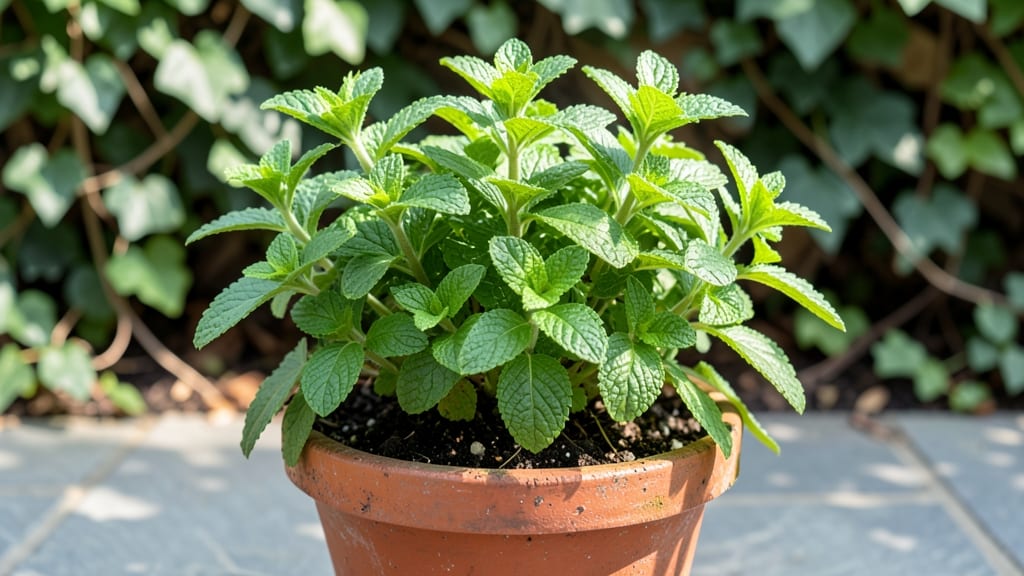
Growing grapefruit mint transforms your garden into a fragrant aphid-repelling sanctuary. 🌿 This citrus-scented herb isn't just beautiful—it naturally deters pests while adding a zesty twist to cocktails and dishes.
I've found that starting with cuttings (not seeds) gives you stronger, more vigorous plants in just 4-6 weeks, and the aroma alone makes it worth the effort. The secret to thriving grapefruit mint lies in its love of moisture and partial shade.
Plant in well-draining soil with consistent water (think swampy but not soggy), and watch it spread like a living mulch. Unlike regular mint, this variety handles cooler climates better, making it perfect for gardeners in zones 5-9 who want year-round growth.
By midsummer, you'll be harvesting fragrant leaves for pest control and culinary uses. The plants stay productive for 3-4 years if you control their spread, and the bright green foliage adds a pop of color to containers or borders.
The citrusy scent alone keeps aphids at bay, so you'll see fewer pests on nearby plants. Works beautifully in containers, garden beds, or even hanging baskets. Here's how to get started with the simplest, most effective method!
📚 In This Guide
- What you need
- Instructions
- Tips and common mistakes
- Wrapping up and next steps
What you need
- ● Grapefruit mint seeds or seedlings: 2–4 plants (choose organic or heirloom varieties for best results).
- ○ Fresh mint cuttings (optional but recommended): 2–3 stems (preferably spearmint or peppermint for compatibility).
- ● Potting soil: 2–3 gallons of well-draining, organic potting mix (add perlite or sand for aeration).
- ● Containers: 2–4 medium-sized pots (6–8 inches in diameter) with drainage holes.
- ● OR a large raised bed (12+ inches deep) if planting outdoors.
- ● Slow-release fertilizer: 1–2 tablespoons of balanced organic fertilizer (10-10-10 or similar).
- ● Watering can or spray bottle: For gentle hydration (avoid soggy soil!).
- ● Pruning shears: Sharp, sterilized shears for harvesting and shaping.
- ● Sunlight access: 4–6 hours of partial sunlight (morning sun is ideal; avoid harsh afternoon rays).
- ● Spray bottle with water: For misting leaves (mint loves humidity!).
- ○ Gloves (optional): To protect your hands from mint’s slightly rough texture.
- ○ Compost or worm castings (optional): ½ cup per pot for nutrient boost.
- ● Aphid spray (DIY or store-bought): DIY: 1 quart water + 1 tablespoon neem oil + 1 teaspoon dish soap (shake before use).
- ● Store-bought: Organic insecticidal soap or horticultural oil.
Step-by-Step instructions for growing grapefruit mint herb
Here's how to cultivate this fragrant, pest-repelling herb—simple steps for a thriving plant.
🌱 Step 1: Choose and Prepare Your Growing Space
Grapefruit mint thrives in partial shade to full sun (4-6 hours daily), making it perfect for patios or garden edges. I plant mine in 6-inch pots with drainage holes to prevent soggy roots—this herb hates wet feet. If planting directly in the ground, pick a spot with well-draining soil and shelter from harsh afternoon sun.
Fill your container with premium potting mix (never garden soil—it compacts too easily). Tap the pot gently to settle the soil without compacting it. The mix should feel like a damp sponge when squeezed—if it crumbles, add a little water. This ensures roots get both air and moisture.
🌿 Step 2: Plant Your Grapefruit Mint Starts
Dig a hole in the soil twice as wide as the root ball but no deeper. Gently remove the plant from its nursery pot and place it in the hole, ensuring the top of the root ball sits just below the soil line—burying the stem too deep causes rot. Fill around the roots with soil and press lightly to remove air pockets.
Water immediately after planting to help settle the soil. You’ll know it’s right when the surface looks slightly damp but not glistening. Avoid overwatering now—grapefruit mint is drought-tolerant once established, and soggy soil invites fungal issues. If planting multiple starts, space them 12 inches apart for airflow.
☀️ Step 3: Provide Consistent Light and Water
Place your grapefruit mint where it gets morning sun and afternoon shade, especially in hot climates. Leggy growth or pale leaves mean it’s stretching for light—move it closer to a window or under a grow light if indoors. Outdoors, watch for wilting in full sun; this herb prefers gentle light over intense heat.
Water when the top inch of soil feels dry to the touch. Stick your finger in—if it comes out clean, it’s time. Water deeply until it drains from the bottom, then empty the saucer to prevent root rot. Mulch with 1 inch of organic mulch (like straw) to retain moisture and keep roots cool.
✂️ Step 4: Prune and Harvest for Bushier Growth
Pinch back the tips of new growth when stems reach 4-6 inches tall to encourage bushier, fuller plants. Use clean scissors to snip just above a set of leaves. Regular pruning also keeps the plant from becoming leggy and improves airflow, reducing pest risks. Harvest leaves anytime after 6-8 weeks for the best flavor.
To harvest, snip individual leaves or small stems from the outer edges. Avoid cutting more than one-third of the plant at once—this herb regrows quickly, but heavy pruning stresses it. Store fresh leaves in the fridge for up to 5 days or dry them for later use. The citrusy aroma intensifies as the plant matures, so patience pays off!
🪴 Step 5: Overwinter and Maintain Year-Round
Grapefruit mint is a tender perennial in cold climates—bring potted plants indoors before frost hits (typically first frost date). Place them near a bright window or under grow lights for 12-14 hours daily. Reduce watering slightly in winter, as growth slows, but keep the soil lightly moist.
Outdoor plants in mild climates may survive winter with 1-2 inches of mulch for insulation. In spring, trim back any dead growth and fertilize lightly with balanced organic fertilizer (like 10-10-10) to encourage new growth. With proper care, your grapefruit mint will thrive for years, repelling aphids naturally while adding zesty flavor to dishes.
Tips & tricks for perfect grapefruit mint herb growth
Took me a while to figure these out, so here's how I keep my grapefruit mint thriving year after year.
Light Balance: In Step 1, when choosing your spot, pay extra attention to afternoon shade—this is where most beginners go wrong. I've seen plants wilt dramatically after just a few hours of direct midday sun, even in cooler climates. If you notice leaves curling or turning yellow, that's your plant screaming for shade. A simple trick is to observe where the harshest sun falls in your space before planting.
Root Health Secret: The instructions mention drainage holes, but I learned this the hard way: never skip the saucer test. After planting in Step 2, water thoroughly and check how long it takes for water to drain completely. If it's still damp after 30 minutes, your container isn't draining properly. I've had to repot plants because of this—always use containers with multiple drainage holes or elevated pots to prevent root rot.
Pruning Precision: When you reach Step 4 and it's time to pinch those 4-6 inch stems, here's what nobody tells you—use your thumb and forefinger to gently pinch the growth, don't cut. This method encourages more branching than clean cuts. For harvesting, always snip from the bottom up to promote new growth from the base. I've noticed plants harvested this way stay bushier and produce more leaves over time.
Winter Survival: For Step 5, if you're bringing plants indoors before frost, don't just plop them by any window. Set up a simple grow light on a timer for 12-14 hours daily—even a basic LED bulb works. I've had plants survive winter just fine, but they never recover their vigor without that light. The key is maintaining that light cycle while reducing water, not eliminating it completely.
Pro Tips for Grapefruit Mint Herb
- Took me a while to figure these out, so here's how I keep my grapefruit mint thriving year after year.
- Light Balance: In Step 1, when choosing your spot, pay extra attention to afternoon shade—this is where most beginners go wrong.
- Root Health Secret: The instructions mention drainage holes, but I learned this the hard way: never skip the saucer test.
Frequently asked questions
Got questions about growing grapefruit mint herb with its aphid-repelling magic? We’ve got answers!
Here are some of the most common queries—plus quick tips to keep your plants thriving and pest-free.
Can I grow grapefruit mint indoors?
Yes! Grapefruit mint thrives indoors with bright, indirect light (like a sunny windowsill). Use a pot with drainage holes and keep soil moist but not soggy. A south- or west-facing window is ideal. Just watch for leggy growth—rotate the pot occasionally for even light exposure. Pro tip: Prune regularly to encourage bushiness!
How often should I harvest grapefruit mint?
Harvest every 4–6 weeks to encourage fresh growth and prevent woody stems. Snip leaves just above a pair of leaves (use clean scissors!). For best flavor, harvest in the morning after dew dries. Avoid harvesting more than one-third of the plant at once. Bonus: Harvesting frequently deters aphids by keeping plants healthy and lush!
What’s the best way to use grapefruit mint to repel aphids?
Crush fresh leaves and rub them on aphid-infested plants, or steep a handful in hot water for 24 hours to make a spray. Strain, add a drop of dish soap, and spray directly on pests. Reapply every 3–5 days or after rain. For heavy infestations, combine with neem oil for extra power. Warning: Test sprays on a small leaf first—some plants are sensitive!
Can I grow grapefruit mint alongside other herbs?
Grapefruit mint pairs well with basil, rosemary, and thyme—all of which also repel pests. However, avoid planting it near sage or lavender, as mint can be invasive and may overtake slower-growing herbs. Use containers or raised beds to contain its spread. Fun fact: Mint’s strong scent can actually enhance the flavors of neighboring herbs!
Why are my grapefruit mint leaves turning yellow?
Yellowing leaves usually signal overwatering or poor drainage. Let the top inch of soil dry out between waterings, and ensure your pot has drainage holes. Yellow edges? It might be underwatering or salt buildup from tap water. Try flushing the soil with distilled water. Check for: Pests (like spider mites) or nutrient deficiencies (use a balanced fertilizer if needed).
Is grapefruit mint safe for pets?
Nope! Grapefruit mint is toxic to cats and dogs due to its menthol content. Keep plants out of reach or grow them in a pet-free zone. If your pet ingests it, contact your vet immediately. For pet owners, opt for catnip or lemon balm (pet-safe alternatives with pest-repelling properties!). Safety first: Always research before adding new plants to your home.
Wrapping up and next steps
Growing your own grapefruit mint herb is a game-changer for pest control and flavor—no chemicals needed! 🌱 This dynamic duo not only deters aphids naturally but also adds a zesty twist to your garden and kitchen. With the right setup, you’ll enjoy a thriving, aphid-free space in no time.
Ready to take the next step? Start small:
- Plant a few pots on your patio or balcony.
- Harvest leaves regularly to encourage growth.
- Share your bounty with friends—because gardening is better together!