
Pests
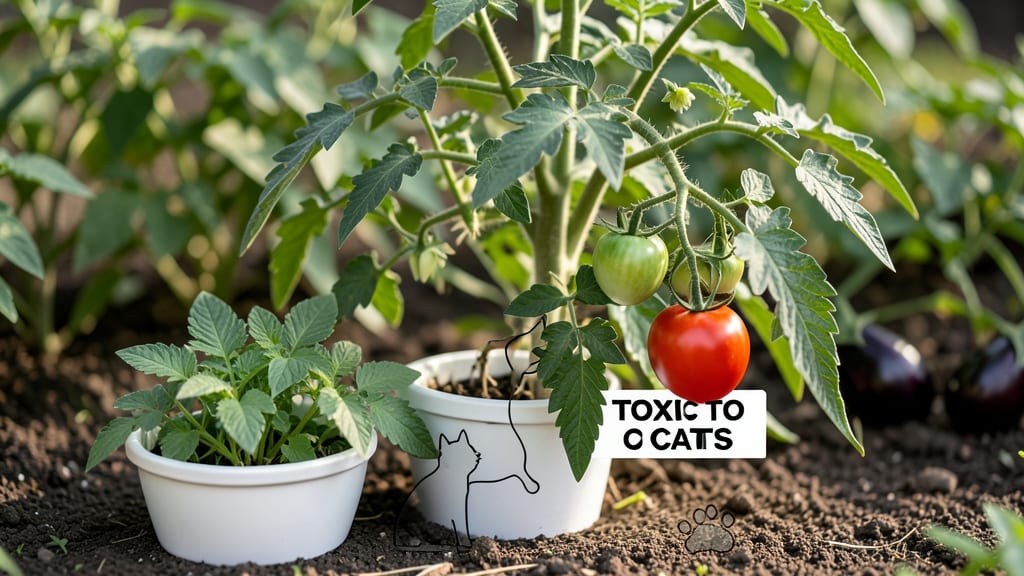
Fruits toxic to cats include grapes, raisins, citrus fruits, and cherries, which can trigger kidney failure, vomiting, or even fatal outcomes. Always consult your vet before sharing any human food with your pet.
When it comes to feline safety, some fruits contain compounds that cats simply can't process. 🐾 Grapes and raisins, for example, contain an unknown toxin that can cause acute kidney failure even in tiny amounts—just a single grape can be dangerous.
Citrus fruits like oranges and lemons pack solanine, which disrupts a cat's nervous system, while cherry pits release cyanide when chewed. The key is prevention: keep these fruits completely out of reach and never assume "a little won't hurt."
Even safe fruits like apples (seedless) or blueberries should be introduced gradually, starting with just a few tiny pieces to monitor for allergic reactions. Always remove stems, seeds, and peels first—these parts often contain the highest concentrations of toxins.
If your cat shows symptoms like drooling, lethargy, or vomiting after eating any fruit, seek emergency veterinary care immediately.
💡 In This Article
- Toxic Compounds in Dangerous Fruits for Cats
- Safe Fruits for Cats and How to Serve Them
Toxic compounds in dangerous fruits for cats
The danger behind grapes and raisins lies in an unidentified toxin that triggers acute kidney failure in cats. Even a single grape or a few raisins can cause irreversible damage, with symptoms appearing within 6-24 hours.
This toxin disrupts the kidneys' ability to filter waste, leading to dehydration and organ shutdown. 💥 What makes it worse is that cats often show no immediate reaction, masking the severity until it's too late.
Citrus fruits like oranges, lemons, and limes contain limonene and psoralens, compounds that irritate a cat's mouth and digestive tract. The real threat, however, is solanine, a glycoalkaloid found in citrus peels and seeds.
Solanine affects the nervous system, causing tremors, seizures, and even respiratory failure in severe cases. A single peel or a few seeds can be enough to trigger these reactions.
Cherry pits pose a dual threat: they contain amygdalin, which releases cyanide when chewed. Cyanide disrupts cellular oxygen use, leading to rapid breathing, dilated pupils, and collapse.
The pits themselves are also a choking hazard. Even small amounts of cyanide can be fatal, making cherries (and their pits) completely off-limits for curious cats.
These toxic compounds work differently in cats because their bodies lack key enzymes to metabolize them safely. For example, grapes' toxin bypasses a cat's liver detoxification pathways, directly targeting the kidneys.
Citrus compounds irritate their sensitive stomach linings, while cyanide shuts down oxygen transport at a cellular level. 🌟 This biological mismatch is why even tiny exposures can become life-threatening.
What most pet owners don't realize is that the toxicity isn't just about the fruit itself—it's also about the preparation. Dried fruits like raisins concentrate toxins, making them 10x more dangerous than fresh grapes.
Citrus peels contain higher solanine levels than the fruit flesh, and cherry pits release cyanide even when not fully chewed. This means every part of these fruits must be treated as hazardous.
If your cat ingests any of these fruits, time is critical. Symptoms like vomiting, lethargy, or increased thirst can appear within hours, but kidney damage from grapes may take days to manifest. Immediate vet intervention is essential—some cases require intravenous fluids or even kidney dialysis to prevent fatal outcomes.