
Plants
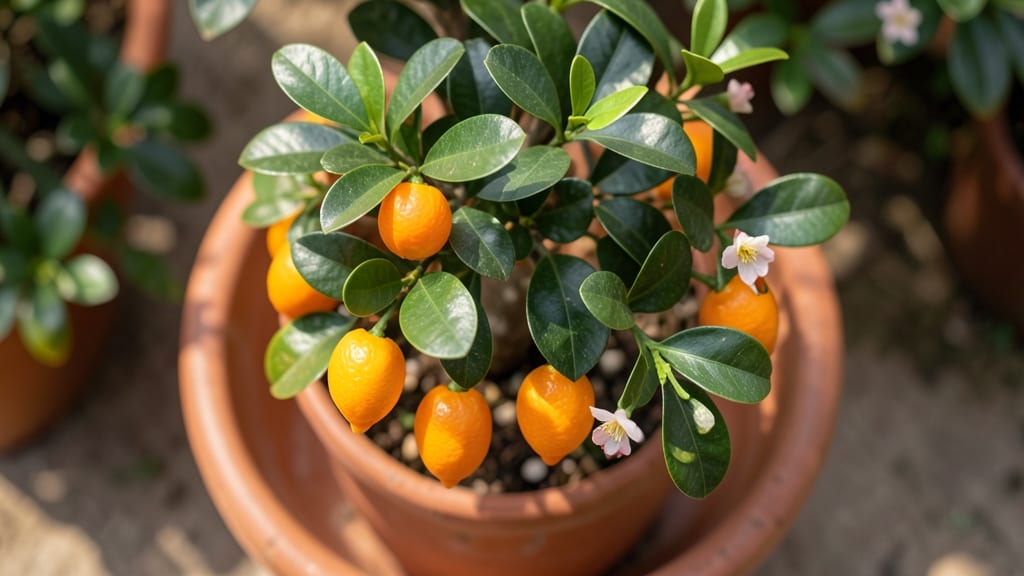
Love the bright, tangy flavor of oranges but want more variety? These 10 citrus-like fruits offer similar zesty profiles, easy cultivation, and unique growing conditions perfect for home gardens or containers.
Grapefruit for Bold Citrus Intensity
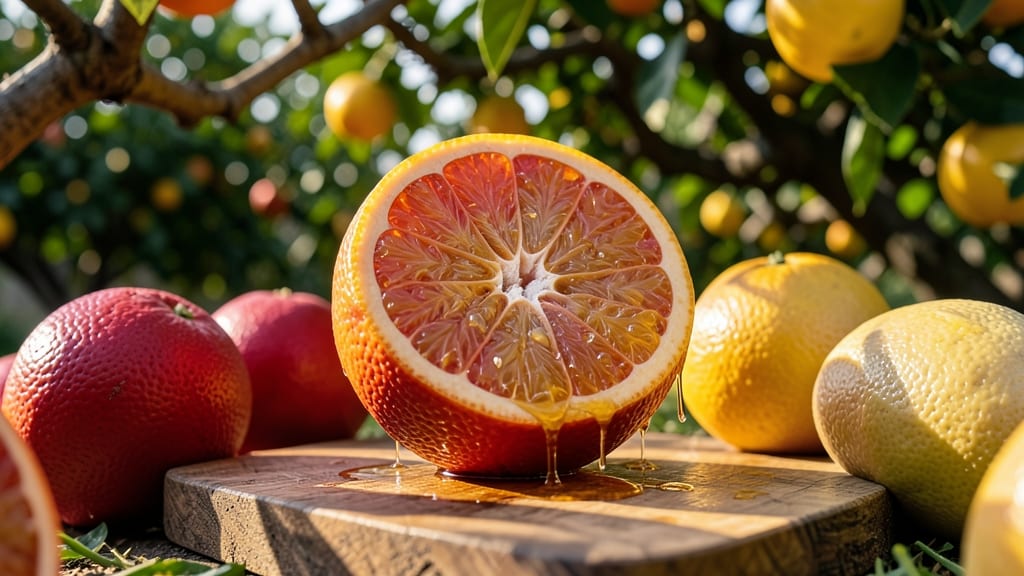
Want a citrus fruit that delivers bold, complex flavors far beyond what oranges can offer? Grapefruit is your answer—its dense, tangy-sweet profile makes it a standout for both savory and sweet dishes, while its striking ruby or yellow hues add drama to any garden.
This hardy citrus thrives in USDA Zones 9-11, needing full sun (6+ hours daily) and well-draining soil. Unlike oranges, grapefruit trees can grow 15-20 feet tall, but dwarf varieties stay manageable for containers. For best results, plant in spring after the last frost, and fertilize monthly during fruiting season. Ruby Red varieties are especially prized for their deep color and balanced sweetness.
Perfect for gardeners who love flavor-packed harvests, grapefruit also attracts pollinators and repels pests like aphids. Try pairing its sharp notes with grilled fish or honey desserts for a citrus statement your garden—and taste buds—will remember. 🌟
Mandarins for Sweet Child-Friendly Citrus
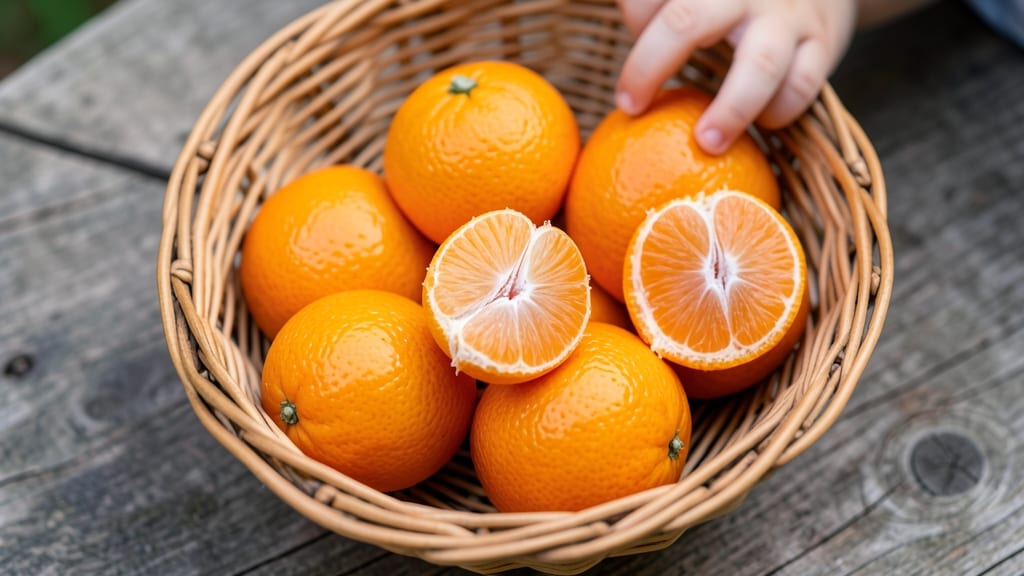
Tired of bitter seeds and tough peels when sharing oranges with kids? Mandarins solve both problems with their naturally seedless, easy-to-peel sweetness—perfect for little hands and snack-sized portions. Their mild, honey-like flavor makes them a crowd-pleaser that even picky eaters love.
These compact trees thrive in 5-gallon containers and need just 6-8 hours of sunlight daily, making them ideal for patios or balconies. Varieties like 'Dancy' or 'Murcott' produce fruit within 2-3 years, and their dwarf size (3-6 feet tall) fits urban spaces beautifully. Prune regularly to encourage bushier growth and more fruit clusters.
Families with limited space or beginners will appreciate mandarins' low-maintenance care and quick rewards—plus, they're less prone to pests than other citrus. 🌱
Lemons for Versatile Zesty Flavor
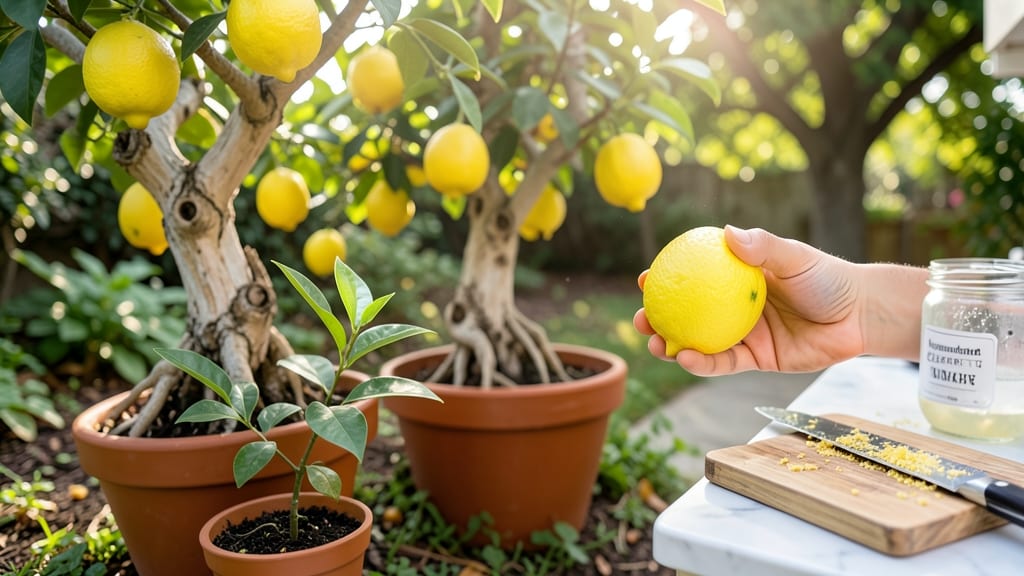
If you’ve ever dreamed of growing your own citrus but lack outdoor space, lemons are your perfect match—these tart powerhouses thrive in pots and deliver year-round harvests. Their versatile flavor works in everything from homemade cleaning solutions to fresh-squeezed juice, making them the ultimate urban gardener’s fruit.
Lemons need just 6-8 hours of sun daily and prefer well-draining soil mixed with compost. Dwarf varieties like ‘Meyer’ stay under 6 feet tall, ideal for balconies or patios. Prune regularly to encourage bushier growth and more fruit production. Their aromatic leaves also repel pests naturally, adding another layer of utility to your garden.
This adaptable citrus is especially great for beginners or city dwellers—no greenhouse or large yard required. Plus, their bright yellow fruit adds a cheerful pop to any space. 💚
Limes for Tangy Culinary Magic
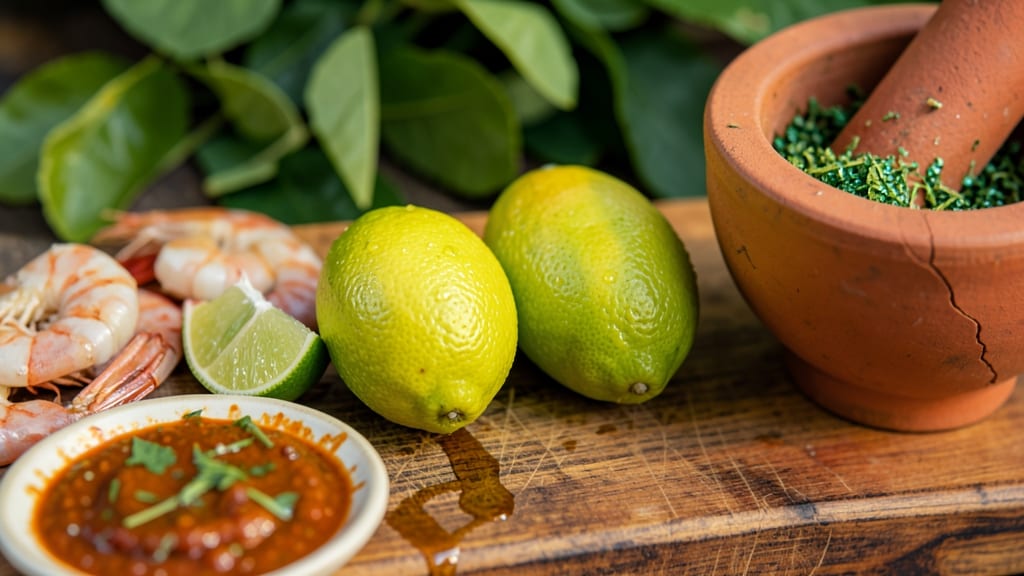
Craving that bright, zesty punch of Mexican ceviche or Thai curry? Limes deliver a concentrated burst of flavor in a tiny package—perfect for small-space gardeners who love bold tastes. Unlike their larger orange cousins, limes pack more acidity and aromatic oils into their compact form, making them a must-have for balcony gardens or sunny patios.
These tropical trees thrive in containers with at least 6 hours of sun daily and tolerate a range of soils, though they prefer well-draining mixes. Varieties like Key Lime or Persian Lime produce fruit year-round in warm climates, while dwarf varieties work beautifully in pots. Prune regularly to encourage bushier growth and more fruit—just be patient, as young trees take 1-2 years to bear.
Urban gardeners and flavor enthusiasts will love how limes transform dishes with minimal effort. Their small size means you can grow multiple trees in tight spaces, ensuring a steady supply of fresh zest for everything from cocktails to marinades. 🌿
Clementines for Effortless Snacking
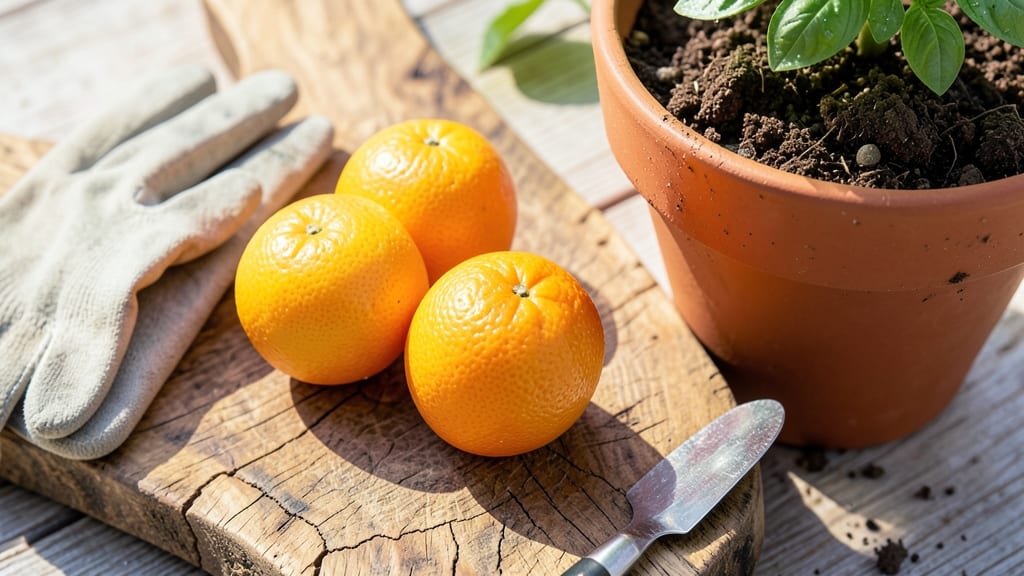
Skip the grocery store and grow your own seedless, easy-to-peel clementines—the perfect snacking citrus for busy gardeners. Unlike their seed-filled cousins, these hybrids combine the best of mandarins and oranges, delivering a sweet, juicy bite with minimal effort.
Plant in well-draining soil and provide full sun (6-8 hours daily) for maximum fruit production. They thrive in USDA Zones 9-11 but can be grown in containers for cooler climates. Harvest when the skin turns deep orange and yields slightly to gentle pressure—no fancy tools required!
Novice growers will love how forgiving clementines are. Their compact size makes them ideal for small gardens or patios, and the year-round harvest means fresh snacks without the store markup. 🌱
Kumquats for Unique Sweet-Tart Bites
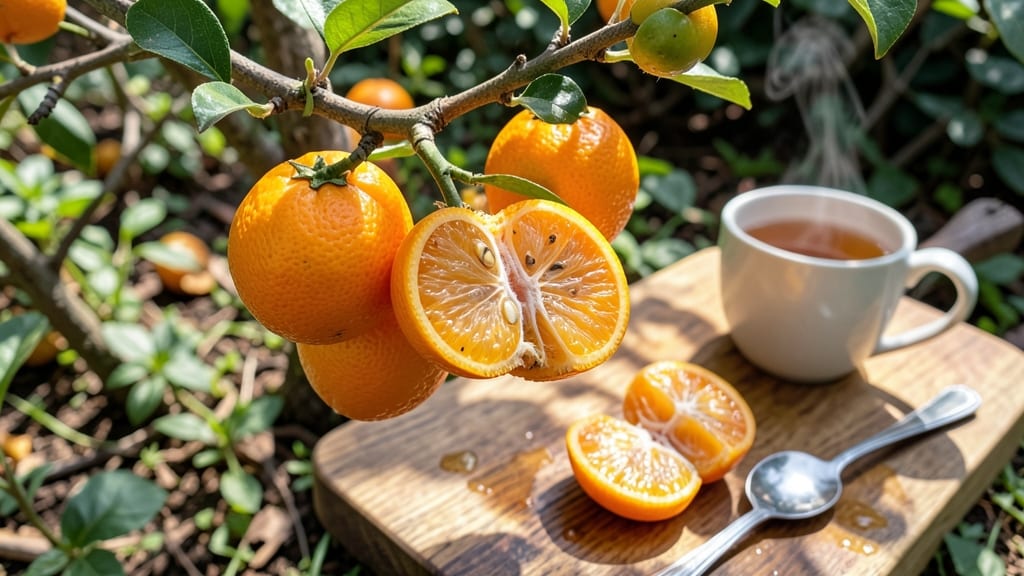
Ready to snack straight from the tree? Kumquats are the only citrus fruit you eat peel and all—packing a perfect sweet-tart punch that’s addictive in marmalades, teas, or as a fresh bite. Their tiny size and glossy orange skin make them a stunning (and productive) addition to any garden, whether in pots or planted directly.
These cold-hardy shrubs thrive in USDA Zones 7-10 and need just 4-6 hours of sun daily, making them ideal for partial shade gardens. Varieties like 'Meiwa' (sweet) or 'Nagami' (tart) produce fruit within 2-3 years, and their 3-6 foot height fits neatly into borders or containers. Prune lightly after harvest to encourage next year’s crop—each shrub yields dozens of bite-sized treats!
Perfect for gardeners who want low-maintenance productivity with a unique twist, kumquats also attract pollinators and deter pests naturally. Try growing a few for fresh snacks or preserve them in honey—your garden (and taste buds) will thank you. 🌻
Yuzu for Japanese-Inspired Citrus
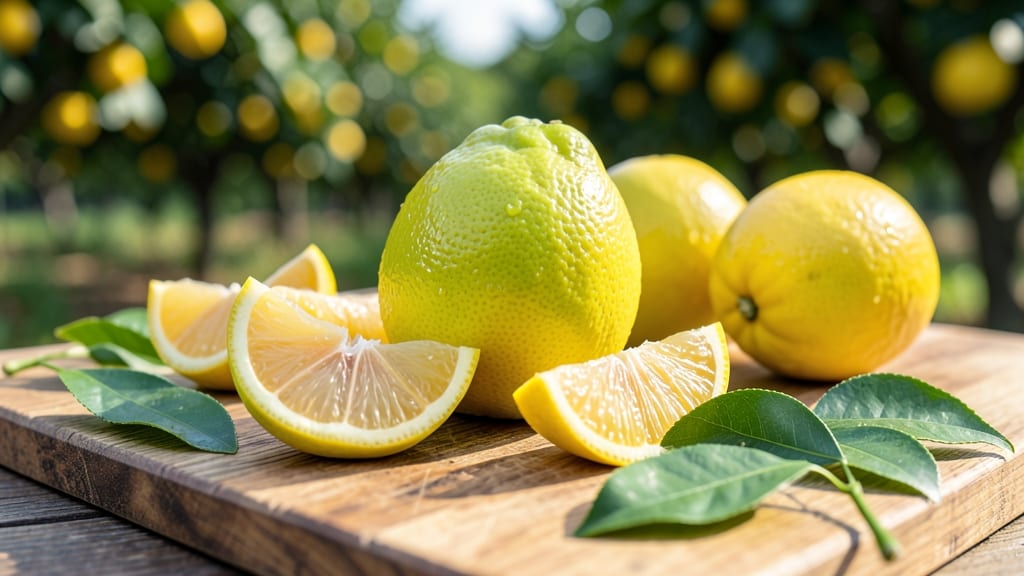
Craving a citrus twist that transports your garden—and taste buds—to Japan? Yuzu delivers a fragrant, floral-citrus experience unlike any orange relative, with a flavor profile that bridges lemon’s tartness and mandarin’s sweetness. This rare hybrid thrives in USDA Zones 8-10, making it perfect for coastal or warm inland gardens where it produces glossy, yellow-green fruits packed with aromatic oils.
Plant yuzu in well-draining soil with afternoon shade to prevent sunburn, and expect blooms within 2-3 years. While not self-pollinating, its delicate white flowers attract bees, and a single tree can yield 50-100 fruits per season. Harvest when the skin turns golden—perfect for marmalades, cocktails (like yuzu highballs), or fresh juice. Its compact size (8-10 feet tall) makes it ideal for containers or small orchards.
Gardeners who love culinary adventures will adore yuzu’s versatility, while those in warmer climates can enjoy year-round harvests. Its unique perfume also repels pests naturally—making it a fragrant, functional addition to any citrus collection. 🌟
Bergamots for Fragrant Tea Blends
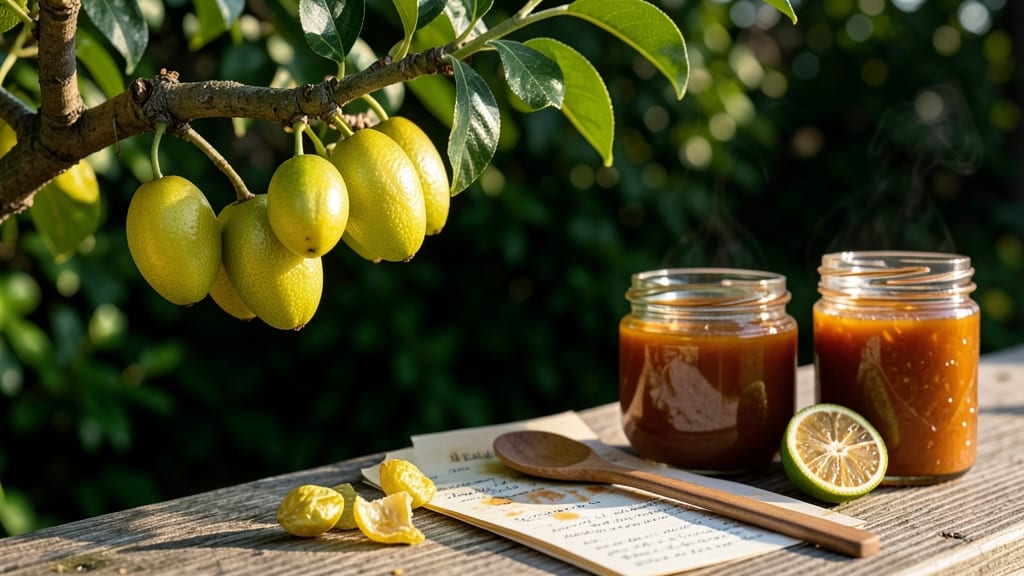
Craving the sophisticated aroma of Earl Grey tea but want to grow your own fragrant citrus? Bergamots are the secret ingredient—these small, yellow-green fruits pack a floral, slightly bitter punch that’s perfect for homemade infusions, marmalades, or even cocktails.
Native to Southeast Asia but thriving in USDA Zones 9-11, bergamot trees need full sun (6-8 hours daily) and well-draining soil. Unlike oranges, they’re self-pollinating and produce fruit in 2-3 years once established. Harvest when the skin turns golden—then peel and steep the rind (never the bitter flesh) for tea. Dwarf varieties fit containers, making them ideal for patios.
Tea enthusiasts and gardeners who love unique aromatics will adore bergamots—their complex scent elevates any garden and cup. Just avoid eating the fruit raw (it’s bitter and seedy) and focus on the rind’s magic. ✨
Blood Oranges for Deep Ruby Beauty
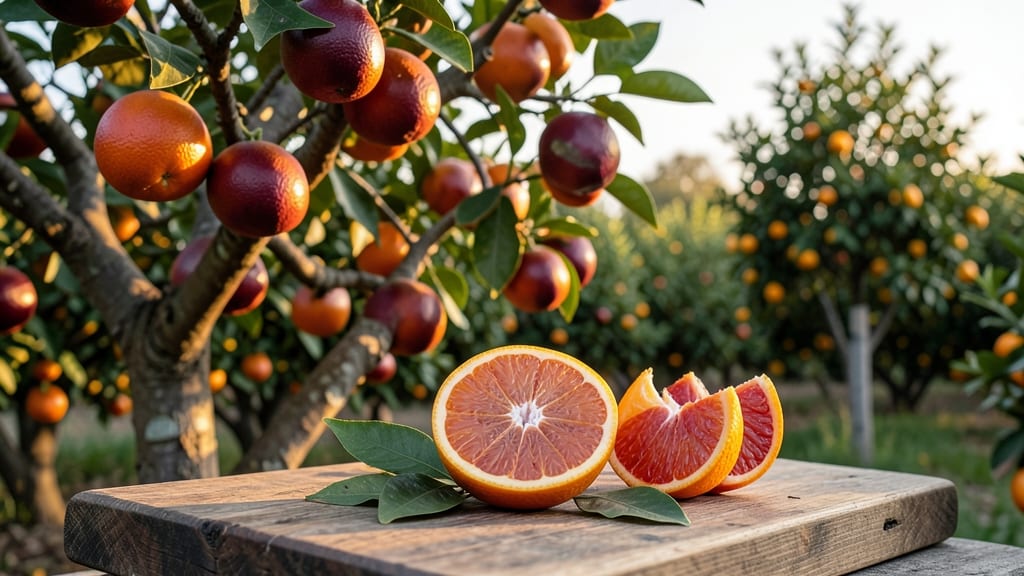
Looking for a citrus fruit that’s sweeter than oranges and packed with antioxidants? Blood oranges deliver a deep ruby hue and berry-like flavor that elevates any dish—or garden—with their striking appearance and health benefits.
These cold-hardy citrus trees thrive in USDA Zones 7-10, making them ideal for gardeners in cooler climates like the Pacific Northwest or northern California. Unlike tropical oranges, blood oranges tolerate light frosts (down to 20°F) and prefer well-draining soil with partial shade in hotter regions. Varieties like 'Moro' or 'Tarocco' produce fruit in 12-18 months, and their dwarf varieties stay under 8 feet tall, perfect for containers.
Perfect for health-conscious gardeners or those who love dramatic visuals, blood oranges pair beautifully with dark chocolate or goat cheese. Their berry-like sweetness and high vitamin C make them a standout for both culinary and ornamental gardens. 💚
Calamondins for Mini Citrus Trees

Looking for a citrus tree that fits on your windowsill instead of your backyard? Calamondins are the answer—these tiny trees produce bright orange, mandarin-orange hybrids that burst with sweet-tart flavor, perfect for snacking or garnishing dishes.
Growing just 3-6 feet tall, these bonsai-friendly trees thrive in containers year-round, needing only 4-6 hours of sunlight. Their compact size makes them ideal for patios, balconies, or even indoor growing near sunny windows. With regular pruning, you can shape them into stunning topiary or keep them as natural shrubs. The fruits ripen in late fall, offering a harvest of 1-inch orbs.
Urban gardeners and bonsai enthusiasts will love calamondins for their low-maintenance care. They’re also self-pollinating, so you’ll get fruit even with a single tree. Plus, their fragrant blossoms. add a sweet citrus scent to your space. 🌻