
Pruning
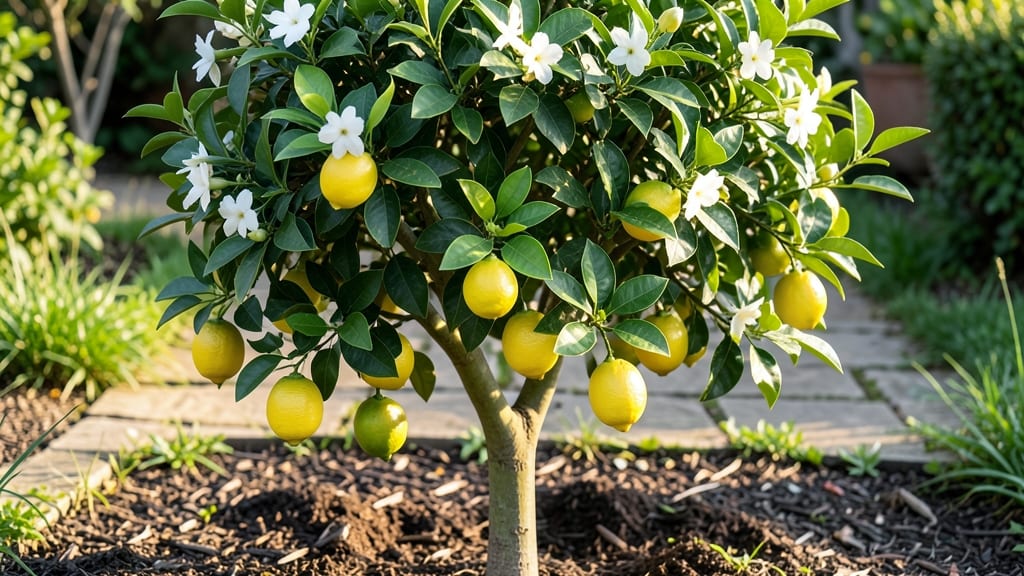
Growing a citrus fruit salad tree lets you snack on finger limes, bite-sized kumquats, and tiny oranges straight from your yard—no grocery store required. 🌱 I’ve been growing these compact wonders for years, and they’ve taught me that pruning isn’t just about shaping the tree; it’s about unlocking a harvest that tastes like a mix of sweet, tart, and tangy flavors.
The secret lies in choosing the right dwarf varieties—like ‘Improved Meyer Lemon’ or ‘Calamondin’—and giving them the perfect balance of sun, water, and pruning. Most people overlook pruning until late winter, but I’ve found that light trims in spring and summer keep the tree productive and pest-resistant.
You’ll end up with a tree that’s small enough for a patio pot but packed with flavor. By the end of the first year, you’ll have a tree that’s already bearing fruit, and with proper care, it’ll keep producing for decades. The best part?
You can mix varieties in one container for a true "fruit salad" experience—just imagine plucking a kumquat and a finger lime at the same time. This works for balconies, sunny windowsills, or even a cozy corner of your garden. Let’s get your tree thriving!
📚 In This Guide
- What you need
- Instructions
- Tips and common mistakes
- Wrapping up and next steps
What you need
- ● Citrus Tree Variety: 1-3 dwarf citrus trees (e.g., Citrus reticulata for mandarins, Citrus sinensis for oranges, or Citrus × limon for lemons). Choose cold-hardy varieties if in Zone 8 or below.
- ○ Optional: Grafted trees (e.g., "Improved Meyer Lemon" or "Clementine") for faster fruiting.
- ● Container or Planting Site: Container: 1 large pot (15–25 gallons) with drainage holes, or 5-gallon pots for dwarf varieties.
- ● Outdoor Site: Full sun (6+ hours/day), well-draining soil (amend with compost or sand if clay-heavy).
- ● Soil & Amendments: 1 bag citrus-specific potting mix (or 50% peat/50% perlite/sand blend).
- ● 1 lb slow-release citrus fertilizer (e.g., 6-6-6 NPK ratio, organic options like fish emulsion work too!).
- ○ Optional: 1 cup mycorrhizal fungi to boost root health.
- ● Pruning Tools: 1 pair bypass pruners (sharp, sterilized).
- ● 1 pruning saw (for thicker branches).
- ● 1 gloves (cut-resistant for safety).
- ○ Optional: 1 disinfectant spray (70% isopropyl alcohol) to prevent disease.
- ● Support & Accessories: 1 tree stake or bamboo poles (for young trees).
- ● 1 mulch (straw or wood chips) to retain moisture.
- ○ Optional: 1 drip irrigation kit for consistent watering.
- ● Climate: Citrus thrives in USDA Zones 9–11. For colder zones, grow in containers and overwinter indoors.
- ● Time of Year: Planting: Spring (after last frost) or early fall.
- ● Pruning: Late winter/early spring (before new growth) or light pruning after harvest.
- ● Space: Dwarf varieties need 6–8 feet apart; standard trees require 15+ feet.
- ● Patience: Dwarf trees fruit in 2–3 years; standard trees take 5+ years.
Step-by-step guide to year-round citrus tree pruning
Ready to transform your citrus tree into a productive, healthy fruit salad producer? Here's how to prune it year-round for maximum harvests.
✂️ Step 1: Prune for Airflow in Late Winter
Start your pruning cycle in late winter—just as new growth begins but before buds break. Remove dead, diseased, or crossing branches first; these compete with healthy growth and invite pests. I like to use sterilized pruning shears to make clean cuts at a 45-degree angle, about ¼ inch above an outward-facing bud. This encourages new growth to spread outward rather than inward.
Thin out branches that grow toward the center of the tree—these create dense spots where sunlight and air can't penetrate. Aim to open up the canopy so light reaches all fruit. You'll know you've done well when you can see light filtering through to the inner branches. Real talk: if you skip this step, your tree will struggle with fungal issues and poor fruit set.
☀️ Step 2: Lighten the Canopy in Early Spring
Once your tree flowers in early spring, shift focus to fruit-bearing branches. Remove overly dense clusters of fruit—leaving 6-8 inches between clusters prevents overburdening the tree. I target branches with too many small fruits and thin them to 3-4 larger, well-spaced fruits per branch. This ensures each remaining fruit gets enough energy to mature fully.
Watch for suckers (shoots growing from the base or trunk) and remove them immediately. These sap-suckers drain energy from your fruit production. Use your fingers or small pruners to pull them cleanly at the base. After this step, your tree should look balanced, with sunlight reaching all sides.
🌿 Step 3: Summer Maintenance for Growth Control
During summer, prune only to shape and control growth. Remove any water sprouts (fast-growing, vertical shoots) that pop up after heavy rains. These shoots grow quickly but produce little fruit. Cut them back to a leaf node where new growth can emerge outward.
If your tree grows too tall or wide, prune back the tips of the longest branches by ⅓. This triggers bushier growth and prevents the tree from becoming top-heavy. Avoid heavy pruning in summer—it stresses the tree when it’s already working hard to produce fruit. Light touches are all you need here.
⏰ Step 4: Final Pruning Before Dormancy
In late fall, do a light cleanup to prepare for winter. Remove any dead or yellowing leaves and diseased branches that might harbor pathogens. Prune back any overly vigorous shoots that grew during summer, cutting them to a strong lateral branch. This keeps the tree's energy focused on root development over winter.
Here's the thing—citrus trees are evergreens, but they still slow down in cooler months. By keeping the canopy open and removing weak growth, you help the tree store energy efficiently. After this step, your tree should look tidy and ready to rest until spring. Don’t overdo it—just tidy up what’s necessary.
💧 Step 5: Post-Pruning Care for Recovery
After each major pruning session, water deeply to help the tree recover. Focus on the root zone, giving it enough moisture to support new growth. I like to mulch around the base with 2-3 inches of organic mulch (like wood chips) to retain moisture and regulate soil temperature.
Monitor your tree for new growth in the weeks following pruning. If you see tender new shoots, it’s a sign the tree is responding well. Avoid fertilizing immediately after pruning—wait until new growth appears before adding nutrients. This ensures the tree uses its energy for healing rather than feeding new leaves.
Tips & tricks for perfect citrus tree pruning
Here's what nobody tells you about keeping your citrus tree thriving year after year.
Timing is Everything: Late winter pruning (just before buds break) is your golden window for shaping the tree's future. I've seen trees with dense canopies struggle with fungal issues because they missed this step. Look for those tiny buds swelling on the branches—when you see them, it's time to act. If you prune too early, you risk cutting off potential growth; too late, and you'll be working with tender new shoots that heal poorly.
Visual Cues for Success: In Step 2, when you're thinning fruit clusters, aim for sunlight to filter through the canopy like a dappled forest floor. If you can't see light reaching the inner branches, you haven't thinned enough. I like to stand back and take photos before and after—it's amazing how much difference proper spacing makes in fruit development. Those 6-8 inches between clusters aren't arbitrary; they're what prevents overburdening that leads to small, sour fruit.
Seasonal Pruning Strategy: Summer maintenance is all about light touches. When you see those water sprouts shooting up after rains, cut them back to a leaf node immediately. I've learned the hard way that letting them grow just a few inches means you'll be dealing with thick, unproductive branches later. The key is to redirect the tree's energy toward fruit production rather than vertical growth. Think of summer pruning as giving your tree a gentle haircut rather than a drastic makeover.
Tool Preparation: Sterilize your pruning shears between cuts, especially when removing diseased branches. I use a 10% bleach solution (1 part bleach to 9 parts water) to wipe them down after each infected branch. This prevents spreading pathogens throughout your tree. Also, keep your tools sharp—dull blades tear wood, creating larger wounds that take longer to heal. A clean, sharp cut at a 45-degree angle is what helps your tree recover quickly.
Pro Tips for Citrus Fruit Salad Tree
- Here's what nobody tells you about keeping your citrus tree thriving year after year.
- Timing is Everything: Late winter pruning (just before buds break) is your golden window for shaping the tree's future.
- Visual Cues for Success: In Step 2, when you're thinning fruit clusters, aim for sunlight to filter through the canopy like a dappled forest floor.
Frequently asked questions
Got questions about growing your own citrus fruit salad tree? Here are some of the most common queries—plus straightforward answers to help you cultivate a thriving harvest!
How long does it take for a citrus fruit salad tree to bear fruit?
A citrus fruit salad tree (like a trifoliate orange or citrange) typically takes 3–5 years to bear fruit from seed, while grafted varieties may produce fruit in 1–2 years. Patience is key—focus on proper pruning, sunlight (6+ hours/day), and well-draining soil to speed up fruiting. Pro tip: Dwarf varieties often fruit faster due to their compact growth!
Can citrus fruit salad trees survive winter frost?
Most citrus fruit salad trees (e.g., trifoliate orange, citrange) are hardy to USDA Zones 5–9 and can tolerate brief cold snaps down to 15°F (-9°C). For colder climates, plant in a protected microclimate (near walls or in containers) and mulch heavily. Young trees or tender varieties (like calamondin) may need winter wraps or indoor overwintering.
What’s the best way to prune for maximum fruit production?
Prune your citrus tree twice a year: lightly in late winter (to shape and remove dead wood) and heavily after harvest (to encourage new growth). Focus on:
- Removing suckers (shoots at the base) to direct energy upward.
- Thinning overcrowded branches for better airflow (reduces disease).
- Avoid cutting more than 1/3 of the canopy at once.
Can I grow a citrus fruit salad tree in a container? How big should the pot be?
Yes! Containers are great for dwarf varieties or small spaces. Use a pot at least 15–20 gallons (18–24" diameter) with drainage holes. Ensure it’s wide enough for roots (citrus hate root-bound conditions) and replant every 2–3 years with fresh potting mix. Move containers indoors or to a garage if temps drop below 40°F (4°C).
Why aren’t my citrus fruit salad tree’s leaves turning green?
Yellow or pale leaves often signal nutrient deficiencies (common in citrus). Check for:
- Iron deficiency (yellow new leaves): Apply chelated iron or use Epsom salt (1 tbsp/gallon of water).
- Nitrogen deficiency (yellow older leaves): Use a balanced citrus fertilizer (e.g., 6-6-6).
- Overwatering: Let soil dry slightly between waterings.
What’s the best way to harvest and store citrus fruit salad tree fruit?
Harvest when fruit is fully colored but still slightly firm (taste test!). Gently twist or cut stems—never pull to avoid damaging branches. Store at room temp for 1–2 weeks or refrigerate for up to 2 months. For long-term storage, freeze peeled segments or make preserves. Fun fact: Trifoliate oranges stay crisp longer than oranges!
Wrapping up and next steps
Growing your own citrus fruit salad tree is a rewarding journey that brings vibrant flavors and lush greenery to your space year-round! With the right pruning techniques, you’ll ensure healthy growth, abundant harvests, and a stunning centerpiece for your garden.
Whether you’re a seasoned gardener or just starting out, every snip brings you closer to a bountiful, citrus-filled future—so grab those shears and get pruning!
Ready to take the next step? Start small—choose a single citrus variety or experiment with a mix—and watch your fruit salad tree thrive! 🌱 For even more tips, join a local gardening community or explore advanced pruning tutorials to refine your skills.