
Plants
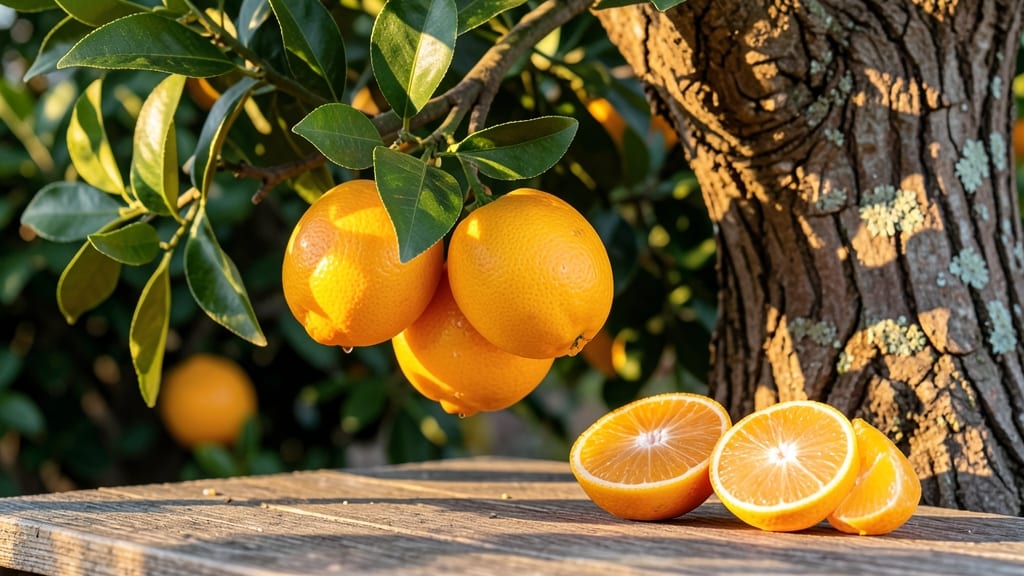
If you love apricots for their sweet-tart flavor and vibrant color, these warm-climate fruits will expand your orchard possibilities. From easy-to-grow varieties to unique culinary uses, these apricot-like gems thrive in similar conditions and offer similar rewards.
Peaches: Juicy Sweets with Velvety Textures
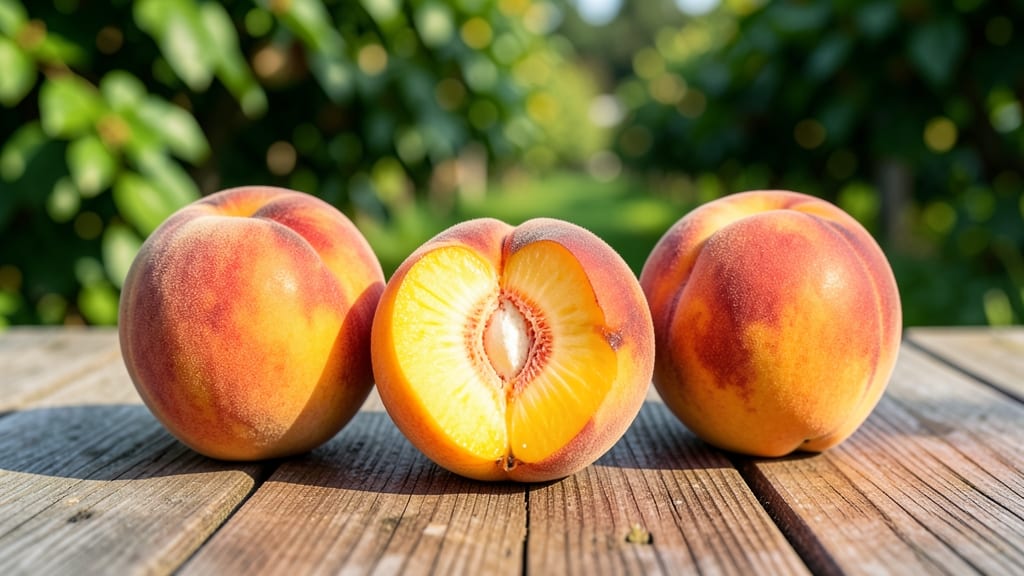
If you adore apricots but crave something even sweeter, peaches deliver that velvety, sugar-rich payoff while sharing the same easygoing growing habits. Their softer flesh and higher sugar content make them a backyard favorite for fresh snacking or homemade preserves.
Peaches thrive in USDA zones 5-9, needing 6-8 hours of sun daily and well-draining soil. Unlike apricots, they tolerate a wider range of soil types—even slightly acidic—making them forgiving for beginners. Dwarf varieties like 'Bonanza' or 'Redhaven' are perfect for small spaces, producing fruit in just 2-3 years after planting.
What sets peaches apart is their versatility: they shine fresh, in pies, or even grilled. For gardeners in cooler climates, late-blooming varieties resist spring frost damage. Their adaptability means fewer headaches than fussy apricots. 🌟
Plums: Versatile Fruits with Bold Flavors
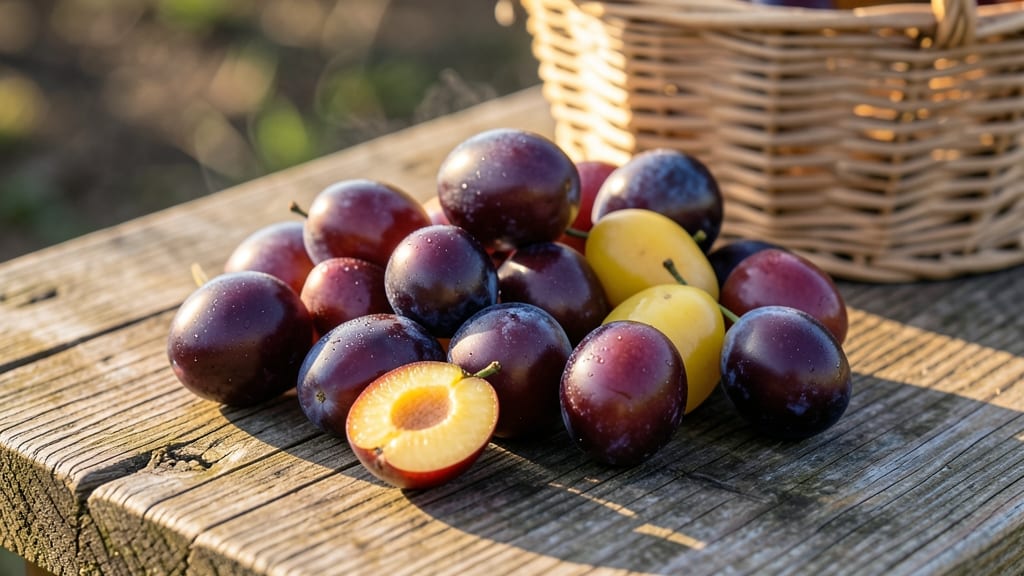
Looking for a fruit that delivers apricot-like sweetness but with even more depth? Plums are your answer—offering complex flavors that work beautifully fresh, baked, or preserved. Their versatility makes them a must-have for gardeners who love apricots but crave more culinary possibilities.
Plums thrive in the same USDA zones 5-9 as apricots, requiring full sun and well-draining soil. Unlike apricots, they come in hundreds of varieties, from tart Damson plums to sweet Italian prunes, ensuring you'll find one that fits your taste. They're also more disease-resistant, making them a low-maintenance choice for both beginners and experienced growers.
Whether you're making jam, grilling slices, or enjoying them fresh, plums bring a unique depth that elevates dishes. Their adaptability and bold flavors make them a standout for any warm-climate orchard. 🌟
Nectarines: Apricot's Glossy Cousins
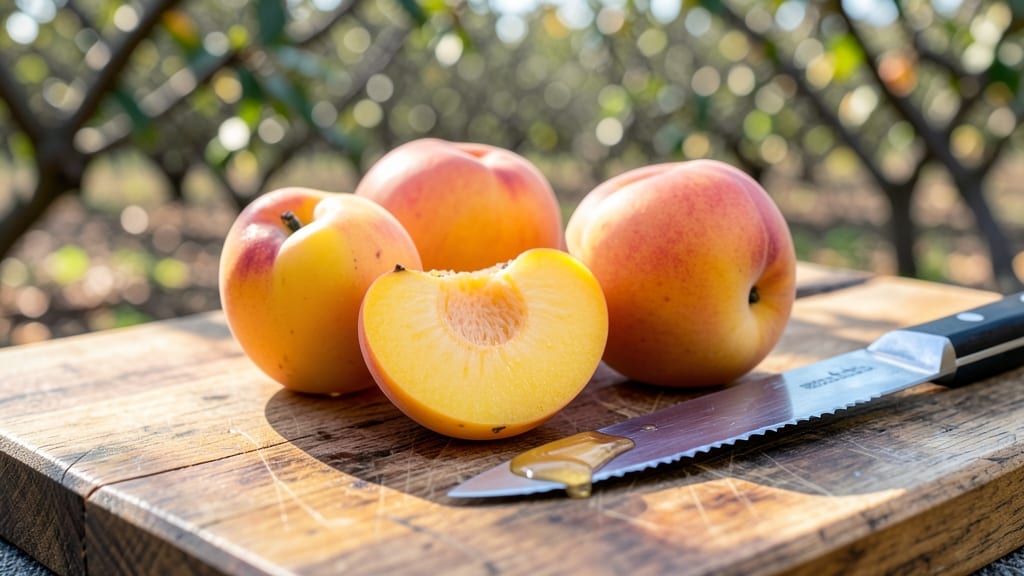
If you're tired of fuzzy apricots that leave a mess when eating, nectarines are your smooth-skinned solution. These cousins deliver the same sweet-tart flavor but with a sleek, hairless exterior that's easier to clean and perfect for slicing into salads or grilling whole.
Nectarines thrive in USDA zones 5-9 with 6-8 hours of sun daily, preferring well-draining soil and consistent moisture during fruit development. Varieties like 'Fantasia' and 'Starking Delight' offer disease resistance and excellent flavor, while their compact trees suit small orchards or container growing. The fruits ripen slightly earlier than apricots, typically from mid-summer to early fall.
Home gardeners will love how nectarines double as decorative plants—their glossy foliage adds mid-season interest before the fruit appears. Their versatility makes them ideal for both ornamental landscapes and productive harvests. 🌻
Cherries: Jewel-Toned Fruits with Unique Appeal
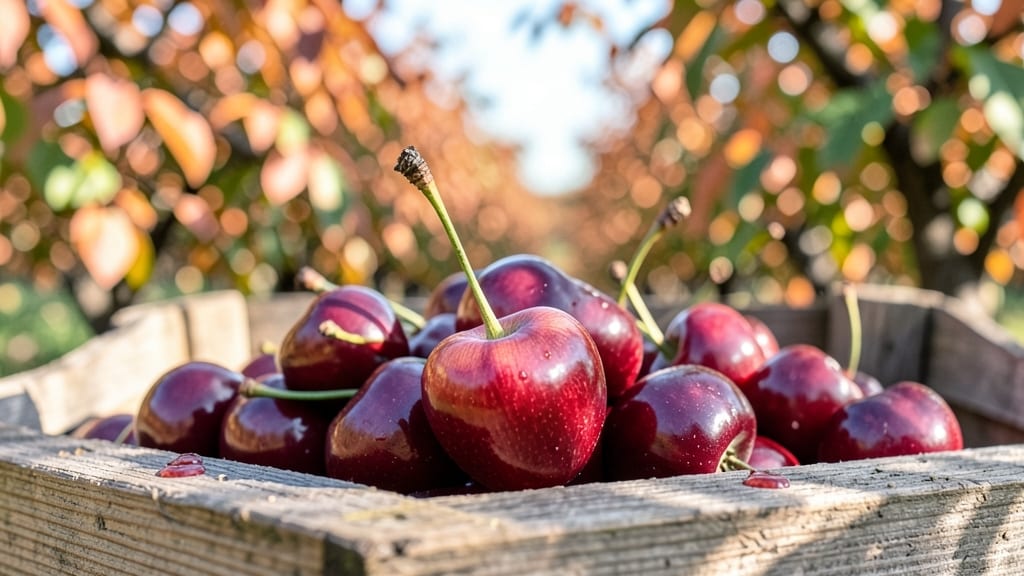
Looking for a fruit that bridges the gap between tart and sweet? Sweet cherries deliver apricot-like stone fruit characteristics with their velvety texture and rich flavor profile—just wait until they ripen fully to enjoy that perfect balance.
These gems thrive in USDA zones 5-9, just like apricots, and prefer full sun (6-8 hours daily) with well-draining soil. Varieties like Rainier (yellow-red) or Stella (red) offer sweetness that rivals apricots when baked into pies or tossed into salads. Their compact growth habit makes them ideal for small orchards or even large containers.
Home gardeners in warm climates will love how cherries transform from tart to luscious as they ripen—perfect for extending your fruit harvest season. 🌟
Apricot Plums: Hybrid Fruits with Best of Both Worlds
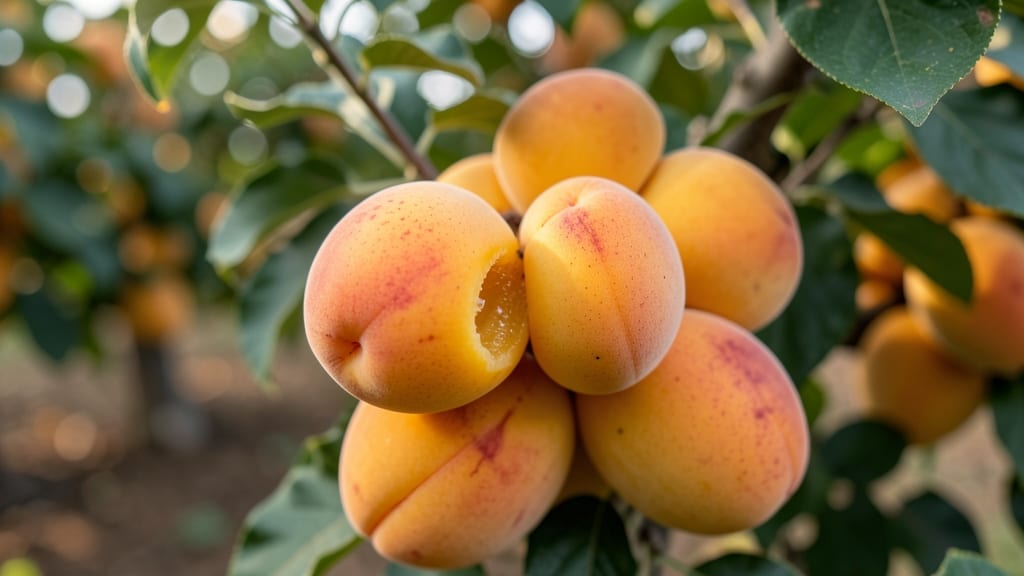
If you're looking for a fruit that combines the best qualities of apricots and plums without the fuss, apricot plums are your perfect match. These natural hybrids offer the sweet, honeyed flavor of apricots with the hardy, disease-resistant traits of plums, making them ideal for small spaces or beginner orchardists.
Thriving in USDA zones 5-9, apricot plums require full sun (6-8 hours daily) and well-draining soil, much like their parent fruits. Their compact size (typically 20-30 feet tall) makes them perfect for urban yards or backyard orchards, and they produce fruit in just 2-3 years after planting. Varieties like 'Goldbar' and 'Methley' are especially prized for their juicy, flavorful fruit and minimal care requirements.
This hybrid is a game-changer for gardeners who want reliable harvests with less effort—ideal for those short on time but craving homegrown fruit. 🌟
Mangos: Tropical Alternatives with Similar Sweetness
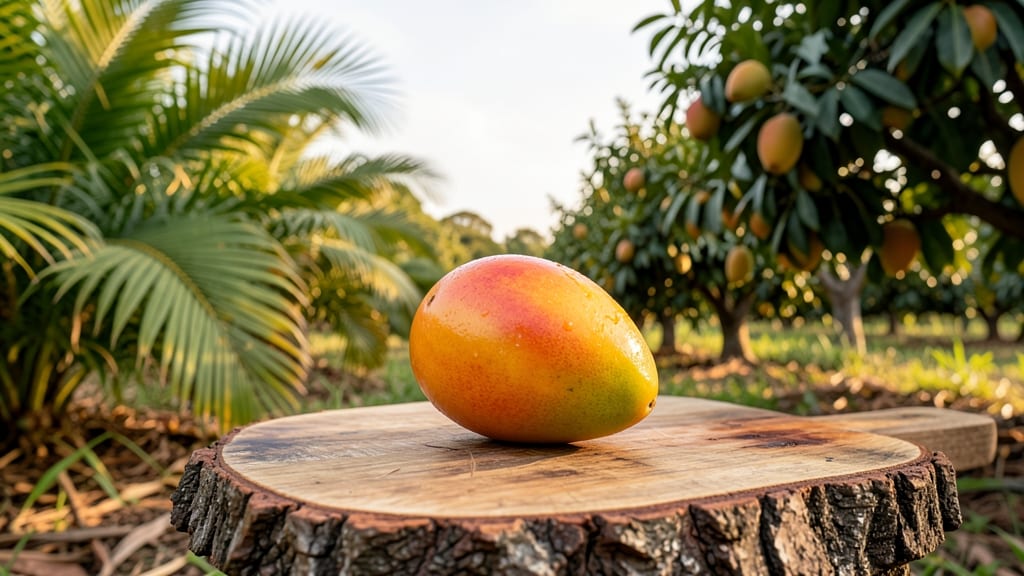
If you crave apricot sweetness but live in a tropical or subtropical zone, mangos deliver that same caramelized sugar profile with an exotic twist. Unlike temperate stone fruits, mangos thrive in USDA zones 9-11, offering harvests that can stretch from spring through winter with proper variety selection.
Plant dwarf varieties like 'Cogshall' or 'Ice Cream' for home gardens—they produce fruit in 2-3 years and require full sun (6+ hours) with well-draining soil. The key to success? Consistent moisture during flowering (but avoid overwatering mature trees) and thin fruit when young to improve size. Unlike apricots, mangos don't need cross-pollination, making them ideal for small spaces.
Gardeners in warm climates will love mangos for their year-round potential—choose early, mid, and late-season varieties to enjoy fresh fruit continuously. Their versatility extends beyond eating fresh too: blend into smoothies or use the skin for natural dyes. 🌟
Persimmons: Autumn's Sweet Stone Fruit Treasure
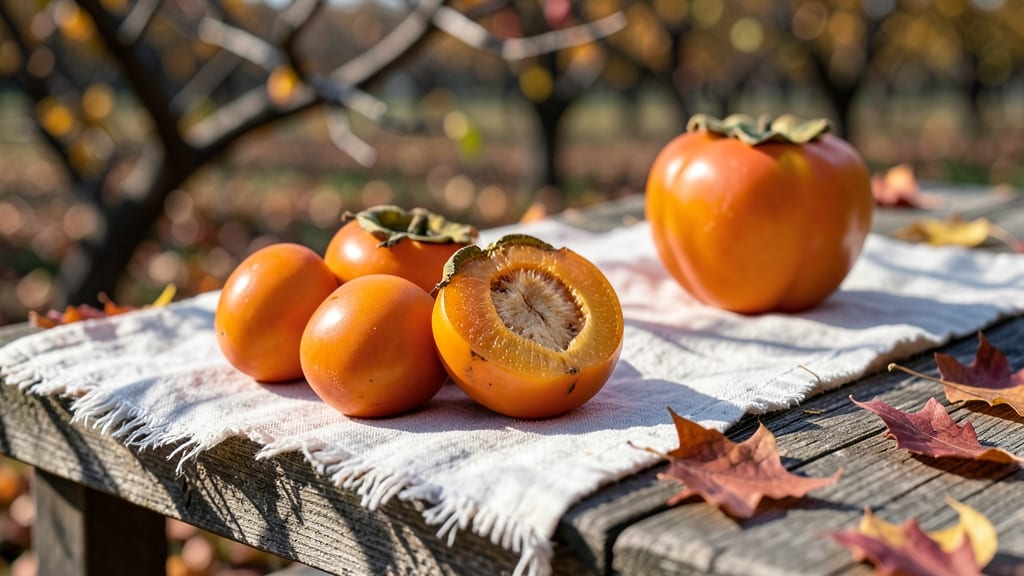
If you're craving apricot-like sweetness but want a fruit that transforms dramatically with ripeness, persimmons are your autumnal answer. Unlike their cousins, persimmons start with an astringent bite when unripe—think of them as nature's way of teaching patience—before melting into a caramel-like sweetness when fully ripe.
These hardy trees thrive in USDA zones 5-9 and prefer full sun, making them ideal for cooler climates where apricots struggle. Plant them in well-draining soil, and within 3-5 years, you'll enjoy harvests from late fall through winter. The Fuyu variety is perfect for baking (think: pies or puddings) when firm, while Hachiya types must soften completely before eating fresh.
Persimmons add seasonal drama to your garden with their fiery orange foliage and striking fruit. They're especially rewarding for patient gardeners who love multi-use fruits—enjoy them fresh, baked, or even dried for winter treats. 🌟
Loquats: Early Season Citrus-Flavored Gems
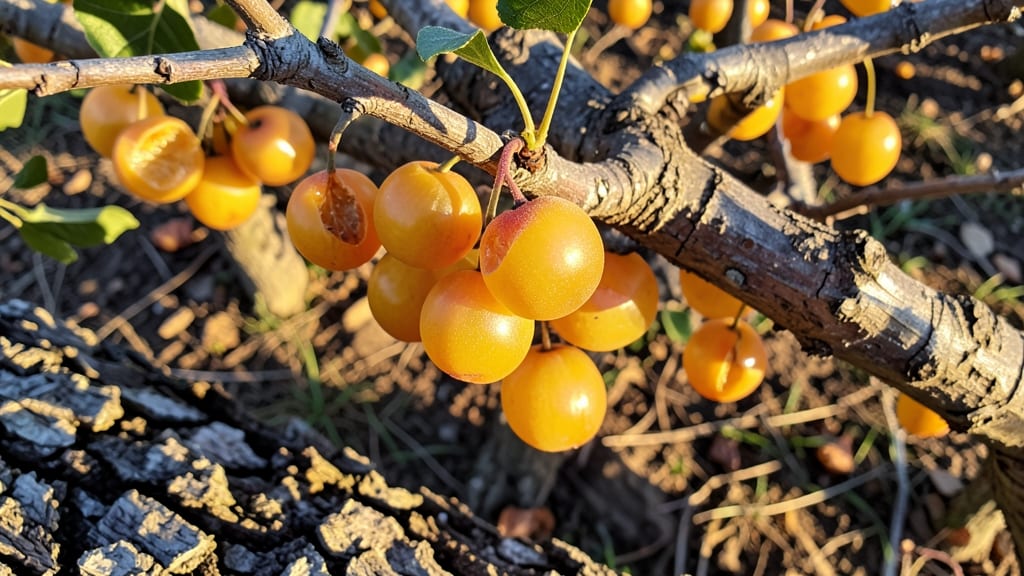
If you're craving fruit earlier in the season, loquats deliver a sweet-tart citrus punch that ripens before apricots—often as early as late winter in warm climates. These small, golden-orange fruits pack a flavor profile that bridges apricot and peach, making them a unique addition to your orchard.
Thriving in USDA zones 7-10, loquats prefer full sun to partial shade and well-draining soil, much like apricots. Their drought-tolerant nature makes them ideal for Mediterranean climates, and they produce year-round in frost-free areas. The fruits are ready to pick when they yield slightly to gentle pressure and release their fragrant aroma.
Perfect for small gardens or urban orchards, loquats offer low-maintenance care with minimal pruning needs. Their early harvest extends your fresh fruit season, delighting you with a burst of citrusy sweetness when other stone fruits are still months away. 🌟
Pawpaws: North America's Native Tropical Fruit
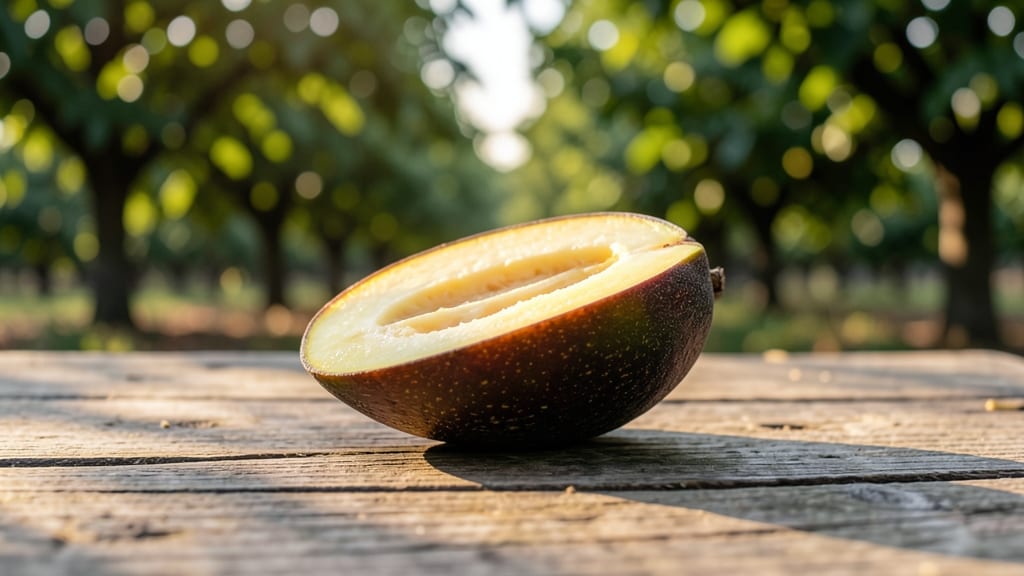
If you're craving a fruit that tastes like a tropical vacation but thrives in temperate climates, pawpaws are your secret weapon. These native North American fruits deliver a creamy, custard-like texture with flavors reminiscent of bananas, mangoes, and pineapples—all in a single bite.
Unlike most tropical fruits, pawpaws grow best in USDA zones 5-9, making them ideal for gardeners in the Midwest and Northeast. They require partial shade (morning sun, afternoon shade) and well-draining, slightly acidic soil. Planting two varieties ensures cross-pollination, and fruits ripen in late summer to early fall. The large, maroon flowers in spring are a bonus for pollinators!
Perfect for homesteaders or orchard enthusiasts seeking something unique, pawpaws offer a low-maintenance, high-reward fruit that’s rarely found in grocery stores. 🌿
Satsumas: Easy-Peel Citrus with Apricot-Like Sweetness

If you crave apricot-like sweetness without the fuss of peeling or the tartness of other citrus, satsumas are your perfect match. These seedless mandarins deliver a honeyed, apricot-like flavor that’s naturally sweet and easy to enjoy straight from the tree.
Thriving in USDA zones 7-10, satsumas require minimal care—just full sun and well-draining soil. Their thin, easy-to-peel skin makes them ideal for snacking, and they’re packed with vitamin C. Unlike traditional citrus, they rarely need cross-pollination, making them a low-maintenance choice for home gardens.
Urban gardeners and small-space growers will love that satsuma trees stay compact, often reaching just 8-10 feet tall. Their late-winter harvest also extends your citrus season when other fruits are scarce. 🌻