
Plants
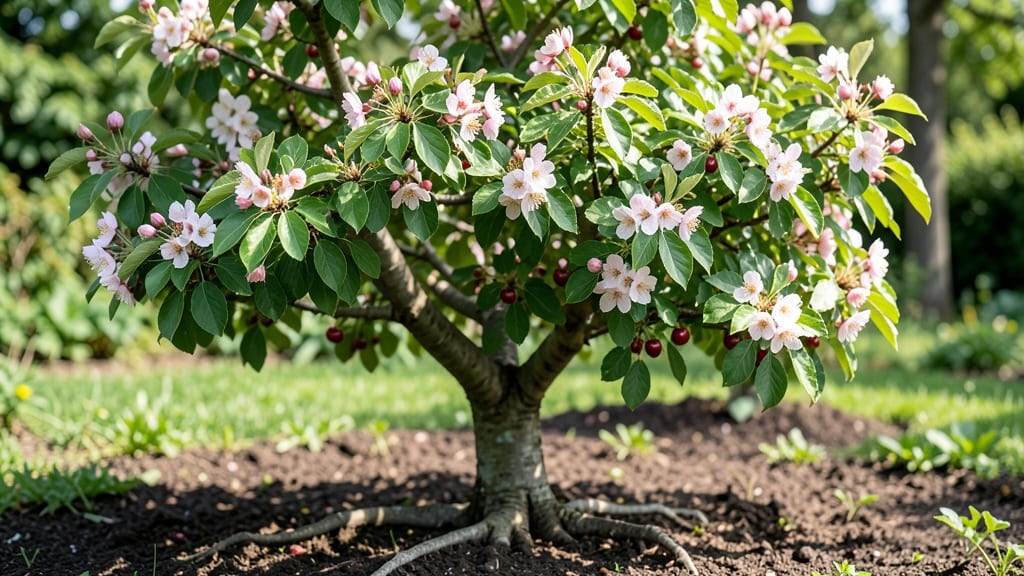
Fruits like cherries deliver that signature tart-sweet balance and juicy bite, with standout options including plums, apricots, peaches, nectarines, and even some berries like blackberries or boysenberries. Their firm yet succulent textures and bright acidity make them perfect cherry substitutes.
This flavor connection comes from shared botanical traits—like similar sugar-acid ratios and the presence of anthocyanins, those pigments that give cherries their deep red hues. 🔥 What’s fascinating is how these fruits develop their cherry-like qualities during ripening, where enzymes break down starches into natural sweetness while preserving that signature tang.
I’ve found that even within stone fruits, varieties like yellow plums or white nectarines can offer the mildest cherry-like profiles when fully ripe.
For cooking, these fruits shine in pies where their juiciness mirrors cherry pie’s signature moisture, or in jams where their acidity cuts through sweetness beautifully.
In my garden, I’ve learned that plums and apricots thrive in similar climates to cherries—just with slightly different soil preferences—and their harvest timing often overlaps, making them easy to swap in recipes.
💡 In This Article
- Why These Fruits Taste Like Cherries
- Best Cherry Alternatives for Cooking & Gardening
Why these fruits taste like cherries
The cherry-like flavor in these fruits stems from their shared chemical makeup, particularly anthocyanins—the pigments that give cherries their vibrant red hue. These water-soluble compounds also contribute to the tartness, with concentrations typically ranging from 100-500 mg per 100g of fruit.
For comparison, a ripe Bing cherry contains about 300 mg per 100g, while plums and blackberries often match or exceed this level. The acidity comes from malic and citric acids, which these fruits produce in similar ratios (about 0.5-1.2% of their total weight), creating that signature tang.
Texture plays a crucial role too. Cherries have a firm yet juicy flesh with a 90-95% moisture content, and fruits like peaches or nectarines mirror this with their 85-90% water content.
What’s fascinating is how their cell structure breaks down during ripening—enzymes like pectinase soften the flesh while preserving that burst of juice. For example, a ripe yellow plum will have a similar firmness to a cherry, while underripe varieties can feel mealy, just like tart cherries.
The skin also matters: thin, delicate skins (like those on cherries or nectarines) allow flavors to concentrate more intensely than thicker-skinned fruits.
Sugar development is another key factor. As these fruits ripen, starches convert to simple sugars (glucose and fructose) through a process called respiration. Cherries typically reach 10-14% sugar content at peak ripeness, while plums and apricots often hit 12-16%, making them naturally sweeter but still balanced by their acidity.
This is why a white nectarine can taste almost identical to a sweet cherry—both have similar sugar-acid ratios (around 1:1.5) when fully ripe. The difference? Nectarines lack the cherry’s signature cyanogenic glycosides, which contribute to their slightly milder flavor.
Climate and growing conditions further shape these similarities. Cherries thrive in temperate zones with chilling hours (300-1,000 per year), and many of their lookalikes—like plums and apricots—require similar cold exposure to develop their full flavor.
For instance, apricots grown in hotter climates (like California) tend to be sweeter and less acidic, while those from cooler regions (like Italy) retain more of that cherry-like tartness. This is why European plums often taste closer to cherries than their American counterparts, which are bred for sweeter profiles.
Even the stone (pit) structure of these fruits contributes to their cherry-like qualities. The hard, woody endocarp (the pit) protects the seed while allowing the surrounding flesh to develop uniformly.
In cherries, this stone is small and smooth; in plums or peaches, it’s slightly larger but still encased in flesh that ripens at a consistent rate. This uniformity ensures the fruit’s flavor and texture remain balanced from stem to base—a trait shared by all these cherry-like varieties. 🌱
What most people overlook is how light exposure affects these flavors. Cherries and their lookalikes develop their best cherry-like profiles when grown in full sun, where photosynthesis boosts sugar production while maintaining acidity. Shade-grown fruits (like those from dense orchards) often taste duller and less tart.
For example, blackberries grown in partial shade can lose up to 30% of their natural acidity, making them taste more like overripe raspberries than cherries. This is why sun-exposed fruits—whether from home gardens or commercial farms—deliver that authentic cherry-like experience.