
Vegetables
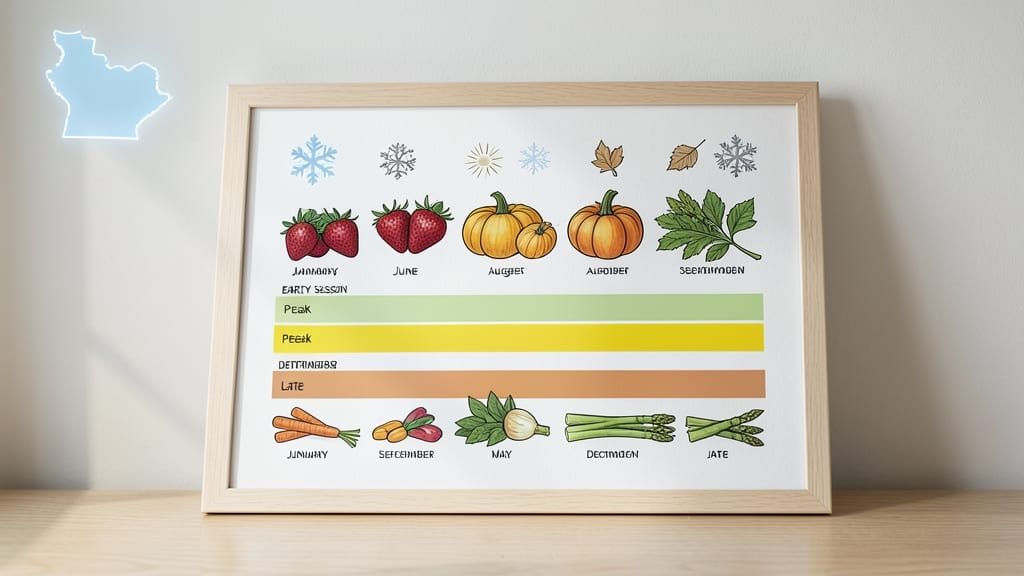
A Michigan seasonal produce chart organizes local fruits and vegetables by month, showcasing early spring harvests like spinach and peas, peak summer crops such as blueberries and sweet corn, autumn favorites like apples and pumpkins, and hardy winter options including root vegetables and stored apples. For precise timing, always verify with USDA or regional farm reports.
Michigan’s four distinct seasons create a natural calendar for fresh produce, where each month offers unique flavors and textures. 🌱 The state’s diverse microclimates—from the Great Lakes shoreline to inland valleys—mean even neighboring regions may have slightly different harvest windows.
For example, southern Michigan often enjoys a longer growing season than the Upper Peninsula, allowing for earlier plantings of heat-loving crops like tomatoes. I recommend bookmarking local farmers' market guides, as they frequently update their seasonal availability based on real-time growing conditions.
Understanding these patterns helps gardeners and shoppers alike make the most of Michigan’s bounty. Whether you're planning a summer garden or stocking up for winter storage, timing is everything.
For instance, planting cold-hardy kale in early spring or late summer ensures a harvest before the first hard frost, while sweet corn thrives in the warm, sunny days of July and August. Always check with your county extension office for soil-specific advice—they’re your best resource for tailored growing recommendations.
💡 In This Article
- How Michigan’s Climate Affects Seasonal Produce
- Best Local Michigan Produce by Season: A Gardener’s Guide
How Michigan’s climate affects seasonal produce
Michigan’s growing seasons are shaped by its Great Lakes influence, particularly Lake Michigan, which acts like a giant heat sink.
Coastal areas like Traverse City experience warmer summers and milder winters compared to inland regions, creating microclimates where tomatoes might ripen 2-3 weeks earlier near the shore than in Detroit.
The lake’s moderating effect also delays first fall frosts by 1-2 weeks in lakeshore counties, extending harvests for crops like peppers and eggplants.
Frost dates are the true season-defining factor. Southern Michigan typically sees its last spring frost around April 15-30, while northern counties like Marquette may wait until May 15-30. This 4-week difference explains why blueberries thrive in northern bogs while melons prefer southern fields.
Soil composition plays a role too—sandy soils in the Thumb region drain quickly, ideal for early spring radishes, while clay-heavy areas in the Upper Peninsula retain moisture better for late-season kale.
For gardeners, these climate patterns mean strategic planting windows matter more than calendar months. For example, planting bush beans on May 15 in southern Michigan gives them 100+ frost-free days to mature, while waiting until June 1 in the UP ensures they don’t get nipped by early autumn frosts.
The state’s USDA Plant Hardiness Zones 4-6 further refine these calculations, with Zone 4 (northern Michigan) supporting only the hardiest varieties like Potato Onion and Northern Spy apples.
Even within regions, elevation changes can shift harvest timing. The Leelanau Peninsula’s rolling hills create pockets where apples ripen 7-10 days earlier than valley orchards due to better air circulation and sunlight exposure.
This is why Michigan’s famous tart cherries (like Montmorency) peak in late July-August in northern counties but may start as early as mid-July in southern orchards.
Understanding these climate interactions helps explain why Michigan’s summer produce explosion happens between July and August—when warm soils, long daylight, and consistent rainfall create perfect conditions for blueberries, sweet corn, and zucchini.
The state’s fall harvest window (September-October) becomes critical for storage crops like potatoes and apples, where cool nights help develop natural sugars.
For precise planning, always check your local frost-free date—available through Michigan State University Extension’s Garden Hotline—as these microclimates can shift harvest windows by 2-4 weeks even between neighboring towns. 🌿