
Diseases
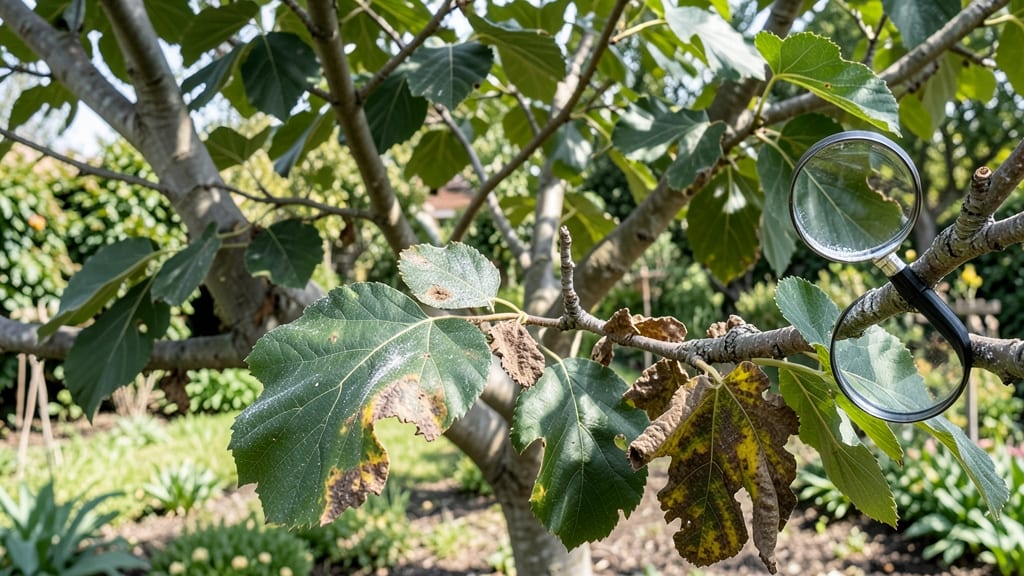
Your fruitless mulberry tree’s yellowing leaves and black spots aren’t just cosmetic—they’re disease red flags. 🌿 I’ve spent years battling the same fungal infections that turn lush foliage into a sad, spotted mess, and I’ve cracked the code on organic fixes that actually work.
The root causes are usually powdery mildew, anthracnose, or root rot, all thriving in damp, overcrowded conditions. Most gardeners panic and reach for harsh chemicals, but the real solution lies in pruning, copper sprays, and soil adjustments that prevent recurrence. You’ll save your tree—and your sanity—by acting fast.
With the right mix of prevention and targeted treatments, you’ll see fresh green growth within weeks, not just stubborn spots fading away. Works for both urban and rural fruitless mulberries, and the methods extend to other shade trees too. Let’s get your tree back to thriving!
Root Causes Of Mulberry Tree Decline
When your fruitless mulberry tree starts showing signs of distress—wilting leaves, unusual spots, or stunted growth—it’s rarely a random act of nature. Instead, these symptoms are often the result of specific biological, environmental, or cultural stressors.
Understanding these root causes is the first step toward effective organic treatment. Below, we break down the most common reasons why mulberry trees succumb to disease, with clear explanations of how and why they strike.
Fungi are the #1 culprit behind mulberry tree diseases, thriving in warm, humid conditions. These microscopic organisms exploit weak spots in the tree’s defenses, leading to infections like:
- Powdery Mildew – A white, powdery coating on leaves (caused by Erysiphe or Sphaerotheca species) that blocks sunlight and stunts photosynthesis. Why it happens: Fungal spores spread via wind or splashing water, especially in shady, poorly ventilated areas with high humidity (ideal conditions: 70–80°F and damp foliage).
- Anthracnose – Dark, sunken lesions on leaves, stems, and fruit (caused by Colletotrichum fungi). Why it happens: The pathogen overwinters in infected debris or soil, then explodes during wet springs (rainfall + temps above 60°F). Weak trees—stressed by drought, poor soil, or nutrient deficiencies—are easy targets.
- Root Rot (Phytophthora) – A lethal soil-borne fungus that attacks roots, causing wilting and collapse. Why it happens: Waterlogged soil (common in clay or poorly drained areas) creates anaerobic conditions, while compaction or over-fertilization weakens roots, making them susceptible.
💡 Pro Tip: Fungal spores love moisture—avoid overhead watering, and prune for airflow. If you see white fuzz or dark spots, act fast: copper fungicides (organic-approved) or baking soda sprays (1 tsp baking soda + 1 quart water + a drop of soap) can help.
While pests themselves don’t directly cause disease, their feeding damages the tree’s immune system, making it vulnerable to secondary infections. Common pests include:
- Scale Insects – Sap-sucking pests that leave sticky honeydew, attracting sooty mold (a black fungal growth). Why it happens: These insects thrive in drought-stressed trees (they can’t process excess sugars when the tree is dehydrated). Their wax-covered bodies protect them from natural predators, and they spread rapidly in hot, dry summers.
- Aphids – Tiny green/black bugs that cluster on new growth, injecting toxins and spreading viral diseases. Why it happens: Aphids are drawn to soft, nutrient-rich tissue (like new leaves or over-fertilized trees). They reproduce exponentially in warm weather, and their honeydew creates a perfect breeding ground for mold.
- Japanese Beetles – Adults skeletonize leaves, while larvae chew roots. Why it happens: These beetles are attracted to stressed trees (drought, poor soil) and mulberry’s sweet sap. Their feeding opens wounds where fungi or bacteria can enter.
🔥 Action Step: Knock off pests with a strong stream of water or introduce beneficial insects (ladybugs, lacewings). For severe infestations, use neem oil (1 tbsp per gallon of water) or kaolin clay as a physical barrier.
Mulberry trees are hardy, but they’re not indestructible. Extreme or inconsistent environmental conditions weaken their defenses, making them susceptible to disease:
| Stressor | Why It Happens | Disease Risk |
|---|---|---|
| Drought | Prolonged dry spells reduce root water uptake, causing leaf scorch and nutrient deficiencies. | Fungal infections (e.g., Cercospora leaf spot) and scale infestations. |
| Flooding/Waterlogging | Roots suffocate in anaerobic soil, starving the tree of oxygen and nutrients. | Root rot (Phytophthora) and crown rot. |
| Temperature Swings | Sudden freezes or heatwaves shock the tree, disrupting metabolic processes. | Bacterial cankers (Pseudomonas) and sunburn damage (which invites fungal entry). |
| Poor Air Circulation | Tight planting or dense foliage traps moisture, creating ideal fungal conditions. | Powdery mildew and anthracnose. |
✨ Organic Fix: Improve soil drainage with compost or sand mixes, mulch to retain moisture without suffocating roots, and prune for open airflow. Avoid planting mulberries in low-lying areas where cold air pools.
Even the most resilient trees can fall prey to gardening blunders. Common human-caused weaknesses include:
- Over-Fertilizing – Excess nitrogen promotes soft, sappy growth that’s attractive to pests and prone to fungal infections.
- Improper Pruning – Cutting too late in the season (after June 15) encourages new growth that’s vulnerable to frost and disease.
- Ignoring Soil pH – Mulberries prefer slightly acidic to neutral soil (pH 6.0–7.0). Alkaline soil (pH >7.5) locks out nutrients like iron and manganese, weakening the tree.
- Planting Too Close – Crowded trees compete for resources and create humid microclimates, perfect for fungal spread.
🎯 Prevention Tip: Test your soil every 2–3 years and amend with sulfur (to lower pH) or lime (to raise it). Prune in late winter/early spring and sterilize tools with rubbing alcohol to prevent spreading pathogens.
Fixing Mulberry Tree Ailments Naturally
Once you’ve identified the issue plaguing your fruitless mulberry tree, it’s time to take action! The good news? Many common diseases and pests can be managed—or even reversed—with organic, practical solutions.
Below, we’ve mapped out cause-specific fixes to restore your tree’s health, plus prevention tips to keep future problems at bay.
Fungal diseases like powdery mildew or anthracnose thrive in damp, shaded conditions. Here’s how to combat them:
🔥 Remove Infected Foliage
- Step 1: Use sterilized pruning shears (wipe with rubbing alcohol) to cut away yellowed, spotted, or powdery leaves.
- Step 2: Dispose of clippings in a sealed trash bag (not compost) to prevent spores from spreading.
- Step 3: Thin out dense branches to improve airflow—fungi love stagnant moisture!
🌿 Apply Organic Fungicides
- Neem oil spray (1 tsp neem oil + 1 tsp mild soap + 1 quart water) – spray undersides of leaves where fungi hide.
Reapply every 7–10 days until symptoms fade. - Baking soda solution (1 tbsp baking soda + 1 quart water + a drop of dish soap) – spray on dry leaves (avoid wet conditions).
Test on a small area first! - Copper fungicide (organic-certified) – Follow label instructions for preventative sprays after heavy rains.
💡 Prevention Pro Tips
✔ Water at the base (not overhead) to keep leaves dry. ✔ Space trees 6–8 feet apart to reduce humidity buildup. ✔ Mulch with straw or wood chips (not thick layers) to deter fungal spores from splashing up.
Caterpillars, aphids, and scale insects can defoliate a mulberry tree quickly. Here’s how to evict them organically:
🍳 Handpick and Drown
- Step 1: Check leaves early morning when pests are sluggish.
- Step 2: Drop them into a bucket of soapy water (1 tbsp dish soap + 1 gallon water).
- Step 3: For caterpillars, wrap a band of cardboard around the trunk to trap emerging moths.
👨🍳 Introduce Beneficial Insects
- Ladybugs (buy online) – Release 10–20 per tree to devour aphids.
- Praying mantises – Place egg cases near the tree in spring.
- Parasitic wasps (like Trichogramma) – Target mulberry pyralid moths (common in fruitless varieties).
🥘 Spray Homemade Repellents
- Garlic-chili spray: Blend 3 garlic cloves + 1 tbsp cayenne pepper + 1 quart water. Strain and spray on affected areas.
Pests hate the smell! - Insecticidal soap: Mix 2.5 tbsp castile soap + 1 quart water. Spray directly on pests (avoid hot sun—can burn leaves).
⏰ Timing Matters
- Early intervention is key—treat before pests multiply (check weekly in spring/summer).
- Avoid late sprays (after 6 PM) to prevent harming beneficial insects.
Yellowing leaves or stunted growth? Your tree might be starving for key nutrients. Fix it fast:
📊 Soil Test First
- DIY test: Purchase a home soil test kit ($10–$20) to check pH (6.0–7.0 ideal) and nitrogen/phosphorus/potassium (NPK) levels.
- Adjust pH if needed:
- Too acidic (below 6.0)? Mix in lime (follow package rates).
- Too alkaline (above 7.5)? Add sulfur or peat moss.
💪 Organic Fertilizer Boost
- Compost tea: Brew 1 part compost + 5 parts water for 24 hours. Water the soil (not leaves) with the strained liquid.
- Fish emulsion (5-1-1 NPK): Dilute 1 tbsp per gallon of water and apply every 4–6 weeks in growing season.
- Epsom salt (magnesium): Mix 1 tbsp per gallon for yellowing leaves (chlorosis).
Spray foliage or water soil.
🎯 Targeted Fixes for Common Issues
| Symptom | Likely Cause | Quick Fix |
|---|---|---|
| Yellow leaves (veins green) | Iron deficiency | Apply chelated iron spray or compost tea. |
| Purple stems/leaves | Phosphorus deficiency | Use bone meal fertilizer (sprinkle around roots). |
| Weak, sparse growth | Nitrogen deficiency | Top-dress with alfalfa meal or blood meal. |
The best cure? A healthy tree that resists problems. Follow these year-round habits:
- 🌱 Prune strategically: Remove dead/diseased wood in late winter (before buds swell). Sanitize tools between cuts! - 🌧️ Rainwater management: Ensure proper drainage—mulberry trees hate soggy roots.
Add gravel if soil is clay-heavy. - 🐝 Support pollinators: Plant companion flowers (like marigolds or lavender) to attract pest-eating insects. - 🔄 Rotate treatments: If using neem oil, alternate with kaolin clay (a natural barrier) to prevent resistance.
Remember: Patience is key! Some fixes take weeks to show results, but consistent care will have your mulberry tree strong and disease-free in no time. 🌿💚
Frequently asked questions
What are the first signs my fruitless mulberry tree has a fungal infection?
Watch for white powdery patches (powdery mildew), dark sunken spots on leaves (anthracnose), or yellowing leaves with black veins (leaf spot). These appear most often on lower leaves first, especially after wet weather. Check the leaf undersides too—fungi love hiding there!
Can I still save my mulberry tree if the trunk shows signs of rot?
Early-stage root rot (soft, discolored wood near the base) may be treatable, but advanced cases often require removal. Try draining waterlogged soil, applying hydrogen peroxide (3%) to roots, and pruning infected branches. If the trunk is mushy or oozing, the tree is likely beyond saving.
How often should I spray neem oil on my mulberry tree for prevention?
Apply neem oil spray every 2–3 weeks during spring and summer (peak pest/disease season). Mix 1 tsp neem oil + 1 tsp mild soap + 1 quart water, and spray early morning to avoid harming bees. Stop sprays 4 weeks before first frost to allow foliage to harden.
Why does my mulberry tree get diseases more often than others in my yard?
Mulberries are susceptible to stress—check for overcrowding, poor drainage, or nutrient deficiencies. They also thrive in humid microclimates (like tight plantings), which fungi adore. Prune for airflow, test soil pH (6.0–7.0 ideal), and avoid overhead watering.
Will copper fungicide harm beneficial insects like bees?
Copper fungicides are low-toxicity to bees when used correctly. Apply early morning or late evening when pollinators are inactive, and avoid spraying blooming flowers. For extra safety, use copper soap (a gentler formula) or alternate with baking soda sprays.