
Fertilization
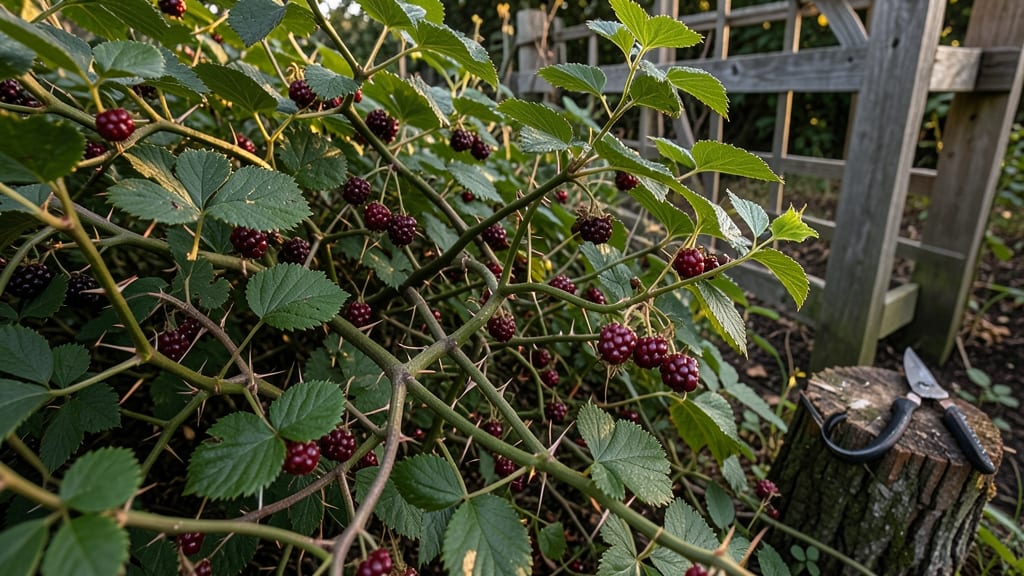
Thorny fruit plants like raspberries, blackberries, and boysenberries reward patience with delicious harvests—but only if you master pruning and fertilizing. Learn the science behind shaping these plants for maximum yield and health, from beginner-friendly techniques to advanced strategies for experienced gardeners.
Raspberry Canes Pruning Calendar
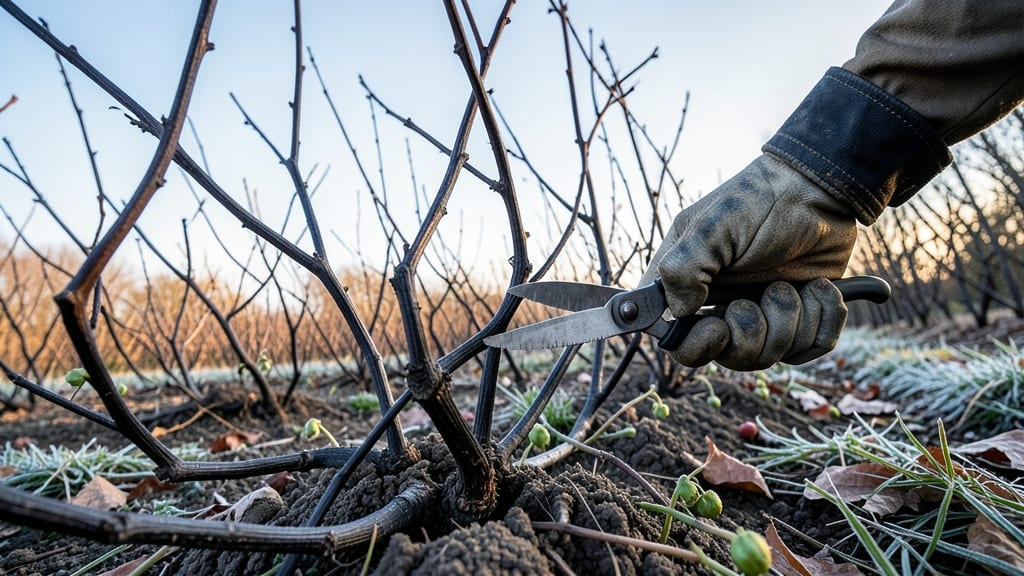
New raspberry growers often struggle with when to prune—not just how. The secret to doubling your yield lies in timing: remove dead canes in late winter (before buds swell) and thin new growth in mid-summer to redirect energy to fruit production.
Start by cutting out all black, leafless canes in February or March—these won’t produce fruit. Then, in July, remove the weakest new canes (about 10% of the thickest ones) to improve airflow and berry size. Use sharp pruners and wear gloves to protect against thorns. This two-step process ensures your summer-bearing raspberries focus energy on sweet, plump fruit instead of excess foliage.
This schedule works especially well for first-time growers who want to avoid the overwhelm of complex pruning. By following these two simple windows, you’ll train your plants to produce bigger harvests year after year with minimal effort. 🌱
Blackberry Floricane vs Primocane Pruning
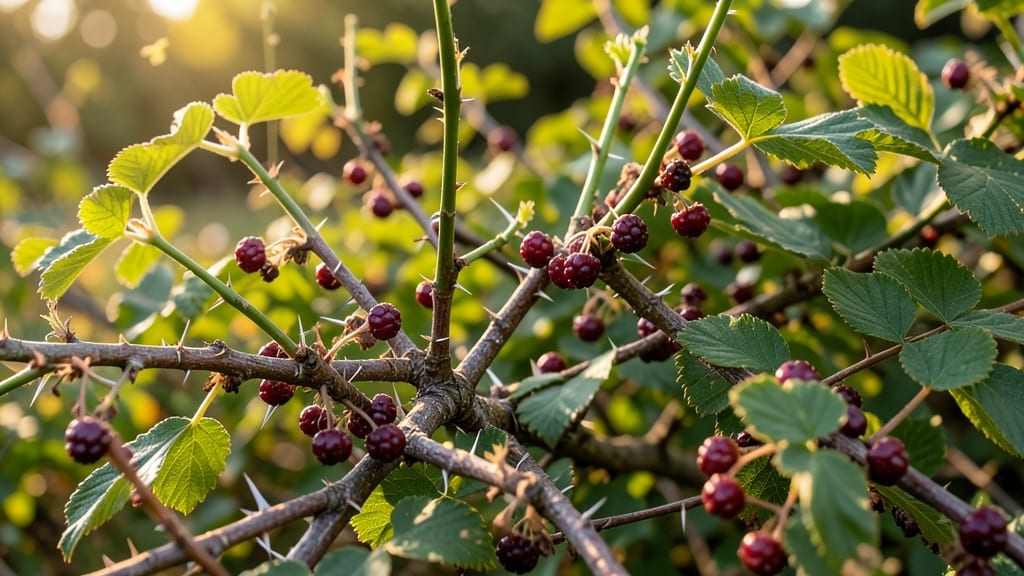
If your blackberry bushes are producing fewer berries than expected, you might be pruning the wrong canes—floricane vs. primocane confusion is a common mistake. These two types of growth behave differently, and knowing which to keep (or cut) determines your harvest size.
The key difference? Floricanes are the second-year canes that produce fruit in late summer, while primocanes are the current-year growth that won’t bear fruit until next season. For varieties like 'Triple Crown' and 'Cheyenne', prune out dead or weak floricanes after harvest, leaving 6–8 of the healthiest primocanes to grow into next year’s fruit producers. Label your canes with flags if needed—it’s easier than remembering!
This method ensures you’re always maximizing next year’s crop while enjoying a bountiful harvest this season. 💡
Organic Fertilizer Blends for Thorny Fruits
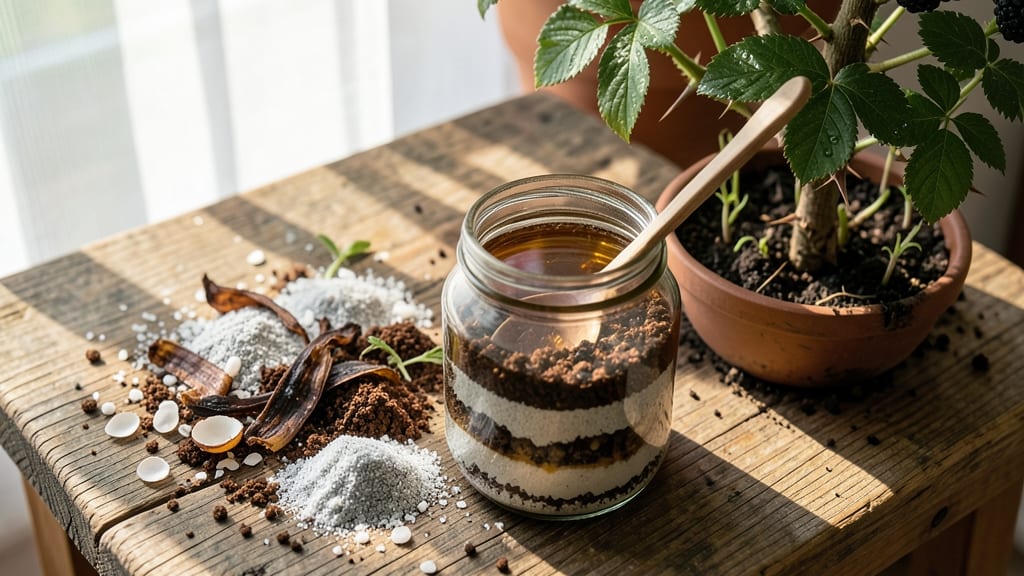
Skip the synthetic fertilizers and give your thorny fruits a nutrient boost with homemade organic blends that improve soil structure and flavor—without harsh chemicals. These DIY recipes are perfect for gardeners who want to avoid store-bought mixes while still achieving lush, productive plants.
Start with compost tea by steeping 1 part finished compost in 5 parts water for 24–48 hours, then strain and apply to soil or foliar spray. For a nutrient-packed worm casting blend, mix 1 part castings with 2 parts compost and 1 part coconut coir, then top-dress around plants in early spring. Both methods enrich soil with beneficial microbes and slow-release nutrients, ideal for raspberries, blackberries, and citrus thorn varieties.
Small-space growers will love these recipes—they require minimal space and ingredients you likely already have. Your thorny fruits will thrive with fewer pests and richer harvests. 🌱
Thornless Boysenberry Training Techniques
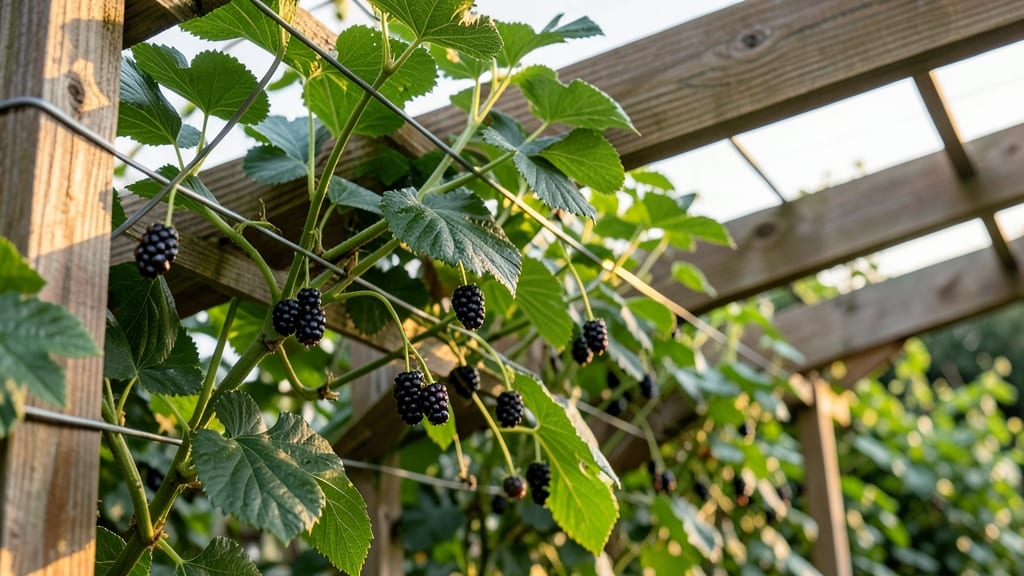
Tired of wrestling with thorny vines while picking boysenberries? Thornless varieties like 'Thornfree' change the game by letting you train plants on trellises or arbors—no more painful harvesting! This structural approach also keeps canes organized, improves air circulation, and makes maintenance a breeze.
Start by installing a 5-6 foot tall trellis in early spring. Use soft plant ties or twine to guide the main canes upward, spacing them 12-18 inches apart. Prune aggressively in late winter to remove old wood and encourage new growth along the trellis structure. For arbors, let canes sprawl horizontally while still pruning to maintain an open center—this prevents disease and makes berries easier to reach. The result? A tidy, accessible plant that yields more fruit with less effort.
This method is perfect for gardeners with limited space or mobility challenges, as it eliminates the need to bend or crawl. Plus, the vertical growth maximizes sunlight exposure for your berries. Give it a try this season and enjoy the ease of harvesting thornless boysenberries! 🌱
Soil pH Adjustments for Acid-Loving Thorny Fruits
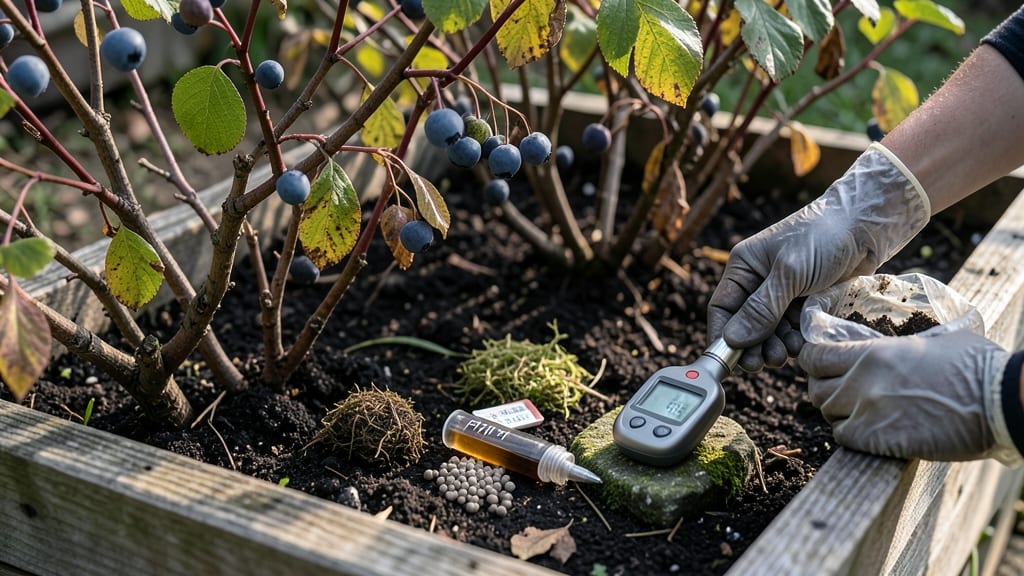
If your blueberries and cranberries look lackluster despite your best pruning efforts, your soil might be the culprit. These acid-loving plants thrive only in soil with a pH between 5.5 and 6.5—far from the neutral 7.0 most gardeners assume. A simple pH test and targeted amendments can transform your harvest overnight.
Start by testing your soil using a digital pH meter or home test kit (available at garden centers). If the pH reads above 6.5, amend with elemental sulfur (apply 1–2 pounds per 100 square feet and water thoroughly). For pH below 5.5, mix in lime or wood ash (use sparingly—too much raises pH too quickly). Re-test in 2–3 months and adjust gradually. Raspberries tolerate slightly wider pH ranges (5.0–6.5), but blueberries and cranberries demand precision.
This adjustment isn’t just for purists—acid-loving fruits produce sweeter, more vibrant berries when happy. Perfect for gardeners who grow multiple thorny fruits together and want to optimize space without compromising flavor. 🌿
Winter Mulching to Protect Thorny Plants
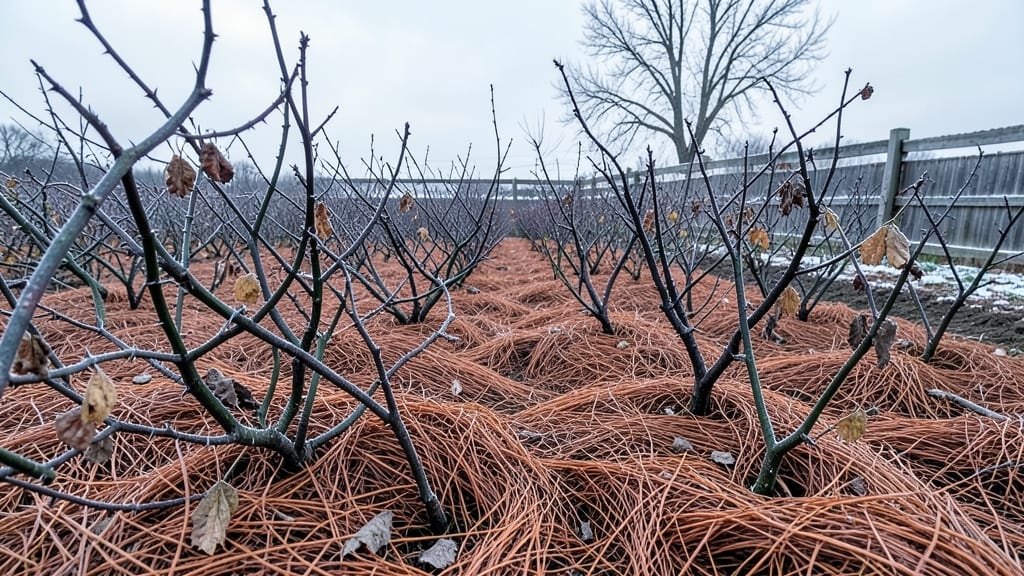
Cold snaps can devastate your thorny fruit plants like raspberries and blackberries, but a simple layer of mulch acts like a cozy blanket for their roots. In USDA Zones 3–5, where winter temperatures drop below 10°F, proper mulching isn’t just helpful—it’s essential for survival.
Start by applying a 4–6 inch layer of straw or shredded leaves after the ground freezes but before heavy snowfall. This insulating layer traps heat radiating from the soil while preventing root heaving—when soil expands and contracts, uprooting plants. For extra protection, top with a thin layer of pine needles to deter rodents. Remove excess mulch in early spring to avoid smothering new growth.
This technique is a game-changer for gardeners in harsh climates, ensuring your plants bounce back stronger each spring. Give your thorny fruits the winter care they deserve! 🌱
Pest Control for Thorny Fruit Plants
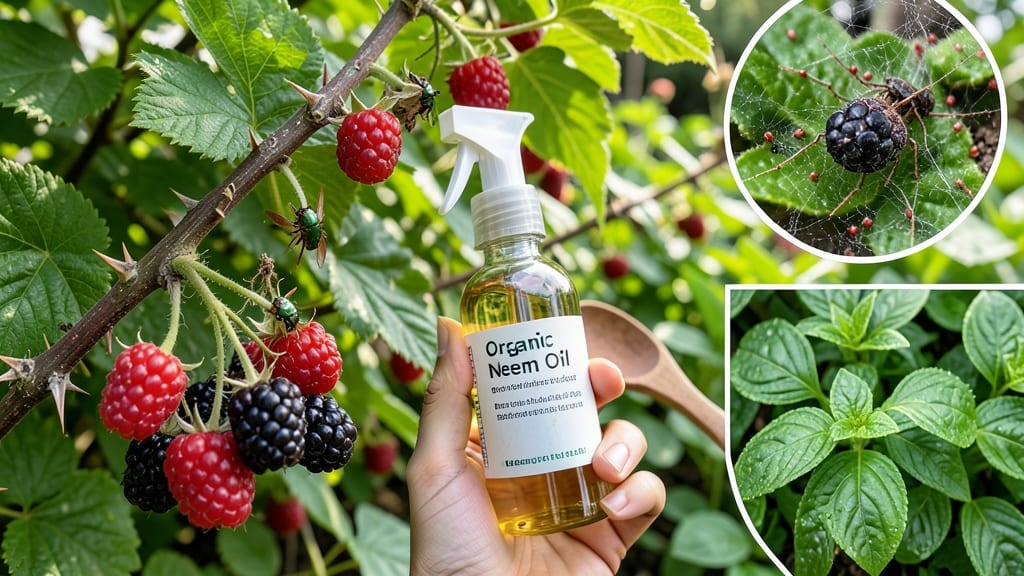
Japanese beetles and spider mites may love your raspberries and blackberries, but you don’t have to—thanks to natural pest control that’s tough on pests but gentle on your plants. Skip the harsh chemicals and try these organic solutions that actually work.
Start with a neem oil spray (1 tablespoon per quart of water) applied in the evening to avoid harming bees. For spider mites, introduce companion plants like marigolds or garlic chives nearby—their strong scents repel pests naturally. A soapy water spray (1 teaspoon mild soap per quart of water) also knocks out soft-bodied insects like aphids without damaging your plants.
These methods are perfect for organic gardeners who want to protect their harvest—and their local ecosystem—without compromising on results. 🌱