
Shrubs
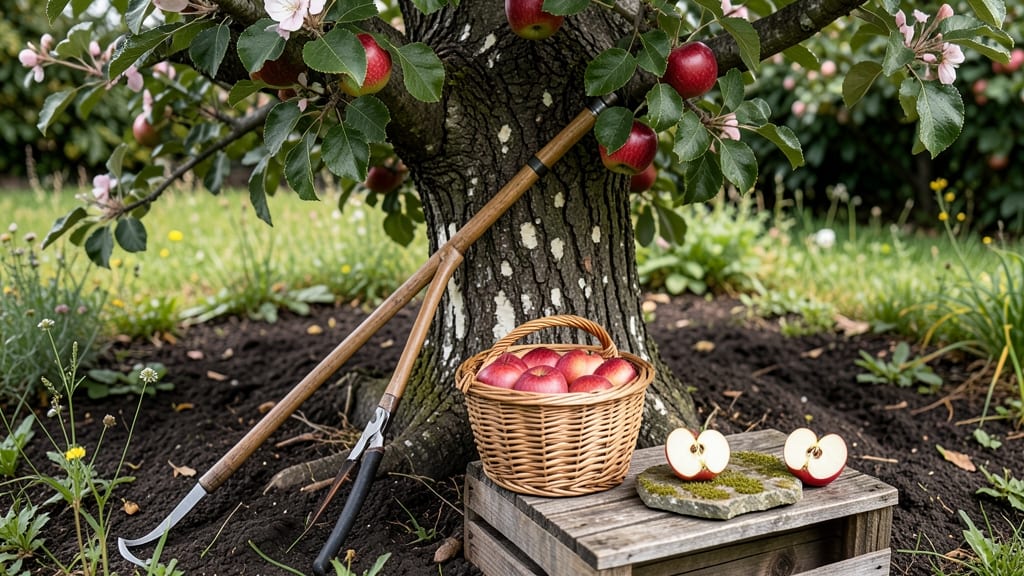
Fruits with red inside aren’t just stunning—they’re a gardener’s secret weapon for vibrant harvests. 🌿 I’ve grown red-fleshed apples, ruby grape tomatoes, and even pink-fleshed watermelons, and the difference in flavor and visual appeal is jaw-dropping.
These varieties aren’t just pretty; they’re packed with antioxidants and a unique taste that store-bought fruit can’t match.
The red pigment comes from anthocyanins, the same compounds that give blueberries and red cabbage their color. These antioxidants protect the fruit and often mean sweeter, more complex flavors.
For home gardeners, red-fleshed varieties like ‘Red Delicious’ apples or ‘Red Pearman’ tomatoes thrive in full sun and well-drained soil—just like their standard counterparts, but with a showstopping twist.
You’ll love how these fruits stand out on the table and in the kitchen, but the real magic is in the growing. Most red-fleshed varieties need consistent moisture and regular pruning to keep production strong.
With the right care, you’ll harvest fruit that’s not just red inside, but packed with flavor and nutrients that’ll make your neighbors green with envy.
Perfect for gardeners who want both beauty and bounty, these varieties work in home orchards, containers, or even as striking centerpieces in the kitchen. Let’s get growing!
The Science Behind Crimson Centers
When you slice into a fruit and discover a vibrant red interior—whether it’s a juicy apple, a crisp pear, or a tropical mango—it’s not just a visual surprise. That striking hue is often a sign of natural biological processes at work.
Understanding these causes can help you cultivate fruits with bold, consistent colors and avoid unwanted discoloration. Let’s break down the key reasons why some fruits develop red interiors.
The most common reason for red flesh in fruits is the presence of anthocyanins, a group of water-soluble pigments belonging to the flavonoid family. These compounds are responsible for the red, purple, and blue hues in many plants, including fruits like apples, cherries, and even some varieties of grapes.
- How it works: Anthocyanins accumulate in fruit tissues as a response to environmental stressors, such as light exposure, temperature fluctuations, or nutrient availability. For example, apples like the Red Delicious or Gala develop red flesh when grown in cooler climates or when exposed to direct sunlight during ripening.
- Actionable tip: If you’re growing fruit trees or shrubs, ensure they receive balanced sunlight (6–8 hours daily) and avoid extreme heat, which can inhibit anthocyanin production. Some growers also use shade cloth during peak summer to encourage deeper red hues in certain varieties.
- Fun fact: Anthocyanins aren’t just pretty—they’re packed with antioxidant properties, which may reduce inflammation and support heart health! 📊
Sometimes, that red interior isn’t a natural trait but a result of oxidation, where exposed fruit tissues react with oxygen in the air. This can happen during harvest, storage, or even when slicing the fruit.
While oxidation typically causes browning (like in cut apples), certain fruits—such as red-fleshed pears or some citrus varieties—can develop a reddish tint due to enzymatic reactions.
- How it works: Enzymes like polyphenol oxidase (PPO) interact with phenolic compounds in the fruit, leading to color changes. In some cases, the presence of ascorbic acid (vitamin C) or other acids can accelerate this process, creating a reddish or pinkish hue.
- How to prevent it:
- Harvest fruits at the peak ripeness but avoid bruising, which speeds up oxidation.
- Store fruits in a cool, humid environment (like a refrigerator) to slow enzymatic activity.
- If slicing, immediately dip the fruit in lemon juice or ascorbic acid solution to inhibit browning.
- Pro tip: Some fruits, like red-fleshed watermelons, naturally oxidize to a deeper red when exposed to air—this is harmless and even desirable for flavor! 🍉
Extreme temperatures—whether too hot or too cold—can trigger stress responses in fruits, leading to unusual coloration. For instance, apples and pears may develop red interiors when exposed to late-season frosts or heatwaves during ripening. This is often a survival mechanism, as the plant redirects energy to protect its tissues.
- How it works:
Temperature Stress Effect on Fruit Cold Stress (Frost) Can slow down chlorophyll breakdown, leading to retained or new anthocyanin production in the flesh (e.g., red-fleshed apples). Heat Stress May accelerate sugar accumulation and pigment changes, resulting in deeper red or even pink hues (common in tropical fruits like mangoes). - Actionable tip:
- Monitor your microclimate—use mulch or drip irrigation to regulate soil temperature.
- For tropical fruits, provide partial shade during peak heat to prevent sunburn and color shifts.
- Harvest fruits before extreme weather hits if you’re aiming for consistent color.
Not all red interiors are a result of environmental factors—some are hardwired into the fruit’s genetics. Certain varieties are bred or naturally selected to produce red flesh as a standard trait. For example:
- Apples: Varieties like Red Delicious, Pink Lady, or Arkansas Black are known for their red or pink interiors due to selective breeding.
- Pears: Red Anjou or Red Bartlett develop red centers as they mature.
- Tropical Fruits: Some mangoes (e.g., Keitt) and lychees may have red or pink flesh due to genetic mutations.
Why does this matter? If you’re growing fruits for specific colors, choosing the right cultivar (cultivated variety) is key. Cross-pollination or grafting can also influence these traits in the next generation.
Pro tip: Check seed catalogs or local nurseries for red-fleshed varieties—they’re often labeled clearly! 🌱
Fixing Red-Fleshed Fruits Naturally
Now that you understand why some fruits develop vibrant red interiors—whether from natural genetics, overripeness, or environmental stress—here’s how to address the issue and prevent it in future harvests. These solutions are tailored to common causes, with practical steps for gardeners of all levels.
---
Some fruits should have red flesh—it’s part of their charm! Varieties like apples (e.g., ‘Red Delicious’), watermelons, or certain plums are bred for this trait. If your fruit matches its expected color, no action is needed.
Instead, focus on enhancing flavor and texture: - Harvest at peak ripeness (🍉🔍 Test watermelons by thumping—they should sound hollow). - Store properly to preserve color and sweetness (🥫 Use paper towels in containers to reduce moisture loss). - Pair with complementary flavors (🍯 Drizzle honey on red-fleshed apples or add lime to watermelon salads).
---
If red flesh appears unexpectedly (e.g., in a green apple or pale plum), it’s often a sign of uneven ripening or stress-induced color change. Here’s how to correct it:
#### 🔥 For Overripe Fruits (Soft, Mushy, or Fermenting) 1. 🍳 Check for Spoilage - Squeeze gently—if the fruit gives like jelly, it’s past its prime. Discard to avoid spreading mold. - Pro tip: 💡 A slight blush of red in overripe fruit?
It’s often oxidation (exposure to air). Cut away affected spots and use the rest in smoothies.
2. 👨🍳 Repurpose Before It Worsens - Cook it down: Simmer into jams, sauces, or compotes (🥘 Red-fleshed apples make stunning chutneys). - Freeze for later: Pit and freeze berries/plums to use in baked goods. - Ferment intentionally: Turn overripe stone fruits into wine or vinegar (🍷 A red-fleshed grape variety?
Perfect for rosé!).
#### 🍑 For Underripe Fruits (Hard, Pale, or Bland) 1. ⏰ Wait (or Speed It Up) - Natural ripening: Place in a paper bag with a banana (🍌 Ethylene gas speeds up the process). - Sun exposure: Move to a sunny windowsill for 3–5 days (✨ Works for tomatoes and peppers too). - Avoid refrigeration unless the fruit is very firm (🌡️ Cold slows ripening—take tomatoes out of the fridge!).
2. 🎯 Adjust Harvest Timing Next Season - Pick earlier: Some fruits (like persimmons) develop red flesh after harvest. Harvest slightly firmer than usual. - Thin fruit early: Overcrowded branches stress fruit, leading to odd coloration.
Thin in late spring (🌿 Remove 50% of young fruit to improve quality).
---
If red flesh appears patchy or alongside other symptoms (e.g., blotchy skin, cracked fruit), your plant may be struggling. Adjust these factors:
| Issue | Fix | Prevention | |--------------------------|-------------------------------------------------------------------------|--------------------------------------------------------------------------------| | 💧 Water Stress | Water deeply 1–2x/week (🌱 Use drip irrigation to avoid wetting leaves). | Mulch with straw to retain moisture. | | ☀️ Too Much Sun | Provide afternoon shade (🌳 Use shade cloth if in hot climates). | Plant near taller crops or use row covers. | | 🍄 Fungal Infections | Prune affected branches; spray with neem oil (🍯 1 tbsp/quart water). | Space plants for airflow; avoid overhead watering. | | 🌡️ Temperature Swings | Move potted plants to a sheltered spot (🏡 Greenhouses help in cold climates). | Choose cold-hardy varieties (e.g., ‘Honeycrisp’ apples tolerate chill). |
--- Red flesh can signal internal damage from pests or pathogens. Take these steps: 1. 🐛 Identify the Culprit - Borers: Tiny holes + sawdust-like frass? Use beneficial wasps or Bt spray. - Blight/Fungus: Dark spots + red streaks?
Prune and sterilize tools with rubbing alcohol. - Birds/Squirrels: Pecked fruit? Install netting (🕸️ Fine mesh works best).
2. 🚫 Prevent Future Damage - Barrier methods: Wrap tree trunks with tree guards to block rodents. - Traps: Use peanut butter traps for wasps or apple cider vinegar traps for fruit flies. - Copper spray: A natural fungicide for blight-prone plants (💧 Mix 1 tsp copper sulfate per gallon of water).
--- For gardeners aiming for predictable red-fleshed fruit (or avoiding unwanted color changes), adopt these habits: - 🌱 Soil Health: Test soil pH (aim for 6.0–7.0 for most fruits) and amend with compost (🍄 Mycorrhizal fungi boost nutrient uptake). - 🌿 Crop Rotation: Avoid planting the same fruit family in the same spot yearly (🔄 Prevents soil-borne diseases). - 🌿 Variety Selection: Choose disease-resistant cultivars (e.g., ‘Liberty’ apples resist scab). - 📅 Prune Strategically: Open the canopy for better airflow (🌿 Reduce branches by 20–30% in late winter).
--- Sometimes red-fleshed fruit isn’t a flaw—it’s a feature!
Use unexpected color to: - Elevate dishes: Toss red-fleshed apples into caramelized salads or blend plums into pink smoothies. - Create artisanal products: Make red-fleshed grape jelly or watermelon rind pickles. - Experiment with flavors: Pair with black pepper, balsamic, or spicy chili for a gourmet twist.
--- By addressing the root cause—whether it’s ripeness, stress, or genetics—you’ll either preserve the beauty of red-fleshed fruit or correct issues before they affect your harvest. Happy growing! 🌱🍓
Frequently asked questions
Which fruits commonly have red flesh inside?
Popular fruits with red interiors include apples (Red Delicious, Arkansas Black), watermelons (Crimson Sweet), pears (Red Anjou), plums (Santa Rosa), and some varieties of tomatoes (Red Pearman). Tropical options like red-fleshed mangoes (Keitt) and lychees also feature this striking trait.
Is red flesh in fruit safe to eat?
Red flesh is completely safe and often indicates higher antioxidant levels from anthocyanins. However, if the red appears suddenly with other symptoms (like mold or unusual texture), the fruit may be spoiling. Always check for soft spots or off smells before eating.
Can I grow red-fleshed fruits at home?
Yes! Most red-fleshed varieties grow like their standard counterparts. Choose certified varieties (like ‘Pink Lady’ apples or ‘Red Pearman’ tomatoes) and provide 6-8 hours of sunlight, well-drained soil, and regular watering. Some tropical fruits may need warmer climates or container growing for indoor spaces.
Why does my fruit turn red inside when cut?
This usually happens due to oxidation when exposed to air, especially in fruits like apples or pears. For red-fleshed varieties, it's natural pigmentation from anthocyanins. To prevent browning, store cut fruit in lemon water or an airtight container with plastic wrap.
Are red-fleshed fruits more nutritious?
Often yes! The red pigment comes from anthocyanins, powerful antioxidants linked to heart health and reduced inflammation. While nutrition varies by variety, red-fleshed fruits typically offer more beneficial compounds than their green or yellow counterparts.