
Trees
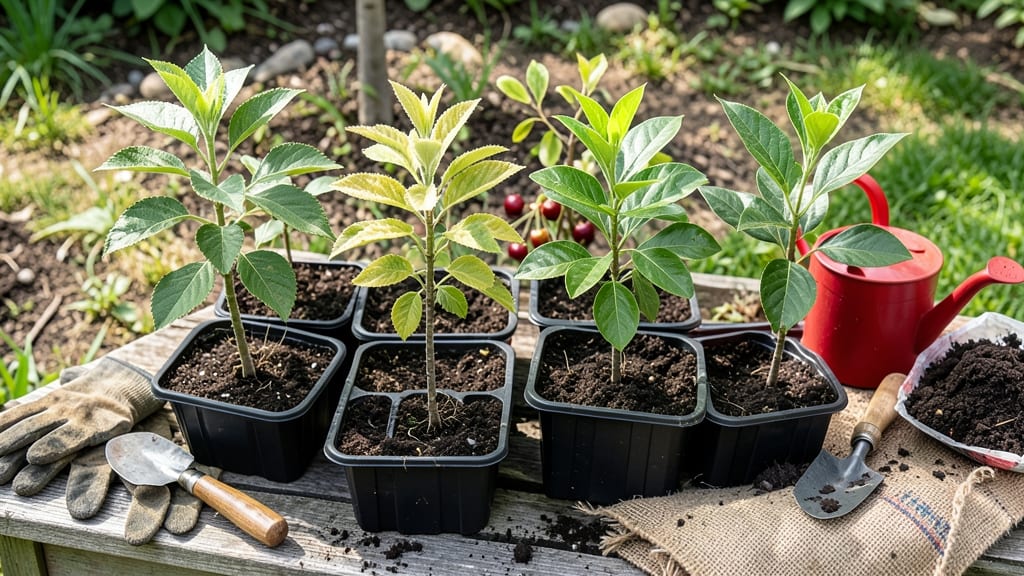
Growing fruit trees from seeds delivers that first green shoot in just 3-4 weeks—not years—when you nail the germination process. 🌱 I’ve watched stubborn apple and peach seeds break dormancy faster than expected using these simple soil tricks that skip the guesswork.
The secret lies in stratification (a fancy word for mimicking winter) and the right soil mix. Most seeds need 60-90 days of cold moisture to wake up, but tropical varieties like mangoes? They just need warm, damp paper towels.
Once sprouted, they’ll outpace nursery trees in vigor if given the right start. You’ll end up with hardy seedlings ready for transplanting by spring, their first true leaves a sign they’re ready for real soil. The payoff? Trees that grow true to their parent’s flavor—no store-bought compromise.
Works for apples, peaches, citrus, and even avocados. Here’s how to turn those seeds into fast-growing saplings before your first frost.
📚 In This Guide
- What you need
- Instructions
- Tips and common mistakes
- Wrapping up and next steps
What you need
- ● Fruit tree seeds: Fresh, viable seeds from organic, pesticide-free fruit (e.g., apple, citrus, avocado, or stone fruits like peach or cherry). Aim for 5–10 seeds to maximize success.
- ● Well-draining potting mix: A blend of 50% peat moss or coconut coir and 50% perlite or vermiculite (sterilized to prevent mold). Avoid garden soil—it’s too dense!
- ● Seed-starting trays or small pots: 2–4 inch diameter with drainage holes (or repurpose yogurt cups with holes poked in the bottom!).
- ● Plastic wrap or a humidity dome: To create a mini greenhouse effect and retain moisture.
- ● Spray bottle: For gentle watering (avoid drowning your seeds!).
- ● Grow lights or a sunny windowsill: Seeds need 12–16 hours of light daily for optimal germination.
- ● Labeling tags: To track seed types and planting dates (trust us, you’ll forget!).
- ● Seed stratification kit: If growing cold-weather trees (like apples or pears), a stratification chamber (or even a fridge) mimics winter conditions for faster sprouting.
- ● Fungicide (like hydrogen peroxide or cinnamon): A 1:9 dilution with water prevents mold in humid setups.
- ● Heating mat: Speeds up germination for slow starters (set to 70–75°F).
- ● Transplanting pots: Larger 3–5 gallon containers for seedlings once they outgrow their starter homes.
- ● pH test kit: Ensures your soil is slightly acidic (6.0–6.8)—ideal for most fruit trees.
Step-by-Step instructions for germinating fruit tree seeds
Fast sprouts start with the right prep—here’s how to break dormancy and get seeds growing in weeks.
🌱 Step 1: Stratify Seeds to Break Dormancy
Most fruit tree seeds need a cold period to germinate. Place seeds in a damp paper towel, fold it, and put the bundle in a sealed plastic bag. Refrigerate for 6-12 weeks—this mimics winter and signals the seed it’s time to grow. Check weekly to ensure the towel stays moist but not soggy.
I like to label each bag with the seed type and date. Some seeds, like apple or pear, may need 3-4 months of cold treatment. If you’re impatient, you can speed this up with a moisture chamber (a sealed container with a damp paper towel) at 35-40°F for 30 days, but refrigeration is foolproof.
💧 Step 2: Plant Stratified Seeds in Moist Soil
Fill a 4-inch deep container with well-draining potting mix. Water it until damp but not dripping, then press the stratified seeds ½ inch deep into the soil. Space them 2 inches apart—this prevents overcrowding as they sprout. Gently pat the soil around them to ensure good contact.
Cover the container with plastic wrap or a humidity dome to retain moisture. Place it in a warm, bright spot (like a sunny windowsill) but keep it away from direct heat sources. You’ll know it’s working when the soil surface stays consistently moist—not wet or dry.
☀️ Step 3: Provide Warmth and Light for Germination
Fruit tree seeds need 70-75°F soil temperatures to sprout. If your home runs cooler, place the container on a seedling heat mat or near a warm (not hot) spot. Germination can take 2-12 weeks, depending on the species—stone fruits like peaches usually sprout faster than apples or cherries.
Once sprouts appear, remove the plastic wrap immediately to prevent mold. Keep the soil moist but never waterlogged—yellowing leaves mean too much moisture, while drooping seedlings mean it’s dry. Move the container to a south-facing window or under a grow light for 14-16 hours of light daily.
🌿 Step 4: Thin and Transplant Seedlings
When seedlings reach 3-4 inches tall, thin the weakest ones, leaving the strongest 1-2 per container. Gently tease apart roots if they’re tangled. Transplant into individual 6-inch pots with fresh potting mix, burying the stem up to the first set of true leaves—this encourages root growth.
Hardening off begins 2 weeks before outdoor planting. Place seedlings outside in partial shade for 1 hour, gradually increasing time and sun exposure over 10-14 days. Watch for wilting or leaf scorch—these are signs they’re not ready for full sun yet.
Tips & tricks for perfect fruit tree seed germination
Speed up those sprouts with these insider tricks that cut down waiting time and boost success rates.
Cold Treatment Precision: For Step 1, I recommend using a second refrigerator for stratification if your main fridge fluctuates in temperature. The 35-40°F range is critical—too warm and seeds won't break dormancy; too cold and they may rot. I place a thermometer inside the bag to monitor temperature daily.
Soil Temperature Hack: In Step 3, if your home stays below 70°F, invest in a small seedling heat mat (around $15) to maintain consistent warmth. Place the container on top and cover with a clear plastic dome to trap heat. This creates ideal conditions even in cooler climates while preventing mold buildup from excess moisture.
Light Exposure Strategy: For the 14-16 hours of daily light in Step 3, rotate your container every few days so all seedlings get even exposure. I use a simple timer to remind myself to turn the container, which prevents lopsided growth. South-facing windows work best, but if natural light isn't sufficient, a basic LED grow light (about $20) placed 6 inches above the seedlings works wonders.
Transplanting Timing: When thinning seedlings in Step 4, wait until you see the first set of true leaves (not the initial seed leaves) before transplanting. This ensures the seedling has developed enough energy reserves to handle the stress of repotting. I find using a small hand trowel makes this process much gentler on delicate roots.
Pro Tips for Fruit Trees Seeds
- Speed up those sprouts with these insider tricks that cut down waiting time and boost success rates.
- Cold Treatment Precision: For Step 1, I recommend using a second refrigerator for stratification if your main fridge fluctuates in temperature.
- Soil Temperature Hack: In Step 3, if your home stays below 70°F, invest in a small seedling heat mat (around $15) to maintain consistent warmth.
Frequently asked questions
Got questions about growing fruit trees from seeds? You’re not alone! Here are some of the most common queries—and the answers to help you succeed.
How long does it take for fruit tree seeds to sprout?
Germination time varies by species, but most fruit tree seeds sprout in 2 to 6 weeks under ideal conditions (warmth, moisture, and light). Citrus and avocado seeds often sprout faster (1–3 weeks), while stone fruits like peaches or cherries may take longer (4–8 weeks). Patience is key—some seeds need stratification (cold treatment) or scarification (scratching the seed coat) to break dormancy.
What’s the best soil mix for germinating fruit tree seeds?
A lightweight, well-draining mix works best. Use a blend of:
- 50% peat moss or coco coir (holds moisture)
- 30% perlite or vermiculite (aeration)
- 20% compost or worm castings (nutrients)
Can I plant fruit tree seeds directly in the ground?
Direct sowing is risky for most fruit tree seeds—they’re tiny and vulnerable to pests, drought, or temperature swings. Start indoors in biodegradable pots (like peat or coconut husk) 6–8 weeks before your last frost. Once seedlings are 3–4 inches tall with true leaves, transplant them outside after hardening off (gradually acclimating to outdoor conditions for 7–10 days).
Why aren’t my fruit tree seeds germinating?
Seeds may fail to sprout due to:
- Cold temperatures: Many seeds need warmth (70–85°F or 21–29°C) to germinate.
- Poor moisture: Keep soil consistently damp (not soggy) with a spray bottle.
- Old or low-quality seeds: Fresh seeds from ripe fruit germinate best.
- Dormancy barriers: Try soaking seeds in warm water for 24 hours or scratching the seed coat with sandpaper.
What’s the fastest-growing fruit tree from seed?
If you want quick results, try:
- Avocado: Sprouts in 1–2 weeks and grows rapidly.
- Citrus (like Meyer lemon): Germinates in 2–4 weeks.
- Fig: Often sprouts in 10–14 days.
Wrapping up and next steps
Growing fruit trees from seeds is a rewarding journey that connects you to nature while yielding delicious, homegrown harvests! 🌱 With the right techniques—like selecting fresh seeds, proper stratification, and consistent moisture—you can unlock the joy of nurturing a tree from scratch.
Whether you’re a seasoned gardener or a curious beginner, every sprout is a step toward a thriving orchard.
Ready to take the next step? Start by planting your seeds today, and soon, you’ll be savoring the fruits of your labor—literally! 🍏🍊 Happy growing!