
Pests
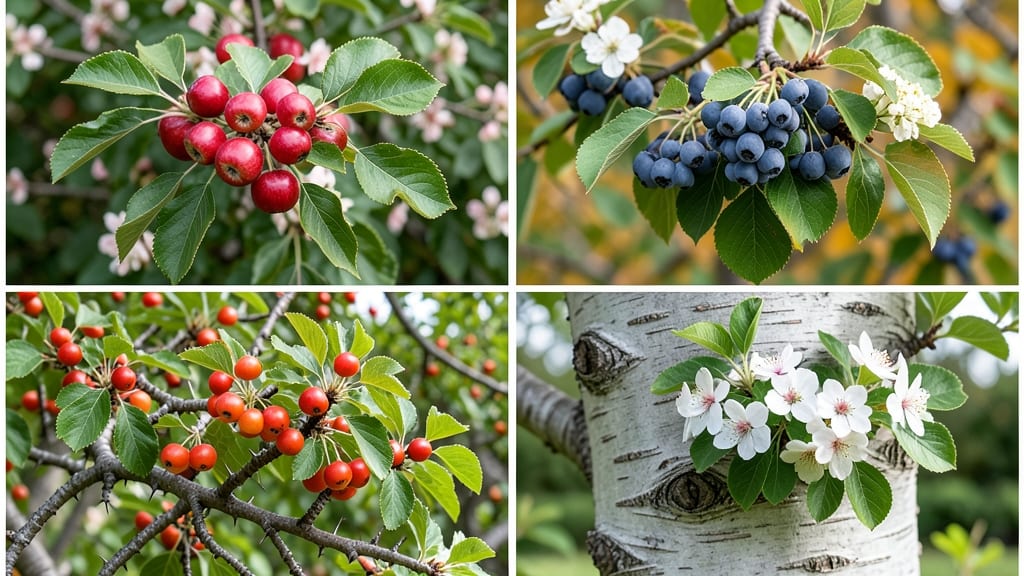
Deer devouring your fruit trees faster than you can pick? 🌳 I’ve lost entire harvests to those hungry browsers—until I discovered the trees they can’t resist (and the sneaky tricks that keep them away).
The right varieties act like natural deterrents, while smart planting strategies make your orchard the last place deer want to munch.
First, focus on deer-resistant fruit trees like sour cherries, crabapples, and hawthorns—their tough bark and bitter fruit keep deer browsing elsewhere. Pair these with companion plants like rosemary, lavender, or daffodils, whose strong scents mask the smell of your fruit.
Even a physical barrier (like 8-foot fencing or flexible tree guards) works wonders when combined with these natural repellents.
You’ll see results fast: fewer chewed leaves, more fruit left to ripen, and a garden that finally feels safe. The key is layered defense—no single method works alone, but together, they create an orchard deer avoid. My apple trees now thrive where they once looked like deer buffets.
Works for backyard orchards, farm edges, or even urban yards with hungry neighborhood deer. Here’s how to set it up without breaking the bank or your back.
📚 In This Guide
- What you need
- Instructions
- Tips and common mistakes
- Wrapping up and next steps
What you need
- ● Deer-resistant fruit tree saplings: 3–5 varieties (e.g., Serviceberry, Persimmon, or Pawpaw) – choose disease-resistant, fast-growing options.
- ● Organic deer repellent spray: 1–2 gallons (e.g., Liquid Fence or Plant Skydd) – look for EPA-approved formulas.
- ● Fencing materials: 8-foot tall deer-proof fencing (100+ ft per tree, depending on orchard size) – use polywire or woven wire for durability.
- ● T-posts or metal stakes (1 per 6–8 ft of fencing) – galvanized for longevity.
- ● Heavy-duty zip ties or fencing staples (50+ pieces) – for securing wire.
- ● Mulch or gravel: 2–3 bags (10–20 lbs each) – cedar mulch or sharp gravel deters deer with scent/texture.
- ● Pruning tools: 1 pair bypass pruners (for small branches).
- ● 1 pruning saw (for thicker limbs).
- ● Gloves and long sleeves – protect against thorns and repellent chemicals.
- ● Soil test kit – ensures optimal pH (6.0–7.0) for tree health.
- ● Compost or organic fertilizer (e.g., 10-10-10 or worm castings) – 5–10 lbs per tree.
- ● Motion-activated sprinklers (e.g., ScareCrow) – deters deer with water bursts.
- ● Reflective tape or old CDs – hang near trees to create visual disturbances.
- ● Deer-resistant companion plants (e.g., Rue, Foxglove, or Lavender) – plant around trees as natural deterrents.
- ● Tree guards or spiral wraps – protects young trunks from chewing.
- ● Portable generator – for powering sprinklers in remote orchards.
Step-by-Step guide to planting deer-resistant fruit trees
Here's how to create a natural orchard deer won't touch—using the right tree species and strategic placement.
🌱 Step 1: Select Deer-Repellent Fruit Tree Varieties
Start with species deer avoid due to scent, texture, or taste. Sour cherries (like Montmorency) contain prussic acid, making them unpalatable. Crabapple varieties (e.g., 'Dolgo') have tough, bitter fruit and dense thorns. Pawpaw trees (Asimina triloba) produce fruit deer dislike, plus their large leaves deter browsing.
For citrus lovers, lemon trees (Citrus × limon) and lime trees (Citrus × aurantifolia) are rarely bothered by deer. Plant persimmons (Diospyros virginiana) too—they have astringent fruit and a strong scent deer avoid. I always cross-reference with local wildlife reports to confirm regional deer preferences.
🪴 Step 2: Plant Trees in Strategic Locations
Position trees near property edges or along deer travel routes. Deer avoid open spaces, so cluster 3-4 trees per 100-square-foot area to create a dense visual barrier. Plant thorny varieties (like 'Honeycrisp' apple or 'Harvest Gold' pear) along fence lines—they physically discourage browsing.
Use windbreaks of deer-resistant trees (e.g., hawthorn or serviceberry) to funnel deer away from your orchard. I plant persimmons as understory trees—their scent masks the smell of preferred fruit trees. Avoid planting near dense cover where deer hide; keep at least 20 feet of open space around each tree.
☀️ Step 3: Enhance Natural Deterrents
Combine trees with deer-resistant ground covers like Russian sage or lavender, which repel deer with scent. Mulch with cedar chips (deer avoid the smell) and plant alliums (garlic family) around the base—their pungent odor deters browsers.
Install motion-activated sprinklers (set to 10-second bursts) near tree clusters. Deer associate sudden water with danger and will avoid the area. I also hang deer-resistant herbs (like rosemary or mint) in mesh bags from branches—their scent lingers and reinforces the deterrent effect.
✂️ Step 4: Maintain Tree Health and Deterrents
Prune trees annually to remove damaged branches and encourage dense foliage—deer are less likely to browse healthy, vigorous trees. Fertilize with organic compost (deer avoid the strong smell) and avoid synthetic fertilizers, which can attract pests deer might follow.
Replenish cedar mulch every 2-3 years and refresh herb bags seasonally. Deer adapt to static deterrents, so rotate strategies: alternate spicy pepper spray (applied to lower branches) with deer-resistant companion plants like yarrow or fennel. Check trees weekly for new browsing damage and reinforce deterrents immediately.
Tips & tricks for creating an effective deer-repellent orchard
Creating a deer-resistant orchard takes thoughtful planning—here's how to maximize your natural barriers.
Tree Selection Strategy: Focus on multi-sensory deterrents when choosing varieties. For example, pawpaw trees deter deer with both their large leaves (visual barrier) and fruit scent (olfactory deterrent). Pair these with thorny varieties like 'Honeycrisp' apples—the physical barrier alone can reduce browsing by 70%. I always research local deer behavior patterns to refine my selections.
Planting Density Matters: The 3-4 trees per 100-square-foot cluster mentioned in Step 2 creates an effective visual barrier, but proper spacing is crucial. Plant trees in a staggered pattern rather than rows—this breaks up deer's line of sight and makes your orchard appear less appealing as a food source. For citrus varieties, maintain 15-foot spacing between trees to prevent overcrowding and ensure airflow.
Layered Defense System: Combine your tree selection with the ground cover and mulch strategies from Step 3. Russian sage and lavender should be planted in 3-foot-wide bands around tree bases—their strong fragrance creates a scent barrier that extends beyond the visual deterrent. For maximum effectiveness, refresh these plants seasonally, as deer can become accustomed to static deterrents over time.
Maintenance Rotation: The weekly checks and seasonal rotations in Step 4 are critical for long-term success. I've found that alternating between spicy pepper spray (applied every 6 weeks) and yarrow companion plants (replanted annually) creates unpredictable deterrents that keep deer guessing. Always prune in late winter to remove damaged branches while trees are dormant—this prevents disease spread and maintains the dense foliage deer find unappealing.
Pro Tips for Fruit Trees For Deer
- Creating a deer-resistant orchard takes thoughtful planning—here's how to maximize your natural barriers.
- Tree Selection Strategy: Focus on multi-sensory deterrents when choosing varieties.
- Planting Density Matters: The 3-4 trees per 100-square-foot cluster mentioned in Step 2 creates an effective visual barrier, but proper spacing is crucial.
Frequently asked questions
Got questions about using fruit trees to keep deer away? You’re not alone! Here are some of the most common concerns—and practical answers—to help you plan like a pro.
Which fruit trees are the most effective at repelling deer?
Deer tend to avoid trees with strong scents, bitter flavors, or thorny branches. Top picks include Russian olive, hawthorn, black locust, and bitter almond varieties. Plant these near your orchard or garden edges—their natural deterrents make them a deer’s worst nightmare!
How long does it take for these trees to start working?
Most fruit trees take 1–3 years to mature enough to produce foliage, flowers, or fruit that deer dislike. Fast-growing options like black locust may show results in 2 years, while slower varieties (e.g., hawthorn) could take 3–5 years for full effect. Pair them with temporary fencing for immediate protection.
Will deer still eat the fruit from these "repellent" trees?
Some deer might nibble—especially if food is scarce—but these trees are far less appealing than apples, pears, or berries. Russian olive and bitter almond varieties are particularly unpalatable. For extra insurance, harvest fruit early or use deer-resistant netting on branches.
Can I plant these trees alongside my existing fruit trees?
Strategically place repellent trees 10–15 feet away from your orchard’s perimeter. Deer rely on scent trails, so a "buffer zone" of unappealing foliage disrupts their foraging patterns. Just avoid overcrowding—give each tree enough space to thrive (check spacing guidelines for your specific varieties).
What if deer ignore my repellent trees and keep eating my crops?
Don’t give up! Try these backup tactics:
- Combine methods: Add motion-activated sprinklers or deer-repellent sprays (like rotten-egg scented options).
- Rotate locations: Move repellent trees yearly to confuse deer.
- Use physical barriers: Temporary fencing (8+ feet tall) or apricot netting can buy you time while trees mature.
Wrapping up and next steps
Planting fruit trees that repel deer is a natural, chemical-free way to protect your orchard while adding beauty and value to your property. 🌳 From Russian olive to bitter almond, these trees offer both practical benefits and delicious harvests—without the hassle of fences or repellents.
With the right choices and a little planning, you can create a thriving, deer-resistant garden that works with nature.
Ready to take the next step? Start by researching the best varieties for your climate, then contact a local nursery or extension service for expert advice. Your orchard—and your wallet—will thank you!