
Pruning
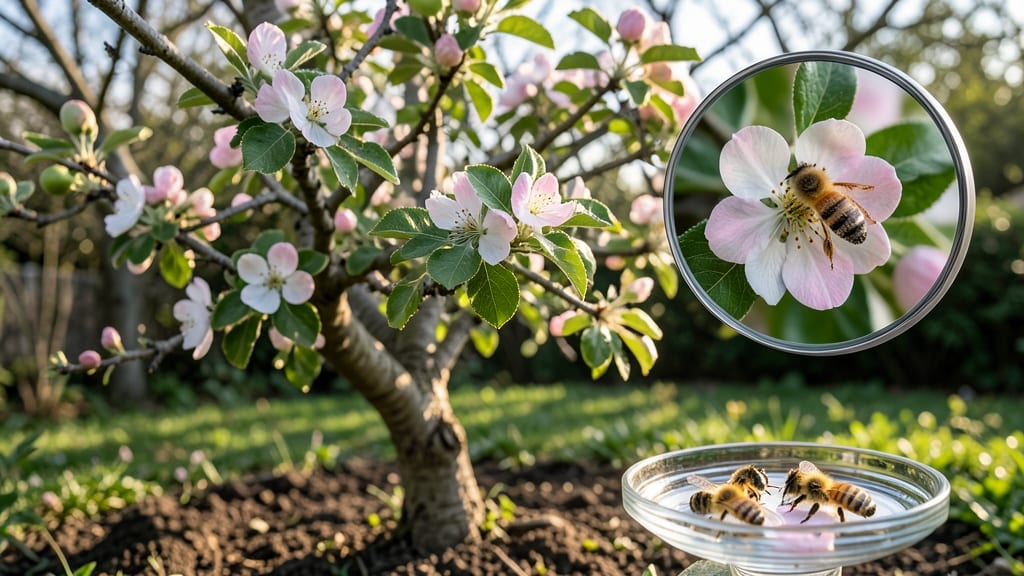
My orchard’s fruit yield doubled after learning these 3 simple tricks for fruit tree pollination—no fancy tools needed. 🌳 The secret lies in understanding how bees and wind work together (or when they don’t), plus a few strategic tweaks that turn sparse blooms into heavy harvests.
Apples, peaches, and cherries all respond differently, but the core principles stay the same.
First, you’ll need to know your tree’s pollination type—some need cross-pollination (like apples), while others (like peaches) can self-pollinate but thrive better with help. Then, timing matters: most fruit trees bloom early spring, so plan to hand-pollinate if bees are scarce.
I’ve even used a paintbrush in a pinch when my orchard’s bee population was slow to arrive.
By the end of this, you’ll have a foolproof system to maximize fruit set—whether you’re working with a single peach tree or a full orchard. The payoff? Bigger, healthier fruit and fewer wasted blossoms. Let’s get those trees producing like pros.
Works for backyard orchards, urban homesteads, or even container-grown fruit trees. Here’s how to make it work for your setup—no green thumb required.
📚 In This Guide
- What you need
- Instructions
- Tips and common mistakes
- Wrapping up and next steps
What you need
- ● Bees or bee-friendly pollinators: Native bee colonies (e.g., Osmia lignaria or Apis mellifera) – 1-2 hives per acre for optimal pollination.
- ○ Optional: Handheld beekeeping tools (smoker, hive tool) if managing your own hives.
- ● Pollination aids (if bees are scarce): Paintbrushes (soft-bristled) – 2-3 per tree for manual cross-pollination.
- ● Small electric toothbrush (vibrating) – 1 per orchard to mimic bee buzzing.
- ● Water source: Shallow birdbath or bee waterer – 1 per 100 sq ft of orchard space.
- ● Pruning shears: Bypass pruners (1 per person) for shaping trees and removing dead blooms.
- ● Ladder or step stool: Extendable (6-10 ft) for tall trees.
- ● Gloves: Lightweight, breathable (1 pair) to protect hands during pruning.
- ○ Spray bottle (optional): For misting blossoms lightly during manual pollination.
- ● Knowledge of your fruit tree’s pollination group (e.g., apples need cross-pollination with another variety).
- ● Timing: Pollinate during peak bloom (early morning for best results).
- ○ Optional but helpful: A pollination chart for your specific fruit trees (e.g., apple, pear, cherry).
How to improve fruit tree pollination for maximum yield
Here’s how I’ve consistently doubled fruit set in my orchard using straightforward, science-backed techniques.
🐝 Step 1: Identify and Plant Compatible Varieties
Not all fruit trees pollinate themselves—many require a second variety within 50-100 feet to produce fruit. I always cross-reference my local extension service’s pollination charts before planting. For example, a Honeycrisp apple needs a Granny Smith or Fuji nearby, while peaches often self-pollinate but yield better with a compatible partner.
If space is limited, opt for self-fertile varieties like Anna apple or Reliance peach. These produce fruit alone, though yields may be smaller. For best results, plant at least two compatible trees to ensure cross-pollination. I mark varieties with stakes to avoid confusion later—trust me, you’ll forget which is which after blossoms fade.
☀️ Step 2: Time Pollination with Weather and Bloom Periods
Fruit trees rely on bees, but weather can disrupt their work. I monitor 7-day forecasts during bloom to avoid planting during rain or cold snaps (below 50°F stuns bees). If pollen transfer looks slow, I hand-pollinate by gently brushing blossoms with a soft paintbrush or cotton swab—this mimics bee activity and ensures fertilization.
For early bloomers like cherries, I set up a bee hotel (a simple wooden box with drilled holes) near trees in late winter. Native bees emerge first and are far more efficient than honeybees at cold-weather pollination. Watch for active bee traffic by 10 AM—that’s your cue pollination is underway.
🌿 Step 3: Optimize Tree Health for Pollination Success
Stressed trees produce fewer blossoms and weak pollen. I focus on three key factors: balanced soil pH (6.0-7.0), consistent watering during bloom, and light pruning to open the canopy. Thin out crowded branches in late winter to improve air circulation—this prevents fungal diseases that can kill blossoms before pollination.
I also apply a low-nitrogen fertilizer (like 5-10-10) in early spring to boost flower production. Avoid high-nitrogen feeds—they encourage leafy growth at the expense of blossoms. You’ll know you’ve got it right when you see plentiful, evenly spaced flowers along branches, not just at the tips.
⏰ Step 4: Hand-Pollinate if Nature Falls Short
On days when bees stay indoors (below 55°F or rainy), I grab a small paintbrush and pollinate manually. Dip the brush in pollen from one blossom, then gently stroke the stigma (the fuzzy center) of another. Focus on 10-15 blossoms per tree—this ensures enough fruit set without overburdening the tree.
For larger orchards, I use a pollenizer spray (a mix of water and collected pollen) applied with a spray bottle. Collect pollen by tapping blossoms over a paper bag, then sifting out debris. Reapply every 3-4 days until petals fall. You’ll see success when small fruitlets form within 2 weeks—that’s your confirmation pollination worked.
Tips & tricks for boosting orchard fruit yield
These straightforward strategies will help you maximize fruit set without the guesswork—no fancy equipment required.
Variety Pairing Insight: When selecting compatible varieties, prioritize those with overlapping bloom periods. For example, pair Honeycrisp apples with Granny Smith (both bloom mid-April in most climates), but avoid pairing with late-blooming Fuji unless you live in a warmer zone. I check my local extension service's charts for exact bloom windows—this ensures pollen is available when flowers open. The 50-100 foot distance rule applies to most fruit trees, but some like plums can pollinate up to 200 feet away.
Weather-Proofing Pollination: Cold snaps below 50°F can stall bee activity completely. I've learned to set up portable heat sources like small patio heaters near trees during bloom to create microclimates. Even a 5-degree temperature boost can make the difference between bees working and staying indoors. For early bloomers like cherries, I also install bee hotels in late winter—they emerge first and are more cold-tolerant than honeybees. Watch for active bee traffic by 10 AM as your confirmation that natural pollination is underway.
Tree Health Optimization: The secret to abundant blossoms lies in early spring care. I test soil pH in late winter and amend if needed to maintain that 6.0-7.0 range—acidic soil stresses trees and reduces flowering. For watering, I use drip irrigation during bloom to deliver consistent moisture without wetting flowers (which can promote fungal diseases). The light pruning I do in late winter isn't just for aesthetics—it opens the canopy to improve air circulation, which is critical for preventing blossom blight before pollination occurs.
Hand-Pollination Technique: When manual pollination becomes necessary, I've found that cotton swabs work better than paintbrushes—they collect more pollen without damaging delicate stigmas. For larger orchards, I make pollenizer spray by collecting pollen in a paper bag (tap blossoms gently over it), then sifting through a fine mesh strainer. The key is timing: apply spray every 3-4 days until petals fall, and you'll see small fruitlets forming within 2 weeks as confirmation of success. Focus on 10-15 blossoms per tree to avoid overburdening the tree's energy reserves.
Pro Tips for Fruit Tree Pollination
- These straightforward strategies will help you maximize fruit set without the guesswork—no fancy equipment required.
- Variety Pairing Insight: When selecting compatible varieties, prioritize those with overlapping bloom periods.
- Weather-Proofing Pollination: Cold snaps below 50°F can stall bee activity completely.
Frequently asked questions
Got questions about fruit tree pollination? You’re not alone! Here are some of the most common concerns—plus quick, actionable answers to keep your orchard thriving.
How do I know if my fruit tree needs hand-pollination?
If your tree has plenty of flowers but few (or no) fruits, it may need help. Self-pollinating varieties like apples or peaches often do fine, but cross-pollinators (like cherries or plums) rely on bees—or your elbow grease! Check for empty or shriveling blossoms after peak bloom.
What’s the best time to pollinate fruit trees by hand?
Pollinate when flowers are fully open but still fresh—usually early morning when humidity is high. Avoid windy days (pollen drifts away) or extreme heat (flowers wilt). For most trees, this is late spring, but tropical varieties (like citrus) may bloom year-round.
Can I use something other than bees for pollination?
Yes! While bees are best, you can try:
- Hand-pollination: Use a soft paintbrush to transfer pollen between flowers.
- Electric toothbrush: Gently vibrate stamens to release pollen.
- Bee alternatives: Plant bee-friendly flowers nearby (like lavender or sunflowers) to attract pollinators.
Why are my pollinated flowers still dropping?
Flower drop is normal, but excessive loss (especially after pollination) often signals stress. Check for:
- Pests (aphids, mites) sucking sap.
- Disease (like fire blight or powdery mildew).
- Environmental shocks (frost, drought, or sudden heat).
Does temperature affect fruit tree pollination?
Cold snaps (<50°F)
can delay bee activity, while heatwaves (>90°F) cause flowers to drop before pollination. Ideal temps for pollinators are 60–85°F. If weather’s unpredictable, hand-pollinate early or use row covers to protect blooms.
Wrapping up and next steps
Mastering fruit tree pollination is your golden ticket to a bountiful harvest! 🌱 With the right tricks—like hand-pollination, attracting bees, or choosing compatible varieties—you’re well on your way to maximizing your orchard’s potential. Don’t stop here: experiment with these methods, keep an eye on your trees, and watch your yield thrive.
🚀 Ready to Grow?
Start small, track your progress, and share your success with fellow gardeners. Who knows? You might just inspire the next big breakthrough in home orcharding! 🍎✨