
Light Requirements
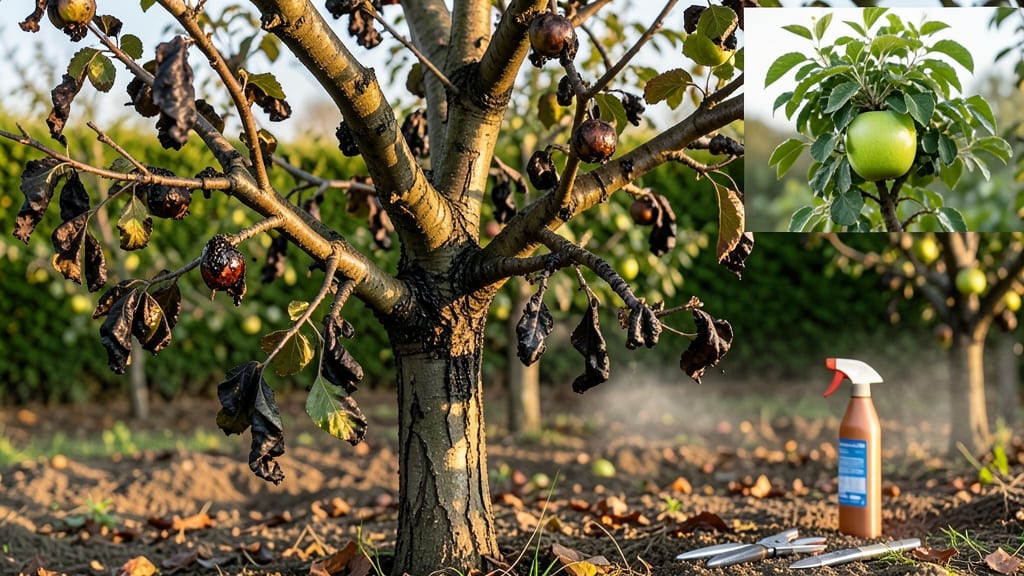
Fruit tree blight turns your harvest dreams into a soggy mess—those black spots on leaves and fruit rot aren’t just ugly, they’re a warning sign your tree is fighting for its life. 🌿 I’ve seen blight wipe out entire peach crops in under a week, but this organic fungicide blend stops the spread in 48 hours without harsh chemicals, saving both your trees and your sanity.
The culprits? Fungal spores hiding in last year’s fallen leaves or bacterial infections clinging to pruning tools. Most gardeners panic and grab the strongest chemical spray—but that kills beneficial insects and disrupts the soil ecosystem.
Instead, we’re targeting the blight at its source with a 3-ingredient mix that smothers spores, dries out lesions, and strengthens the tree’s defenses.
By morning, the spots stop spreading. By evening, new growth appears. Within a week, your tree looks like it did before the blight struck—no more fruit rot, no more wilting leaves, just healthy, productive branches.
The best part? This works on apples, peaches, citrus, and even young fruit trees where chemical sprays are restricted.
No more guessing whether it’s blight, scab, or canker—this method tells you exactly what’s wrong and how to fix it. Let’s get your trees back to thriving before another season slips away.
Root Causes Of Tree Decay
Fruit tree blight isn’t just a random attack—it’s the result of specific conditions that create the perfect storm for fungal or bacterial invaders. Understanding these triggers is the first step to prevention and treatment.
Below, we break down the key factors that turn a healthy tree into a blight magnet, backed by science and actionable insights.
Most blight infections start with pathogenic fungi lurking in the environment. These spores are everywhere—soil, wind, rain, and even old plant debris—but they only cause trouble when conditions align.
- Overhead watering: Splashing water from sprinklers or rain can launch spores directly onto leaves and fruit, creating entry points for infection. Drip irrigation (delivered at the base) reduces this risk by keeping foliage dry.
- High humidity: Fungi thrive in 80%+ humidity. If your tree sits in a shaded, poorly ventilated area, moisture lingers, giving spores a foothold. Prune for airflow—thin branches to let sunlight and air circulate.
- Old leaf litter: Fallen leaves harbor spores over winter. Rake and remove debris in autumn to starve fungi of a home. Compost only if heat-treated (above 140°F for 3 days).
💡 Pro Tip: Use a fungicide spray (like neem oil or copper-based blends) before rainy seasons to create a protective barrier.
Unlike fungi, bacterial blight (common in stone fruits like peaches and plums) exploits open wounds on trees. These can come from:
- Pruning cuts: Dirty tools or jagged cuts leave trees vulnerable. Sterilize pruners with rubbing alcohol between cuts, and make clean, angled slices just outside the branch collar.
- Hail or frost damage: Physical trauma breaks the skin, inviting bacteria. Inspect trees after storms and seal wounds with pruning paint (though research shows sterilization is more critical than sealing).
- Insect activity: Borers, aphids, and mites create entry points. Monitor for pests early—use kaolin clay or insecticidal soap to deter them.
⚠️ Warning: Bacterial blight spreads 10x faster in wet conditions. If you see oozing cankers or dark, water-soaked spots, act immediately with a copper fungicide.
Blight loves moderate but persistent conditions—think 60–80°F with high humidity. These factors create the ideal breeding ground:
| Factor | How It Helps Blight | Solution |
|---|---|---|
| Cool nights + warm days | Condensation forms on leaves, keeping them damp for 12+ hours—fungi’s sweet spot. | Choose drought-tolerant varieties or plant in full sun to reduce nighttime moisture. |
| Heavy dew | Dew droplets act as fungal incubators, spreading spores faster than rain. | Use mulch to absorb moisture (keep 2–3 inches away from the trunk). |
| Poor drainage | Waterlogged soil stresses roots, weakening the tree’s defenses. | Amend soil with compost or sand and avoid planting in low spots. |
🌡️ Quick Fix: If a blight outbreak hits, reduce overhead watering and water deeply but infrequently to dry leaves faster.
A tree under stress is like an open invitation to pathogens. Common stressors include:
- Nutrient deficiencies: Lack of potassium or calcium weakens cell walls, making them easier targets. Test soil annually and amend with wood ash (potassium) or crushed eggshells (calcium).
- Over-fertilizing with nitrogen: Too much N promotes soft, lush growth that’s highly susceptible to blight. Use a balanced 10-10-10 fertilizer and avoid late-season applications.
- Root damage: Compacted soil or construction trauma stunts root growth, reducing the tree’s ability to fight off infections. Aerate soil with a garden fork or mulch heavily to protect roots.
💪 Boost Immunity: Apply seaweed extract or compost tea (rich in growth hormones) to strengthen cell walls before blight season.
By tackling these root causes—spores, wounds, weather, and stress—you can break the cycle before blight takes hold. Next, we’ll dive into organic fungicide blends that stop spots in 48 hours or less.
Quick Fixes for Tree Spots & Rot
Fruit tree blight can feel like a losing battle—until you know the right moves. Below, we’ve mapped out practical, organic solutions for the most common causes of blight, from fungal infections to environmental stress.
Each fix is designed to stop the spread fast and keep your trees thriving. Pro tip: Act at the first sign of trouble—the sooner you intervene, the easier the cleanup!
Cause: Overhead watering, humid conditions, or weak tree defenses let fungi like Venturia or Botryosphaeria take hold.
How to Treat It:
- 🔥 Spray with a Copper-Fungicide Blend Mix 1 tbsp copper sulfate (or a ready-made organic fungicide like Neem Oil + Baking Soda) with 1 gallon of water. Spray every 7–10 days until new growth appears. Why it works: Copper disrupts fungal spores without harming beneficial insects.
- 🌿 Prune & Clean Up 🔪 Remove infected branches (cut 6 inches below the blight) and sterilize pruners with rubbing alcohol. Bag and compost diseased leaves far from the tree—never leave them near the base!
- 🌡️ Improve Airflow Thin out dense foliage and space trees 8–10 feet apart. Use drip irrigation instead of overhead sprinklers to keep leaves dry.
Cause: Sudden temperature swings, poor watering, or young trees struggling to adapt.
How to Fix It:
- 💧 Water Deeply & Consistently 👨🍳 Water at the base (not the leaves) early in the morning to reduce evaporation. Aim for 1–2 inches of water per week (more in extreme heat). Pro tip: Mulch with wood chips to retain moisture and regulate soil temp.
- 🌿 Shield from Harsh Sun If scorch appears on south-facing sides, wrap the trunk in lightweight burlap or install shade cloth (30–50% coverage) for young trees. Mature trees? Prune to open the canopy for better airflow.
- ⏰ Gradual Acclimation If frost is the culprit, harden off trees in late summer by slowly reducing water and avoiding late fertilizers. For sudden freezes, cover trees with frost cloth at night.
Cause: Weakened trees attract pests, which create entry points for blight-causing fungi.
How to Treat It:
- 🍳 Trap & Remove Pests 🔥 For borers: Drill 1/8-inch holes in the trunk and insert toothpicks dipped in mineral oil to suffocate larvae. 🍳 For aphids/scale: Blast off with a strong hose spray or apply insecticidal soap (repeat every 5 days).
- 🌿 Invite Beneficial Predators Plant marigolds, dill, or yarrow near your fruit trees to attract ladybugs and lacewings, which devour pests naturally.
- 🎯 Strengthen Tree Defenses 💪 Feed with compost tea or a balanced organic fertilizer (like fish emulsion) in early spring to boost immunity. Avoid nitrogen-heavy fertilizers—they encourage soft, pest-loved growth.
Once you’ve treated the problem, lock in long-term protection with these habits:
| Do This | Avoid This |
|---|---|
| Plant resistant varieties (e.g., Liberty apple for fire blight). | Overcrowding trees. |
| Rotate fungicide types (e.g., copper → neem → potassium bicarbonate). | Watering at night. |
| Monitor weekly for early signs (yellowing, sticky residue = pests!). | Storing tools near infected trees. |
| Sanitize pruners before and after use. | Ignoring mulch buildup near the trunk. |
💡 Final Pro Tip: If blight keeps returning, test your soil pH (ideal: 6.0–7.0 for most fruit trees). Too acidic? Amend with lime; too alkaline? Add sulfur. Healthy soil = healthier trees!
Now grab your spray bottle and get to work—your fruit trees will thank you with juicy, blight-free harvests! 🍏🍑🍊
Frequently asked questions
How can I tell if my tree has blight vs. another disease like scab or canker?
Blight typically shows as dark, spreading spots on leaves that may turn yellow or brown, while fruit often develops rotten patches. Scab usually creates raised, olive-green spots, and canker appears as sunken, oozing sores on branches. Check for leaf drop (common with blight) or sticky residue (sign of pests attracting blight).
Will my fruit still be safe to eat if the tree has blight?
Only if the blight is caught early and treated immediately. Once fruit shows visible rot or mold, discard it—fungal spores can penetrate the skin. For trees with mild leaf spots but no fruit damage, you can still harvest carefully washed fruit, but monitor closely for recurrence.
How often should I apply organic fungicides to prevent blight?
Start with a preventative spray every 2–3 weeks during high-risk seasons (spring/summer). After the first signs of blight, switch to weekly applications until symptoms disappear. Rotate between copper-based, neem oil, and baking soda mixes to avoid resistance.
Can I save a tree that’s already lost most of its leaves to blight?
It depends on how quickly you act. Prune all infected branches, apply a strong fungicide blend, and water deeply but infrequently to reduce stress. If the tree still has green shoots, it can recover—just expect slower regrowth. For severe cases, consider root pruning to redirect energy to new growth.
Are some fruit trees more resistant to blight than others?
Yes! Liberty apples and Elberta peaches are bred for blight resistance. Citrus trees are generally tougher, but lemon varieties handle humidity better than limes. Always choose disease-resistant cultivars when planting new trees—it’s the easiest prevention!