
Vegetables
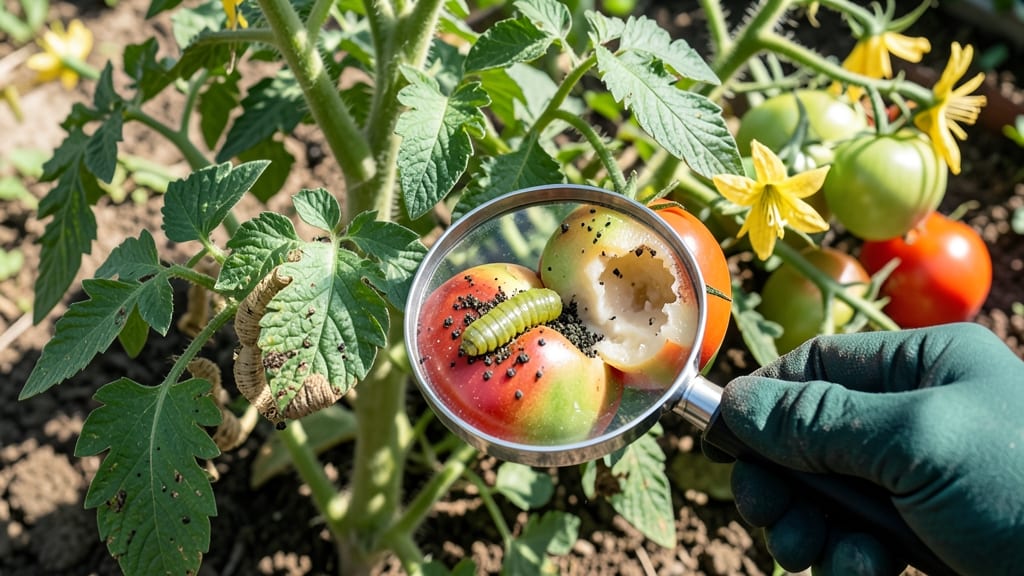
Tomato fruitworm damage turns your perfect-looking tomatoes into sad, wormy messes before harvest. 🌱 I’ve lost entire plants to these sneaky pests, but I’ve also learned how to fight back—without harsh chemicals that harm pollinators.
The key is catching them early, using nature’s tools, and giving your plants the best defense possible.
These caterpillars chew through fruit from the inside, leaving behind dark frass (their poop) and squishy, rotting tomatoes. The damage starts small—tiny holes in young fruit—but if left unchecked, you’ll end up with 50% or more of your harvest ruined.
The good news? You can stop them with simple, organic methods that work just as well as (or better than) store-bought sprays.
By combining hand-picking, row covers, and natural predators like parasitic wasps, you’ll protect your plants without harming the ecosystem. Your tomatoes will stay firm, flavorful, and worm-free all season long. The best part? These methods take less than 10 minutes a week once you get the system down.
Whether you’re dealing with a first-time infestation or an annual battle, this approach works for backyard gardens, raised beds, and even container-grown tomatoes. Let’s get those plants back to their healthy, productive selves!
Root Causes Of Worm Infestations
Understanding why tomato fruitworms target your plants is the first step to stopping them. These pests don’t just appear randomly—they’re drawn by specific conditions and vulnerabilities in your garden. Let’s break down the key reasons behind their destructive behavior, so you can address the problem at its source.
Tomato fruitworms (Helicoverpa zea and Helicoverpa armigera) are highly selective feeders, and not all tomato plants are equally appealing to them. Here’s why your tomatoes might be a buffet:
- Sweet, ripe fruit: Mature tomatoes with high sugar content (especially red or orange varieties) release volatile organic compounds (VOCs) that attract adult moths. These compounds act like a dinner bell, signaling "easy pickings."
- Thin-skinned varieties: Tomatoes with delicate skins (like cherry or heirloom types) are easier for larvae to penetrate. The worms don’t just nibble—they burrow in, creating entry points for rot and disease.
- Stress signals: Plants under stress (from drought, nutrient deficiency, or poor soil) emit different chemical cues. Worms can detect these distress signals and target weakened tomatoes as their first choice.
💡 Pro Tip: If you’re growing tomatoes in hot climates, opt for varieties bred for heat tolerance (like 'Heatmaster' or 'Solar Fire'). These often have thicker skins and lower sugar content when immature, making them less appealing to fruitworms.
Fruitworms aren’t picky—they’ll go for anything that’s easy to access. But overripe or already damaged tomatoes are their favorite targets. Here’s why:
| Issue | Why Worms Love It |
|---|---|
| Soft, mushy fruit | Larvae can’t chew through firm skins, but overripe tomatoes are like a worm’s dream—no resistance, all nutrients. |
| Cracks or bruises | Physical damage exposes the flesh, making it easier for eggs to hatch and larvae to tunnel in. Even a small nick from hail or birds can turn a tomato into a worm magnet. |
| Fallen or rotting fruit | Decaying tomatoes release ammonia and other compounds that attract adult moths. They’ll lay eggs nearby, ensuring the next generation has a head start. |
🎯 Action Step: Harvest tomatoes as soon as they ripen, and remove any fallen or damaged fruit immediately. A quick 10-minute walk through your garden at dusk can prevent a worm outbreak before it starts.
Fruitworms don’t strike randomly—their life cycle is tightly linked to your tomato’s growth stages. Understanding their schedule helps you predict and prevent damage:
- Peak egg-laying (dusk & dawn): Adult moths are nocturnal and use the moon’s light to navigate. They’re most active during the new moon and full moon phases, when UV light is strongest. This is when they’ll zero in on your tomatoes.
- Larval hatching (warm, humid nights): Eggs hatch within 3–5 days under ideal conditions (75–85°F). High humidity keeps the larvae plump and active, accelerating their tunneling.
- Pupation (soil or plant debris): Mature larvae drop to the ground to pupate, emerging as adults in 10–14 days. If your garden has leaf litter or mulch, they’ll use it as a nursery.
⏰ Smart Timing Tip: Inspect your plants right after sunset when moths are most active. Use a flashlight to spot eggs (tiny, white, and clustered on leaves or fruit) and remove them before they hatch.
By addressing these root causes—whether it’s choosing resistant varieties, removing attractants, or disrupting the worms’ life cycle—you’ll make your tomatoes far less inviting. The key is proactive prevention, not reactive damage control.
Stopping Tomato Fruitworm Harm
Tomato fruitworms can turn your thriving garden into a chewed-up nightmare, but with the right strategies, you can reclaim your plants—naturally. Below, we map out practical, organic solutions tailored to the root causes of damage, from early prevention to last-resort fixes. No harsh chemicals required!
Stop the problem before it starts with these proactive steps.
🔥 Use Row Covers Early
Physical barriers are your first line of defense. Floating row covers (lightweight fabric) smother adult moths before they lay eggs. Install them when tomato plants are young and remove only for pollination (if needed).
- ✅ Best for: Early season protection (spring/summer plantings).
- ✅ Pro tip: Secure edges with soil or bricks to prevent moths from sneaking underneath. 🌡️
- ⚠️ Watch out: Remove covers during flowering if you rely on bees for pollination.
🍳 Plant Trap Crops
Lure moths away from your tomatoes by planting basel or marigolds nearby. These act as "decoy" plants, attracting adults to lay eggs there instead. Once the trap crop is infested, remove and destroy it (don’t compost!).
- ✅ Best for: Gardens with recurring fruitworm issues.
- 💡 Pro tip: Plant trap crops 10–15 feet away from your tomatoes to avoid cross-contamination. ✨
👨🍳 Rotate Plantings & Clean Up
Break the worm’s life cycle by disrupting their habitat. After harvest, remove all plant debris (especially fallen fruit) and till the soil to expose pupae to predators or dry conditions.
- ✅ Best for: Long-term prevention in perennial gardens.
- 🎯 Pro tip: Avoid planting tomatoes in the same spot yearly—fruitworms thrive in familiar territory. 🌱
Catch the problem early with hands-on tactics.
🥘 Handpick Larvae Daily
Check tomato fruits and leaves every 2–3 days for greenish larvae. Drop them into soapy water (1 tbsp dish soap per gallon) to kill them instantly. This works best for small infestations.
- ✅ Best for: Early-stage damage (tiny holes, fresh frass).
- 🔥 Pro tip: Do this early morning when worms are sluggish and easy to spot. ⏰
🍎 Use Sticky Traps for Adults
Hang yellow sticky traps near plants to catch adult moths before they mate. Place traps at plant height (4–5 feet) for maximum effectiveness.
- ✅ Best for: Reducing moth populations in large gardens.
- ⚠️ Watch out: Avoid placing traps near beneficial insects (like bees).
When prevention fails, deploy these eco-friendly fixes.
💡 Bacillus thuringiensis (Bt) Spray
This microbial pesticide targets only caterpillars (including fruitworms) and is safe for humans, pets, and beneficial insects. Spray every 7–10 days or after rain.
- ✅ Best for: Active infestations (visible larvae).
- 🌱 Pro tip: Apply in the evening to avoid harming bees. 🐝
- ⚠️ Note: Reapply after heavy rain or if new eggs hatch.
🐛 Encourage Natural Predators
Boost your garden’s defense squad by attracting parasitic wasps, birds, and ladybugs. Plant dill, fennel, or alyssum to draw beneficial insects, and install birdhouses near tomato patches.
- ✅ Best for: Long-term, sustainable control.
- 🎯 Pro tip: Avoid pesticides that kill these helpers! 🚫💥
🥗 Neem Oil Spray (Emergency Use)
For severe infestations, mix 1 tbsp neem oil + 1 tsp mild soap per quart of water and spray directly on larvae and leaves. Reapply every 5–7 days.
- ✅ Best for: Last-resort treatment (use sparingly).
- ⚠️ Caution: Can harm bees—apply at dusk only. 🌙
Remember: Consistency is key. Combine prevention + manual checks + organic sprays for the best results. With these methods, you’ll enjoy plump, worm-free tomatoes all season long!
Frequently asked questions about tomato fruitworm damage
How do I know if my tomatoes have fruitworm damage?
Look for tiny holes in the fruit, dark green frass (worm droppings) inside, or wilting vines. Check for greenish caterpillars (larvae) hiding in leaf folds or fruit crevices. Early signs include small entry points and a mushy texture when you cut open the tomato.
Can I still eat tomatoes with fruitworm damage?
Only if the damage is minimal—cut out the affected areas and discard the rest. For severe infestations, remove the entire fruit. Worms can introduce bacteria, so it's safer to compost or discard heavily damaged tomatoes rather than risk food safety.
What’s the best time of day to check for fruitworms?
Early morning is ideal—worms are sluggish and easier to spot. Check leaves and fruit before they become active in the heat. Dawn inspections also help you catch eggs (tiny white clusters) before they hatch into larvae.
Will neem oil really kill tomato fruitworms?
Yes, but it works best as a preventive spray, not a cure. Mix 1 tbsp neem oil + 1 tsp mild soap per quart of water and apply at dusk. It disrupts their feeding and growth, but you’ll need to reapply every 5-7 days during active infestations.
How long does it take for Bt spray to work on fruitworms?
Bt (Bacillus thuringiensis) starts working within 24-48 hours of ingestion. Larvae stop feeding and die within a few days. For best results, spray every 7-10 days or after rain, focusing on leaves and fruit where eggs are laid.