
Plants
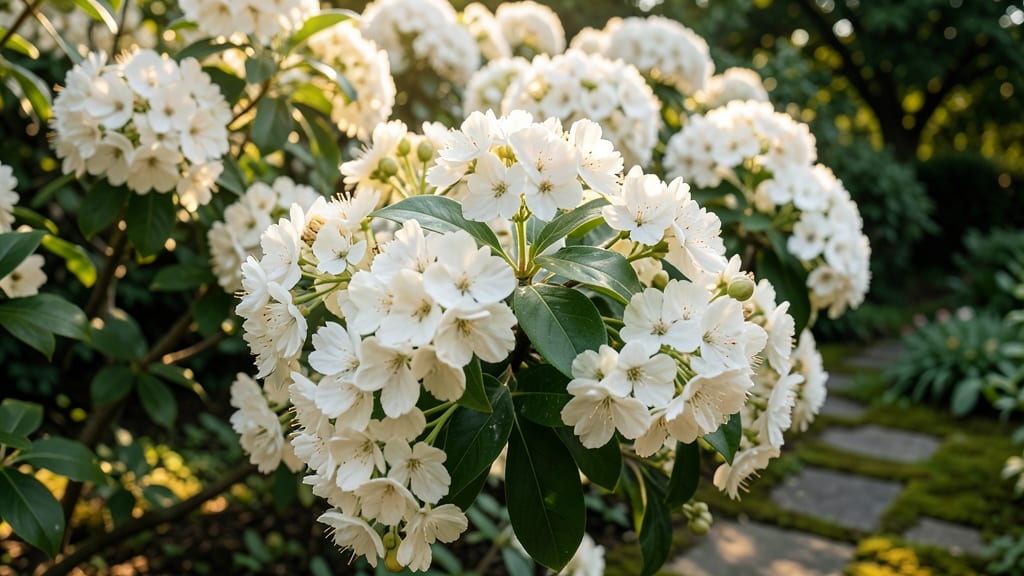
Want to add cherry-like beauty to your garden without growing cherries? These 10 visually stunning fruits mimic cherries' iconic appearance while offering unique flavors, growing ease, and ornamental value that will impress any gardener.
Cherry Tomatoes with Sweet 100 Variety
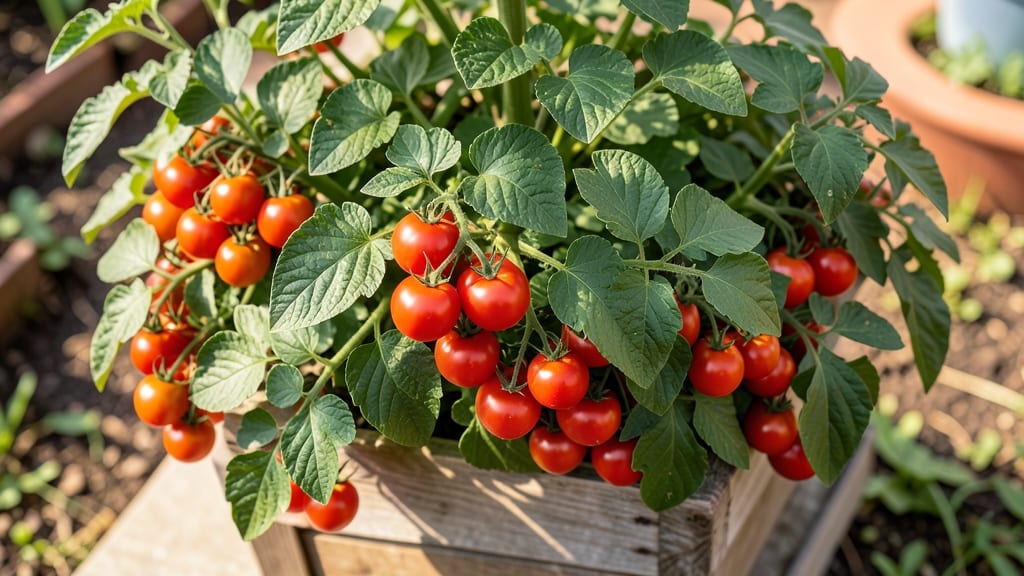
Looking for a fruit that looks like cherry but grows faster and with less fuss? The Sweet 100 cherry tomato delivers those classic cherry-like clusters with a sweet, juicy flavor—perfect for containers or hanging baskets. Unlike traditional cherry trees, these thrive in warm climates with just 6-8 hours of sun daily and minimal pruning.
This variety is a beginner’s dream: plant seeds directly in pots or baskets, and you’ll harvest bright red, bite-sized tomatoes in 55-65 days. Stake or cage vines to keep them tidy, and watch them cascade beautifully. They’re also disease-resistant, making them low-maintenance stars for patios, balconies, or small gardens.
Whether you’re growing for snacks, salads, or just the joy of watching them ripen, Sweet 100 tomatoes bring cherry-like charm with zero tree-guarding hassle. 🌱
Huckleberries for Mountain Gardeners
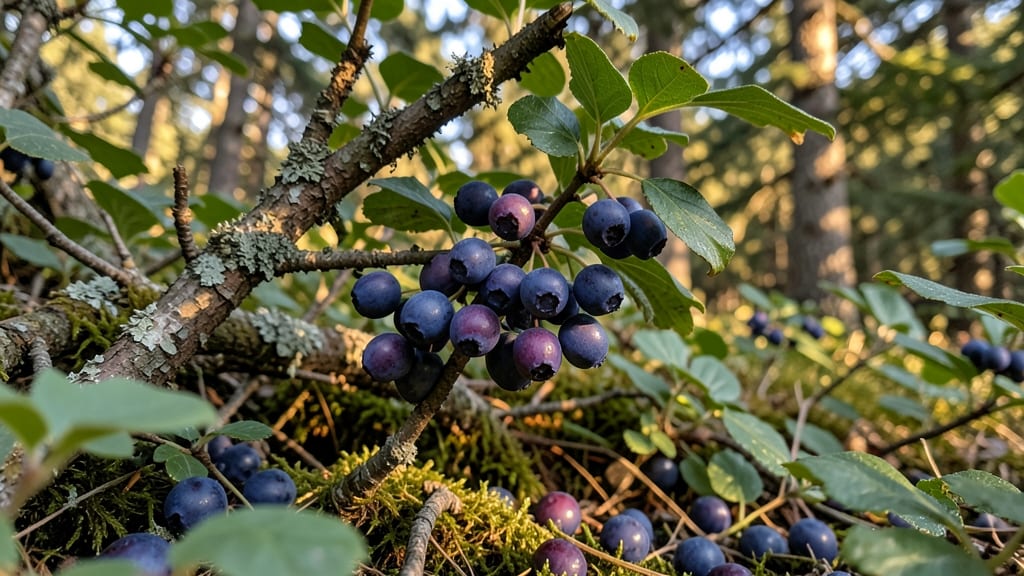
If you live in cooler mountain regions and crave a native fruit that looks like cherries but thrives without fuss, huckleberries are your perfect match. These deep purple-blue berries—about the size of cherries—grow wild in forests but adapt beautifully to cultivated gardens, offering both beauty and a wild, tangy-sweet flavor that’s hard to find elsewhere.
Huckleberries thrive in partial shade to full sun with well-draining, acidic soil, making them ideal for woodland gardens or understory plantings. They produce edible, antioxidant-rich berries that ripen in late summer, attracting pollinators like bees and butterflies. While they’re slow to establish (taking 2–3 years to fruit), their low-maintenance nature and drought tolerance once established make them a rewarding addition.
Perfect for mountain gardeners, pollinator enthusiasts, and foragers, huckleberries add a touch of wild elegance to any landscape while providing a harvestable crop that’s both functional and visually striking. 🌿
Black Sapote (Chocolate Pudding Fruit)
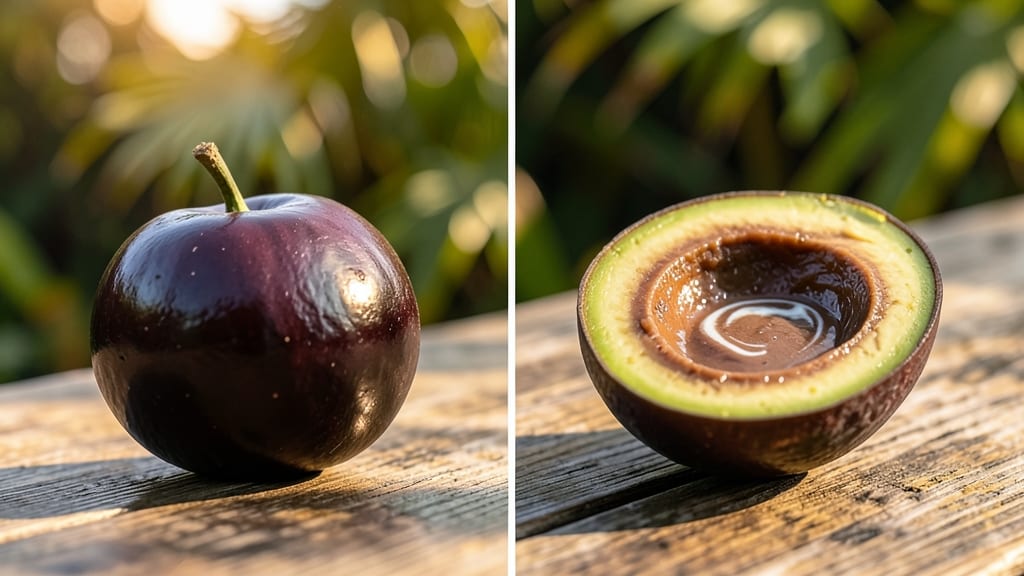
Imagine slicing into a fruit that looks like a cherry but tastes like chocolate pudding—that’s the magic of black sapote, the "cherry of the gods." This tropical treasure thrives in warm climates and delivers a velvety, custard-like texture when ripe, making it a showstopper for exotic garden collections.
To grow black sapote, plant seeds or graft trees in well-draining soil with full sun to partial shade (6+ hours daily). Young trees need consistent moisture, but mature plants tolerate drought conditions once established. Harvest when the fruit yields slightly to pressure—its glossy dark skin turns from green to deep brown when ready. 🌱
This fruit is ideal for gardeners seeking unique edible landscaping or those who love experimenting with tropical varieties. Its striking appearance and decadent flavor make it a conversation piece in any garden! 💚
Elderberries with Compact Varieties
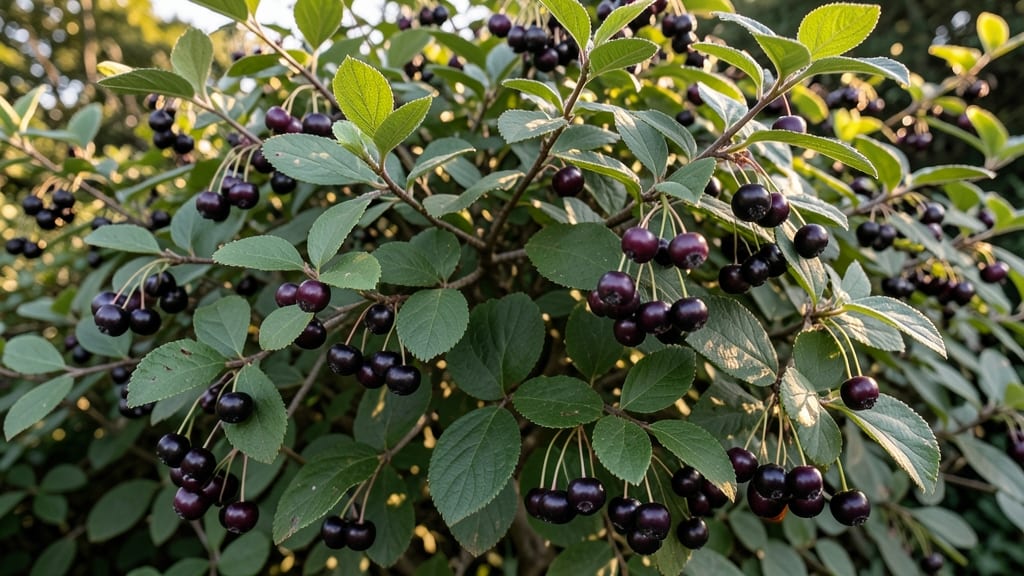
Looking for a cherry-like fruit that doubles as a living privacy screen? Compact elderberry varieties deliver clusters of deep purple berries that resemble cherries in shape and size, but with a twist: their leaves and berries have been used for centuries in herbal remedies.
These hardy shrubs thrive in USDA zones 3-8 and tolerate partial shade, making them perfect for hedgerows or borders. Varieties like 'Johns' or 'York' produce dense clusters of berries that ripen in late summer, attracting birds while providing you with a harvest for syrups, wines, or teas. Their fast growth (up to 3 feet per year) means you'll have a lush screen in no time.
Urban gardeners and homesteaders will love elderberries for their dual-purpose value—beautiful foliage that screens views while delivering medicinal benefits. Just be sure to harvest before birds do! 🌿
Dwarf Cherry Plums (Lavender or Purple Leaf)
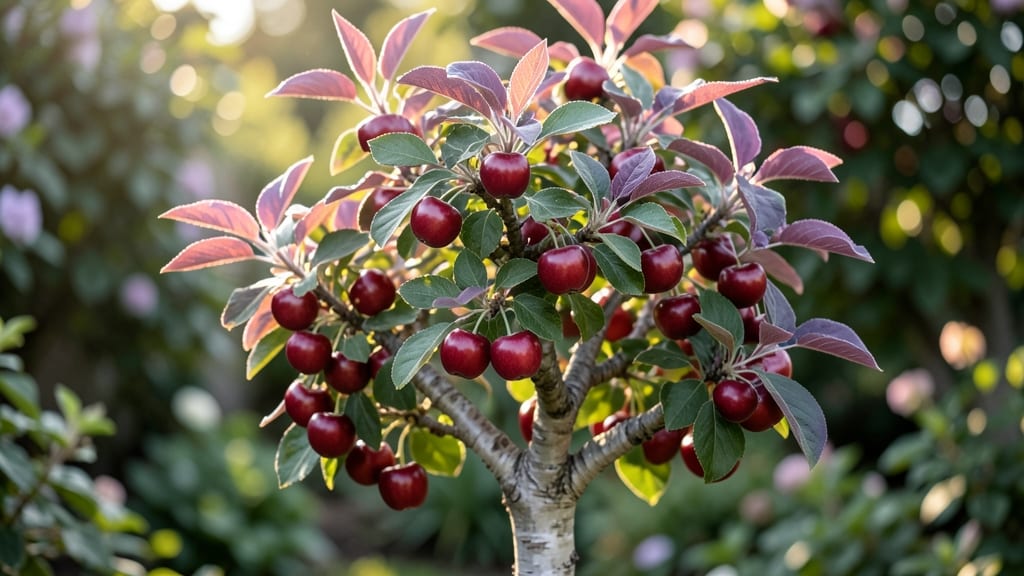
If you love the look of cherries but need a low-maintenance, space-saving alternative, dwarf cherry plums deliver the same visual charm with year-round appeal. These compact trees produce plum-sized fruits that ripen to a deep red, while their lavender or purple foliage adds striking color even when not in fruit.
Perfect for small yards or containers, dwarf cherry plums thrive in full sun to partial shade and tolerate a range of soil types. Varieties like 'Lavender Carousel' stay under 6 feet tall, making them ideal for urban gardens or mixed borders. Prune lightly after fruiting to maintain shape, and enjoy edible fruits that taste like a cross between cherries and plums.
Urban gardeners and small-space enthusiasts will appreciate how these trees provide four-season interest—spring blossoms, summer fruit, and autumn foliage. Plus, they attract pollinators while offering a unique twist on classic cherry aesthetics. 🌻
Crabapples for Ornamental Value
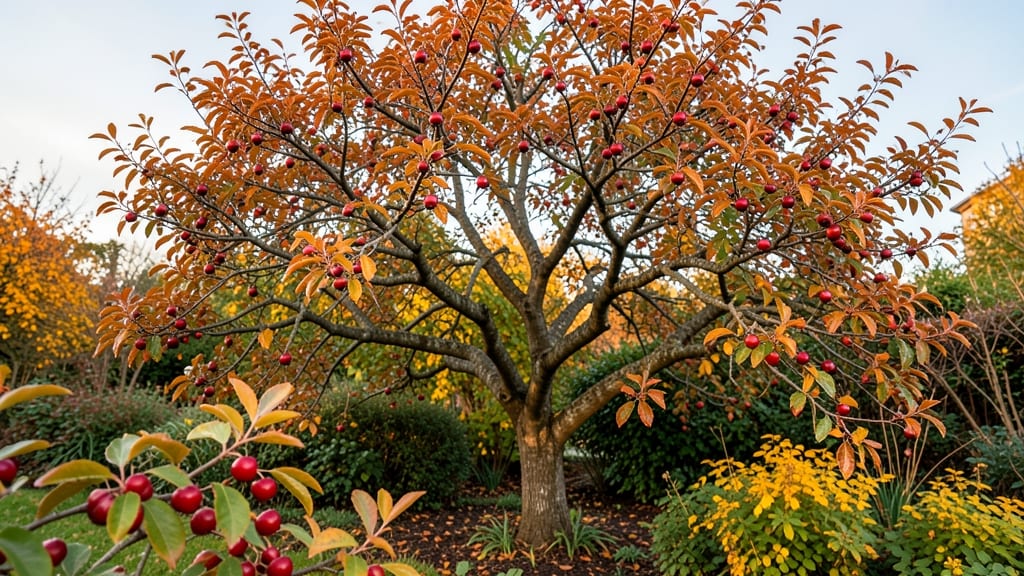
If you love the look of cherries but want a low-maintenance, wildlife-friendly alternative, crabapples deliver the same visual charm with added benefits. These small, tart fruits resemble cherries in size and shape but transform your garden into a fall spectacle with vibrant foliage and striking fruit clusters.
Crabapples thrive in full sun to partial shade and tolerate a wide range of soils, making them perfect for urban landscapes or pollinator gardens. Their disease-resistant varieties (like 'Dolgo' or 'Sargent') produce abundant fruit that attracts birds and bees while providing stunning color from summer through winter. Prune annually to maintain shape and encourage new growth.
Urban gardeners and small-space planners will love how crabapples fit into tight areas—some varieties even grow as small trees or shrubs. Their year-round interest makes them a standout choice for anyone who wants beauty without the fuss. 🌟
Salal Berries for Shade Gardens
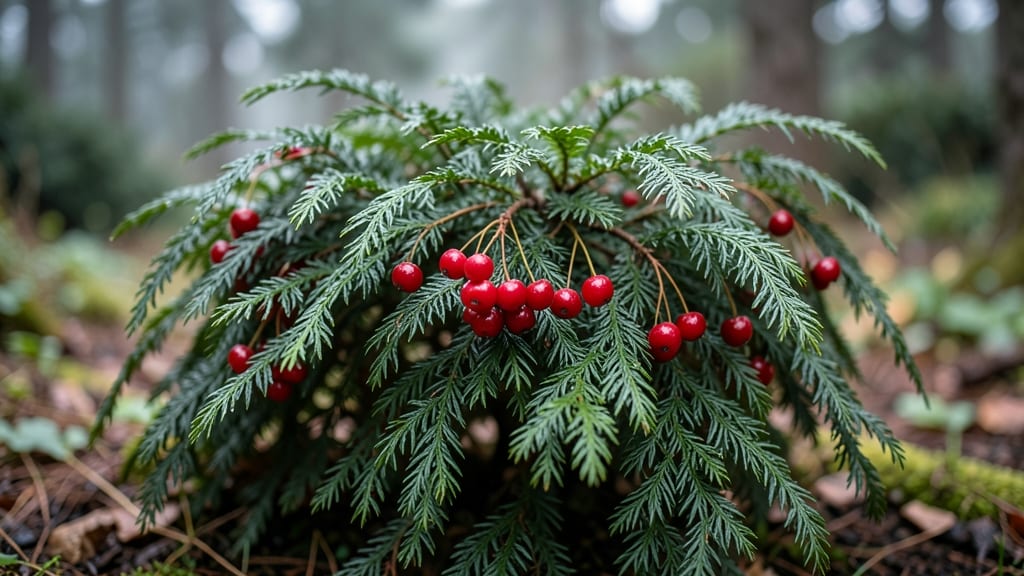
If you love the look of cherries but struggle with sunny garden spots, salal berries are your perfect match. These glossy red berries—about the size of cherries—grow on an evergreen shrub that thrives in shade to partial sun, making them ideal for woodland gardens or understory plantings.
The Gaultheria shallon shrub produces clusters of bright berries that persist through winter, providing year-round interest. It’s drought-tolerant once established and spreads slowly to form dense, lush ground cover. Birds and small mammals love the berries, but they’re not typically eaten by humans—though they’re safe for wildlife.
Perfect for gardeners in USDA zones 6-9, salal berries add texture and color to shady borders without demanding full sun. They’re especially great for creating a natural woodland feel in your garden. 🌿
Jujube Fruits (Chinese Date Plums)
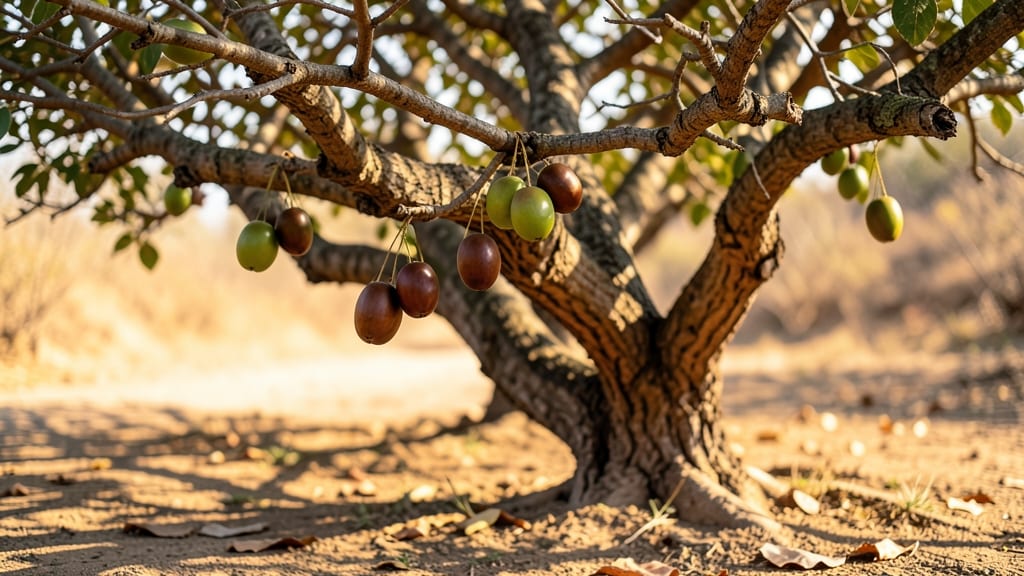
If you're looking for a drought-tolerant fruit tree that produces cherry-sized treats without high maintenance, the jujube (Ziziphus jujuba) is your answer. These unique fruits start green, ripen to a rich brown, and taste like a cross between an apple and date—sweet when fully ripe.
Jujubes thrive in hot, dry climates but adapt well to containers, making them perfect for urban gardens or patios. They require minimal pruning and handle poor soil better than most fruit trees. For best results, plant in full sun and water deeply but infrequently—once established, they're nearly indestructible.
This dual-purpose tree offers both edible fruit and striking autumn foliage, perfect for gardeners who want low-water, high-reward plants. 🌻
Barberry Berries for Wildlife
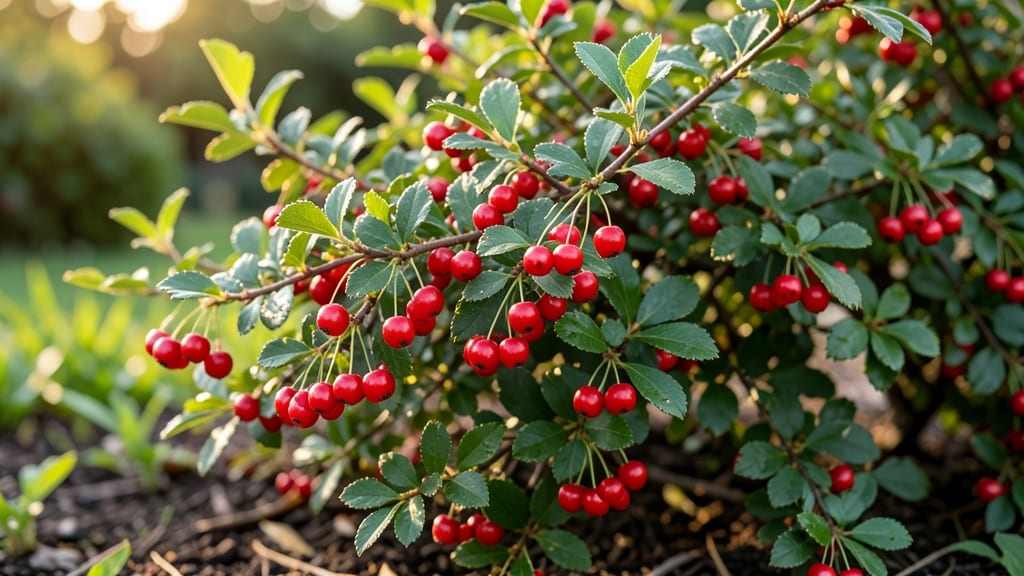
If you love the look of cherries but want a low-maintenance plant that also supports local wildlife, barberry berries are your perfect match. These small, bright red berries resemble cherries in size and shape, but they're packed with benefits for birds and gardeners alike.
Barberry shrubs thrive in full sun to partial shade and are incredibly hardy, tolerating a wide range of soil types. Their thorny branches naturally deter pests like deer and rabbits, while the berries provide food for birds through winter. Varieties like Berberis thunbergii offer year-round interest with striking foliage that turns burgundy in fall.
This makes barberry ideal for gardeners who want a multi-season hedge that supports wildlife without requiring constant care. 🌟
Mock Orange Flowers (Edible Petals)

Craving the delicate beauty of cherry blossoms without the fuss? Mock orange (Philadelphus) delivers fragrant, creamy-white blooms that smell like orange blossoms—perfect for sensory gardens where you can also harvest tiny, edible fruits. Unlike its namesake, this shrub thrives in partial shade and produces clusters of blossoms from spring to early summer.
Plant it in well-draining soil with morning sun and afternoon shade for best results. The petals are edible (great for teas or garnishes) and the small, round fruits that follow add a unique twist to culinary landscaping. Prune after flowering to encourage bushier growth—ideal for hedges or foundation plantings.
This dual-purpose shrub is a game-changer for gardeners who love fragrance and edible surprises. Perfect for small spaces or pollinator-friendly borders! 🌿