
Fertilization
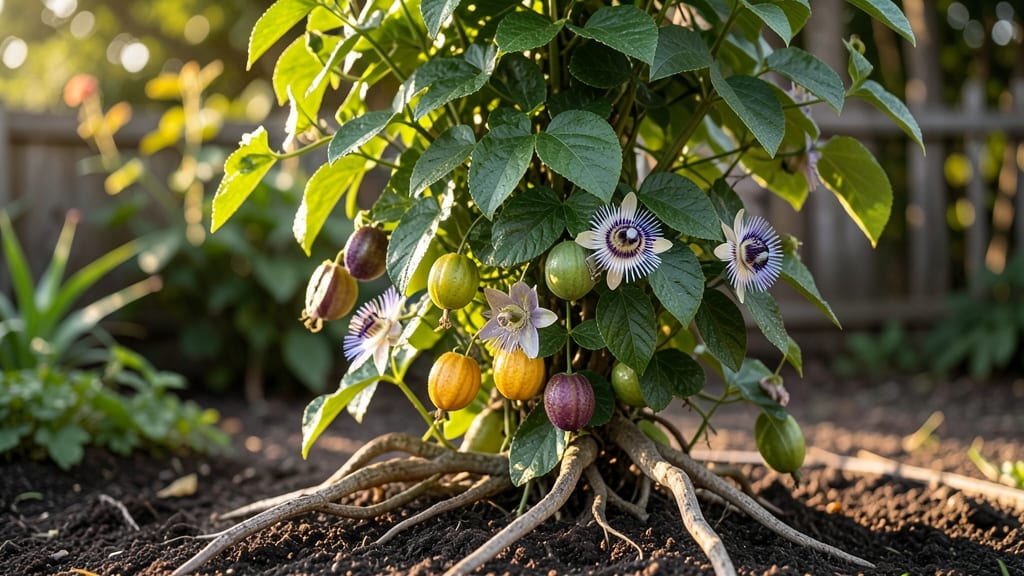
Passionflower vines reward patience with exotic, fragrant fruit that tastes like tropical candy. 🌿 I’ve grown mine for five years now, and the key to year-round harvests isn’t just sunlight—it’s understanding how these vines really thrive. The first step?
Choosing the right variety and giving it a sturdy trellis or fence to climb, because without support, those heavy fruits will snap the stems.
Most gardeners fail here by treating passionflowers like annuals, but with proper care, they’ll fruit twice a year in warm climates and even overwinter in zones 7-11. The soil needs to drain well (think 50% organic matter) and stay consistently moist but never soggy.
Overwatering is the #1 reason vines produce flowers but no fruit—so mulch heavily to keep roots cool and hydrated. What you’ll end up with is a vine loaded with maracuja, granadilla, or banana-shaped fruits depending on the variety, each packed with tangy-sweet pulp perfect for smoothies or jams.
The flowers alone are a showstopper, but the fruit? That’s when the magic happens—harvesting just as they soften ensures the best flavor. Works in containers for balconies or as a living fence for privacy.
Here’s how to keep them producing like crazy—without the common pitfalls that waste years of effort.
📚 In This Guide
- What you need
- Instructions
- Tips and common mistakes
- Wrapping up and next steps
What you need
- ● Passionflower seeds or nursery-grown plants: Choose Passiflora edulis (for maracuja fruit) or Passiflora incarnata (for herbal uses). Start with 3-5 plants for a small harvest.
- ● Organic seeds (e.g., from Baker Creek Heirloom Seeds) or young plants (6-12 inches tall) from local nurseries.
- ● Growing medium: Well-draining potting mix (50% coconut coir, 30% perlite, 20% compost). 10-15 gallons per plant for containers.
- ● Garden soil (amended with compost) if planting in-ground. Test soil pH (6.0-7.0 is ideal).
- ● Support structure: Trellis, arbor, or sturdy fence (6-10 feet tall). Passion vines need vertical space to thrive!
- ● Twine or soft plant ties (10-20 feet per vine) to secure vines as they grow.
- ● Fertilizer: Balanced organic fertilizer (e.g., 5-5-5 or 10-10-10). Use 1 tbsp per plant every 4-6 weeks during growing season.
- ● Composted manure (e.g., cow or chicken) for nutrient boosts. Apply 1 cup per plant annually.
- ● Watering supplies: Drip irrigation system or hose with a gentle spray nozzle (passion vines hate soggy roots!).
- ○ Water retention crystals (optional but helpful in dry climates).
- ● Pruning tools: Sharp bypass pruners (for clean cuts) and gloves (vines have thorns!).
- ● Mulch: 2-3 inches of straw or wood chips to retain moisture and suppress weeds.
- ● Epsom salt: 1 tbsp per gallon of water (monthly spray for magnesium boost).
- ● Pest control: Neem oil (for aphids/mites) or row covers (to deter birds from seeds).
- ● Growth accelerator: Seaweed extract (spray every 2 weeks for faster vine growth).
Step-by-step instructions for cultivating passionflower vines
Here's how to coax these exotic vines into thriving, fruit-bearing plants with minimal fuss.
🌱 Step 1: Select and Prepare Your Passionflower Vine
Choose a healthy, disease-free vine from a reputable nursery—look for thick, green stems and multiple buds. Passionflowers thrive in USDA zones 7-11, but you can grow them in containers if you live in cooler climates. I always opt for cold-hardy varieties like Passiflora incarnata (maypop) for northern gardens.
Before planting, inspect the roots for any signs of rot or damage. If you're transplanting a potted vine, soak the root ball for 15-20 minutes to rehydrate it. This helps reduce transplant shock and encourages faster establishment. Remove any yellowed or damaged leaves—these can harbor pests and slow down new growth.
☀️ Step 2: Choose the Right Location and Support
Passionflowers are vigorous climbers that need 6-8 hours of direct sunlight daily for optimal fruit production. A south- or west-facing wall or fence works best. I’ve found that vines trained on a 6-8 foot trellis produce the most fruit because the structure encourages upward growth and better air circulation.
If you're growing in containers, select a pot at least 18 inches deep with drainage holes—these vines have deep root systems. Fill the bottom with 2-3 inches of gravel or broken pottery to improve drainage. Passionflowers are tropical at heart, so they appreciate a sheltered spot if you're in a windy area.
💧 Step 3: Plant and Water for Strong Establishment
Dig a hole twice as wide as the root ball but only as deep as the container it came in. This prevents burying the stem too deeply, which can cause rot. Gently loosen the roots if they’re circling and place the vine in the hole, backfilling with native soil mixed with compost for better fertility. Water deeply right after planting to settle the soil and eliminate air pockets.
Keep the soil consistently moist but not soggy for the first 4-6 weeks. You’ll know it’s right when the top 2 inches of soil feel damp but not waterlogged. Overwatering at this stage can lead to root rot, so I always check moisture with my finger before watering again. Mulch around the base with 2-3 inches of organic mulch to retain moisture and regulate soil temperature.
✂️ Step 4: Prune and Train for Maximum Fruit Production
Pruning is key to encouraging fruit-bearing laterals. In early spring, cut back any dead or weak growth to 6-8 inches above the ground. This redirects the plant’s energy into new, healthy shoots. I also remove any suckers that grow from the base—they drain energy that could go toward fruit production.
Train the main vines along your trellis or support structure, tying them loosely with soft plant ties every 12-18 inches as they grow. Passionflowers can get heavy with fruit, so secure supports are a must. Once the vines reach the top of the trellis, pinch back the tips to encourage bushier growth and more flowering sites. This is when you’ll start seeing those iconic, intricate passionflower blooms!
🍈 Step 5: Fertilize and Maintain for Year-Round Harvests
Feed your passionflower vine with a balanced, slow-release fertilizer (10-10-10 or similar) in early spring and again after fruiting. I also add a handful of aged compost around the base every 3-4 months to keep the soil rich. Passionflowers are heavy feeders, so don’t skimp—this is what fuels those sweet, tangy fruits.
Watch for pests like aphids or spider mites, which love the tender new growth. A strong spray of water usually knocks them off, but for persistent infestations, I use neem oil. Harvest fruits when they’re fully colored and slightly soft to the touch—this usually takes 6-8 weeks after flowering. With proper care, your vine can produce fruit continuously if you’re in a warm climate or extend the season with containers.
Tips & tricks for cultivating thriving passionflower vines
These insider tricks will help you transform your passionflower vine from a struggling plant into a fruit-producing powerhouse.
Root Revival: That 15-20 minute root soak before transplanting is non-negotiable for potted vines. I've seen passionflowers recover from transplant shock dramatically after this simple step. The key is to soak just until the root ball feels uniformly damp—not soggy. This preps the roots to absorb moisture immediately after planting, which is critical during that first vulnerable week. For extra insurance, add a handful of mycorrhizal fungi to the planting hole—it helps establish beneficial root relationships right away.
Sunlight Strategy: Those 6-8 hours of direct sunlight aren't just about photosynthesis—they trigger the hormonal changes that lead to flowering. If your vine isn't getting enough light, you'll notice fewer blooms and smaller fruits. I recommend placing your trellis in the sunniest spot you have, even if it means moving it from its original location. Morning sun (especially south-facing) is ideal because it prevents the vines from overheating in the afternoon. For container growers, rotate pots weekly to ensure even sunlight exposure on all sides.
Pruning Precision: When you're cutting back that dead growth to 6-8 inches in early spring, think of it as redirecting the vine's energy to where you want it—toward fruit production rather than random suckers. I've found that making these cuts just above a leaf node (where the leaf attaches to the stem) encourages stronger regrowth. For the trellis training, use soft plant ties that won't cut into the vines as they thicken—jute or fabric ties work best. The 12-18 inch spacing between ties gives the vine room to grow without feeling constrained.
Fertilizer Timing: That balanced 10-10-10 fertilizer application in early spring and after fruiting is your vine's energy boost for the seasons. Here's what I've learned: passionflowers respond better to smaller, more frequent feedings than heavy doses. Instead of dumping all that fertilizer at once, split it into two applications—half in early spring and half after the first harvest. The aged compost you add every 3-4 months acts like a slow-release fertilizer, keeping the soil consistently rich without risking over-fertilization.
Pro Tips for Fruit Of The Passionflower
- These insider tricks will help you transform your passionflower vine from a struggling plant into a fruit-producing powerhouse.
- Root Revival: That 15-20 minute root soak before transplanting is non-negotiable for potted vines.
- Sunlight Strategy: Those 6-8 hours of direct sunlight aren't just about photosynthesis—they trigger the hormonal changes that lead to flowering.
Frequently asked questions
about growing and harvesting fruit of the passionflower—your quick guide to troubleshooting and success!How long does it take for passionflower vines to produce fruit?
Passionflower vines typically take 1–2 years to mature and bear fruit, depending on climate and care. In warmer zones (USDA 8–11), expect flowers and fruit within 12–18 months. Patience pays off—healthy vines reward you with year-round harvests if pruned and fertilized properly!
Why aren’t my passionflowers fruiting? Common fixes!
No fruit? Check these fixes:
- Pollination: Passionflowers need bees or hummingbirds—hand-pollinate with a soft brush if pollinators are scarce.
- Sunlight: Ensure 6+ hours of direct sun daily; partial shade may delay fruiting.
- Fertilizer: Use a balanced, low-nitrogen fertilizer (like 5-10-10) every 6–8 weeks during growing season.
- Pruning: Trim leggy growth to encourage flowering branches (focus on new wood).
Can passionflower vines survive winter? How to protect them?
Passionflowers are tender perennials in cold climates (USDA 7 or below). For winter survival:
- Mulch heavily with straw or leaves (4–6 inches) before frost.
- Wrap young vines in burlap or use a cloche for extra protection.
- In zones 6–7, grow as an annual or dig up and pot vines for indoor overwintering.
How do I know when passionfruit is ripe and ready to pick?
Ripe passionfruit turns deep yellow or purple-black (depending on variety) and feels soft but firm—like a ripe peach. The stem should easily twist off when gently pulled. Unripe fruit is hard and green; overripe fruit may split open. Harvest in the morning for peak flavor!
Can I grow passionflower in containers? What’s the best setup?
Passionflowers thrive in 15–20 gallon containers with:
- Well-draining soil (mix potting soil with perlite or sand).
- A trellis or obelisk for climbing (vines can grow 10–20 ft!).
- Large drainage holes to prevent root rot.
Wrapping up and next steps
Growing fruit of the passionflower is a rewarding journey that combines patience, care, and a touch of tropical charm. 🌿 Whether you're drawn to its vibrant blooms or the sweet, tangy fruits, this vine offers year-round harvests with the right techniques—from choosing the perfect soil to mastering fertilization and pruning.
With these vine climbing secrets, you’re well on your way to transforming your garden into a lush, fruiting paradise!
Ready to take the next step? Start small—plant a single vine, experiment with varieties, and let your passionflower thrive. Before you know it, you’ll be sharing homegrown passion fruit with friends and neighbors! 🍈✨