
Pruning
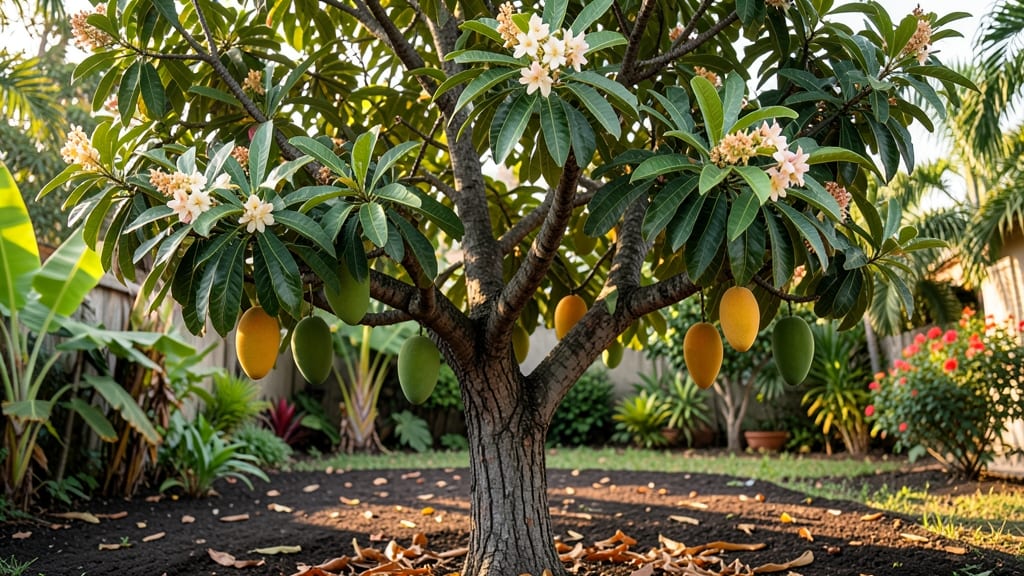
Growing a fruit mango tree from seed or sapling means tropical flavors on your doorstep—even if you're not in Florida. 🌴 I’ve nurtured three over the years, and the first ripe mango, sweet and juicy, is worth every late-night pruning session.
The trick isn’t just heat—it’s consistent moisture, well-draining soil, and a little patience. Most people rush the process, but mango trees need 3-5 years to bear fruit from seed. That said, grafted saplings can fruit in 2-3 years if given the right care.
You’ll end up with glossy, deep-green leaves year-round and fragrant blossoms that fill the air in spring. The first harvest? Worth every drop of water and hour spent shaping the branches. Works in zones 10-11, but container growing extends this to cooler climates. Let’s get your tree thriving!
📚 In This Guide
- What you need
- Instructions
- Tips and common mistakes
- Wrapping up and next steps
What you need
- ● Mango Tree Sapling: Choose a healthy, disease-resistant variety (e.g., Alphonso, Tommy Atkins, or Kent) from a nursery. Ensure it’s 1-2 years old for best results.
- ● Well-Draining Soil: Mix 60% topsoil, 30% compost, and 10% perlite/sand for optimal drainage. Mango trees hate soggy roots!
- ● Fertilizer: Balanced NPK (10-10-10) fertilizer for early growth.
- ● Citrus/mango-specific fertilizer (high in zinc, magnesium, and potassium) for flowering/fruiting stages.
- ● Pruning Tools: Bypass pruners (for clean cuts on small branches).
- ● Loppers (for thicker branches, 2-4 inches in diameter).
- ● Pruning saw (for branches over 4 inches thick).
- ● Disinfectant (70% isopropyl alcohol or bleach solution) to sterilize tools and prevent disease.
- ● Mulch: 3-4 inches of organic mulch (wood chips, straw, or pine bark) to retain moisture and regulate soil temperature.
- ● Support Stakes: 2-3 wooden or metal stakes (1.5-2 inches wide, 6 feet tall) + soft ties (for young trees needing structural support).
- ● Drip Irrigation System or soaker hoses for consistent watering (mango trees love 1-2 inches of water weekly).
- ● Shade Cloth (30-50%) to protect young trees from harsh sun during hot months.
- ● Epsom Salt (Magnesium Sulfate) for leaf yellowing issues (1 tbsp per gallon of water, applied monthly).
- ● Pest Control: Neem oil or insecticidal soap for aphids, mites, or fruit flies.
- ● pH Test Kit to monitor soil pH (ideal range: 5.5-7.0 for mango trees).
Step-by-step guide to growing a fruitful mango tree
Here’s how I’ve grown thriving mango trees with heavy fruit loads—no tropical climate required.
🌱 Step 1: Select the Right Variety and Planting Site
Choose a dwarf or semi-dwarf variety like ‘Cogshall’ or ‘Julie’ for smaller spaces—they bear fruit faster and are easier to manage. Mango trees need full sun (6-8 hours daily), so pick a sheltered spot against a south-facing wall or in a large container if you’re in a cooler zone. The soil must drain well—amend heavy clay with 20% perlite or coarse sand to prevent root rot.
Dig a hole twice as wide as the root ball but only as deep. This encourages roots to spread horizontally, which is how mango trees naturally grow. If planting in a container, use a 15-gallon pot minimum with drainage holes. I always add a handful of slow-release fertilizer to the bottom of the hole—this gives roots a nutrient boost right away.
☀️ Step 2: Plant and Establish Early Growth
Place the tree so the graft union (the bump near the base) sits 1-2 inches above soil level. This prevents water from pooling and rotting the graft. Backfill with native soil mixed with compost, then water deeply to settle everything. Mulch with 2-3 inches of organic mulch (like wood chips) to retain moisture and regulate soil temperature.
Mango trees are thirsty but hate soggy roots. Water twice weekly for the first month until the soil feels damp 6 inches down. After that, water when the top 2 inches of soil feel dry. You’ll see new growth within 3-4 weeks—this is your signal everything is working. If leaves yellow, you’re overwatering; if they curl, the tree needs more water.
✂️ Step 3: Prune for Shape and Fruit Production
Prune in late winter or early spring before new growth starts. Remove any dead, diseased, or crossing branches first—these compete with fruit production. Then, shape the tree by cutting back 15-20% of the canopy to improve airflow and sunlight penetration. Focus on opening the center so light reaches the inner branches where fruit forms.
Never prune more than 25% of the canopy at once—this stresses the tree. I always make cuts just above a leaf node or outward-facing bud. After pruning, fertilize with a balanced 10-10-10 formula to support new growth. You’ll notice stronger branches and more flower buds forming within 6-8 weeks.
🍈 Step 4: Support Flowering and Fruit Set
Mango trees need warmth (70-85°F) and consistent moisture to flower. If your climate dips below 60°F at night, protect the tree with a frost cloth or move potted trees indoors. Once flowers appear, hand-pollinate by gently shaking branches to distribute pollen—this doubles fruit set in many varieties.
Thin fruit when it’s 2-3 inches long, leaving 6-8 inches between each mango. Overcrowded fruit leads to small, underdeveloped harvests. I also add a high-potassium fertilizer (like 0-10-10) during this stage to support fruit development. Watch for signs of stress—dropping buds or leaves mean the tree needs more water or shade during hot afternoons.
🌿 Step 5: Maintain Through Harvest and Beyond
Harvest mangoes when they’re slightly soft to the touch and smell sweet at the stem. Ripen indoors at room temperature—never refrigerate until fully ripe. After harvest, prune again to remove any weak growth and fertilize lightly for next year’s crop. Mango trees thrive with regular care but minimal fuss—just watch for pests like aphids and treat with neem oil if needed.
In cooler climates, bring potted trees indoors before temperatures drop below 40°F. Reduce watering in winter but keep the soil slightly moist. With patience, your tree will reward you with heavy harvests in 3-5 years. Real talk: The first year is all about roots and structure—don’t expect fruit yet, but the setup pays off for decades.
Tips & tricks for perfect year-round mango tree growth
Here's what nobody tells you about keeping your mango tree thriving through every season.
Sunlight Strategy: The 6-8 hours of daily sunlight is non-negotiable, but quality matters more than quantity. If you're in a cooler climate, position your tree against a south-facing wall to maximize warmth absorption. In containers, rotate the pot every few weeks so all sides receive equal sunlight exposure. I've seen trees in partial shade produce fruit, but the quality and size are significantly reduced—think of sunlight as the primary energy source for your tree's growth engine.
Root Health Secret: When amending heavy clay soil with 20% perlite or sand, don't just mix it in—create a separate "root zone" by lining the bottom of the planting hole with a 2-inch layer of your amended soil. This creates ideal drainage right where the roots will establish. For container growing, I always add a layer of coarse gravel at the bottom before the amended soil—this prevents compaction and improves oxygen flow to the roots.
Watering Wisdom: The twice-weekly watering for the first month is crucial, but timing matters just as much. Water in the morning so the foliage has all day to dry, preventing fungal issues. After the initial month, check soil moisture by pushing your finger 2 inches deep—this is where the roots are actively growing. I've learned the hard way that watering frequency depends more on soil type than calendar days; sandy soil may need daily checks while clay holds moisture longer.
Pruning Precision: When shaping your tree in Step 3, focus on creating an open center rather than just reducing size. The goal is to let sunlight penetrate to the inner branches where most fruit develops. I use a simple mnemonic: "Inside leaves out" – remove any branches growing inward or crossing others. After pruning, wipe your tools with rubbing alcohol between cuts to prevent disease transmission—this small step has saved me from losing entire branches to infections.
Pro Tips for Fruit Mango Tree
- Here's what nobody tells you about keeping your mango tree thriving through every season.
- Sunlight Strategy: The 6-8 hours of daily sunlight is non-negotiable, but quality matters more than quantity. If you'...
- Root Health Secret: When amending heavy clay soil with 20% perlite or sand, don't just mix it in—create a separate "r...
Frequently asked questions
How often should I prune my mango tree for the best harvest?
Prune your mango tree twice a year: once in late winter (before new growth starts) to shape the canopy and remove dead wood, and again after harvest (summer/fall) to encourage fruiting branches. Focus on open-center pruning—thin out dense areas to improve airflow and sunlight penetration. Avoid heavy pruning in fruiting season, as it can stress the tree.
When is the ideal time to plant a mango tree for maximum fruit production?
Plant your mango tree in early spring (after the last frost) for best results. If you’re in a warm climate (zones 10–11), plant in late winter to give roots time to establish before summer heat. Choose a well-draining spot with full sun (6+ hours daily) and space it 20–30 feet from other trees to avoid competition. Young trees take 3–5 years to bear fruit!
What are the most common pests/diseases affecting mango trees, and how do I prevent them?
Watch for aphids, fruit flies, and anthracnose fungus—the top culprits. Prevent pests with neem oil sprays (every 2–4 weeks) and remove fallen fruit to stop fungal spread. For fruit flies, use yellow sticky traps near the tree. Pro tip: Keep the area around the tree weed-free to reduce hiding spots for pests.
Can I grow a mango tree in a pot, or do I need a yard?
Yes! Mango trees thrive in large containers (15+ gallons) if you live in a warm climate (zones 9–11). Use a fast-draining potting mix with perlite and repot every 2–3 years. Move pots indoors (to a bright, cool spot) if temperatures drop below 40°F. Warning: Potted trees may produce smaller fruit than in-ground varieties, but they’re perfect for patios or balconies!
Why aren’t my mango tree’s flowers turning into fruit?
Several factors could be at play: poor pollination (hand-pollinate with a brush if bees are scarce), nutrient deficiencies (add citrus-specific fertilizer in early spring), or temperature stress (mangoes need warm days (80°F+) and cooler nights (60–70°F) to set fruit). Try this: Prune to reduce water stress and ensure the tree gets 6+ hours of sunlight daily. Patience is key—young trees often take years to fruit consistently!
Wrapping up and next steps
Growing a thriving fruit mango tree is a rewarding journey that blends patience, care, and a little tropical magic! 🌿 With the right pruning techniques, soil prep, and seasonal attention, you’ll unlock year-round growth and a harvest that’s the talk of the neighborhood.
Whether you’re a beginner or a seasoned gardener, every trim and tip you’ve learned here brings you closer to that sweet, juicy payoff.
Now’s your chance to roll up those sleeves—start small, stay consistent, and watch your mango tree flourish! Grab your pruners, sketch a quick plan, and give your tree the love it deserves. Your first harvest could be just a season away! 🌱✨