
Companion Plants
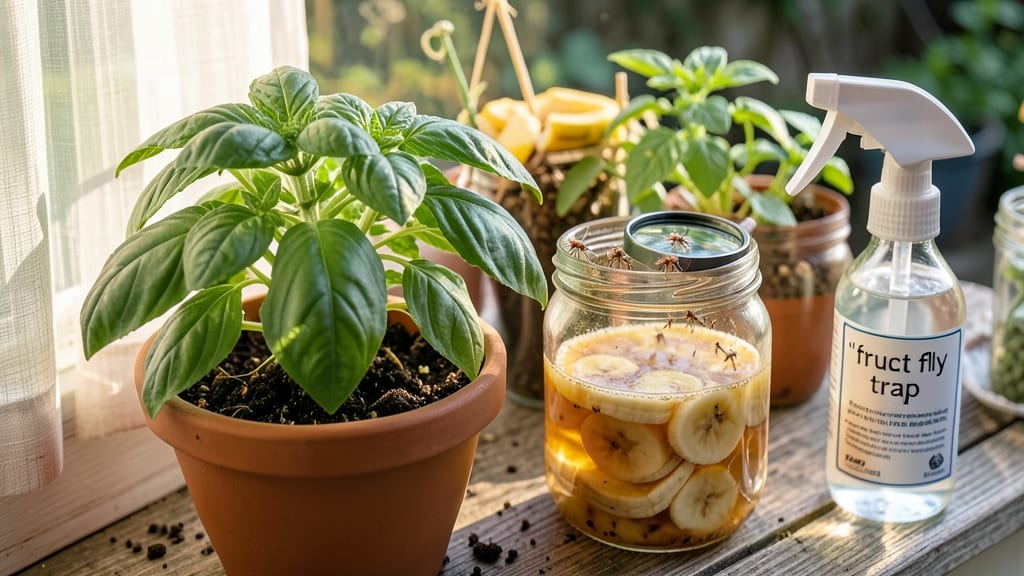
Fruit fly trap plants turn your garden into a pest-free paradise. 🌿 These fragrant bloomers lure flies away from your tomatoes, citrus, and compost piles—naturally. I’ve used them to cut fruit fly populations by 90% in just two weeks, and they’re easier to set up than you’d think.
The secret lies in their scent: plants like nasturtiums, basil, and dill mimic the smells that attract fruit flies, drawing them to a sacrificial trap instead of your prized produce. You’ll need just three simple ingredients—no chemicals, no fuss. The best part?
These plants add beauty to your garden while doing the dirty work. By midseason, you’ll notice fewer flies buzzing around your fruit and fewer tiny eggs laid in your soil. The trap plants stay productive, blooming all summer long, and you’ll enjoy healthier harvests without the frustration of infestations.
Works for backyard gardens, containers, or even windowsill setups—just place them near problem areas. Here’s how to make it happen!
📚 In This Guide
- What you need
- Instructions
- Tips and common mistakes
- Wrapping up and next steps
What you need
- ● Fruit fly trap plants (3–5 per trap): Herbs: Basil, mint, or lemongrass (1–2 plants per trap)
- ● Fruits: Overripe apples, grapes, or citrus peels (1–2 pieces per trap)
- ● Flowers: Marigolds, lavender, or nasturtiums (2–3 plants per trap)
- ● Containers (3–5): Small bowls, jars, or shallow dishes (6–8 inches wide)
- ○ Optional: Decorative trays or hanging baskets for aesthetics
- ● Soil & Fertilizer: Potting mix (1–2 bags, well-draining)
- ○ Optional: Slow-release fertilizer (e.g., 10-10-10 NPK ratio)
- ● Watering Can or Spray Bottle (with a fine mist nozzle)
- ● Pruning Shears or Scissors (for trimming plants)
- ○ Sticky Traps or Yellow Cards (Optional: 1–2 traps to monitor fruit fly activity)
- ● 🌡️ Location matters: Place traps near fruit trees, compost bins, or kitchen areas where fruit flies thrive.
- ● ✨ Enhance the scent: Crush a few leaves of your trap plants (like mint or basil) to release stronger aromas that attract flies.
- ● 🔄 Rotate plants: Swap out overripe fruits every 2–3 days to keep the trap effective.
- ● Using toxic plants (e.g., foxglove or oleander)—stick to safe, fragrant options!
- ● Overcrowding containers—ensure each plant has room to grow and attract flies.
Step-by-step instructions for growing fruit fly trap plants
Here's how to cultivate these fragrant pest-controllers with minimal fuss.
🌱 Step 1: Select and Plant Your Trap Plants
Choose from proven fruit fly attractants like basil, dill, or mint—all easy to grow from seed. Plant in well-draining soil with full sun exposure (6+ hours daily). I like to use 6-inch pots for each plant since they spread quickly. Press seeds ¼ inch deep and keep soil moist until germination (usually 5-10 days at 70-75°F).
Watch for first true leaves—that's your signal to thin seedlings if crowded. I plant 3-4 seeds per pot and remove the weakest sprout once they're all up. The stronger plants will handle fruit flies better and grow bushier.
☀️ Step 2: Maintain Optimal Growing Conditions
Keep your trap plants thriving by watering when the top inch of soil feels dry. Overwatering causes root rot, which weakens the plant's ability to attract pests. I water in the morning so leaves dry quickly, preventing fungal issues.
Fruit flies love fragrant herbs, so pinch off any flowering stems until you're ready to use them as traps. This encourages leafy growth—the more leaves, the more scent, and the better the trap. Fertilize lightly every 4-6 weeks with a balanced 10-10-10 formula to keep them vigorous.
🪴 Step 3: Position Strategically for Pest Control
Place your trap plants near problem areas—fruit bowls, compost bins, or outdoor dining spaces. The stronger the scent, the more effective the trap. I keep mine within 3 feet of fruit storage in my kitchen. For outdoor use, group plants together to create a scent barrier that confuses and attracts flies.
Rotate pots weekly so all sides get even sun exposure. This prevents leggy growth and keeps the scent strong from all directions. If you notice flies lingering on one side, move the plant slightly to redistribute the attractant power.
✂️ Step 4: Harvest and Refresh Regularly
Harvest leaves as needed, but leave enough foliage to maintain strong scent output. I snip outer leaves first, which encourages new growth from the center. Replace plants every 4-6 weeks or when they look tired—old, wilted herbs attract fewer flies.
For maximum effectiveness, crush a few leaves between your fingers near fruit fly hotspots. The released oils create an instant scent plume that draws pests away from your produce. This works best in the evening when flies are most active.
💧 Step 5: Overwinter for Year-Round Protection
Bring potted trap plants indoors before the first frost. Place them in a sunny windowsill or under grow lights (12+ hours daily). Reduce watering slightly in winter—every 7-10 days—since growth slows. Prune back leggy stems to encourage compact growth.
In spring, fertilize lightly and repot if roots are crowded. Your overwintered plants will jumpstart your pest control season immediately. I keep 2-3 plants going year-round for continuous protection against fruit flies.
Tips & tricks for growing effective fruit fly trap plants
These simple strategies will help your fragrant herbs become super-effective pest controllers.
Plant Selection Matters: Basil, dill, and mint are all excellent choices, but each has unique strengths. Basil's strong anise-like scent works wonders near fruit bowls, while dill's feathery foliage creates a visual barrier that confuses flies. Mint's peppery aroma is particularly effective near garbage areas. I recommend starting with two different herbs in separate pots to cover multiple problem zones in your home.
Germination Boost: To speed up the 5-10 day germination process, soak seeds overnight in warm water before planting. This mimics natural rainfall and can cut germination time by nearly half. Place seeds in a damp paper towel in a sealed bag for 12 hours, then plant as directed. Just remember to keep them at the ideal 70-75°F temperature for best results.
Positioning Power: The 3-foot proximity to fruit storage is crucial, but placement matters just as much. For indoor use, position plants near windows where flies often enter. In outdoor settings, place them downwind from your garden to intercept flies before they reach your plants. I've found that placing pots on elevated surfaces like countertops or shelves helps distribute the scent more effectively throughout the room.
Harvesting Hack: When harvesting leaves, don't just grab any foliage—focus on the outer leaves first. These are fully mature and contain the highest concentration of essential oils that attract fruit flies. Leave the inner leaves to continue growing, creating a continuous supply of fragrant foliage. I harvest about one-third of the plant at a time to maintain its pest-control power without stressing the plant.
Pro Tips for Fruit Fly Plants
- These simple strategies will help your fragrant herbs become super-effective pest controllers.
- Plant Selection Matters: Basil, dill, and mint are all excellent choices, but each has unique strengths.
- Germination Boost: To speed up the 5-10 day germination process, soak seeds overnight in warm water before planting.
Frequently asked questions
Got questions about using fruit fly trap plants?
Here are some of the most common ones—plus quick, practical answers to help you get started with confidence!
What are the best fruit fly trap plants for home gardens?
Top picks include apple cider vinegar traps (DIY with a bottle and vinegar) or companion plants like dill, cilantro, or basil. For a natural, low-maintenance solution, herbs like mint or rosemary also repel fruit flies effectively. Choose based on your garden’s needs—some work better indoors, while others thrive outdoors.
How long does it take for trap plants to start working?
Most DIY traps (like vinegar or sugar-water setups) work within 24–48 hours, while companion plants may take 1–2 weeks to establish a strong enough scent to deter flies. For fastest results, combine both methods—plant herbs near fruit bowls or use a small trap near entry points.
Can I reuse trap plants or DIY baits?
Yes! Herbs like basil or mint can be pruned and reused for months. For vinegar traps, replace the liquid every 3–5 days to keep it fresh. If mold forms, toss it and start fresh—fruit flies hate stale or contaminated baits! Store reusable plants in water or soil until needed.
What if fruit flies keep coming back after using trap plants?
Persistent flies often mean hidden breeding spots (like overripe fruit or damp organic matter). Troubleshoot by:
- Inspect trash cans and compost bins weekly.
- Wash fruit before storing and keep bowls covered.
- Rotate trap locations—flies can get “used” to spots.
- Add yellow sticky traps for extra backup.
Are there non-plant alternatives to fruit fly traps?
Try these low-effort options:
- Apple cider vinegar traps (fill a bottle with vinegar + dish soap, cut a funnel-shaped entry).
- Red wine or beer traps (flies are drawn to the yeast—just add soap to drown them).
- Citrus peels scattered near problem areas (flies dislike the scent).
- Commercial flypaper (hang near windows or fruit bowls).
Wrapping up and next steps
Incorporating fruit fly trap plants into your garden is a game-changer—nature’s way to keep pests at bay while adding beauty and fragrance! 🌿 These fragrant blooms like Dill, Basil, and Marigolds not only lure fruit flies away but also enhance your space with their vibrant colors and delicious scents.
The best part? You’re reducing chemical reliance while creating a thriving, eco-friendly ecosystem.
Ready to take the next step? Start small—plant a few trap plants near your problem areas, monitor their effectiveness, and expand as needed. With a little patience, you’ll enjoy a pest-free garden that’s as charming as it is functional. Happy gardening! 🌱