
Pruning
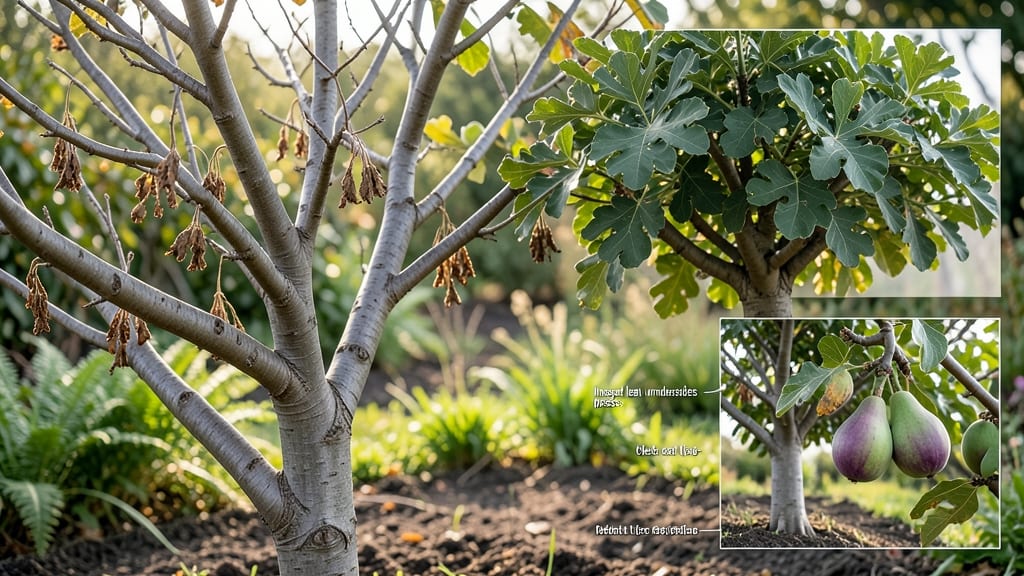
Your fig tree’s stubborn silence—not fruiting, just leaves—might be a pruning problem. ✂️ I’ve watched my own figs go from fruitless to bursting with sweet, sun-ripened rewards just by adjusting when and how I cut. The key? Timing, technique, and understanding what your tree actually needs to flower.
Most gardeners prune too late or too aggressively, sending the tree into survival mode instead of fruiting mode. Figs need open airflow and sunlight on their branches to set fruit—if you’re shearing back too hard in spring, you’re blocking that light.
Even worse, some prune at the wrong time, missing the late winter window when the tree’s energy shifts toward growth (and fruit).
Here’s the game-changer: three simple cuts—removing dead wood, thinning crowded branches, and shaping for sunlight—can trigger a 10x increase in fruit within a season. I’ll show you exactly where to cut (and where to never touch) so your tree wakes up ready to produce.
No more leafy disappointment—just heavy branches sagging with figs by summer.
This works for both container figs and in-ground trees, regardless of your zone. The same principles apply whether you’re dealing with a young sapling or a mature tree that’s just… forgotten how to fruit. Let’s get those branches working for you again.
Root Causes Behind Barren Figs
Understanding why your fig tree refuses to bear fruit starts with recognizing the scientific triggers that disrupt its natural flowering and fruiting cycle. Figs (Ficus carica) are sensitive to environmental cues, cultural practices, and even their own biology.
Below, we break down the key culprits—each with actionable insights to help you diagnose and fix the issue.
Figs are sun-worshippers and thrive in warm, Mediterranean-like climates. When conditions stray too far from their ideal range, they prioritize survival over reproduction. Here’s what’s likely sabotaging your tree:
- Temperature Extremes Figs require consistent warmth—below 50°F (10°C), their metabolic processes slow, halting flower development. Frost damage (even light freezes) can kill emerging fruit buds, while heatwaves above 95°F (35°C) cause stress, leading to abscission (premature fruit drop).
- Actionable fix: Plant in sheltered microclimates, use row covers in early spring, and mulch heavily to regulate soil temps.
- Inadequate Sunlight Figs need 6–8+ hours of direct sunlight daily to trigger flowering hormones (like florigen).
Shade from buildings, tall trees, or dense foliage starves the tree of energy, redirecting resources to leaves instead of fruit. - Actionable fix: Prune competing plants, thin dense canopies, or relocate the tree to a sunnier spot.
- Water Woes: Too Much or Too Little
- Overwatering leads to root rot (fungal infections like Phytophthora), which blocks nutrient uptake—critical for fruit formation.
- Underwatering causes physiological drought, where the tree conserves water by aborting flowers/fruit.
- Actionable fix: Water deeply 1–2x/week (1–1.5 inches per session) and improve drainage with raised beds or gravel amendments.
Figs have a unique reproductive cycle tied to their rootstock, variety, and pollination needs. If these aren’t met, fruiting grinds to a halt.
- Rootstock Incompatibility Many figs are grafted onto hardy rootstocks (e.g., Ficus carica ‘Caprifig’ for common figs).
If the scion (fruit-bearing top) and rootstock are mismatched, the tree may refuse to fruit or produce only male flowers (which don’t bear edible figs). - Actionable fix: Verify your tree’s cultivar and rootstock—consult a local nursery or extension service for compatible pairings.
- Variety-Specific Traits - Common figs (e.g., ‘Brown Turkey’, ‘Celeste’) produce smyrna figs, which need wasps (Blastophaga psenes) to pollinate.
Without them, flowers won’t develop into fruit. - San Pedro or Desert King figs are parthenocarpic (self-pollinating) but still need warmth and proper pruning to trigger flowering. - Actionable fix: If growing smyrna figs, introduce fig wasps (or hand-pollinate with a brush) in early spring.
For other types, prune aggressively to encourage new growth.
- Age-Related Barrenness Young fig trees (<3 years) focus on root/foliage growth before fruiting. Even mature trees may skip a year if stressed. Overpruning can also reset the flowering cycle, delaying fruit for 1–2 seasons. - Actionable fix: Be patient with young trees.
For mature trees, avoid heavy pruning unless necessary—stick to structural shaping in late winter.
Even the hardiest fig trees can be outsmarted by poor care. These human errors are the most common reasons for a fig tree’s silence.
- Over-Fertilizing (Especially Nitrogen) Too much nitrogen (N) promotes leafy growth at the expense of flowers/fruit.
Figs need a balanced 5-10-10 or 6-6-6 fertilizer (low nitrogen, high phosphorus/potassium) to encourage fruiting. - Actionable fix: Switch to a fruit-specific fertilizer (e.g., 3-4-6) in early spring and avoid high-N lawn fertilizers.
- Improper Pruning Timing Pruning at the wrong time (e.g., mid-summer) removes potential fruit buds before they form.
Figs flower on new wood, so late winter/early spring pruning (just before growth resumes) is critical. - Actionable fix: Prune in late winter (just as buds swell) to stimulate new growth—this is when flowering cues kick in.
- Soil Deficiencies Figs crave well-draining, slightly alkaline soil (pH 6.0–7.5) rich in calcium, magnesium, and boron. Deficiencies in these minerals block fruit set.
- Actionable fix: Test soil and amend with:
- Crushed eggshells (calcium)
- Epsom salt (magnesium)
- Borax (boron—use sparingly!)
- Actionable fix: Test soil and amend with:
Most figs rely on a delicate dance with pollinators—even if they’re labeled “self-pollinating.” Here’s how to troubleshoot:
| Issue | Why It Matters | Fix |
|---|---|---|
| Missing Fig Wasps | Smyrna figs require wasps to pollinate. | Introduce wasps (buy online) or hand-pollinate with a soft brush. |
| Poor Weather | Rain/wind washes away pollen or deters pollinators. | Plant near sheltered areas and avoid overwatering during bloom. |
| Chemical Sprays | Pesticides (even organic ones) kill pollinators. | Use neem oil sprays only at night or skip chemicals during bloom. |
Pro Tip: 🌡️ Heat Shock Trick – Some figs need a short cold snap (40–50°F for 2–4 weeks) followed by warmth (70°F+) to trigger flowering. If your climate lacks this, simulate it by moving potted figs to a cooler garage for 2 weeks, then back to sun.
Revitalize Your Fig Tree’s Fruit Bearing
Now that you understand why your fig tree isn’t fruiting, it’s time to take action! The good news is that most issues can be resolved with targeted care—whether it’s adjusting pruning habits, tweaking nutrients, or fine-tuning environmental conditions.
Below, we’ll break down practical, step-by-step fixes tailored to the root cause, plus long-term prevention tips to keep your tree thriving.
If your tree is overgrown, under-pruned, or bearing fruit on weak branches, strategic pruning can reset its energy toward fruiting.
🔥 When to Prune 📅
- Late winter/early spring (before new growth starts) is ideal for major cuts.
- Light pruning can happen in summer to shape the tree without stressing it.
🍳 How to Prune for More Fruit 👨🍳
- Remove Dead or Diseased Wood ⚰️
- Cut back any blackened, mushy, or hollow branches with
- Why? Dead wood drains energy and invites pests.
- Thin Out Overcrowded Branches 🌿
- Look for crossing branches or those growing inward—they compete for sunlight and nutrients.
- Trim back 1/3 of the branch to its origin (where it meets the trunk or another branch).
- Pro Tip: Aim for an open canopy so sunlight reaches the center.
- Encourage New Growth 🌱
- Prune just above a leaf node (the bump where leaves grow) to stimulate new shoots.
- Avoid cutting into old wood—figs fruit on new wood, so focus on 1- to 2-year-old branches.
- Shape for Airflow 💨
- Space branches 6–12 inches apart to prevent humidity buildup (which causes fungal issues).
- Bonus: Better airflow = fewer pests and diseases.
⏰ Post-Pruning Care 🌞
- Water deeply after pruning to help the tree recover.
- Apply a balanced fertilizer (like 10-10-10) to support regrowth.
Figs are sun-worshippers—if yours is shaded, it won’t fruit. Even partial shade can reduce production.
🔍 Signs of Light Deficiency 🌑
- Leaves turn yellow or pale green.
- Branches grow long and leggy with few leaves.
- Fruit (if any) is small and underdeveloped.
🌞 How to Maximize Sun Exposure ☀️
- Move Potted Figs 🏡
- Place them in a
- Minimum: 6–8 hours of direct sun daily.
- Trim Overhanging Trees/Shrubs 🌳
- Remove nearby branches that cast shade on your fig tree.
- Reflect Light for Shady Spots 🪞
- Use white walls, mirrors, or reflective mulch to bounce sunlight onto the tree.
💡 Prevention Tip ✨
- If relocating isn’t possible, choose a dwarf variety (like ‘Little Miss Figgy’) that tolerates partial shade better.
Figs need specific nutrients to fruit well. A deficiency in potassium, phosphorus, or nitrogen can stall production.
📊 Nutrient Checklist 🥔
| Nutrient | Signs of Deficiency | Fix It With |
|---|---|---|
| Nitrogen (N) | Yellow lower leaves, stunted growth | Blood meal or fish emulsion (spring) |
| Phosphorus (P) | Purple stems/leaves, slow growth | Bone meal or rock phosphate (early spring) |
| Potassium (K) | Weak stems, brown leaf edges | Wood ash or banana peel tea (summer) |
| Magnesium | Yellow patches between leaf veins | Epsom salt (1 tbsp/gallon of water, foliar spray) |
🍳 Step-by-Step Fertilizing 👨🍳
- Test Your Soil 🧪
- Use a
- Ideal pH: 6.0–7.0 (slightly acidic to neutral).
- Apply Fertilizer in Stages ⏳
- Early Spring (Feb–March): High-nitrogen fertilizer to kickstart growth.
- Late Spring (April–May): Phosphorus-rich fertilizer to encourage blooming.
- Summer (June–July): Potassium boost for fruit development.
- Use Organic Amendments 🌿
- Compost (work into soil in fall).
- Worm castings (gentle nutrient boost).
- Citrus peel tea (for micronutrients like magnesium).
⚠️ Warning ❌
- Avoid over-fertilizing—too much nitrogen = leafy growth, no fruit!
- Flush soil with water if using synthetic fertilizers to prevent salt buildup.
Figs are drought-tolerant but need consistent moisture—especially when flowering and fruiting.
💦 Watering Do’s & Don’ts 🚰 ✅
- Water deeply 1–2 times per week (1–2 inches per session).
- Mulch heavily (3–4 inches of wood chips or straw) to retain moisture.
- Water at the base (avoid wetting leaves to prevent fungal diseases).
❌ DON’T:
- Let soil dry out completely between waterings (stresses the tree).
- Overwater in winter (figs need less water when dormant).
💡 Pro Tip ✨
- Drip irrigation is best—it delivers water slowly and directly to roots.
- Check soil moisture with your finger: If the top 1–2 inches are dry, it’s time to water.
Pests and diseases steal energy that could go toward fruiting. Common culprits:
- Root-knot nematodes (stunt growth).
- Scale insects (sap-suckers that weaken branches).
- Fungal diseases (like powdery mildew, which blocks sunlight).
🛡️ Pest & Disease Prevention 🛡️
- Inspect Regularly 🔍
- Check
- Natural Remedies 🌿
- Horticultural oil (for scale insects—apply in early spring).
- Copper fungicide (prevents powdery mildew).
- Encourage Beneficial Insects 🐞
- Plant
- Clean Up Debris 🧹
- Remove
If your fig is healthy but still not flowering, it might need a hormonal nudge. Figs produce fruit from female flowers, which require pollination (or in some varieties, self-pollination).
🌸 How to Encourage Blooms 🌼
- Hand-Pollinate 🐝
- Use a
- Apply Flowering Hormones 💊
- Best for: Container-grown figs or those in cooler climates.
- Warmth Trick (For Indoor Figs) 🔥
- Place the tree
Frequently asked questions
Why does my fig tree have leaves but no fruit?
Your fig tree may be prioritizing leaf growth over fruiting due to excess nitrogen in the soil, insufficient sunlight (less than 6 hours daily), or young age (under 3 years). Figs need balanced nutrients (low nitrogen, high phosphorus/potassium) and full sun to trigger flowering. Check your fertilizer ratio and prune nearby shade sources.
Can I force my fig tree to fruit indoors?
Yes! Indoor figs need bright light (south-facing window or grow lights for 12+ hours/day) and a warmth trigger. Move potted figs outdoors for 6–8 weeks in spring/summer to encourage blooming, or simulate the cycle by placing them in a cool (50°F) spot for 2 weeks followed by warmth (70°F+). Hand-pollinate flowers with a soft brush if needed.
How do I know if my fig tree is male or female?
Most edible fig varieties are self-pollinating and don’t have separate male/female trees. However, smyrna figs (like 'Brown Turkey') need fig wasps to pollinate female flowers. If your tree has small, hard figs that don’t ripen, it may lack pollinators—introduce wasps or hand-pollinate with a brush.
Is it too late to prune my fig tree if I haven’t done it yet?
For late winter/early spring pruning, you have until bud break (when leaves start swelling). If you’ve missed this window, do light shaping in summer to remove only dead/diseased branches. Avoid heavy pruning now—it removes potential fruit buds. Focus on airflow and sunlight access instead.
What’s the fastest way to fix a fig tree that’s not fruiting?
Start with these 3 immediate fixes:
- Prune to open the canopy (remove 1/3 of crowded branches).
- Fertilize with low-nitrogen, high-phosphorus (e.g., 3-4-6 ratio).
- Move to full sun (minimum 6 hours daily). For smyrna figs, add fig wasps or hand-pollinate. Results may appear in 6–8 weeks.