
Pruning
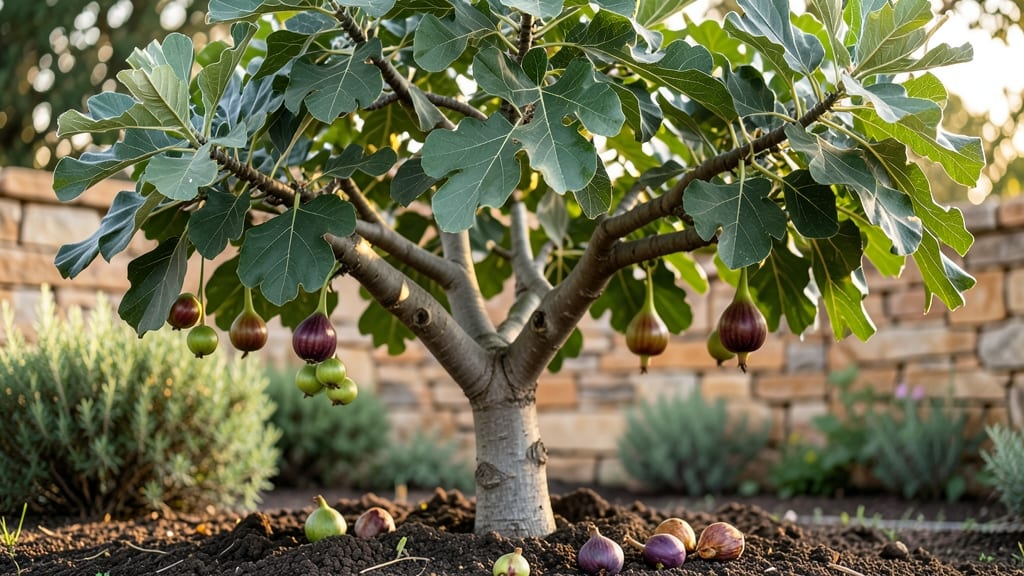
Understanding the fig tree fruit cycle is the secret to turning your 🍈 into a year-round producer—if you know when to expect each harvest window.
Did you know fig trees produce fruit twice a year—but only if you understand their precise growth stages? Mastering the fig tree fruit cycle ensures a bountiful harvest, whether you're growing edible figs or ornamental varieties.
Most gardeners miss the first crop, called the breba, because it ripens early—often before the tree even flowers again. Meanwhile, the main crop arrives in late summer, but timing depends entirely on your USDA zone and how you prune.
In this guide, I’ll walk you through the month-by-month stages, from bud formation to harvest, plus the simple adjustments that double your yield—no matter where you live in Zones 6a-10a.
Fig tree fruit cycle stages: breaking down breba and main crop seasons
Fig trees are unique because they produce fruit twice a year—a phenomenon called bimodal fruiting. The first harvest, called the breba crop, appears on growth from the previous year's wood, while the second, called the main crop, develops on current season's growth.
Understanding these cycles is key to maximizing your harvest and timing pruning correctly.
Most fig varieties, like Brown Turkey or Celeste, produce smaller, often less flavorful breba fruit in early summer. The main crop, which ripens in late summer to fall, typically yields sweeter, larger figs.
However, some varieties like Violette de Bordeaux produce no breba crop at all, focusing entirely on the main harvest.
The timing of these cycles depends heavily on your USDA hardiness zone. In Zone 8 and above, breba fruit may appear as early as May or June, while main crop figs ripen from August through October.
In cooler Zone 7 or below, breba fruit might not form at all, and the main crop may ripen earlier or be more limited.
Here’s how these cycles break down by stage, variety, and climate:
| Cycle Type | Growth Source | Typical Ripening Time | Fruit Size | Climate Impact |
|---|---|---|---|---|
| Breba Crop | Last year’s wood | May–July (Zones 8+) | Small to medium | Limited in Zones 7 and below |
| Main Crop | Current season’s growth | August–October (all zones) | Large, sweeter | Primary harvest; frost risk in cooler zones |
| No Breba Varieties | N/A | Main crop only | Medium to large | Ideal for cooler climates |
If you’re growing figs in Zones 7 or below, focus on main crop varieties like Chicago Hardy or Desert King, which produce fruit reliably even in cooler conditions. These varieties skip the breba cycle entirely, simplifying your harvest planning.
For warmer climates (Zones 8–10), varieties like Black Mission or Osborne Prolific thrive with both breba and main crops. However, late-season breba fruit may overlap with the main crop, requiring careful monitoring to avoid overloading the tree and reducing quality.
Pruning plays a crucial role in managing these cycles. To encourage a stronger main crop, prune lightly in late winter to remove dead wood and open the canopy for sunlight.
Avoid heavy pruning, as it can reduce next year’s breba production. In cool climates, prune even more conservatively to protect fruit buds from frost.
Watch for fruit fly infestations during both cycles, especially in humid climates. Use fruit fly traps or apply kaolin clay to protect ripening figs. In drought-prone areas, ensure consistent watering during fruit development to prevent splitting or poor flavor.
Timing your harvest is just as critical as understanding the cycles. Breba figs should be picked when they’re fully colored and slightly soft to the touch, while main crop figs may require 2–3 weeks longer to reach peak sweetness.
Store unripe figs in a cool, dry place to ripen indoors if needed.
By mastering these two distinct fruit cycles, you’ll transform your fig tree into a year-round producer—whether you’re harvesting early summer breba or autumn main crop figs. The key is observing your tree’s unique rhythm and adapting your care routine accordingly.
Month-by-month timeline for fig tree fruit development
Tracking your fig tree's fruit development month by month is the secret to predicting harvests and protecting your crop from climate surprises.
Figs produce two crops per year: the breba crop (early season) and the main crop (late summer), but their timing shifts dramatically between warm (Zone 8+) and cool (Zone 7 and below) climates. Understanding these stages helps you adjust watering, pruning, and frost protection strategies.
In warmer zones, figs may fruit year-round, while cooler zones force trees into dormancy, delaying fruit development until summer. The key is recognizing bud formation, flowering, and fruit ripening cues—each stage lasts 6-12 weeks and requires specific care.
For example, overwatering during bud swell can cause fruit drop, while underwatering in summer shrinks fruit size. Let’s break down the critical milestones by month.
Late Winter (Feb-Mar)
Bud formation begins in Zone 8+. In Zone 7 and below, buds swell after last frost (typically April). Prune dead wood but avoid heavy cuts—this stimulates breba crop development.
Early Spring (Apr-May)
Breba crop flowers appear (tiny, green structures). In cool zones, protect young fruit from late frosts with row covers. Reduce nitrogen fertilizer to prevent leafy growth over fruit.
Late Spring (Jun)
Breba crop ripens in Zone 8+ (harvest by July). In Zone 7, fruit may drop if temps fall below 50°F. Prune to open canopy for sunlight penetration to main crop buds.
Summer (Jul-Aug)
Main crop buds form. Increase watering (10-15 gallons per tree) and mulch to retain moisture. Watch for fig wasps—they’re essential for pollination but can overpopulate.
Early Fall (Sep-Oct)
Main crop ripens. Harvest when skin softens and color deepens. In Zone 7, cover trees with burlap if frost is forecasted within 2 weeks.
After harvest, Zone 7+ trees enter dormancy by November. In Zone 8+, some varieties (like 'Celeste') may produce a third crop if conditions stay warm. Prune lightly in late winter to remove crossing branches—this ensures next year’s buds form unobstructed.
Pro tip: Mark your calendar for bud swell (March-April in cool zones) and fruit color change (August-September). These are your two critical windows for adjusting care. For example, if buds swell but don’t grow, your tree may need phosphorus-rich fertilizer or more sunlight.
🌱