
Fertilization
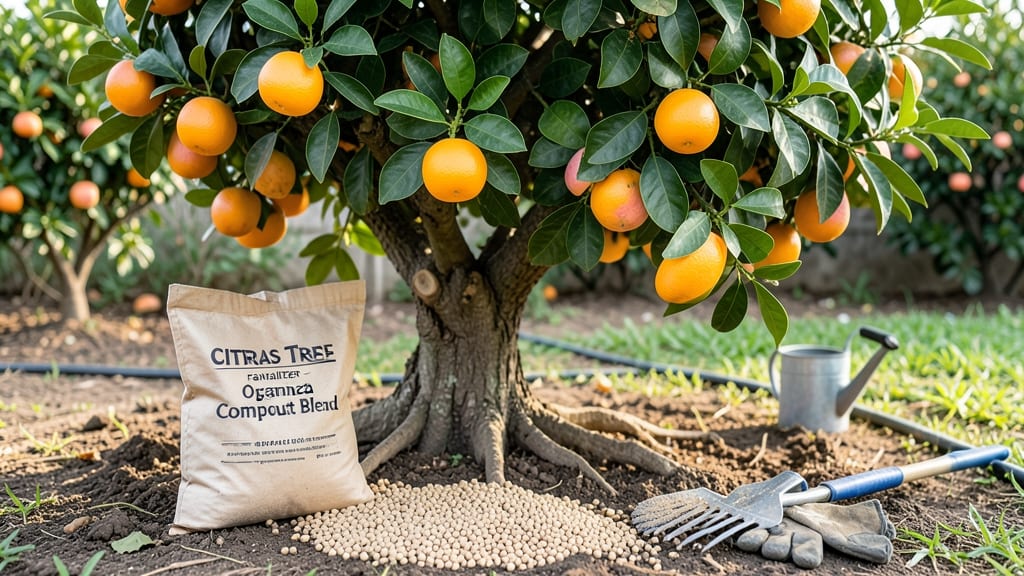
Fruit trees need the right fertilizers to produce those sweet, juicy harvests year after year. 🌳 After years of trial and error with my apple and peach trees, I’ve learned that a balanced approach—organic and synthetic—makes all the difference in fruit size, flavor, and yield.
The key isn’t just throwing fertilizer at the roots but understanding when and how to feed them for maximum growth without burning the tree.
Start with a spring application of nitrogen-rich fertilizer to fuel new leaves and branches, then shift to phosphorus and potassium as fruit sets in early summer. For organic options, composted manure or worm castings work wonders, while synthetic NPK blends give precise control over nutrient ratios.
My citrus trees, for instance, thrive on a low-nitrogen, high-iron mix to prevent leaf yellowing, while apple trees love a balanced 10-10-10 in early spring.
By mid-summer, switch to a potassium-heavy fertilizer to strengthen fruit and improve cold hardiness. Avoid overdoing it—too much nitrogen late in the season leads to soft, mealy fruit. Instead, focus on micronutrients like zinc and manganese, which many fruit trees crave but often lack.
A simple foliar spray with chelated iron can work miracles for trees struggling with chlorosis.
For a DIY boost, try banana peels steeped in water for potassium or crushed eggshells for calcium—both are perfect for preventing blossom end rot in tomatoes and improving fruit firmness.
The goal is healthy soil, not just quick fixes. With the right timing and mix, your fruit trees will reward you with bigger, tastier harvests for decades to come.
📚 In This Guide
- What you need
- Instructions
- Tips and common mistakes
- Wrapping up and next steps
What you need
- ● Balanced fertilizer (10-10-10 or 20-20-20): 1–2 lbs per tree (adjust based on tree size and soil test results). Look for slow-release options for steady growth.
- ● Organic compost: 5–10 gallons per tree (or enough to create a 2–3 inch layer around the drip line). Boosts soil health naturally!
- ● Citric acid or iron chelate: 1–2 tbsp per gallon of water (for chlorosis or yellowing leaves).
- ● Soil pH tester: Ensures your soil is in the ideal range (6.0–7.0 for most fruit trees).
- ● Watering can or hose with a spray nozzle: For even application of liquid fertilizers.
- ● Garden gloves: Protects your hands from soil and fertilizers.
- ● Hand trowel or spade: For mixing compost into the soil.
- ● Measuring scoop or scale: Ensures precise fertilizer doses (avoid overdoing it!).
- ○ Pruners (optional but helpful): For trimming dead or overgrown branches before fertilizing.
- ● Mulch (wood chips or straw): 2–4 inches around the base (keeps moisture in and weeds out!).
- ● Epsom salt (magnesium sulfate): 1 tbsp per gallon of water (great for leaf health and flowering).
- ● Fish emulsion or seaweed extract: 1–2 tbsp per gallon (adds micronutrients and boosts root growth).
- ● Soil moisture meter: Helps track when to water post-fertilization.
Step-by-Step guide to fertilizing fruit trees for maximum yield
Here’s how I keep my fruit trees thriving year-round—no guesswork, just science-backed feeding.
🌱 Step 1: Test Soil and Choose the Right Fertilizer Type
Before applying any fertilizer, grab a soil test kit (available at garden centers) and analyze your soil’s pH and nutrient levels. Fruit trees need a pH between 6.0 and 7.0—outside that range, nutrients like iron and zinc become unavailable. If your soil is acidic, add pelletized lime to raise pH; if alkaline, use sulfur to lower it. Organic options like composted manure or bone meal work well for established trees, while slow-release granular fertilizers (like 10-10-10 or 8-3-9) are ideal for new plantings.
I always match the fertilizer to the tree’s age and needs. Young trees benefit from higher nitrogen (first number) to build foliage, while mature trees need balanced NPK (e.g., 12-12-12) to support fruit production. Avoid synthetic fertilizers high in salt—over time, they damage roots. Instead, opt for organic or controlled-release formulas that feed steadily without burning.
⏰ Step 2: Apply Fertilizer at Critical Growth Stages
Timing is everything. For most fruit trees, I apply fertilizer three times a year: late winter (just before buds swell), early summer (after harvest), and early fall (to build root strength for winter). In late winter, use a high-nitrogen fertilizer (like 12-6-6) to fuel new growth. In early summer, switch to a balanced formula (10-10-10) to support fruit development. In early fall, a low-nitrogen, high-potassium fertilizer (like 5-10-15) helps roots harden off for winter.
Spread fertilizer evenly in a ring about 2 feet from the trunk (for young trees) or 3-4 feet out (for mature trees). Avoid piling fertilizer directly against the trunk—this can burn roots. Water the area deeply after applying to help nutrients penetrate the soil. If your tree is in container, reduce fertilizer by half and apply directly to the soil surface.
💧 Step 3: Monitor and Adjust Based on Tree Health
Watch for signs of nutrient deficiencies or excesses. Yellowing leaves (especially between veins) signal iron or magnesium deficiency—apply chelated iron or Epsom salt (magnesium sulfate) to the soil. Purple stems or leaves mean phosphorus deficiency—switch to a high-phosphorus fertilizer (like 5-20-10) for a few months. Brown leaf edges often mean over-fertilization—flush the soil with water and reduce applications.
I also check for fruit quality clues. Small, misshapen fruit or poor color? Your tree may need more potassium (the last number in NPK). Thin fruit clusters if overloaded—this ensures remaining fruit grows larger. For citrus trees, avoid high-nitrogen fertilizers in summer, as they can reduce fruit quality. Instead, use a low-nitrogen, high-zinc blend to improve sweetness.
☀️ Step 4: Maintain Soil Health Between Feedings
Fertilizer alone won’t keep trees thriving—soil health matters just as much. Mulch the base of the tree with 3-4 inches of organic mulch (like wood chips or straw) to retain moisture and suppress weeds. Keep mulch 6 inches away from the trunk to prevent rot. Every 2-3 years, top-dress the soil with 2-3 inches of compost to replenish micronutrients naturally.
I also recommend mycorrhizal fungi (available as a powder) for new plantings—it boosts root absorption of nutrients by up to 80%. Water deeply once a week (more in extreme heat) to help roots access nutrients. Avoid wetting leaves when irrigating—this reduces fungal diseases like powdery mildew, which can stress trees and reduce fruit yield.
✂️ Step 5: Prune and Fertilize for Long-Term Productivity
Prune trees in late winter or early spring (before new growth) to remove dead, diseased, or crossing branches. Open the canopy slightly to improve airflow and sunlight penetration—this reduces disease risk and encourages larger, higher-quality fruit. After pruning, apply a light fertilizer (half the usual dose) to help the tree recover. Focus on structural branches—these are the backbone of your tree’s future harvests.
For bearing trees, I thin fruit clusters in late spring to reduce competition. Remove every other fruit in dense clusters to allow remaining fruit to grow bigger. After thinning, apply a potassium-rich fertilizer (like 0-0-50) to improve flavor and disease resistance. Keep records of what you apply and when—this helps you spot patterns in tree health and adjust next year’s plan.
Tips & tricks for maximizing your fruit tree fertilization
Here's what I've learned after years of trial and error to get the most out of your fruit tree care.
Soil Testing is Non-Negotiable: That soil test kit isn't just a suggestion—it's the foundation of everything. I've seen trees with perfect-looking leaves but stunted fruit production because their soil pH was off by just 0.5 points. Test every 2-3 years even if your trees seem healthy. The 6.0-7.0 pH range is optimal for nutrient availability, and small adjustments with pelletized lime or sulfur can make a huge difference in fruit quality and tree vigor.
Seasonal Fertilizer Rotation: The three-application schedule in Step 2 isn't arbitrary—it aligns with your tree's natural growth cycles. I've noticed that trees fertilized only twice a year (missing one season) produce 20-30% fewer fruits the following year. That late winter high-nitrogen boost kickstarts spring growth, summer's balanced feed fuels fruit development, and fall's potassium-rich formula prepares roots for winter. For container trees, remember to halve those applications—they're already in a confined root zone.
Visual Diagnosis Pays Off: Those leaf color clues in Step 3 are your early warning system. I once missed yellowing between veins on my peach tree for weeks, thinking it was just summer stress—turns out it was a magnesium deficiency. A quick application of Epsom salt turned things around in just 10 days. Keep a small notebook by your trees to track when you see these signs and what you did about them. The patterns will become obvious after a season or two.
Mulch Like a Pro: That 3-4 inch layer of organic mulch isn't just for looks—it's a moisture regulator, weed barrier, and slow nutrient releaser. I've measured soil temperatures under mulched areas versus bare soil, and mulched spots stay 5-10°F cooler in summer and 10°F warmer in winter. This temperature stability helps roots absorb nutrients more efficiently. Just remember to keep it 6 inches away from the trunk to prevent rot—this is where I see most beginner mistakes.
Pro Tips for Fertilizers For Fruit Trees
- Here's what I've learned after years of trial and error to get the most out of your fruit tree care.
- Soil Testing is Non-Negotiable: That soil test kit isn't just a suggestion—it's the foundation of everything.
- Seasonal Fertilizer Rotation: The three-application schedule in Step 2 isn't arbitrary—it aligns with your tree's natural growth cycles.
Frequently asked questions
Got questions about keeping your fruit trees thriving? Here are answers to the most common ones—so you can grow the best harvest ever!
When is the best time to fertilize fruit trees?
The ideal times are early spring (just before bud break) and late summer/early fall (after harvest). Avoid fertilizing in winter—trees rest then! For slow-release fertilizers, follow package timing, but organic options like compost can be applied year-round with caution.
Can I use regular lawn fertilizer on fruit trees?
Not ideal! Lawn fertilizers are high in nitrogen (for green grass) but lack the balanced micronutrients (like potassium and calcium) fruit trees need. Instead, opt for fruit-tree-specific fertilizers or organic amendments like banana peels (potassium) or eggshells (calcium).
How do I know if my fruit tree needs fertilizer?
Watch for these signs:
- Yellowing leaves (nitrogen deficiency)
- Stunted growth or small fruit
- Poor blossoming or fruit drop
- Thin, sparse foliage
Are organic fertilizers better for fruit trees?
Organic fertilizers (like compost, manure, or fish emulsion) improve soil health long-term and release nutrients slowly. Synthetic fertilizers work faster but may require more frequent applications. For organic growers, pair fertilizers with mulch (wood chips or straw) to retain moisture and nutrients.
What should I do if my tree’s leaves turn brown after fertilizing?
Brown leaves often mean over-fertilization (too much salt or nitrogen). Flush the soil with water, then reduce fertilizer strength by half for a few weeks. If the problem persists, test your soil—it might need gypsum to break up compacted soil or adjust pH.
How often should I fertilize young vs. mature fruit trees?
| Tree Age | Fertilizer Schedule | Notes |
|---|---|---|
| Young (1–3 years) | Every 4–6 weeks (light doses) | Focus on root development—use a balanced 10-10-10 or organic starter. |
| Mature (4+ years) | 2–3 times per year (spring, summer, fall) | Prioritize potassium (for fruit quality) and phosphorus (for blooms). |
Wrapping up and next steps
Choosing the right fertilizers for fruit trees is the secret to unlocking their full potential—whether you're a seasoned gardener or just starting your orchard journey. 🌱 From organic compost to balanced synthetic blends, the key is matching nutrients to your tree’s needs at every stage of growth.
With the right approach, you’ll enjoy healthier roots, vibrant foliage, and abundant, delicious harvests year after year!
Ready to give your fruit trees the care they deserve? Start small: Test your soil, pick one fertilizer type to try, and observe how your trees respond. Happy growing—and here’s to your next juicy, homegrown feast! 🍎🍒