
Fertilization
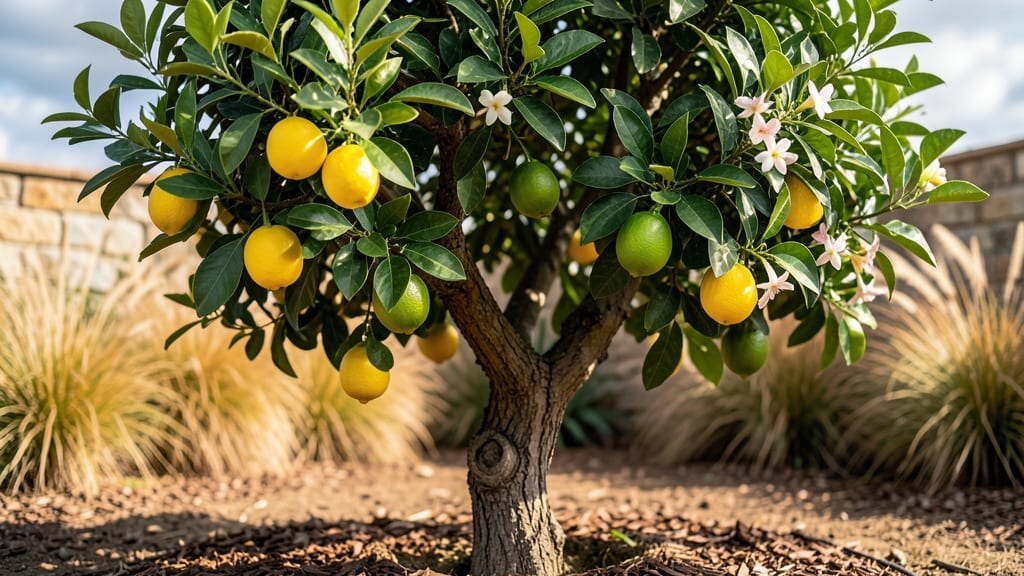
Growing exotic citrus fruit like yuzu or kumquat means bringing sunshine to your kitchen year-round. 🌿 The first time I tasted a fresh yuzu straight from my balcony pot, I knew I’d never buy store-bought citrus again.
These little powerhouses thrive with the right balance of warmth, water, and a little extra TLC—even in containers or indoors near a sunny window.
You’ll need well-draining soil, a pot with drainage holes, and a spot that mimics their tropical roots—think 70-85°F temperatures and 6-8 hours of sunlight daily. Most people overwater, but citrus hate soggy roots.
A 3-gallon container works for small varieties like calamansi, while larger trees need 15+ gallons. Fertilize lightly in spring and summer with citrus-specific food, and watch those glossy leaves and fragrant blooms appear.
By late fall, you’ll be harvesting bright, tart fruits that outshine anything at the grocery store. The key is patience—it takes 2-3 years for most varieties to bear fruit, but once they do, you’ll be snipping branches for homemade marmalades, teas, or fresh snacks.
Even in colder climates, a sunny windowsill or greenhouse keeps them happy.
Here’s the secret weapon: prune in late winter to shape the tree and encourage new growth. And if pests like aphids show up (they love new shoots), a neem oil spray keeps them at bay without harming your plants. Ready to grow your own tropical harvest?
📚 In This Guide
- What you need
- Instructions
- Tips and common mistakes
- Wrapping up and next steps
What you need
- ● Citrus Trees: 1–3 exotic citrus varieties (e.g., Yuzu, Buddha’s Hand, Calamansi, or Meyer Lemon) – choose dwarf or semi-dwarf for containers.
- ○ Optional: Grafted trees for faster fruiting (ask your local nursery!).
- ● Containers or Garden Space: 5–15 gallon pots (minimum 12" diameter for dwarf trees) with drainage holes.
- ● OR a sunny, well-draining garden bed (6–8 hours of sunlight daily).
- ● Soil: 3–5 lbs of well-draining citrus-specific potting mix (or a blend of 60% peat moss, 20% perlite, and 20% compost).
- ● Pro Tip: Avoid garden soil—citrus roots hate soggy feet! 🌡️
- ● Fertilizer: Balanced citrus fertilizer (e.g., 8-8-8 or 10-10-10 NPK) – 1 tbsp per gallon of soil per feeding.
- ○ Optional: Slow-release granules or organic options like fish emulsion.
- ● Tools: Trowel or small shovel for planting.
- ● Pruning shears (sterilized with rubbing alcohol).
- ● pH testing kit (ideal range: 6.0–7.0).
- ○ Optional: Mulch (straw or wood chips) to retain moisture.
- ● Climate: USDA Zones 9–11 (or indoor growing with grow lights in cooler zones).
- ● Water: Access to chlorine-free water (rainwater or filtered tap water).
- ● Patience: Exotic citrus can take 2–5 years to bear fruit—plan ahead! 🌱
- ● Knowledge: Research your specific citrus variety’s cold tolerance and pollination needs (some are self-pollinating!).
Step-by-step instructions for cultivating exotic citrus trees
Here’s how to transform your space into a tropical oasis with thriving citrus—no greenhouse required.
🌱 Step 1: Select the Right Variety and Prepare the Pot
Choose dwarf varieties like Calamondin, Meyer Lemon, or Satsuma Mandarin—they’re compact enough for containers but still produce bountiful fruit. Your 12-15 inch diameter pot with drainage holes is ideal; larger roots mean better stability and water retention. Fill the bottom third with gritty drainage mix (like perlite or coarse sand) to prevent soggy roots, which exotic citrus hate.
Use well-draining citrus-specific potting mix—never garden soil. It compacts and suffocates roots. Mix in a handful of slow-release citrus fertilizer (like Osmocote) at planting to give your tree a nutrient boost. Press the mix lightly around the root ball to eliminate air pockets, but don’t compact it. You’ll see roots spread within weeks if the mix is right.
☀️ Step 2: Position for Maximum Sun and Temperature Control
Exotic citrus thrive in full sun (6-8 hours daily) but need protection from harsh afternoon rays in hot climates. Place your pot in a south- or west-facing spot where it gets morning sun and afternoon shade. If you’re in a cooler zone, a patio heater or grow light keeps temperatures above 55°F—citrus is tropical and won’t tolerate cold drafts.
Watch for leaf yellowing or drop—this is your signal the tree’s stressed. Adjust the pot’s position if leaves scorch (too much sun) or stretch leggy (not enough light). In winter, move pots indoors near a bright window or under grow lights to maintain 60-70°F soil temps. A heat mat helps if your home runs cooler.
💧 Step 3: Water Deeply and Monitor Soil Moisture
Water when the top 2 inches of soil feel dry—overwatering is the #1 killer of citrus. Stick your finger in the soil; if it’s damp past your first knuckle, wait another day. When you water, soak thoroughly until water runs from the drainage holes. Empty the saucer afterward to prevent root rot. In summer, you may water every 3-4 days; in winter, every 7-10 days.
Mist leaves occasionally to mimic humidity, but avoid soggy foliage. Yellow leaves often mean overwatering or poor drainage—check your pot’s holes and adjust. If the soil smells musty, flush it with water to cleanse the roots. A healthy citrus tree drinks deeply but infrequently; shallow watering leads to weak, fruitless growth.
✂️ Step 4: Prune for Shape and Fruit Production
Prune in late winter or early spring before new growth starts. Use sterilized shears to trim back overly leggy branches by one-third to encourage bushier growth. Remove crossing or dead branches at the base to improve airflow. Citrus blooms on new wood, so avoid heavy pruning in fall—you’ll sacrifice next year’s flowers.
Shape the tree into an open vase form by pinching back the tips of new shoots. This redirects energy to fruit production. Watch for suckers (shoots at the base) and remove them—they drain energy from the main tree. After pruning, feed with a balanced citrus fertilizer (like 8-8-8) to support regrowth. You’ll see new leaves within 4-6 weeks if the cut was clean.
🍊 Step 5: Encourage Blooms and Protect Fruit
Citrus needs consistent warmth and light to flower. If your tree isn’t blooming after a year, it may need more sun or a temperature boost. In cooler climates, a small space heater near the pot (not touching leaves) can trigger flowering. Once buds form, reduce fertilizer to half-strength—too much nitrogen delays fruiting.
Thin fruit when small to prevent overburdening the tree. Leave 5-6 fruits per branch for optimal size and sweetness. Protect developing fruit from pests like aphids or citrus leaf miners with neem oil spray (mix 1 tsp per quart of water). Harvest when fruit is firm but yields slightly to gentle pressure—this ensures peak flavor and texture. With patience, your exotic citrus will reward you with year-round harvests.
Tips & tricks for thriving exotic citrus trees
Here's what nobody tells you about keeping your tropical citrus alive and producing fruit—these are the details that separate a struggling plant from a bountiful harvest.
Pot Size and Drainage: Your 12-15 inch diameter pot is perfect, but here's the thing about drainage—exotic citrus roots need air as much as water. After planting, gently tap the pot on the counter to settle the soil without compacting it. I learned this the hard way after seeing roots suffocate in dense soil. Also, check those drainage holes every spring—mineral buildup can clog them over time, turning your pot into a swamp. A quick wire brush clears them instantly.
Sunlight Strategy: The 6-8 hours of full sun requirement is non-negotiable, but timing matters just as much. In hot climates, position your tree to catch morning sun and afternoon shade—this prevents leaf scorch while still giving it the energy it needs. I use a simple trick with my Meyer Lemon: I rotate the pot 90 degrees every couple weeks to ensure even sun exposure on all sides. Uneven sunlight leads to lopsided growth and poor fruit development.
Fertilizer Timing: That slow-release citrus fertilizer you mixed in at planting? Don't overthink it. The key is to feed lightly but consistently. After the initial planting boost, switch to a balanced 8-8-8 fertilizer every 6-8 weeks during growing season (spring through fall). I've seen people overdo it with heavy feeding, which actually delays flowering. Remember: citrus trees produce fruit on new growth, so they need nutrients for leaves and branches first.
Winter Survival Tactics: Maintaining 60-70°F soil temps in winter is crucial, but don't panic if your indoor space runs cooler. A simple heat mat under the pot works wonders—just place it on a timer for 4-6 hours daily during cooler months. Pro tip: Group your citrus pots together near an east-facing window. The collective warmth helps maintain that tropical environment they crave. And if you see leaves dropping, it's not too late—just move the tree to a warmer spot immediately.
Pro Tips for Exotic Citrus Fruit
- Here's what nobody tells you about keeping your tropical citrus alive and producing fruit—these are the details that separate a struggling plant from a bountiful harvest.
- Pot Size and Drainage: Your 12-15 inch diameter pot is perfect, but here's the thing about drainage—exotic citrus roots need air as much as water.
- Sunlight Strategy: The 6-8 hours of full sun requirement is non-negotiable, but timing matters just as much.
Frequently asked questions
Got questions about growing exotic citrus fruit?
Here are answers to the most common ones—so you can troubleshoot, plan ahead, and enjoy a bountiful harvest!
How long does it take for exotic citrus trees to bear fruit?
Most exotic citrus varieties (like Citrus × aurantium or Citrus × bergamia) take 3–5 years to produce fruit from seed. Grafted trees may bear fruit in 1–2 years! Patience is key—focus on proper care (sunlight, water, and soil) to speed up the process. Pro tip: Use a citrus-specific fertilizer every 2–3 months for faster growth!
Can exotic citrus survive in colder climates?
Many exotic citrus trees (e.g., Citrus × limon or Citrus × reticulata) are tender perennials and thrive in USDA Zones 9–11. In colder areas, grow them in containers and move them indoors during winter. Alternatively, choose hardier varieties like Citrus × aurantium (sour orange) or Poncirus trifoliata (trifoliate orange), which tolerate brief frosts.
What’s the easiest exotic citrus fruit to grow for beginners?
Start with Calamondin (Citrus × microcarpa) or Meyer Lemon (Citrus × meyeri)—they’re compact, fast-growing, and produce fruit in 1–2 years. Both are low-maintenance and perfect for containers. Avoid finicky varieties like Buddha’s Hand (Citrus × medica) if you’re new to citrus gardening!
Why are my exotic citrus leaves turning yellow?
Yellow leaves usually signal overwatering, nutrient deficiency, or pests. Check the soil—it should be slightly moist but well-draining. Yellowing between veins often means iron deficiency; use an iron chelate fertilizer. For brown spots, inspect for citrus leaf miners or fungal issues. Adjust care and monitor progress!
Can I eat all exotic citrus fruits raw?
Most exotic citrus (like Yuzu, Sudachi, or Kumquat) are edible raw and packed with flavor! Some, like Citron (Citrus × medica), are tart and used for zest or preserves. Always research specific varieties—some (e.g., Sour Orange) are best cooked or fermented. Pro tip: Taste-test small amounts first to check for bitterness!
Wrapping up and next steps
Growing exotic citrus fruits is a rewarding journey that brings vibrant flavors and tropical beauty to your space! 🌱 Whether you're nurturing yuzu, Buddha’s hand, or kumquat, the key lies in patience, proper fertilization, and a little tropical love.
With the right soil, sunlight, and care, you’ll soon enjoy a bountiful harvest—even in non-tropical climates.
Ready to take the next step? Start small—pick one variety and experiment with container growing if space is limited. Then, share your progress with fellow citrus enthusiasts or even gift your homegrown treasures! 🍊✨ Your garden’s tropical future starts now.